
Is Ginger Tea Acidic? Ginger Tea and Acid Reflux
The Surprising Benefits of Ginger Tea for Acid Reflux Relief
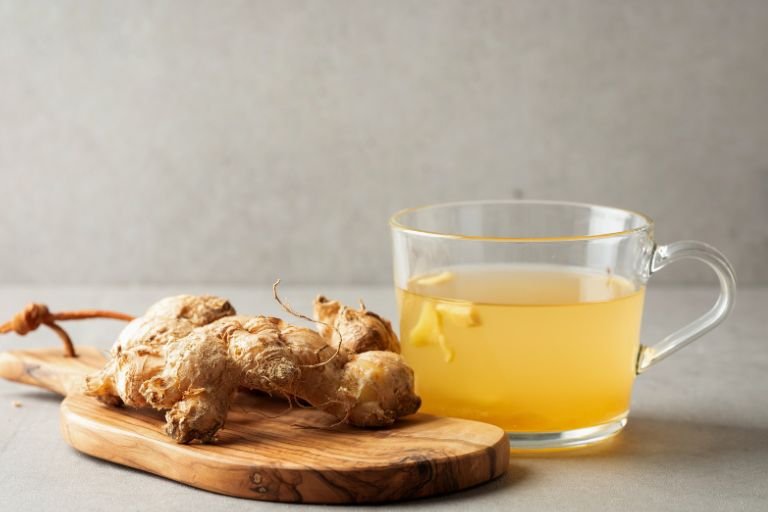
Ginger tea is one of the most popular natural remedies for addressing a range of health concerns, especially digestive problems. Known for its soothing properties, ginger tea is often the go-to solution for symptoms like nausea, bloating, and indigestion. But for those who suffer from acid reflux or are cautious about the acidity of their beverages, a common question arises: “Is ginger tea acidic, and can it help or worsen acid reflux?”
The answer lies in understanding ginger tea’s pH level, its effects on the digestive system, and how it interacts with the symptoms of acid reflux. In this comprehensive guide, we’ll explore whether ginger tea is acidic, its health benefits, and how to safely incorporate it into your diet. By the end, you’ll know how to use ginger tea to soothe heartburn and support digestive health.
Is Ginger Tea Acidic or Alkaline?
Ginger tea is mildly acidic, with a pH level that typically ranges from 5.5 to 6.5. Despite its slight acidity, ginger tea is not considered a problematic beverage for most acid reflux sufferers. Unlike other acidic drinks such as coffee, citrus juices, or carbonated sodas, ginger tea is known for its soothing properties rather than triggering reflux symptoms.
The key compounds in ginger—gingerol, shogaol, and zingerone—have anti-inflammatory and anti-nausea effects. These properties make ginger tea effective in calming the stomach and supporting the digestive process, reducing the chances of acid buildup or irritation.
However, it’s important to note that while ginger tea is typically safe, individual responses vary. In rare cases, sensitive individuals might experience stomach discomfort if they consume too much ginger tea or if it’s prepared too strongly.
Author Tip: Clove Tea and Acid Reflux
How Ginger Tea Affects Acid Reflux?
Ginger tea is often recommended for acid reflux sufferers because it addresses some of the root causes of reflux symptoms. Here’s how it can help:
1. Anti-inflammatory Properties
Acid reflux often leads to inflammation of the esophagus, causing discomfort and irritation. The natural compounds in ginger—particularly gingerol—help reduce inflammation in the esophagus and stomach lining.
2. Improves Gastric Emptying
One of the leading causes of acid reflux is delayed stomach emptying, which increases pressure in the stomach and pushes acid upward into the esophagus. Ginger tea stimulates digestive enzymes, promoting faster stomach emptying and reducing acid buildup.
3. Reduces Esophageal Irritation
Unlike acidic drinks like citrus juices, ginger tea has a soothing effect on the esophagus. It helps calm irritation caused by stomach acid refluxing back up.
4. Eases Nausea and Heartburn
Heartburn and nausea are common symptoms of acid reflux. Ginger tea is well-known for its ability to relieve nausea, making it a great option for managing reflux-related discomfort.
5. Neutralizes Stomach Acid (In Moderation)
When consumed in moderate amounts, ginger tea can help neutralize excess stomach acid and create a more balanced environment in the stomach.
Caution: While ginger tea has numerous benefits, drinking it in excess (more than 3–4 cups a day) can irritate the stomach lining, especially in people with sensitive stomachs.
Related to Read: Is Chamomile Tea Acidic?
Science-Backed Health Benefits of Ginger Tea
In addition to alleviating acid reflux symptoms, ginger tea offers a wide range of health benefits backed by scientific research:
1. Aids Digestion
Ginger tea stimulates the production of digestive enzymes, helping to break down food more efficiently and prevent indigestion, bloating, and gas.
2. Reduces Inflammation
Studies published in the Journal of Medicinal Food highlight ginger’s powerful anti-inflammatory properties, which can reduce inflammation in the gut and esophagus caused by acid reflux or other conditions.
3. Boosts Immunity
Ginger tea is rich in antioxidants, such as gingerol, which combat free radicals and support a strong immune system.
4. Relieves Nausea and Vomiting
Ginger has been widely studied for its effectiveness in treating nausea, including morning sickness during pregnancy, motion sickness, and nausea caused by chemotherapy or surgery.
5. Lowers Stress and Promotes Relaxation
The warm and soothing nature of ginger tea makes it an excellent choice for reducing stress and promoting relaxation. Stress can be a trigger for acid reflux, so managing it is essential.
6. Regulates Blood Sugar Levels
Research published in Food & Function indicates that ginger can help stabilize blood sugar levels, preventing blood sugar spikes that can indirectly lead to acid reflux.
How to Prepare Ginger Tea for Acid Reflux Relief?
Making ginger tea at home ensures it is fresh, free of additives, and tailored to your specific needs. Follow this reflux-friendly recipe:
Ingredients:
- 1-inch piece of fresh ginger (peeled and sliced)
- 2 cups of water
- 1 teaspoon of honey (optional, for sweetness)
Instructions:
- Boil the water and add the sliced ginger.
- Reduce the heat and let it simmer for 10 minutes.
- Strain the tea into a cup and let it cool slightly before drinking.
- Add honey if desired, but avoid adding lemon or other acidic ingredients that may trigger reflux symptoms.
Pro Tips for Ginger Tea Preparation:
- Use fresh ginger for maximum potency and effectiveness.
- Avoid over-steeping the tea, as it can make the flavor too strong and irritate sensitive stomachs.
- Drink it warm rather than hot or cold, as extreme temperatures can aggravate reflux.
Tips for Drinking Ginger Tea Safely
To get the most out of ginger tea without triggering reflux symptoms, keep these tips in mind:
- Drink in Moderation: Limit your intake to 1–2 cups daily. Overconsumption can irritate the stomach lining.
- Avoid Adding Acidic Ingredients: Skip lemon or citrus, which can increase the acidity of the tea.
- Drink Before Meals: Consuming ginger tea 20–30 minutes before a meal can aid digestion and reduce the likelihood of reflux.
- Opt for Homemade Ginger Tea: Store-bought versions may contain additives, artificial sweeteners, or preservatives that could irritate the stomach.
Author Tip: Is Tea Acidic? 5 Non-acidic Alkaline Tea for You!
Frequently Asked Questions About Ginger Tea and Acid Reflux
1. Can ginger tea worsen acid reflux?
In most cases, ginger tea helps soothe acid reflux symptoms. However, drinking excessive amounts or preparing it too strongly may irritate the stomach in sensitive individuals.
2. How often can I drink ginger tea for acid reflux?
Drinking 1–2 cups per day is generally safe and effective for managing reflux symptoms.
3. Is powdered ginger as effective as fresh ginger in tea?
Fresh ginger is more potent and has a milder flavor, making it the better option for reflux-friendly tea. Powdered ginger can be used but may be stronger and less soothing.
4. Should I drink ginger tea hot or warm?
Warm ginger tea is ideal, as extremely hot beverages can irritate the esophagus and trigger reflux.
5. Can I drink ginger tea at night for acid reflux?
Yes, ginger tea can be consumed at night. Its calming properties may help reduce nighttime reflux symptoms and promote better sleep.
Final Thoughts
Ginger tea is a mildly acidic yet highly beneficial beverage for acid reflux sufferers. Its anti-inflammatory, digestive-enhancing, and nausea-relieving properties make it a natural remedy for soothing heartburn and improving gut health. By preparing ginger tea properly and consuming it in moderation, you can enjoy its many health benefits without aggravating reflux symptoms.
If you’re looking for a gentle, natural solution for acid reflux, ginger tea is definitely worth adding to your daily routine. However, always listen to your body and adjust your intake based on how it makes you feel.
Related Posts


Subscribe for New Racipies
Get mental health tips, updates, and resources delivered to your inbox.
Cookie Dough Bunny Truffles


Good stuff and bad stuff this past week. Good stuff – we finally have a contract on our house. So that means we are one step closer to selling it. Yippee! Bad stuff – my daughter had a stomach virus that knocked her out for three days last week. Then hubby started feeling not so hot. Now the little one has a fever. We will see what happens tomorrow. I do pray that the stomach virus passes over me this year. Last year when my children were so kind enough to pass it along, I ended up with a broken tooth, mashed up mouth, stitches and an ambulance ride. I’d prefer to skip the fun this year.
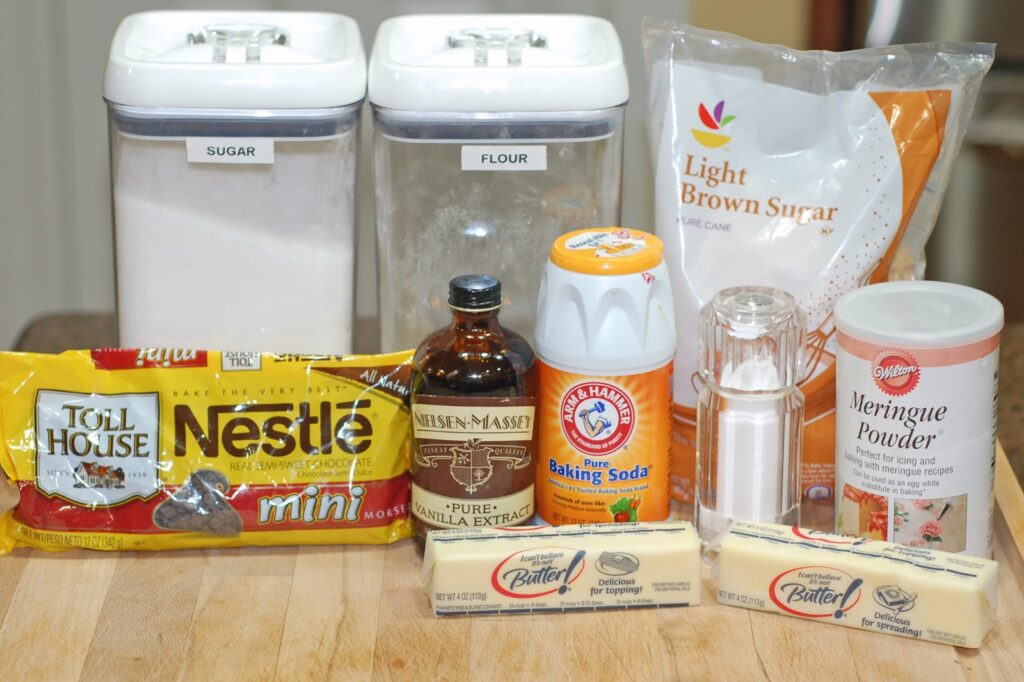
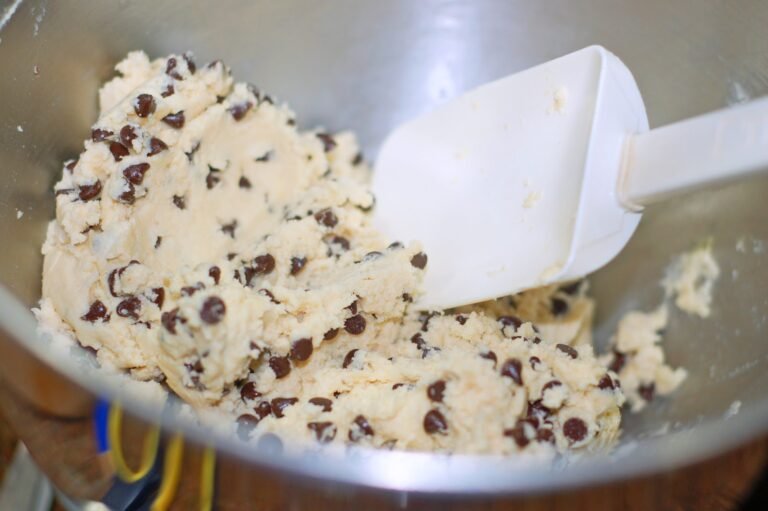
I’d rather show you how to make these truffles. They are really not difficult to make. If you can make a cake pop, then you can make these. The cookie dough recipe is from the My Little Cupcake Pop Blog. You can find it here. I did use the suggestions to add less brown sugar and as my egg replacer, I used Wilton’s Meringue Powder, 2 tsp. Meringue powder + 2 Tbsp. Water = 1 Egg White.

The consistency of the dough is perfect for molding and the taste..well, let’s just say you may be a few bunnies short in the end after multiple quality control tastings.
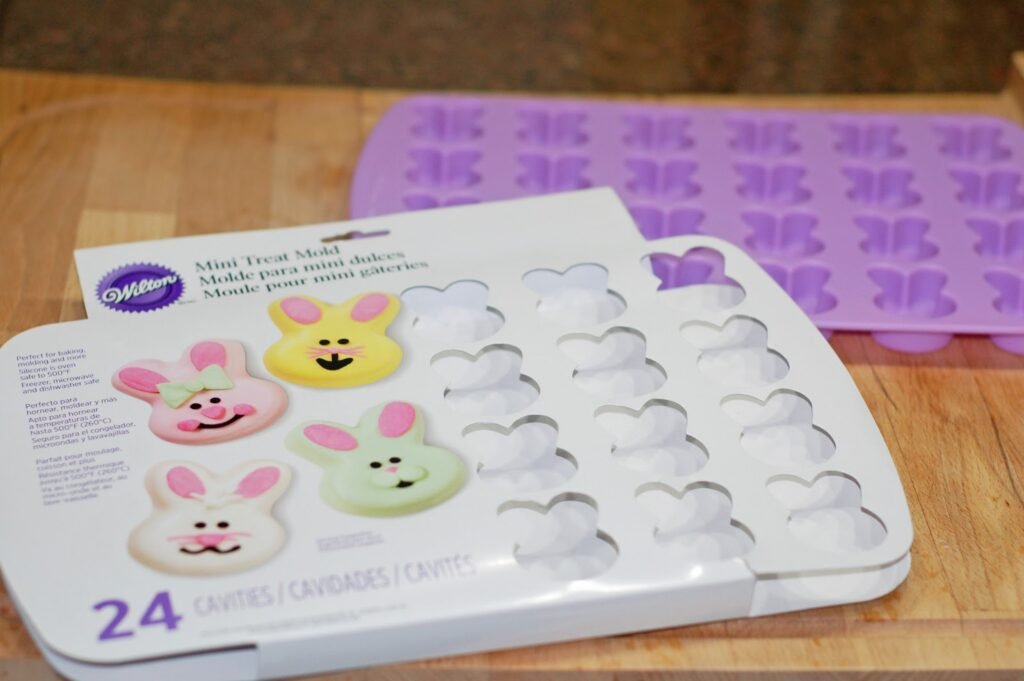
The last time I made these truffles I used the My Little Cupcake POP heart shaped mold for Valentine’s Day. This time I wanted to do an Easter theme and I came across this Wilton’s silicone treat mold. It looked like it could work.
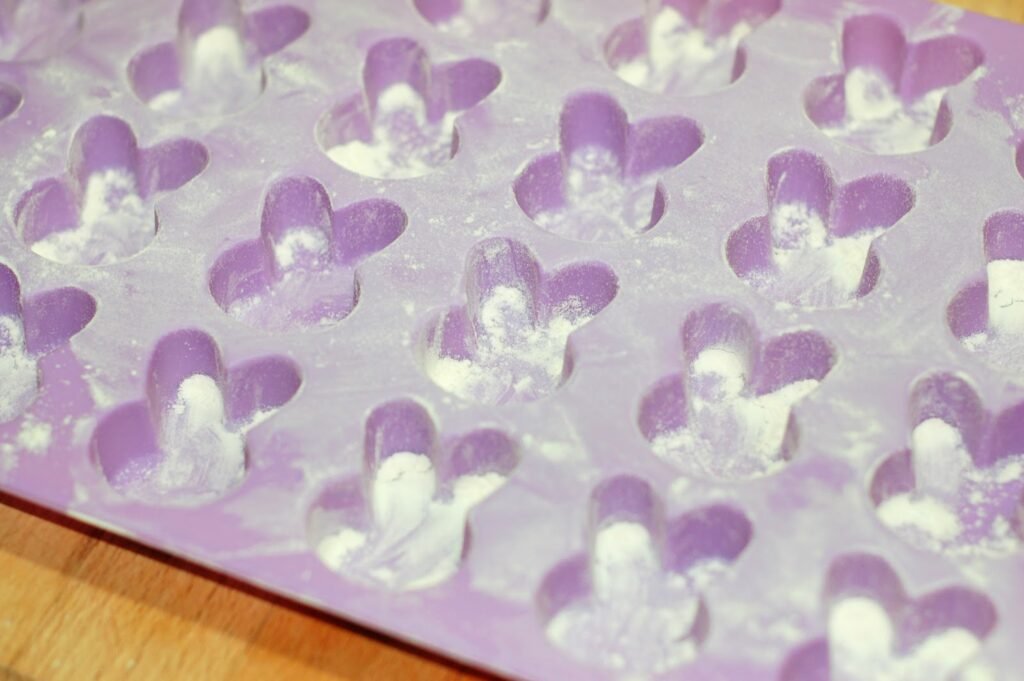
I dusted the mold with some flour, then dump out the excess. And filled the cavities with the cookie dough.

I pressed down, so the cookie dough would be compact and removed any excess dough so that the it was flush with the mold.

Then I popped the mold in the freezer for a half hour. Next I gently turned the mold over and pressed out the bunny truffles. It worked like a charm. Then I put them in an airtight container and returned them to the freezer.
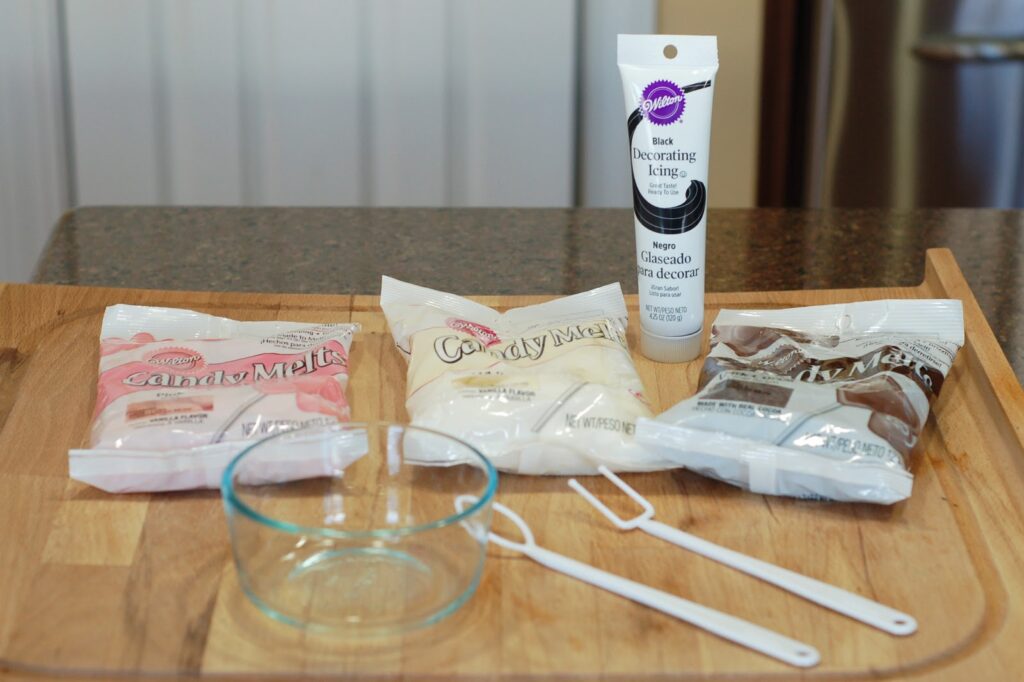
To dip and decorate, I used Wilton’s pink, white, and dark chocolate candy melt; black decorating icing; and Wilton’s candy dipping tools. Just dip, swirl, pull out, and tap off the excess candy melt, then place on wax paper until it sets. It does take some practice, but you have 24 tries to get it right. Actually, I ended up with 30 bunny truffles from this recipe. Note: You do want to keep them in the freezer until you are ready to dip them in the candy melt. I found that they didn’t break apart that way.
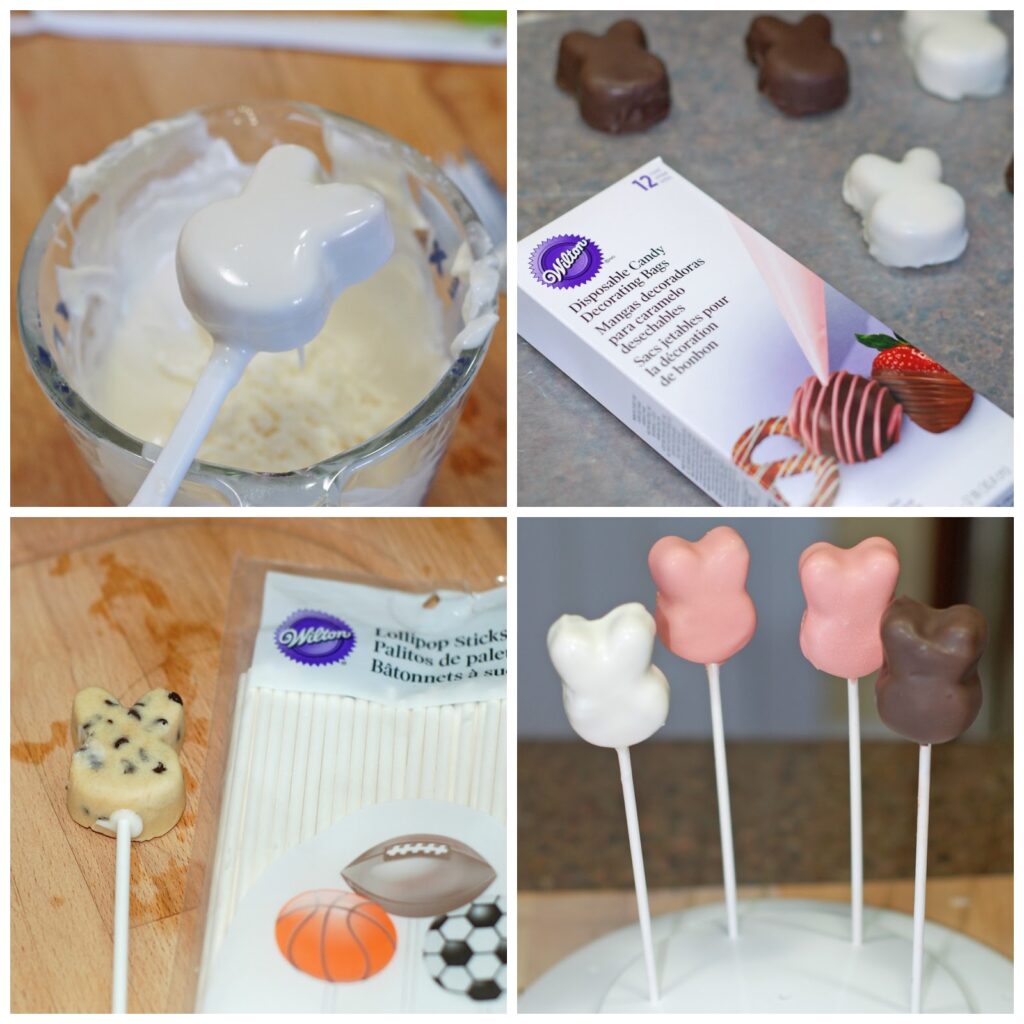
I made some as just truffles, but if you are adventurous you can make bunny pops. Just dip a lollipop stick in candy melt, then insert it into the bottom of the bunny shape and let harden. Then dip and decorate. I used Wilton’s Disposable Candy decorating bags to add the candy melt cheeks and the insides of the ear. I squeezed some of the black icing into one of the bags to pipe the eyes and mouth.

I found all my Wilton products at the craft store, Joann’s or Micheals. So hop on over and get your stuff today to make these cute little treats in time for Easter. You can make the bunny shaped dough ahead of time and keep them in the freezer until you are ready to decorate them. Also, once finished, you can keep them in the fridge or in an airtight container since there is no real egg involved.
Related Posts


Subscribe for New Racipies
Get mental health tips, updates, and resources delivered to your inbox.