
Is Goat Milk Acidic? Goat Milk and Acid Reflux

Medically reviewed by Aneeza Pervez Updated Date: January 2, 2026

Goat milk has been a popular alternative to cow’s milk for centuries due to its unique nutritional properties and easier digestibility. However, for individuals struggling with acid reflux or looking to balance their body’s pH levels, a common question arises: is goat milk acidic or alkaline? This article explores the pH properties of goat milk, its relationship with acid reflux, and whether it is a suitable choice for those seeking relief from acidity.
Understanding Acidity and Alkalinity in Foods
What Determines a Food’s Acidity or Alkalinity?
The pH scale, ranging from 0 to 14, measures the acidity or alkalinity of substances. Foods with a pH below 7 are considered acidic, while those above 7 are alkaline. A neutral pH is 7. However, the way foods affect the body’s internal pH (known as their metabolic impact) can differ from their natural pH.
Importance of a Balanced pH in the Body
Maintaining a balanced pH is essential for optimal health. The human body is naturally slightly alkaline, with a blood pH of around 7.4. Overconsumption of acidic foods can lead to inflammation, digestive discomfort, and an increased risk of chronic diseases.
How Acid-Forming Foods Impact Acid Reflux?
Acid-forming foods, like coffee, processed sugars, and fried items, can exacerbate acid reflux symptoms by increasing stomach acid production. Choosing alkaline or neutral foods can help mitigate reflux symptoms and improve digestive health.
Author Tip: 7-Day Meal Plan For Gastritis
Is Goat Milk Acidic or Alkaline?
Natural pH of Goat Milk
Fresh goat milk has a slightly acidic to neutral pH, typically ranging from 6.4 to 6.7. While this technically classifies it as mildly acidic, it is less acidic than cow’s milk, making it a gentler option for sensitive stomachs.
Metabolic Effect of Goat Milk on the Body
Despite its slightly acidic pH, goat milk has an alkalizing effect on the body after digestion. This is because it contains alkaline minerals like calcium, magnesium, and potassium, which help neutralize acidity in the digestive system.
Does Goat Milk Trigger Acid Reflux?
For most people, goat milk is unlikely to trigger acid reflux. Its smaller fat globules and lower lactose content compared to cow’s milk make it easier to digest. Additionally, its high protein and nutrient density help soothe the digestive tract rather than irritate it.
Benefits of Goat Milk for Acid Reflux
Gentle on the Digestive System
According to research, goat milk is naturally easier to digest due to its casein profile, which forms a softer curd in the stomach. This reduces the likelihood of triggering reflux symptoms, especially in individuals who are lactose-sensitive or have trouble digesting cow’s milk.
High in Alkaline Minerals
The calcium, magnesium, and potassium in goat milk not only support bone health but also help neutralize stomach acid, reducing irritation in the esophagus.
Anti-Inflammatory Properties
Goat milk contains oligosaccharides, which have anti-inflammatory effects on the gut lining. This is particularly beneficial for individuals with GERD (gastroesophageal reflux disease) or other inflammatory digestive conditions.
Comparing Goat Milk to Cow Milk for Acid Reflux
Differences in Digestibility
Goat milk has smaller fat globules and a lower lactose content than cow’s milk, making it less likely to cause bloating or stomach discomfort. Its proteins are also less allergenic, further reducing the chances of acid reflux.
Fat Content and Acid Reflux
High-fat foods can trigger acid reflux by relaxing the lower esophageal sphincter (LES), which allows stomach acid to flow back into the esophagus. Goat milk has a lower fat content compared to whole cow’s milk, making it a safer choice for reflux sufferers.
Alkalizing Effect
While both goat milk and cow milk have a similar pH, goat milk’s alkaline-forming minerals make it more beneficial for maintaining a balanced internal pH and reducing reflux symptoms.
How to Incorporate Goat Milk into a Reflux-Friendly Diet?
Use Goat Milk in Beverages
Swap cow’s milk with goat milk in your morning coffee, tea, or smoothies. Its creamy texture and mild flavor make it a versatile choice without adding excess acidity.
Cooking with Goat Milk
Use goat milk in soups, sauces, or baked dishes. For reflux sufferers, avoid pairing it with acidic ingredients like tomatoes or citrus.
Goat Milk Yogurt and Cheese
Fermented goat milk products like yogurt and cheese can be beneficial for acid reflux sufferers. These foods contain probiotics, which support gut health and may reduce reflux symptoms.
Author Tip: 7 Kinds of Foods to Avoid with GERD
Other Alkaline Dairy Alternatives
If goat milk isn’t an option, consider other dairy and non-dairy alternatives that are reflux-friendly and alkaline-forming:
- Almond Milk: A highly alkaline option, almond milk is low in fat and easy to digest.
- Oat Milk: Neutral in pH and gentle on the stomach, oat milk is a great alternative for those avoiding dairy.
- Coconut Milk: While slightly higher in fat, coconut milk is alkaline-forming and works well in moderation.
Common Misconceptions About Goat Milk and Acidity
Does Goat Milk Cause Acidity?
No, goat milk is unlikely to cause acidity due to its easier digestibility and alkalizing minerals. However, individual tolerance may vary.
Is Goat Milk Suitable for Everyone?
While goat milk is generally well-tolerated, people with severe lactose intolerance or dairy allergies should consult a healthcare provider before consuming it.
Can Goat Milk Be Consumed Raw?
Raw goat milk retains all its nutrients but carries a higher risk of contamination. For acid reflux sufferers, pasteurized goat milk is a safer choice.
Final Thoughts on Goat Milk and Acid Reflux
Goat milk, with its mild acidity and alkalizing properties, is an excellent choice for individuals looking to manage acid reflux or maintain a balanced diet. Its digestibility, nutrient content, and soothing effects on the digestive system make it a superior alternative to cow’s milk. Whether consumed as a beverage, in recipes, or as yogurt, goat milk can provide relief and support overall digestive health.
FAQs
- Is goat milk acidic?
Goat milk is slightly acidic in its natural state but has an alkalizing effect on the body after digestion. - Does goat milk help with acid reflux?
Yes, goat milk can help reduce acid reflux symptoms due to its easy digestibility and alkaline-forming minerals. - Is goat milk better than cow milk for reflux?
Yes, goat milk is generally better tolerated and less likely to trigger reflux compared to cow’s milk. - What are other alkaline dairy alternatives?
Almond milk, oat milk, and coconut milk are excellent alkaline alternatives to goat milk. - Can I drink goat milk daily?
Yes, goat milk can be consumed daily as part of a balanced diet, but moderation is key for individuals with lactose sensitivity.
Related Posts






Subscribe for New Racipies
Get mental health tips, updates, and resources delivered to your inbox.
Cranberry Ginger Scones

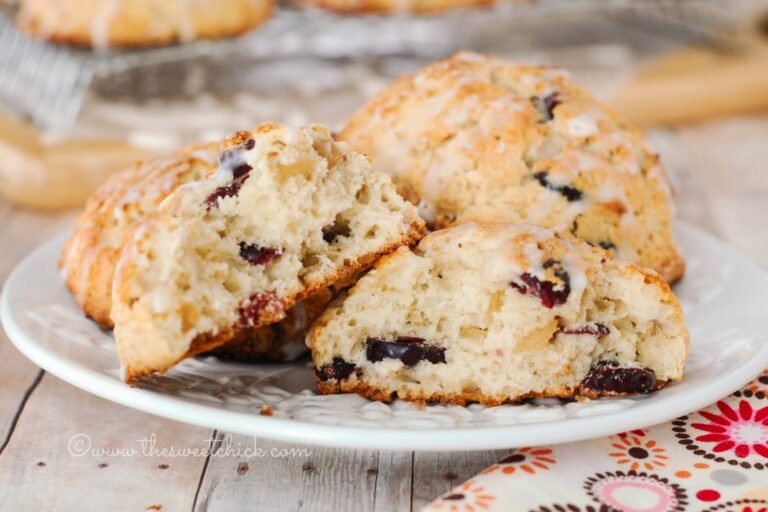

I was so upset this morning when my donut recipe failed. I had to make something to cheer myself up. Scones are so easy to make, they seemed like a reasonable solution. I scoured the pantry for what to put in them. I have made a variety of scones in the past, Maple Bacon Scones, Lemon Cranberry Scones, Biscoff Chocolate Chip Scones, Mini Maple Strawberry Chocolate Chip Scones, Dulce de Leche Stuffed Scones, etc. The flavor combinations are endless.
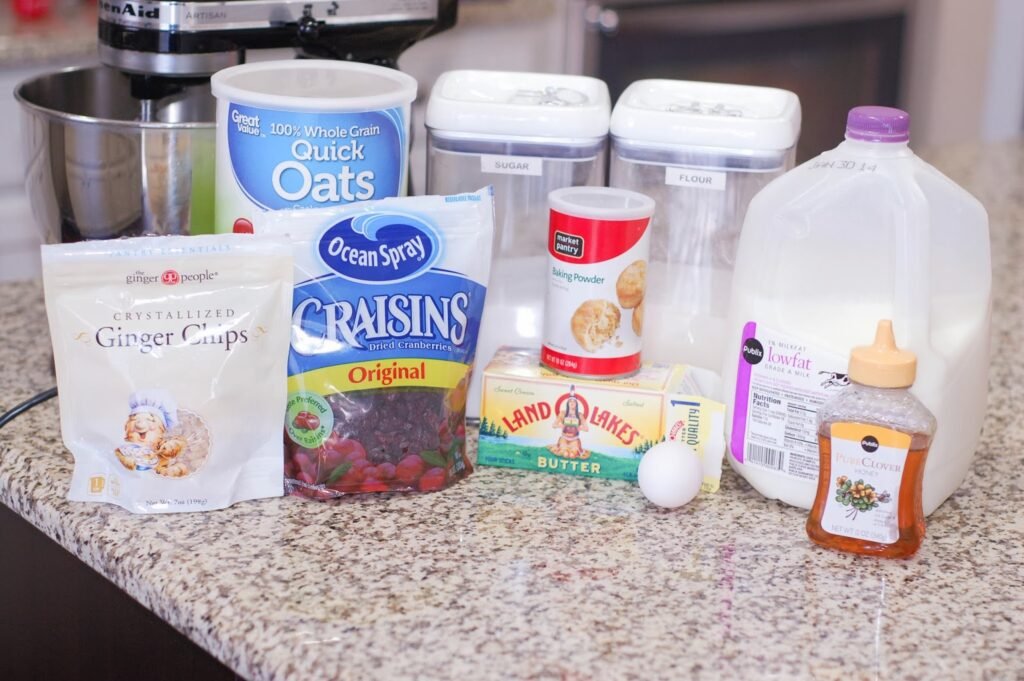
I had some leftover crystallized ginger chips that I used in my Pumpkin Gingerbread Cupcakes. These chips have a little bit of sweetness and a lot of ginger sassiness. They add so much flavor to baked goods. I have never mixed ginger and cranberry before, but I like to take risks. I also added some honey for extra sweetness. For a little texture, I threw in some quick oats.
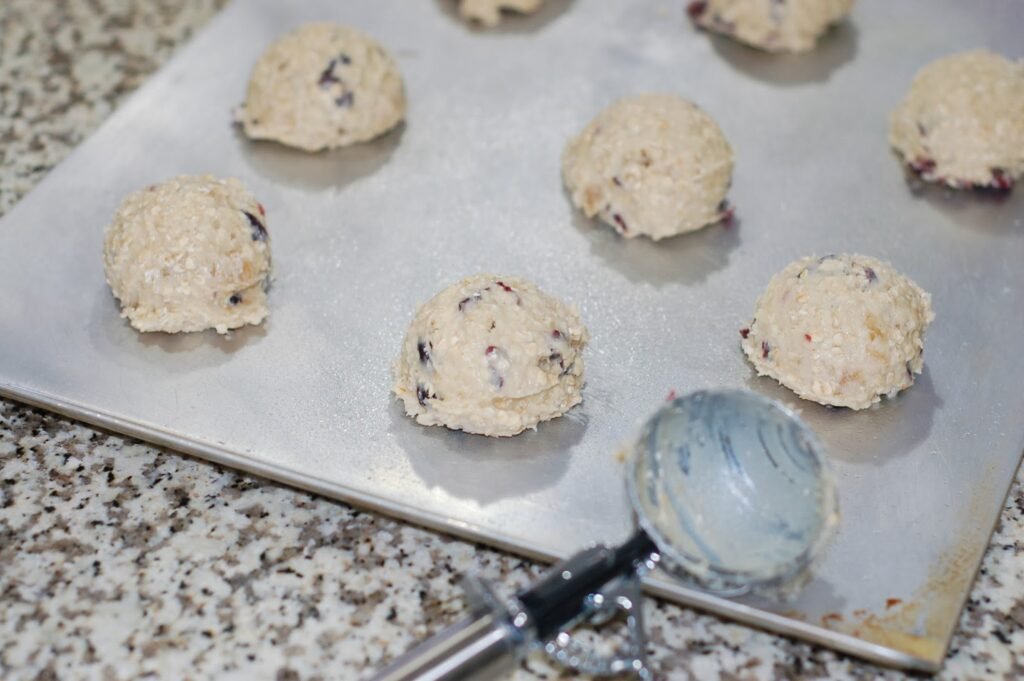
Sometimes I roll out the dough to make triangles, but today I was already frustrated, so I kept it simple. I grabbed the biggest scoop I had and just placed the scoops onto a cookie sheet.
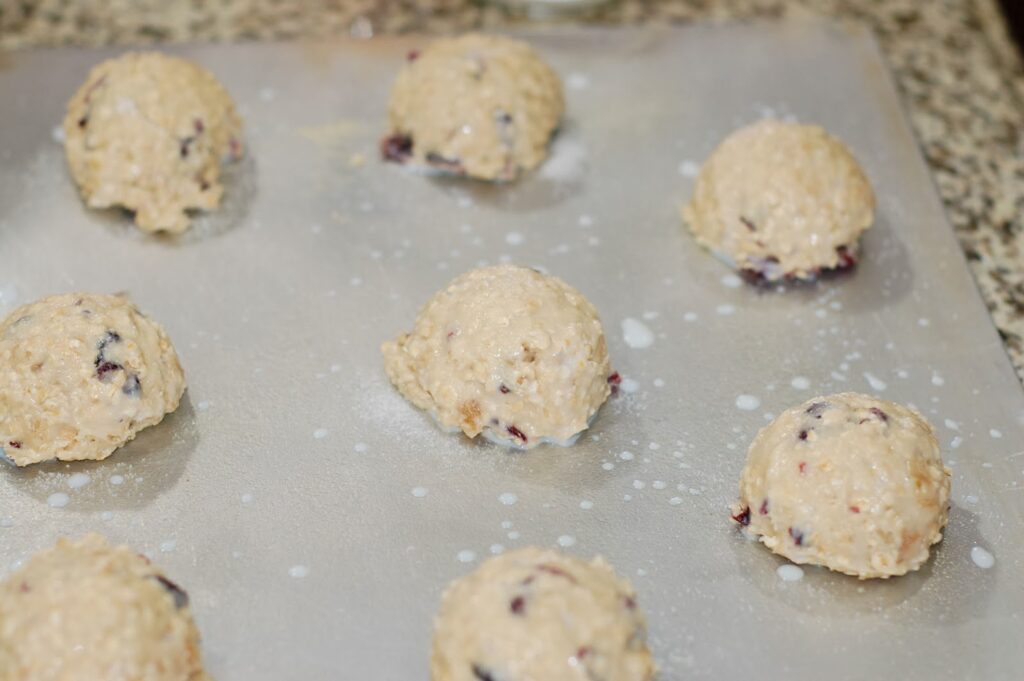
I wanted to add a little sugar coating to these, so I brushed the dough with milk and sprinkled them generously with sugar.

These scones came out looking perfect. The were a nice golden color. (Be careful not to burn yourself on the hot sugar.) I love the way they cracked. You can see all the nooks and crannies. I couldn’t wait to try one.

But I had to add just one more thing. A little bit of glaze. I didn’t want a heavy glaze, just a drizzle to finish off these beauties.
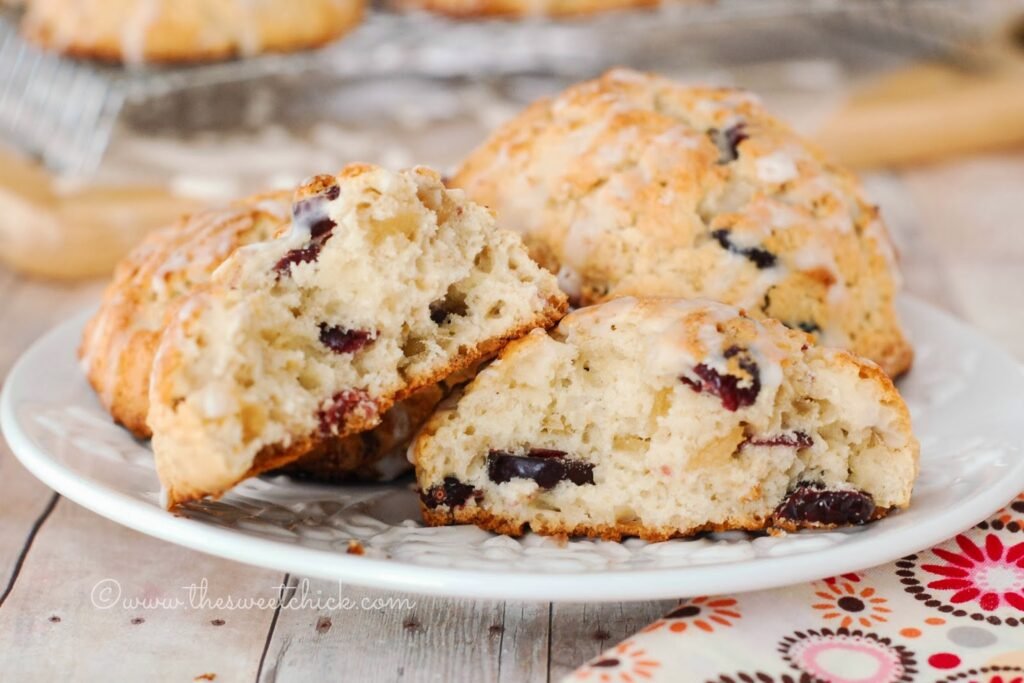
I love how the outside is a little crispy from the sugar, but the inside is soft and fluffy. The ginger and cranberry DO taste amazing together. And the honey was the perfect choice for that added sweetness and it doesn’t compete with the other flavors. I am definitely using honey again in my scones.

These Cranberry Ginger Scones just made my day. I can now forget about my dry donuts that stuck to the pan and took forever to clean. I am going to go dip my scone in my coffee now and think happy thoughts!
Cranberry Ginger Scones
by The Sweet Chick
Prep Time: 10-15 minutes
Cook Time: 13-15 minutes
Keywords: bake breakfast dessert snack cranberries quick oats ginger chips honey scones American
Ingredients (12 scones)
For the scones
- 2 cups flour
- 1/3 cup sugar
- 2 teaspoons baking powder
- 1 cup quick oats
- 1/2 cup dried sweetened cranberries
- 1/2 cup crystallized ginger chips
- 6 tablespoons cold butter
- 1/2 cup milk
- 1 egg
- 1/3 cup honey
For the topping
- 2 tablespoons milk
- 1-2 teaspoons sugar
For the glaze
- 1 cup powdered sugar
- 3 tablespoons milk
- 1/2 teaspoon vanilla extract
Instructions
For the scones
Preheat oven to 425° F.
In a stand mixer, mix flour, sugar, baking powder, oats, cranberries, and ginger chips.
Cut up butter and add to flour mixture, mixing on low speed for 1 minute.
In a small bowl mix egg and milk until blended and add to the flour mixture.
Then add honey and mix on low speed until fully incorporated. The batter will be a dough like consistency.
With a large scoop, place dough onto a greased cookie sheet. Do not flatten.
For the topping
Brush the tops and sides of each scone with milk and sprinkle with about 1/4 teaspoon or less of sugar.
Bake for 13-15 minutes or until toothpick inserted in middle comes out clean.
Remove from oven and carefully place scones on cooling rack with wax paper underneath. (Scones will be extra hot due to the sugar.)
For the glaze
In a small bowl whisk together powdered sugar, milk, and vanilla until smooth.
Using the whisk, drizzle the scones with as much or as little glaze as you prefer.
You can wait for the glaze to set or go ahead and eat one!
Related Posts





Subscribe for New Racipies
Get mental health tips, updates, and resources delivered to your inbox.