
Yotam Ottolenghi’s Soba with Eggplant and Mango

Medically reviewed by Christiana George Updated Date: June 8, 2023
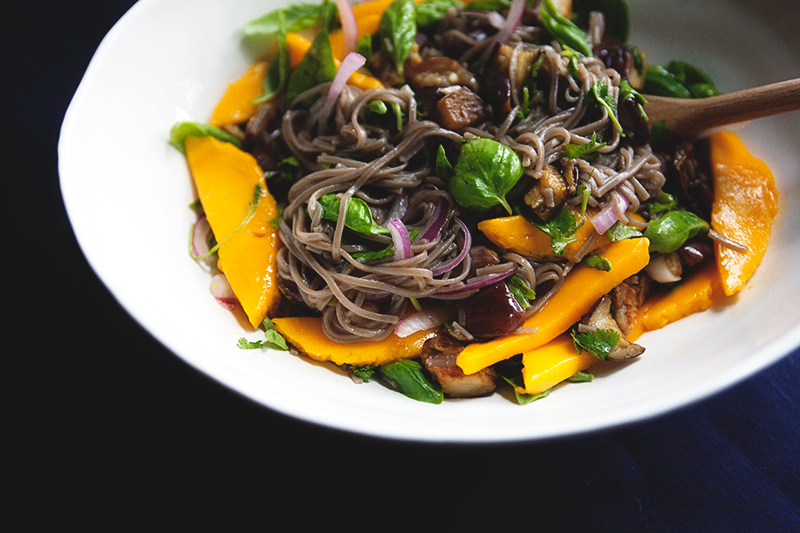
On lazy evenings, when dinner is only an afterthought, my parents like to steam eggplant until it’s soft. Until it became a soggy pulp, it always seemed to me, whose eggplant taste had been diluted to the point of extinction. Needless to say, growing up, I dreaded the sight of the bamboo steamer. (Actually, that’s not true at all. I love the steamer. It’s my favorite kitchen “utensil” because it makes possible the steaming of pork buns and sticky rice and eggs. But the steamer figured largely in bland suppers, so I was ambivalent.)
Alternatively, my dad, who is very forthcoming with oil, took great joy in frying eggplant up in the wok “yu xiang” style. That roughly translates to “fish-flavored,” a name that always mystified me because there is nothing fishy about the flavor. He would pour a nice deep layer of oil in the wok, turn the heat up high, and, when the oil was bubbling and snapping, hungry-fish-like, toss all the ingredients in, quick, stirring vigorously and with enough fervor so that everything cooked perfectly. The eggplant blistered and melted into succulent bites, all made possible by the oil. “The only thing eggplant is good for is soaking up oil,” my mom would say in disgust. She refused to eat this dish.
Because it’s true—these strange cylindrical bulbs—which originated from India apparently—certainly do require a lot of oil to cook up nice and soft.
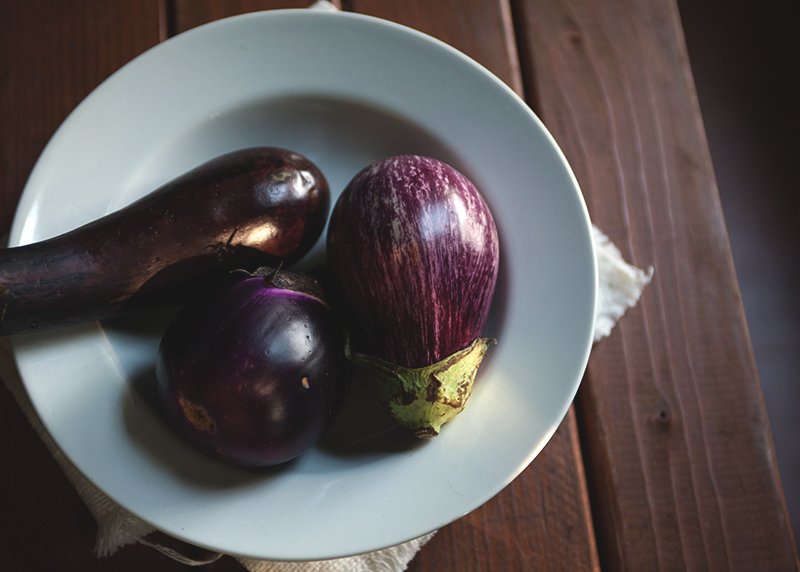
I haven’t really touched eggplant since I left home. And it isn’t because I don’t love the deeply satisfying “fish-flavored eggplant.” I do. My mom, however, has infected me with a fear of oil. Oh, I shouldn’t point my finger at my mom. It’s not as if society as a whole doesn’t possess a deep phobia of oils and fats. We do. I do. But for the sake of delicious food, I think I can set aside that fear for special cases. Like eggplants.

In this recipe, Yotam Ottolenghi has you fry eggplant in what I consider a huge amount of oil. But what it turns out is soft, silky, and almost meaty; it revived my love for eggplant. I guess oil just has a way with it, by buttering it, caress after caress, and drawing out its flavor. Soft succulent morsels emerge from the bath.
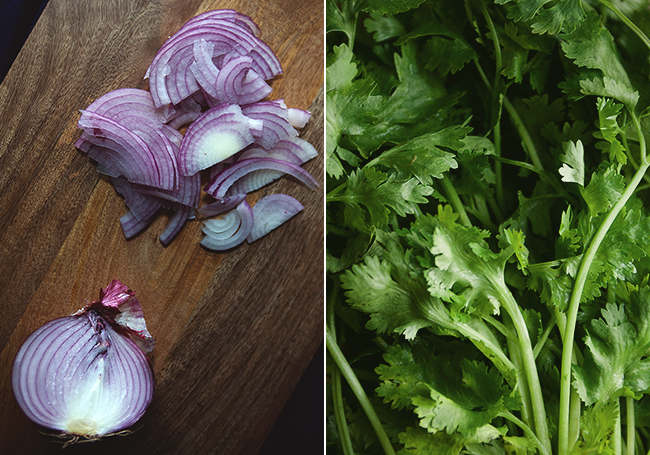
Of course, deep-fried eggplant on its own is only deep-fried eggplant. Though admittedly delicious, it needs a little dressing up, something to balance out its heavy, concentrated texture and taste. And so, in his measured way, Ottolenghi sets it against cool, nutty soba noodles, a spicy, tangy sauce, cilantro, basil, and ripe mango. Imagine that! A mango, soft and sweet. It was an unlikely match, one I doubted more than once while slicing my mango, its fragrant juices, redolent of the intoxicating and exotic, running down my hands. But the matchmaker ultimately proved his unfailing craft. And I found myself wanting more eggplant.

SOBA NOODLES WITH EGGPLANT AND MANGO
From Plenty, by Yotam Ottolenghi, via Serious Eats
Serves 6
Ingredients:
1/2 cup rice vinegar
3 tablespoons sugar
1/2 teaspoon salt
2 garlic cloves, crushed
1/2 fresh red chile, finely chopped
1 teaspoon toasted sesame oil
Grated zest and juice of 1 lime
1 cup sunflower oil
2 eggplants, cut into 3/4-inch dice
8 to 9 ounces soba noodles
1 large ripe mango, cut into 3/8-inch dice or into 1/4-inch-thick strips
1 2/3 cup basil leaves
2-1/2 cups cilantro leaves, chopped
1/2 red onion, very thinly sliced
Directions:
In a small saucepan gently warm the vinegar, sugar and salt for up to 1 minute, just until the sugar dissolves. Remove from the heat and add the garlic, chile, and sesame oil. Allow to cool, then add the lime zest and juice.
Heat up the oil in a large pan and shallow-fry the eggplant in three or four batches. Once golden brown remove to a colander, sprinkle liberally with salt and leave there to drain.
Cook the noodles in plenty of water, stirring occasionally. Drain and rinse well under running cold water. Shake off as much of the excess water as possible, then leave to dry on a dish towel.
In a mixing bowl toss the noodles with the dressing, mango, eggplant, half of the herbs and the onion. You can now leave this aside for 1 to 2 hours. When ready to serve add the rest of the herbs and mix well, then pile on a plate or in a bowl.
Related Posts

Subscribe for New Racipies
Get mental health tips, updates, and resources delivered to your inbox.
Are Potatoes Acidic? Explore Their Safety for Acid Reflux Sufferers

Potatoes are a staple in cuisines worldwide, valued for their versatility and nutritional benefits. But for individuals who experience digestive issues, a common question arises: are potatoes acidic?
Understanding the acidity of potatoes and their impact on acid reflux can help you make better dietary choices. Whether you’re dealing with heartburn or gastroesophageal reflux disease (GERD), this guide will explore whether potatoes are safe for those managing acid reflux and provide insights into incorporating them into a reflux-friendly diet.
In this article, we’ll discuss the acidity of potatoes, their nutritional composition, and their compatibility with an acid reflux diet. We’ll also explore the best ways to prepare potatoes to minimize digestive discomfort and share alternative foods for those with severe sensitivities.
By the end, you’ll have a clear understanding of whether potatoes should be a part of your acid reflux management plan.
Are Potatoes Acidic or Alkaline?
Potatoes, despite their mild flavor, are considered slightly alkaline rather than acidic. This is primarily due to their low pH value, which generally ranges between 5.4 and 5.9, depending on the variety and preparation method.
Nutritional Composition of Potatoes
Potatoes are nutrient-dense and provide essential vitamins and minerals:
| Nutrient | Amount per 100g | Health Benefit |
| Vitamin C | 19.7 mg | Boosts immunity and skin health |
| Potassium | 425 mg | Helps regulate blood pressure |
| Vitamin B6 | 0.3 mg | Supports brain health |
| Dietary Fiber | 2.2 g | Promotes digestive health |
Potatoes also contain compounds like solanine and chaconine, which are alkaloids that may irritate the digestive tract if consumed in excess. However, these levels are generally low and safe when potatoes are cooked properly.
Why Potatoes Are Safe for Acid Reflux?
- Alkaline Properties: Potatoes are naturally alkaline-forming, which can help neutralize stomach acid and reduce symptoms of acid reflux.
- Complex Carbohydrates: These provide a steady source of energy and are gentle on the stomach, making them suitable for individuals with GERD.
- Low Fat Content: Fatty foods are known to trigger reflux, but potatoes are naturally low in fat, making them a safe option.
Related to Read: Are Sweet Potatoes Acidic?
How to Prepare Potatoes for Acid Reflux Relief?
The way potatoes are prepared can influence their impact on your digestive system. Certain cooking methods can make potatoes more reflux-friendly:
1. Boiling or Steaming
- Why It Works: These methods retain the potato’s natural alkalinity and make it easy to digest.
- Tips: Add mild seasonings like parsley or dill instead of acidic sauces or butter.
2. Baking
- Why It Works: Baked potatoes are soft, low-fat, and easy on the stomach.
- Tips: Avoid adding sour cream or spicy toppings, which may trigger reflux.
3. Avoid Frying
- Why It Doesn’t Work: Fried potatoes, such as French fries or chips, are high in fat and may worsen acid reflux symptoms.
Author Tip: 7-Day Meal Plan For Gastritis
Are Potatoes Safe for Acid Reflux?
Health and food experts suggest that potatoes can be a safe and soothing food for those with acid reflux when prepared appropriately. Their alkaline nature makes them an excellent choice for neutralizing stomach acid. However, individuals should avoid heavily processed or fried potato dishes that are high in fat or contain acidic additives.
Here’s a quick comparison of potato preparations and their effects on acid reflux
| Preparation Method | Impact on Acid Reflux |
| Boiled | Safe and soothing |
| Steamed | Gentle on the stomach |
| Baked | Suitable when minimally topped |
| Fried | May worsen symptoms |
Other Alkaline Foods to Complement Potatoes
If you’re managing acid reflux, pairing potatoes with other alkaline foods can further reduce symptoms. Some examples include:
| Food | Why It Helps? |
| Bananas | Naturally soothing to the stomach |
| Oatmeal | High in fiber, reduces acid |
| Leafy Greens | Alkaline and nutrient-rich |
| Almonds | A healthy, reflux-friendly snack |
Related to Read: Are Bananas Acidic?
FAQs About Potatoes and Acidity
Do potatoes cause acidity?
No, potatoes do not cause acidity. In fact, they are alkaline-forming and can help neutralize stomach acid. However, heavily processed or fried potato dishes may irritate the stomach.
Are potatoes high in acid?
Potatoes are not high in acid. They have a low pH range and are classified as alkaline-forming foods.
Are eggs acidic?
Eggs are mildly acidic, with a pH of about 6.0 to 6.5. However, they are generally well-tolerated by most people and can be included in an acid reflux-friendly diet when prepared without added fats or spices.
What food is high in acid to avoid?
Foods high in acid that may trigger acid reflux include:
- Citrus Fruits: Oranges, lemons, and grapefruits.
- Tomatoes: Including sauces and juices.
- Carbonated Beverages: Sodas and sparkling water.
- Processed Meats: Such as sausages and salami.
Conclusion: Are Potatoes Good for Acid Reflux?
Potatoes are naturally alkaline-forming and can be a safe and effective food choice for individuals managing acid reflux. When prepared using gentle methods like boiling, steaming, or baking, they provide essential nutrients without triggering digestive discomfort.
Pairing potatoes with other reflux-friendly foods can further enhance their benefits. By making smart dietary choices, you can enjoy delicious meals while keeping acid reflux at bay.
Related Posts



Subscribe for New Racipies
Get mental health tips, updates, and resources delivered to your inbox.