Chocolate Peanut Butter Chip Cookies

Medically reviewed by Christiana George Updated Date: June 8, 2023
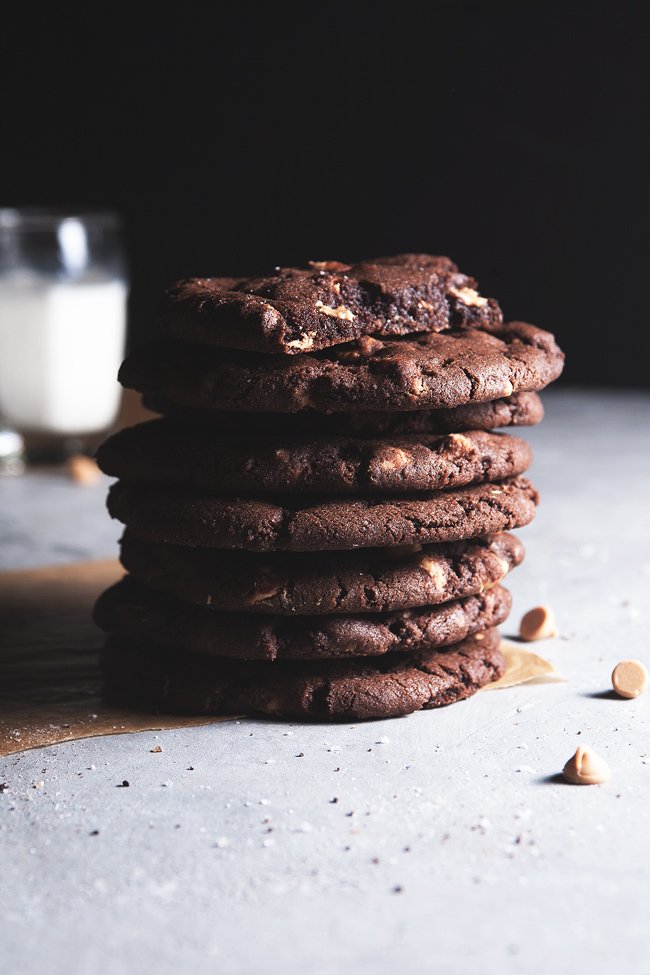
Chocolate Peanut Butter Chips Cookies

The Year of the Snake, true to its nature, slithered in stealthily. Since I’ve been so busy lately, it almost caught me unaware, but I did manage to prepare a dinner on Sunday night comprised of four, that’s right, FOUR Chinese dishes to eat alongside rice. That’s a record for me. (I couldn’t have done it without help, of course.) (Thanks Chris.) (Afterwards, he and I reclined on the couch and watched Joy Luck Club, a fact I’m slightly embarrassed to admit, but I ended up being moved anyway. Sigh.)

Moving forward, Valentine’s Day is on Thursday! What?! When did mid-February creep up on us? The problem with the month is that it’s way too short, so that my birthday at the beginning of March always seems to strike suddenly and without notice. Yup. It’s official. Time speeds up the older you get.

Let’s not talk about this upcoming birthday anymore—I don’t want to be reminded that I’m careening through my late-20’s like a human cannonball. Instead, let’s shift the conversation over to cookies, chocolate cookies to be exact. (FYI: chocolate is an aphrodisiac, hint hint.)
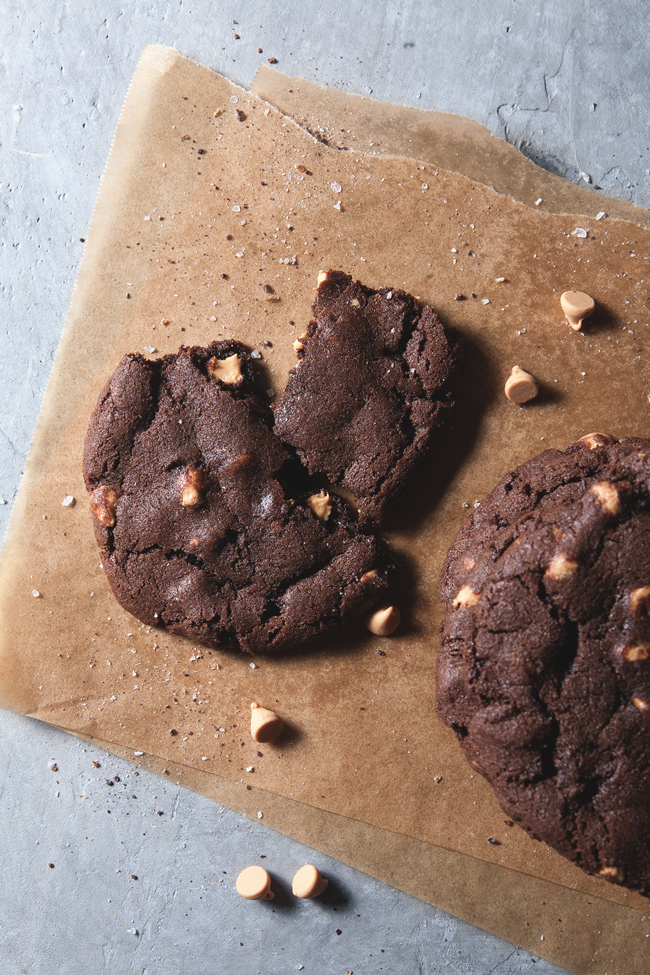


Today’s recipe came to me courtesy of Carey, who blogged about these beauties not three weeks ago. She got the recipe from the Blue Bottle Coffee recipe book, which should be enough reason for you to make these, immediately.

If you do, however, use peanut butter chips like I did, the cookie’s name changes entirely. It can no longer technically be called Blue Bottle’s double chocolate cookie—maybe I’ll call it Blue Bottle’s Reese’s peanut butter cups cookies instead? But its nature remains very much the same—it’s a dense chocolatey cookie, crackly and chewy both at the same time. I love how the coarse salt punctuates the dough, like exclamation points in otherwise seductive prose. And did I mention that peanut butter is an aphrodisiac? Don’t quote me on that.

I will certainly have to make the official recipe soon, but for my Valentine, peanut butter chips are the way to go

CHOCOLATE PEANUT BUTTER CHIP COOKIES

Makes 8 four-inch cookies

From The Blue Bottle Craft of Coffee via Reclaiming Provincial

Ingredients:

  • 1 cup of all-purpose flour
  • 1/3 cup of natural cocoa powder (not Dutch-process)
  • 1/2 tsp baking soda
  • 5 Tbsp unsalted butter, room temperature
  • 1 cup of sugar
  • 1 tsp high-quality coarse salt (coarse is key)
  • 1 egg, room temperature
  • 1 Tbsp vanilla extract
  • 2/3 cup peanut butter chips

Directions:

Sift together flour, cocoa powder, and baking soda into a medium bowl.


In the bowl of your stand mixer, beat the butter on low until smooth, around 1–2 minutes. Add the sugar and salt and beat on low until well-combined. Scrape down the bowl, then beat at medium speed until the mixture becomes lighter in color and the texture becomes fluffier, around 5–6 minutes.

In another bowl, combine the eggs and vanilla extract and whisk vigorously until well blended. As soon as the vanilla hits the egg, begin whisking immediately. Most vanilla extracts are made with an alcohol base, and will curdle the egg if left to sit.

Slowly add the egg mixture in a steady stream to the bowl containing the butter, beating on medium speed until well-incorporated and very smooth, around 30 seconds. Scrape down the sides of the bowl and then mix on medium speed for another 30 seconds.

Scrape down sides of bowl, then add the flour mixture. Mix on low speed until uniform in texture. Scrape down the bowl again, then add the chopped chocolate. Mix on low speed until the color is a uniform brown and no streaks of white remain.

Using a rubber spatula, scrape the dough onto a piece of plastic wrap. Shape the dough into a rough disk, wrap tightly and refrigerate at least 3 hours and up to 5 days.

Preheat your oven to 350°. Line your baking sheet with parchment paper or a silicone mat. Roll 1/4 cup portions of the dough into balls and place them on the baking sheet, spacing them at least 2 inches apart. Bake 11–12 minutes, until the cookies are slightly firm to the touch and the surface is no longer glossy, rotating the pan midway through the baking time. Let the cookies cool on the pan for 10 minutes before transferring to a cooling rack.


Subscribe for New Racipies

Get mental health tips, updates, and resources delivered to your inbox.

Does Pepsi Zero Have Caffeine? (Exact Amount, Ingredients & Safety Guide)

Dr. Aris Thorne
does pepsi zero have caffeine

In my daily clinical practice, I constantly talk to patients about their daily beverage habits and overall nutrition, often addressing common questions like Are Burgers Healthy. Many people sit in my office complaining about afternoon jitters or sudden, unexplained sleep disruptions.

First of all, they usually blame their morning coffee or daily stress levels. However, when we dig deeper into their afternoon hydration habits, dark diet sodas often emerge as the hidden culprit.

Almost every single week, a patient asks me, does pepsi zero have caffeine? They genuinely believe that because a drink lacks sugar and calories, it must be completely free of all active stimulants as well. Consequently, they comfortably drink multiple cans late into the evening while watching television.


Today, I want to completely clear up this massive, common dietary misconception. We are going to break down the exact clinical numbers, analyze the core chemical ingredients, and explore how this popular diet beverage actually impacts your central nervous system.

TL;DR: Quick Overview

  • Yes, this specific sugar-free beverage contains a surprisingly robust dose of active stimulants.
  • A standard twelve-ounce can delivers roughly 69 milligrams directly to your system.
  • This amount is nearly double the level found in traditional diet cola options.
  • The manufacturer formulates it specifically with aspartame and acesulfame potassium for sweetness.
  • It contains absolutely zero calories and zero grams of sugar.
  • Most healthy adults can safely consume this within standard FDA daily medical limits.

Analyzing the Stimulant Levels in This Zero-Sugar Cola

Many patients assume that pulling the sugar out of a commercial beverage makes it entirely inert. Furthermore, they falsely believe that the word zero implies zero active ingredients across the board. However, this is a dangerous metabolic assumption that I correct daily in my clinic.

Yes, this specific black can contains a surprisingly high amount of active neuro-stimulants. The manufacturer specifically designed and engineered it to deliver a sharp, noticeable energy boost. A standard twelve-ounce can contains approximately 69 milligrams of this highly stimulating compound.

Most people are completely shocked by this specific, elevated number. Consequently, they finally realize why they have been struggling to fall asleep naturally at night. If you upgrade to a standard twenty-ounce plastic bottle from a local gas station, the total number jumps drastically. You are suddenly consuming roughly 115 milligrams in one single, fast sitting.

Therefore, this is absolutely not a mild, relaxing evening beverage choice, unlike a comforting bowl of Oatmeal Soup. It is aggressively formulated to wake up your central nervous system and keep you highly alert. I frequently see busy patients who drink three or four of these throughout their demanding workday. As a result, they unknowingly ingest well over 200 to 300 milligrams of powerful stimulants.

This chronic daily chemical load heavily taxes their delicate adrenal glands and disrupts their natural circadian rhythms. For comprehensive clinical context, we classify anything above 50 milligrams per standard serving as moderately high for a commercial soda. The parent company intentionally boosted these specific levels to compete directly with modern energy drinks.

In addition, the sharp, bitter bite of the chemical stimulant perfectly masks the artificial aftertaste of the sweeteners. Therefore, you are drinking a highly engineered, aggressively stimulating food product. It is absolutely crucial to read the subtle print on your daily nutritional labels.


I always meticulously instruct my patients to calculate their total daily liquid stimulant intake. If you are extremely sensitive to neuro-stimulants, this specific zero-calorie option might completely derail your nightly rest.

Direct Comparison: Zero Sugar vs. Traditional Diet Options

Patients often confuse different product lines from the exact same beverage manufacturer. They frequently ask me why they feel much more anxious drinking the zero-sugar version compared to the older diet version. The clinical answer lies strictly in the exact chemical formulation.

Soda Variation (12 oz)Approximate Stimulant Content
Zero Sugar Version~69 mg
Traditional Diet Version~35 mg

As you can clearly see, the modern zero version contains almost double the active ingredients. The company specifically targets a demographic looking for a stronger, more intense energy lift. Therefore, swapping your traditional diet cola for this newer option will drastically increase your daily intake.

Morning Brew vs. Modern Soda Stimulant Levels

Morning Brew vs Modern Soda Stimulant Levels

To truly understand your daily intake, we must establish a clear, reliable baseline. In my medical practice, I always use standard black coffee as the ultimate reference point.

Beverage TypeApproximate Amount
Zero Sugar Cola (12 oz)~69 mg
Brewed Black Coffee (8 oz)~95 mg

Consequently, this specific soda is still notably weaker than a standard cup of home-brewed coffee. However, people generally drink cold sodas much faster than hot coffee. Furthermore, they often consume them in much larger twenty-ounce or thirty-two-ounce volumes. Thus, the total overall chemical load can quickly surpass a morning coffee habit or a breakfast Fruit Yogurt Shake.

Deep Dive into the Ingredient Profile

When food manufacturers remove heavy fructose corn syrup, they must replace it with something else to maintain the sweet flavor. Therefore, we must closely examine the complex artificial sweetener profile of this beverage. I always review food labels with my patients because chemical literacy is absolutely essential for long-term health.

The primary sweetening agent utilized in this specific black can is aspartame. Aspartame is currently one of the most widely researched food additives in global nutritional history. It provides an intensely sweet flavor profile without adding any actual carbohydrate calories to your daily diet.

However, some highly sensitive patients report mild gastrointestinal discomfort or tension headaches after consuming massive amounts. While the FDA officially categorizes it as generally recognized as safe, human bio-individuality always matters. In addition to aspartame, this beverage heavily utilizes a secondary chemical called acesulfame potassium, often abbreviated clinically as Ace-K.


Food scientists intentionally blend these two distinct chemicals together for a very specific, strategic reason. The chemical combination effectively neutralizes the harsh, bitter metallic aftertaste that single artificial sweeteners often leave behind. Consequently, it creates a much smoother flavor profile that mimics real dietary sugar much more closely.

Many curious patients frequently ask me if this specific drink contains sucralose, another incredibly popular zero-calorie sweetener. In the standard United States market, the baseline formulation does not typically utilize any sucralose. However, commercial beverage formulas do shift occasionally based on global supply chains and regional taste preferences.

Therefore, you must always double-check the back of the plastic bottle if you possess a specific chemical allergy. From a purely clinical perspective, these zero-calorie chemicals absolutely do not spike your blood glucose levels. Furthermore, they do not trigger a massive, dangerous insulin release from your pancreas.

Thus, they are often somewhat helpful transition tools for diabetic patients desperately trying to eliminate heavy, sugary sodas. Nevertheless, recent clinical data suggests that chronic, daily consumption of artificial sweetness might confuse your brain’s natural satiety centers. As a result, some people actually crave more carbohydrate-heavy junk foods or sweet treats like a Candy Grapes Recipe later in the afternoon.

Ultimately, moderation remains the absolute golden rule in preventative, holistic medicine. Drinking one single can will certainly not destroy your metabolic health or ruin your strict diet plan, which might include a wholesome Baked Stuffed Chicken Breast Recipe. Yet, replacing your daily water intake completely with artificially sweetened, highly caffeinated liquids is a terrible long-term health strategy.

Nutritional Breakdown and Caloric Value

Tracking macronutrients is a fundamental part of managing human weight and systemic inflammation, similar to choosing healthy snacks like Kale Chips. Many people strictly choose this specific beverage because it aligns perfectly with fasting protocols or ketogenic diets. Let us look at the exact nutritional facts for a standard twelve-ounce serving.

Core NutrientExact Amount
Total Calories0
Total Sugar0 g
Total Carbohydrates0 g
Active Stimulants~69 mg

Because it utilizes advanced artificial sweeteners, it technically delivers absolutely zero usable energy to your cellular mitochondria. Therefore, it will not officially break a standard metabolic fast regarding caloric intake. However, the high stimulant load will absolutely trigger mild cortisol and adrenaline responses in your bloodstream.

International Variations and Caffeine-Free Alternatives

International Variations and Caffeine-Free Alternatives

Beverage formulations are rarely identical across global borders due to strict international health regulations. Many patients who travel to Europe notice that their favorite diet sodas taste slightly different. Furthermore, European food agencies sometimes restrict maximum stimulant levels in commercial soft drinks.

Therefore, the exact milligram count might be slightly lower if you purchase this beverage in London or Paris. Additionally, many patients desperately want the exact flavor profile without the accompanying jitters or sleep disruption. The company does manufacture a highly specific Zero Sugar Zero Caffeine variation in certain regional markets.


However, you must read the gold or white labeling incredibly carefully. The standard black can or bottle absolutely always contains the heavy 69-milligram stimulant dose.

Clinical Safety and Health Considerations

As a physician, my primary concern is always preventing chronic disease and ensuring daily patient safety. The human body can tolerate a reasonable amount of daily neuro-stimulants without suffering permanent physiological damage. The FDA strictly recommends that healthy adults consume no more than 400 milligrams of this compound per day.

Therefore, drinking one single can represents approximately 17 percent of your safe, maximum daily limit. This is completely manageable for a healthy individual with a robust cardiovascular system. However, pediatric safety limits are drastically lower and require extreme parental vigilance.

Medical guidelines strictly state that growing teenagers should never exceed 100 milligrams per day. Consequently, just one large twenty-ounce bottle easily pushes a teenager well past their safe neurological limit. When patients chronically exceed these medical boundaries, they inevitably present with severe, uncomfortable physical symptoms.

I frequently treat patients complaining of unexplained generalized anxiety, sudden heart palpitations, and profound clinical insomnia.

Furthermore, the combination of heavy artificial sweeteners and strong stimulants can deeply aggravate underlying gastrointestinal conditions. If you suffer from chronic acid reflux or irritable bowel syndrome, you might need a 7 Day Meal Plan for Gastritis, and this specific beverage will likely trigger severe symptom flare-ups.

Mechanism of Action: How Stimulants Affect Your Brain

Understanding cellular biology helps patients make much more empowered choices regarding their daily nutrition. Let us look at exactly what happens inside your nervous system when you drink this heavily formulated beverage. The active stimulant rapidly crosses your highly protective blood-brain barrier within mere minutes of gastric digestion.

Once inside your brain tissue, the chemical specifically targets and physically blocks your cellular adenosine receptors.

Adenosine is the natural, internal chemical that makes you feel progressively tired and sleepy as your day advances. Because the neuro-receptor is suddenly blocked, your brain instantly feels artificially awake and highly alert.


Furthermore, this aggressive cellular blockade triggers a secondary, mild release of adrenaline and dopamine into your bloodstream. This distinct chemical cascade creates the elevated mood and sharp focus that consumers constantly chase.

However, once the chemical finally metabolizes and leaves the receptor, the accumulated adenosine floods your system. Consequently, you experience the classic, sudden afternoon energy crash, leaving you reaching for a revitalizing Blueberry Yum Yum Smoothie.

Frequently Asked Questions

Exactly how much of the active compound is in a standard can?

A standard twelve-ounce serving contains approximately 69 milligrams of the active stimulating compound. This amount provides a highly noticeable energy boost without exceeding the daily recommended limits for most healthy adults. If you are carefully tracking your daily intake, it is important to factor this specific dosage into your overall consumption of stimulants.

Is this specific zero-calorie beverage completely free of stimulants?

No, the standard black-label version absolutely contains a moderately high dose of active neuro-stimulants. It is explicitly formulated with extra caffeine to provide a much sharper flavor profile and enhanced physical energy. If you require a completely stimulant-free option, you must specifically seek out the manufacturer’s dedicated decaffeinated varieties.

How much of the stimulant is in a large twenty-ounce bottle?

A larger twenty-ounce plastic bottle holds roughly 115 milligrams, which is a very significant clinical dose. Consuming this entire amount in a single sitting delivers a rapid, powerful energy surge that may negatively affect sensitive individuals. You should carefully monitor your intake if you plan to drink this larger size late in the afternoon or evening to avoid sleep disruption.

Does the older diet version of this cola contain the same amount?

No, the traditional diet version is notably weaker, containing only about 35 milligrams per standard can. This makes the older formulation a much milder, safer choice for patients who are highly sensitive to neuro-stimulants. It provides a very subtle, gentle lift rather than the intense, rapid energy rush found in the newer zero-sugar variation.

Does the current formulation utilize aspartame for its sweet flavor?

Yes, the manufacturer heavily relies on a specific chemical blend of aspartame and acesulfame potassium to create the zero-calorie sweetness. This precise combination is engineered to perfectly mimic the exact taste profile of traditional sugar without adding any actual carbohydrates. While universally deemed medically safe by regulatory agencies, some individuals still prefer to avoid these specific synthetic sweeteners due to personal dietary preferences.

Conclusion

Navigating the complex modern grocery store can be incredibly confusing when you are actively trying to optimize your health. Beverage companies frequently use clever, minimalist marketing terms that easily mislead the average busy consumer.

As a healthcare professional, I strongly believe that total nutritional transparency is your best defense against metabolic dysfunction. Understanding precisely what you pour into your body every single day is the absolute foundation of preventative medicine.

We have thoroughly established the exact chemical profile of this incredibly popular diet soda. It absolutely provides a potent, highly engineered energy boost that rivals a weak cup of morning coffee.


Furthermore, its reliance on complex artificial sweeteners allows it to maintain a strict zero-calorie profile. While it might effectively satisfy your afternoon sweet tooth without spiking your blood glucose, it is not harmless water.

Consuming multiple large bottles will quickly push you toward your maximum safe daily stimulant threshold. If you regularly struggle with generalized anxiety, rapid heart rates, or chronic nighttime insomnia, you must aggressively audit your dietary intake.

Simply eliminating these heavily caffeinated diet sodas often cures mild sleep disorders entirely. I always advise my clinic patients to prioritize pure, filtered water for their baseline hydration needs. I sincerely hope this detailed medical breakdown clearly answers your pressing question regarding does pepsi zero have caffeine.

Evidence-Based References:


Subscribe for New Racipies

Get mental health tips, updates, and resources delivered to your inbox.