
Is Coleslaw Acidic? Understanding Coleslaw and Acid Reflux

Medically reviewed by Aneeza Pervez Updated Date: May 13, 2026
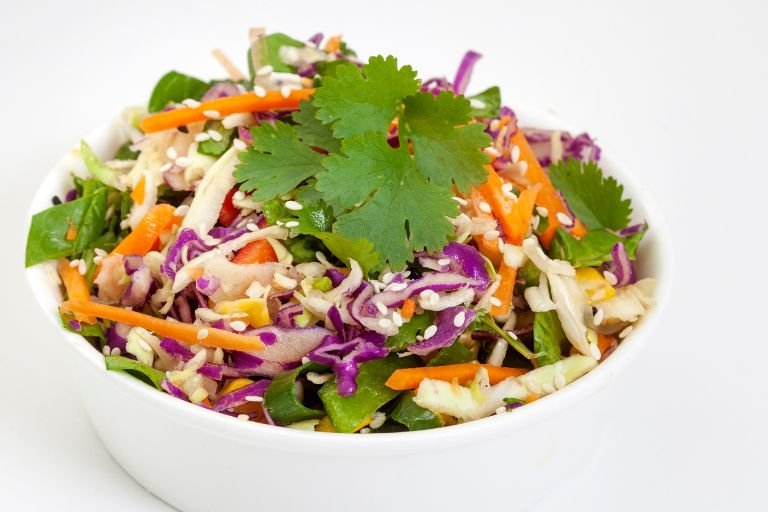
Coleslaw is a beloved side dish often served at picnics, barbeques, and family gatherings. Known for its crunch and flavor, it pairs well with many main dishes. But have you ever wondered, is coleslaw acidic?
The acidic nature of coleslaw comes from its ingredients, especially vinegar-based or creamy dressings. This can be a concern for people with acid reflux, as acidic foods often trigger symptoms. Acid reflux sufferers must be mindful of their diet, and knowing how certain foods impact their condition is key to avoiding discomfort.
Can coleslaw fit into an acid-reflux-friendly diet, or should it be avoided altogether? Let’s explore its acidity, its effects on acid reflux, and some helpful alternatives.
Is Coleslaw Acidic?
Understanding Acidity in Coleslaw
Coleslaw is considered moderately acidic. The dressing is the main contributor to its acidity. Many traditional recipes use vinegar, a highly acidic ingredient, to give coleslaw its tangy flavor. Vinegar has a low pH, which increases the dish’s overall acidity.
Creamy coleslaw made with mayonnaise is slightly less acidic but still contains acidic components like lemon juice or vinegar. Even sugar-added versions can have acidic undertones, as sugar interacts with other ingredients during preparation.
Does Preparation Affect Acidity?
Yes, how coleslaw is prepared greatly influences its acidity. Homemade coleslaw gives you control over the ingredients. You can choose to reduce or omit vinegar and substitute less acidic options, such as yogurt-based dressings.
Store-bought coleslaw, on the other hand, often contains preservatives and additional acids to extend shelf life, making it potentially more acidic. Reading labels and selecting low-acid versions can help.
Coleslaw and Acid Reflux: Is It Okay?
How Coleslaw Impacts Acid Reflux
Acid reflux occurs when stomach acid flows back into the esophagus, causing discomfort or heartburn. Foods with high acidity, like vinegar, can irritate the esophagus and worsen symptoms. Additionally, the high-fat content in creamy coleslaw dressings may relax the lower esophageal sphincter (LES), making reflux more likely.
Can You Eat Coleslaw with Acid Reflux?
For some individuals, coleslaw may be safe in moderation, especially if prepared with reflux-friendly ingredients. However, traditional recipes with tangy dressings and raw cabbage might trigger symptoms. Acid reflux sufferers should opt for lighter, less acidic versions and avoid large portions.
Trigger Ingredients in Coleslaw
- Vinegar: A common trigger due to its strong acidity.
- Mayonnaise: High-fat content can slow digestion and relax the LES.
- Raw Cabbage: While nutritious, it can cause bloating and gas, exacerbating reflux.
Choosing low-fat and low-acid ingredients can make coleslaw more tolerable.
Cabbage and Acid Reflux: What to Know
Is Cabbage Safe for Acid Reflux?
Cabbage, the main ingredient in coleslaw, has mixed effects on acid reflux. While it’s packed with vitamins and fiber, raw cabbage can be hard to digest for some people. This can lead to bloating or gas, which may worsen reflux symptoms.
Raw vs. Cooked Cabbage
Raw cabbage, commonly used in coleslaw, is more likely to cause digestive discomfort. Cooking cabbage softens its fibers, making it easier to digest and less likely to trigger reflux. For acid reflux sufferers, cooked cabbage is often a better choice.
What About Purple Cabbage?
Purple cabbage has similar benefits and drawbacks as green cabbage. Its higher antioxidant content makes it a healthy choice, but its raw form may still cause gas and bloating. Cooking purple cabbage can reduce its effects on reflux.
Is Raw Cabbage Good for Acid Reflux?
Raw cabbage isn’t ideal for everyone with acid reflux. While it offers nutrients, its tough fibers and gas-producing compounds can aggravate symptoms. If you love cabbage, try smaller portions or cooked preparations.
Can Coleslaw Upset Your Stomach?
Potential Stomach Triggers in Coleslaw
Coleslaw can upset the stomach in sensitive individuals due to its ingredients:
- Dairy (in creamy dressings): May cause indigestion or discomfort for those with lactose intolerance.
- Fats (from mayonnaise): Slow digestion, leading to bloating or reflux.
- Vinegar: Strongly acidic, potentially irritating the stomach lining.
Sensitivity to Raw Vegetables
Raw vegetables, including cabbage, are harder to break down in the digestive system. They can cause bloating, gas, and discomfort, especially for people with irritable bowel syndrome (IBS) or acid reflux. Lightly steaming or sautéing the cabbage can reduce these effects.
If coleslaw frequently causes discomfort, consider experimenting with ingredients to find a balance that works for your stomach.
What Kind of Salad Is Good for Acid Reflux?
Low-Acid Salad Options
For individuals with acid reflux, salads made with low-acid and easy-to-digest ingredients are ideal. Here are some options:
- Cucumber Salad: A refreshing, low-acid choice with minimal seasoning. Use olive oil and herbs for flavor.
- Spinach and Avocado Salad: Spinach is mild and soothing, while avocado provides healthy fats without triggering reflux.
- Quinoa Salad with Roasted Vegetables: Incorporates cooked ingredients, which are easier on the stomach.
Author Tip: Paul Steindler’s Cabbage Soup
Tips for Acid-Reflux-Friendly Salads
- Choose Low-Acid Dressings: Use olive oil, yogurt, or tahini as a base instead of vinegar or citrus.
- Avoid High-Fat Additions: Skip heavy cheeses or creamy dressings.
- Add Soothing Ingredients: Include ginger, chamomile, or fennel for digestive comfort.
By making thoughtful choices, you can enjoy salads without worrying about reflux symptoms.
FAQs
1. Is coleslaw okay for acid reflux?
It depends on the recipe. Vinegar-heavy and high-fat versions may trigger reflux, but lighter, low-acid options can be more suitable.
2. What type of cabbage is best for acid reflux?
Cooked cabbage is easier to digest and less likely to cause reflux symptoms compared to raw cabbage.
3. How can I make coleslaw less acidic?
Replace vinegar with yogurt or olive oil in the dressing. Use a small amount of lemon juice for flavor without overloading on acid.
4. Are there alternatives to coleslaw for acid reflux sufferers?
Yes, salads like cucumber, spinach, or quinoa-based dishes are excellent low-acid options.
5. Can I eat mayonnaise with acid reflux?
In small amounts, low-fat mayonnaise may be tolerable. Avoid high-fat versions to reduce the risk of triggering symptoms.
Conclusion
Coleslaw’s acidity and potential to trigger acid reflux depend largely on its ingredients and preparation. Traditional recipes with vinegar and mayonnaise may not be suitable for everyone, but there are ways to adapt coleslaw for sensitive stomachs. Using low-acid and low-fat alternatives can make it a safer choice.
If coleslaw doesn’t work for you, consider exploring low-acid salad options that are just as delicious. Understanding how different foods affect your acid reflux can empower you to make better dietary decisions. Small adjustments can lead to big improvements in managing symptoms and enjoying meals without discomfort.
Related Posts



Subscribe for New Racipies
Get mental health tips, updates, and resources delivered to your inbox.
Black Sesame Bread

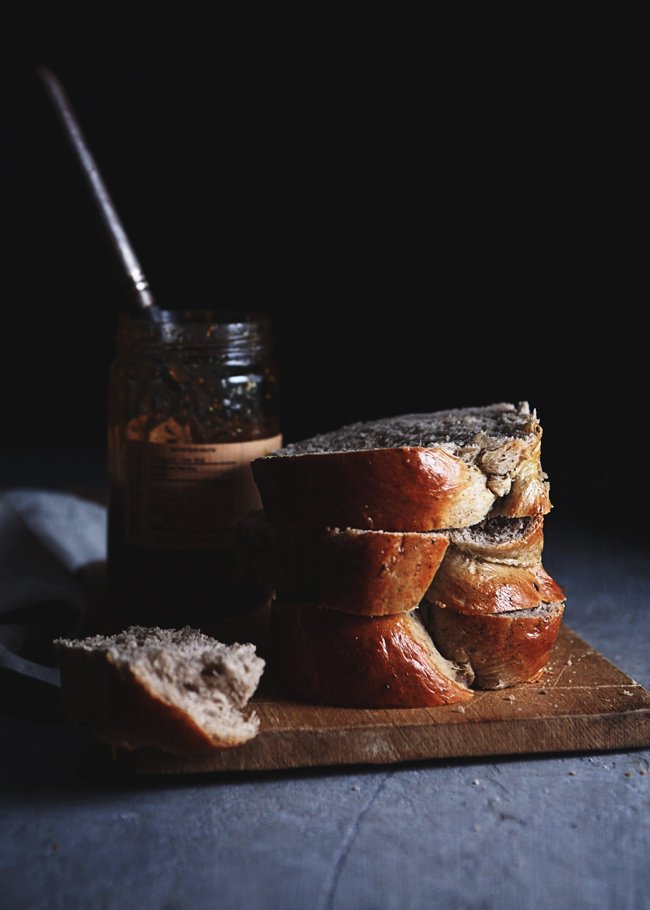
Guys, I’ve been meaning announce this for almost two weeks now: my blog just celebrated its first anniversary! For the occasion, I’d actually made a cake, four layers of chocolate wedged with peanut butter mousse in between, but it turned out to be an absolute dud, so I made another one. Again, I was not impressed. While third time’s usually the charm, I’d lost patience with cake-making (which happened to coincide perfectly with the fact that the weather started heating up) so I gave up and racked my brain for other ways to commemorate the occasion.
…And then two weeks passed.
Whoops. But the fact still remains the same: this blog is now over a year old. Whoa.
Thinking back on last summer, I still remember how hellish it felt at times with the combination of the weather and the oven/stove on and the lack of air conditioner/ventilation and our tight living quarters, but those are memories I prefer to repress most of the time because they’re painful to think back on. I guess I was just a woman possessed, taken over with such a fervor towards my new pasttime that all hardships could be ignored, or at least, soothed over with the discovery of how beautifully food could be photographed. In short, I’d never felt so passionate about anything in my life. I was completely smitten.
A year later, and that enthusiasm has settled to more manageable levels. From my perspective now, I prefer this more balanced lifestyle—hell, I finally have time to hang out with friends and get out into the city more, which is totally healthy, right? It seems unimaginable now to willingly choose that boot camp all over again. But it was pretty crucial, those months, kind of like nursing a young one past infancy (in a small, small way). I’m still in love, but it’s a more sustainable kind of love, one that’s not going to take over my life or burn me (literally).
I wanted to tell you how thankful I am for this little web space of mine, and all the wonderful people I’ve met over the year and had the chance to work with. I’ve also really appreciated all the kind comments I’ve received. You’ve all been tremendously encouraging. Thank you. I can’t wait to see where I am a year from now.
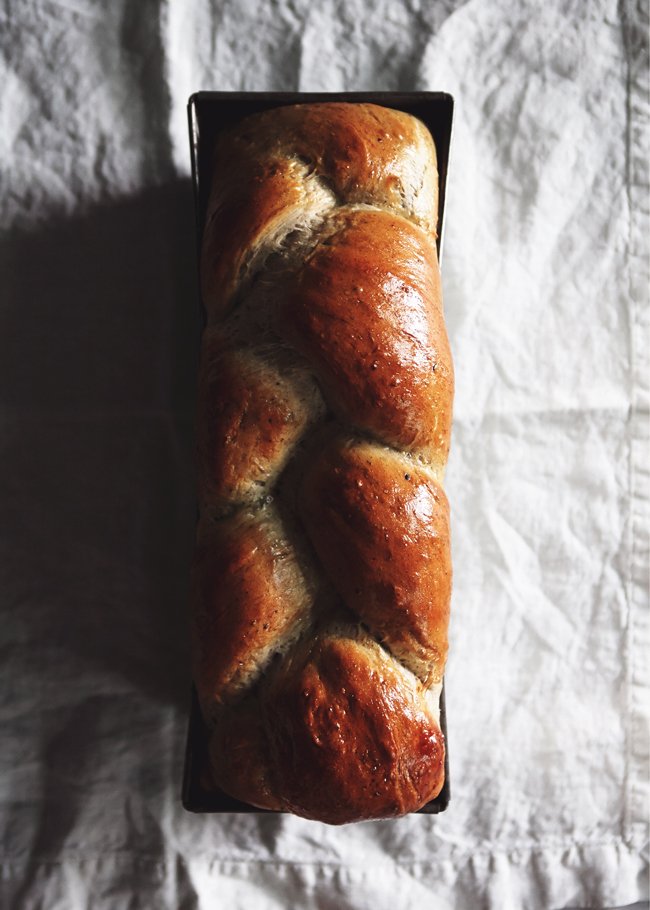
Now let’s talk about this bread. Have you ever heard of the tangzhong method? I ate a lot of Chinese bakery bread growing up, and all the rolls and loaves we bought, a), always gave off a really distinctive smell I couldn’t explain, and b), were always soft, moist, and incredibly tender, and pulled apart in silky, glutinous strands. You could basically gorge on the stuff because it was light and fluffy and completely addicting.
The tangzhong method produces that kind of bread. What? You want me to explain? Okay, basically, you make a paste, called the tangzhong, that consists of water and flour that’s been heated over a stove until the flour does its thickening thing and turns the whole mixture pudding-like. This is because the flour has trapped the moisture from the water (I imagine amoeboid action going on here), thereby producing the moistness and softness and all the aforementioned attributes I described. It’s pretty scientific, isn’t it? But seemingly foolproof, and so much easier than I’d imagined.
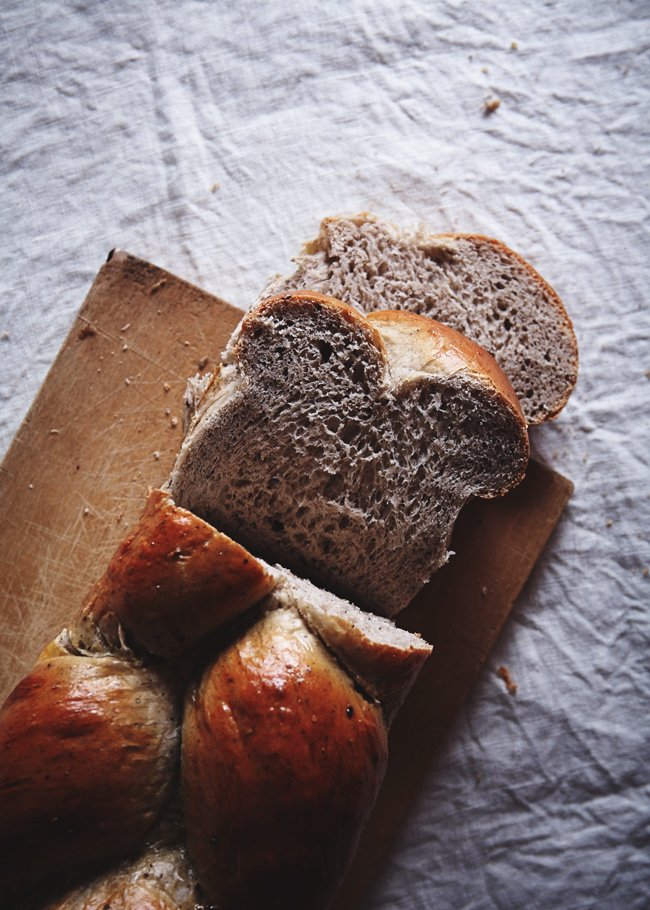
I finally got around to trying this method, and the results were amazing. The first thing I noticed when I took the loaf out of the oven was how, well, distinct it smelled, like I’d somehow bottled the Chinese bakery scent and unleashed it in my kitchen. That alone, funnily enough, would’ve made the whole experience worth it. But the loaf itself was beautiful, all glazed and golden brown, and springing with gluten-y goodness. And when I finally cut it open, what appeared were the silky, sticky strands (not an oxymoron) and effervescent pockets of air. The bread was colored a purplish-gray due to the black sesame seeds, and it was lovely.
Finally, I got around to tasting the stuff, and yes yes yes, it was soft and tender and delicious, and Chris and I and his dad (his parents are visiting this week) somehow managed to eat almost the entire loaf over the weekend. All in all, I’d reproduced Chinese bakery bread at home!
If you can’t tell, I haven’t felt this exhilarated in awhile. Actually, scratch that, last last week’s homemade farfalle made me feel the same way. There’s just something about making from scratch things you would normally buy, like marshmallows, cheese, ice cream, and preserved lemons (although I have yet to use them, oops), that I find most rewarding.
One year ago: (I’ve really been looking forward to doing this!) Quinoa with corn, mint, and scallions
BLACK SESAME BREAD
Adapted from many sources, including The Fresh Loaf and Maameemoomoo
Makes 1 loaf
Ingredients:
For the tangzhong:
- 1/3 cup all-purpose flour
- 2/3 cup water
- 1/3 cup milk
For the bread:
- 1/2 cup milk + 1 Tbsp, lukewarm
- 2 tsp active dry yeast
- 3 cups all-purpose flour
- 1/4 cup sugar
- 1 tsp salt
- 1 large egg
- 2 to 3 Tbsp black sesame powder
- 1/2 the tangzhong which comes out to 1/2 cup (refrigerate the other half—it’ll keep for a few days. Or, halve the tangzhong or double the bread)
- 3 Tbsp butter, softened and cut into pieces
- 1 egg for the egg wash
Directions:
First, make the tangzhong:
Whisk the ingredients together in a small saucepan and cook at medium-low heat, stirring constantly. After a couple minutes, the mixture will start thickening. When it’s uniformly thickened to about the consistency of pudding, remove the saucepan from the heat and let the tangzhong cool. You can use it right away or keep it in the fridge for a few days.
For the bread:
In the bowl of your stand mixer, add the milk, yeast, and a pinch of sugar. After about 10 minutes, the pool should be bubbly, meaning the yeast is ready to go. Add the rest of the ingredients except for the butter, and, using the dough hook, start mixing on medium-high. When the ingredients are reasonably combined, add the butter in pieces until it’s smoothly incorporated. Continue mixing on medium-high for about 20 minutes until the dough is not so sticky that you can’t manage it with your hands. Turn off the mixer, cover the dough with a towel, and let it rise until it’s doubled in size, about 1 hour.
On a floured surface, cut the dough into three equal-sized balls. Roll them into long ropes and press the ropes together at one end. Braid the ropes. Once you’ve reached the other end, press the dough together and tuck both ends under the braid. Place the braided dough into a loaf pan so it fits comfortably, then cover and let it rise for another 30 minutes or so.
At this point, you can brush the top of the dough with an egg wash. Beat the egg and brush.
Preheat your oven to 350 degrees F. Put the loaf in the oven and bake for about 20 minutes until it’s golden brown. Let it cool before removing the loaf from the pan.
Related Posts


Subscribe for New Racipies
Get mental health tips, updates, and resources delivered to your inbox.