
Is Basmati Rice Acidic? Its Role in Acid Reflux Management

Medically reviewed by Aneeza Pervez Updated Date: January 2, 2026

When dealing with acid reflux or gastroesophageal reflux disease (GERD), making informed choices about the foods you eat becomes essential. Rice, particularly basmati rice, is a popular choice for many meals due to its light texture, aromatic flavor, and ease of digestion. However, for those managing acid reflux, it’s important to understand how different types of rice, including basmati, impact the digestive system. So, is basmati rice acidic? Let’s explore this question and discover how basmati rice can fit into a heartburn-friendly diet, its potential benefits, and tips on how to consume it safely to avoid triggering reflux symptoms.
Basmati Rice and Its pH: Is It Acidic or Alkaline?
Basmati rice, like most grains, is considered a low-acid food with a neutral pH. The pH level of basmati rice typically ranges between 6.0 and 7.0, placing it right in the middle of the acidic vs. alkaline scale. This makes it a gentle food choice for those suffering from acid reflux. Unlike acidic foods, which can trigger the production of stomach acid and lead to heartburn, basmati rice is unlikely to irritate the esophagus or stomach lining when consumed in moderation.
Additionally, basmati rice is a carbohydrate, and carbohydrates are usually easy to digest and less likely to cause discomfort compared to high-fat or high-protein foods. However, just because basmati rice itself is neutral doesn’t mean it’s completely free of potential reflux triggers. It’s important to consider how the rice is prepared and what it’s paired with to ensure that it remains gentle on the digestive system.
Author Tip: Are Rice Cakes Healthy?
How Basmati Rice Affects Digestion for Acid Reflux Sufferers
When managing acid reflux, it’s essential to pay attention not only to the pH of foods but also to how they interact with your digestive system. According to health experts, basmati rice is a complex carbohydrate that provides a steady source of energy without spiking blood sugar levels. Its low glycemic index makes it a good choice for those looking to maintain stable energy levels throughout the day.
For acid reflux sufferers, the body’s ability to digest food without excess acid production is crucial. Basmati rice is known for being relatively easier on the stomach compared to other grains like white rice or oats. The digestion process involves breaking down the food into simpler components, and basmati rice does this efficiently. Additionally, the rice’s low fat content means it’s less likely to irritate the stomach, which could lead to reflux.
However, it’s important to note that portion control is key. Eating large quantities of basmati rice can lead to overloading the digestive system, potentially causing reflux symptoms in some individuals. Eating in moderation and ensuring that rice is paired with reflux-friendly foods can help prevent discomfort.
Is Basmati Rice a Good Choice for Acid Reflux Diets?
Many people with acid reflux struggle with finding foods that are both nutritious and gentle on the digestive system. Basmati rice can be an excellent addition to a reflux-friendly diet, thanks to its low-fat content and low-acidic properties. It provides an easy-to-digest source of carbohydrates that can be paired with vegetables, lean proteins, and other heartburn-friendly ingredients.
For acid reflux sufferers, a diet rich in whole grains and low-acid foods is often recommended. Basmati rice, being a whole grain when purchased in its brown form, offers significant nutritional benefits, including fiber, which promotes healthy digestion. The fiber content in basmati rice helps absorb stomach acid and can reduce the risk of reflux by keeping the digestive process smooth. Brown basmati rice also provides vitamins like B-complex, which support metabolic processes and contribute to overall health.
Another advantage of basmati rice is that it does not stimulate acid production in the stomach, unlike some foods with higher protein or fat content, which may increase the likelihood of acid reflux. By incorporating basmati rice into meals, individuals with acid reflux can enjoy satisfying, nutritious meals without the worry of aggravating their symptoms.
How to Cook Basmati Rice for Acid Reflux Relief?
While basmati rice itself is considered reflux-friendly, the method of preparation plays a significant role in determining its impact on acid reflux. How you cook basmati rice and what you pair it with can either help soothe or irritate the digestive system. Here are some tips for preparing basmati rice in a way that minimizes the risk of acid reflux:
- Soaking the Rice: Soaking basmati rice before cooking it can help reduce the starch content, making it easier to digest. This process also helps soften the rice and may improve its overall texture, which is beneficial for sensitive stomachs.
- Avoid Excessive Fats: When cooking basmati rice, avoid adding heavy fats or oils, such as butter or cream, which can aggravate acid reflux. Instead, opt for healthier fats like olive oil, which is gentle on the stomach and has anti-inflammatory properties.
- Pairing with Reflux-Friendly Foods: To ensure that your meal remains heartburn-friendly, pair basmati rice with vegetables like zucchini, spinach, or sweet potatoes, and lean proteins such as chicken or fish. These foods are low in acidity and won’t trigger reflux when consumed with rice.
- Avoid Spicy Additions: While basmati rice can be flavorful on its own, it’s important to avoid pairing it with spicy or heavily seasoned ingredients that can irritate the stomach. Opt for milder herbs and spices like parsley or ginger, which are known to have soothing effects on the digestive system.
By following these simple cooking tips, you can ensure that basmati rice remains a safe and satisfying option for managing acid reflux.
Other Considerations: Is Basmati Rice the Best Rice for Acid Reflux?
While basmati rice is an excellent choice for acid reflux sufferers, it’s important to consider other types of rice and grains that may also fit into a reflux-friendly diet. Brown rice and wild rice are also low-acid options that can offer similar digestive benefits. However, basmati rice, particularly in its brown form, stands out due to its aromatic flavor, texture, and the fact that it’s often considered easier to digest than other varieties.
For individuals who are particularly sensitive to starches or carbohydrates, it may be worth experimenting with other grains such as quinoa or oats, which are also generally gentle on the digestive system. Ultimately, the key to managing acid reflux is to choose a variety of foods that work well with your body, paying attention to your symptoms and making adjustments based on your tolerance.
Frequently Asked Questions (FAQs)
1. Is basmati rice acidic?
Basmati rice is considered a neutral food, with a pH range of 6.0 to 7.0, making it non-acidic. This makes it a safe option for individuals managing acid reflux or heartburn, as it does not trigger excess acid production in the stomach.
2. Can I eat basmati rice if I have acid reflux?
Yes, basmati rice is a great option for acid reflux sufferers. Due to its low acidity and easy digestibility, it is gentle on the stomach and unlikely to trigger reflux symptoms when eaten in moderation and paired with other heartburn-friendly foods.
3. Does basmati rice cause heartburn?
Basmati rice itself is unlikely to cause heartburn, as it has a low acid content. However, portion control and preparation are important. Avoid cooking it with heavy fats or spicy ingredients, as these can contribute to heartburn in sensitive individuals.
4. Is brown basmati rice better than white basmati rice for acid reflux?
Both brown and white basmati rice are reflux-friendly options, but brown basmati rice offers higher fiber content, which may help with digestion and reduce the likelihood of reflux. However, both types are generally safe for acid reflux when consumed in moderation.
5. How should I cook basmati rice to prevent acid reflux?
To make basmati rice more reflux-friendly, soak it before cooking to reduce starch content and make it easier to digest. Avoid adding spices, heavy fats, or acidic ingredients. Pair it with vegetables like zucchini or sweet potatoes and lean proteins for a heartburn-safe meal.
6. Can basmati rice help with digestion?
Yes, basmati rice is a digestive-friendly food, especially when consumed in its whole grain (brown) form. The fiber in brown basmati rice promotes healthy digestion and helps absorb stomach acid, reducing the chances of reflux.
7. Is basmati rice a good choice for a low-acid diet?
Basmati rice is an excellent choice for a low-acid diet. Its neutral pH and low-fat content make it an ideal base for meals that do not trigger acid reflux. Pair it with non-acidic foods like leafy greens and lean meats for a balanced meal.
8. Can I eat basmati rice every day on a reflux diet?
While basmati rice is generally safe for acid reflux sufferers, it’s important to practice moderation and variety in your diet. Eating too much of any food, even a gentle one like basmati rice, can lead to digestive issues. Balance it with other low-acid, nutritious foods.
Conclusion: Enjoying Basmati Rice Without Worrying About Heartburn
Basmati rice, with its mild pH, low fat content, and easy digestibility, is a safe food choice for those dealing with acid reflux. Whether you choose white or brown basmati rice, it provides nutritional benefits, supports healthy digestion, and can be included in a reflux-friendly diet when prepared properly. Remember to soak or rinse the rice before cooking, avoid excessive fats, and pair it with low-acid foods for the best results. By following these guidelines, you can enjoy this flavorful grain without the worry of triggering heartburn.
Related Posts



Subscribe for New Racipies
Get mental health tips, updates, and resources delivered to your inbox.
Maple Bacon Rice Krispie Treats

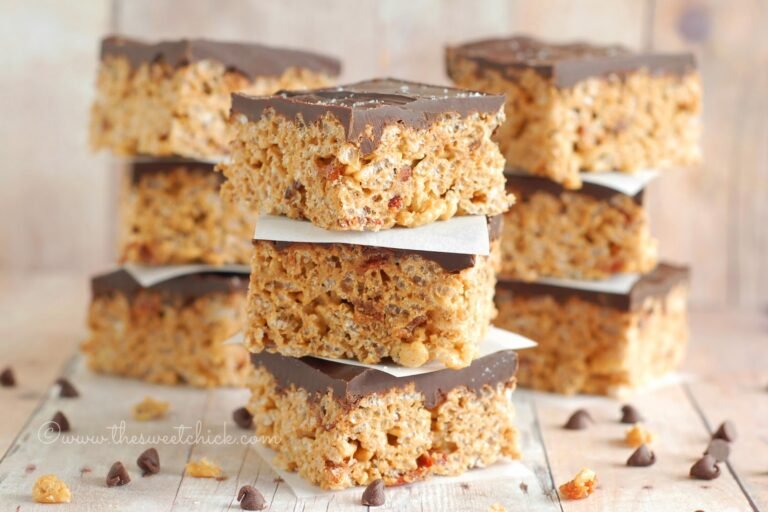

So I missed the bandwagon when maple bacon treats came around. ThenI must have dozed off when chocolate bacon treats were making the rounds. So I thought I’d make up for it by throwing it all together. This is by far my craziest Rice Krispie treat yet. It has cinnamon, maple syrup, bacon, chocolate and sea salt. If you think all these don’t belong together, then you will just have to make some for yourself to see that oh yeah baby, it does and you can’t each just one.

Yes that is a jug of wine in the picture. No it is not filled with wine, it’s my dad’s maple syrup. It’s just a convenient container. If you can’t find the Cinnamon Bun marshmallows, you can use 5 cups of regular mini marshmallows. Do try to get a good bacon though. Skip the turkey bacon, go for the real stuff.

Cook your bacon till crispy, not burnt. Otherwise you will have to pick out the burnt parts like I had to on a few pieces. Perhaps it would have been helpful if the kids had found a better place to play than in the kitchen between my legs. We have so many rooms, but they always choose the one I am in. “Sigh”
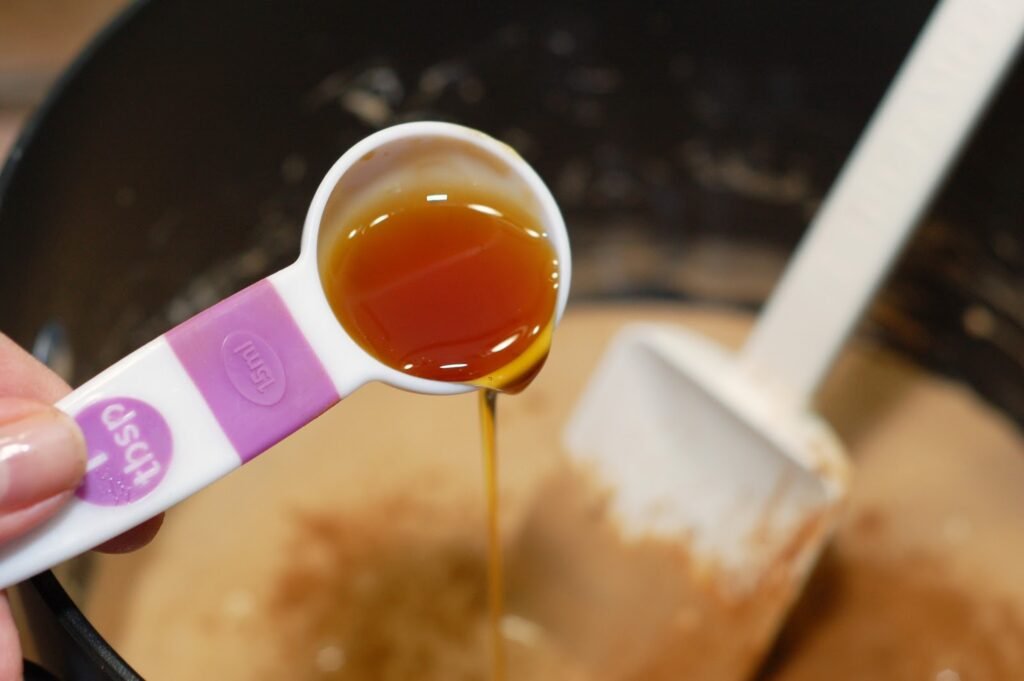
I used both pure maple syrup and maple essence. I wanted to make sure there was a good maple presence without adding too much liquid and making the bars to soft to hold together.

At this point it smelled like I was making french toast sprinkled with cinnamon along with a slice of bacon and drizzled it all with maple syrup. It smelled like Sunday morning breakfast.

Just look at all those little bits of bacon. You can go ahead and cut yourself a slice of this now or be wild and crazy like me and slather it with some chocolate.

I was trying to decide between dark chocolate and semi sweet, but the dark side always prevails.

This is my very fancy double boiler. Don’t mind the scratches on my Pyrex bowl. It’s had a lot of use over the past 13 years.

My husband did give me some weird looks when I was pouring chocolate over my treats. He still didn’t understand the bacon part. I told him, don’t worry, it will all work out.

He did believe me when he finally got to try a piece. The bacon does not overwhelm, it just blends in with the cinnamon and maple flavors to give a nice salty sweet combo. The chocolate and sea salt on top also add to the overall salty sweet taste. This is one treat to keep on the books. People may look at you funny when you tell them what is in it, but they will come back for more after they have tried it.
Maple Bacon Rice Krispie Treats
by The Sweet Chick
Prep Time: 20 minutes
Cook Time: 10 minutes
Keywords: no bake stove top dessert snack maple syrup bacon cinnamon chocolate bars rice krispie treats American
Ingredients (24 bars)
For the Rice Krispies
- 3 tablespoons butter
- 5 cups Jet Puffed Cinnamon Bun marshmallows
- 1/2 teaspoon cinnamon
- 1 tablespoon pure maple syrup
- 1 teaspoon maple essence
- 1/2 pound bacon, cooked and crumbled into small pieces
- 6 cups Rice Krispie cereal
For the topping
- 1 bag (12 oz.) Hershey’s Special Dark chocolate chips
Optional topping
- 1 teaspoon sea salt
Instructions
For the Rice Krispies
In a large sauce pan, melt butter and marshmallows over low heat. Stir until completely melted.
Remove from heat and add cinnamon, maple syrup, maple essence, and bacon pieces. Stir until completely mixed.
Then add the Rice Krispie cereal. Mix until all is well incorporated.
Then pour the mixture into a greased 9 x 13 pan or a cookie sheet and spread it evenly with a piece of waxed paper.
Place in fridge to cool and set.
For the chocolate topping
Place chocolate chips in a double boiler (or a glass bowl that fits snugly over your pot) filled with water.
Bring water to a simmer on medium heat. Once chocolate starts melting, stir constantly with a rubber spatula until all chocolate is melted and had a smooth consistency.
Remove from heat and pour the chocolate over the cooled Rice Krispies and spread evenly with the spatula.
Allow the chocolate to cool a bit, then sprinkle lightly with sea salt if desired.
Place treats back in fridge to set completely.
Once the chocolate has solidified, cut into squares and enjoy!
Related Posts





Subscribe for New Racipies
Get mental health tips, updates, and resources delivered to your inbox.