
Are Oat Cookies Acidic?

Medically reviewed by Aneeza Pervez Updated Date: January 7, 2026
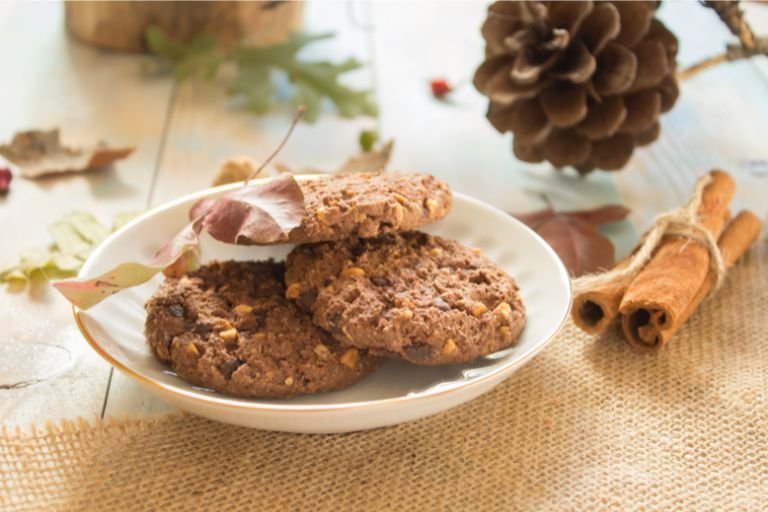
Acid reflux, a common digestive condition where stomach acid flows back into the esophagus, can cause discomfort, heartburn, and other unpleasant symptoms. Often, it is closely linked to dietary choices, as certain foods can trigger or worsen symptoms. For individuals managing acid reflux, understanding the pH levels and acidity of foods becomes essential. Among popular snacks, oat cookies are often considered a healthier alternative to more indulgent options like sugar cookies or chocolate chip cookies. But an important question arises: Are oat cookies acidic, and can they affect acid reflux?
While oats themselves are praised for their nutritional value, the ingredients and baking process involved in making oat cookies can influence their overall acidity. This article explores the acidity of oat cookies, their impact on acid reflux, and practical tips for enjoying them without triggering symptoms. Whether you’re looking for an occasional treat or a GERD-friendly snack option, we’ve got you covered.
What Are Oat Cookies?
Oat cookies are a type of baked treat primarily made with oats as the main ingredient. They’re versatile and can be customized with a variety of add-ins like raisins, chocolate chips, or nuts. Known for their hearty texture and nutty flavor, oat cookies are often seen as a healthier alternative to traditional cookies.
Ingredients Commonly Used in Oat Cookies
Most oat cookies contain:
- Oats: The primary ingredient, providing fiber and a chewy texture.
- Flour: Often all-purpose or whole wheat.
- Sweeteners: Sugar, honey, or maple syrup for added flavor.
- Fats: Butter or oil for richness.
- Add-ins: Raisins, nuts, seeds, or chocolate for variety.
Nutritional Benefits of Oats
| Nutrient | Amount per 1 Cookie (Approx. 30g) |
| Calories | 120–150 kcal |
| Carbohydrates | 18–20 g |
| Fiber | 1.5–2 g |
| Sugar | 8–12 g |
| Fat | 4–6 g |
| Protein | 1–2 g |
| Sodium | 50–100 mg |
| Potassium | 40–60 mg |
- Rich in dietary fiber, particularly beta-glucan, which supports digestion and helps lower cholesterol.
- Contain essential nutrients like manganese, phosphorus, magnesium, and iron.
- Low glycemic index compared to refined grains, making them a better option for sustained energy release.
Comparison With Other Cookies
- Sugar Cookies: Higher in sugar and calories, with minimal fiber.
- Chocolate Chip Cookies: Tend to be higher in fat and sugar, offering fewer nutritional benefits.
- Oat Cookies: Stand out for their fiber content and slower digestion, making them a potentially healthier choice.
Are Oats Acidic or Alkaline?
Scientific Explanation of Oats’ pH Level
Studies suggests that oats have a neutral to slightly acidic pH, ranging between 5.5 and 6.0. This places them on the milder side of the acidity spectrum compared to highly acidic foods like citrus fruits or tomatoes. Despite their slight acidity, oats are generally considered safe for people managing acid reflux, especially when prepared simply without added fats or sugars.
Comparison With Other Grains
- Rice: Slightly acidic but often well-tolerated by individuals with acid reflux.
- Wheat: Tends to be more acidic than oats, especially in refined forms like white bread.
- Quinoa: A slightly alkaline grain, making it a good alternative for those sensitive to acidic foods.
Oats are not strongly acidic, making them a better choice compared to many other grains in the context of acid reflux.
Are Oat Cookies Acidic?
The pH of oat cookies is influenced by their ingredients and the baking process. While oats themselves are mildly acidic, additional ingredients like sugar, butter, and baking powder can alter their pH.
How Ingredients Affect Acidity
- Sugar: Highly acidic and a potential trigger for acid reflux.
- Butter or Oil: While neutral in pH, these add richness that can slow digestion and lead to acid reflux in some cases.
- Add-ins: Ingredients like chocolate or dried fruits can add acidity, depending on their type and quantity.
pH Level of Oat Cookies vs. Plain Oats
- Plain Oats: Typically have a pH of 5.5–6.0, making them mildly acidic.
- Oat Cookies: Depending on the recipe, the pH can drop slightly due to added sugars and other ingredients, placing them closer to 4.5–5.5. This makes oat cookies more acidic than plain oats.
While oat cookies are more acidic than plain oats, they are still less acidic than many other baked goods like sugar cookies or cakes.
Can Oat Cookies Cause Acid Reflux?
Potential Triggers for Acid Reflux in Oat Cookies
Certain aspects of oat cookies can trigger acid reflux:
- Sugar Content: High sugar levels can increase stomach acid production, potentially causing heartburn.
- Fat Content: Rich cookies with butter or oil may delay stomach emptying, increasing the risk of acid reflux.
- Additives: Chocolate or sugary dried fruits can irritate the digestive system in some individuals.
Benefits of Oats for Digestion
Despite the potential triggers, oats themselves offer digestive benefits that may counteract some of these effects:
- High fiber content promotes healthy digestion and can help reduce acid reflux by stabilizing stomach acidity.
- Beta-glucan in oats can soothe the digestive tract and improve gut health.
Moderation is Key
For acid reflux sufferers, the key to enjoying oat cookies lies in moderation. Opt for recipes with less sugar and fat, and consume them in small portions to minimize the risk of triggering symptoms.
Best Ways to Enjoy Oat Cookies if You Have Acid Reflux
Choosing Acid Reflux-Friendly Oat Cookies
When selecting or preparing oat cookies, consider these tips:
- Look for low-sugar options or reduce sugar in homemade recipes.
- Choose cookies made with whole-grain oats to maximize fiber content.
- Avoid add-ins like chocolate chips or candied fruits, which can increase acidity.
Recipe Ideas for GERD-Friendly Oat Cookies
For those who love to bake, try these adjustments to make oat cookies more suitable for acid reflux:
- Replace sugar with natural sweeteners like stevia or maple syrup.
- Use plant-based oils instead of butter to reduce fat content.
- Add digestion-friendly ingredients like bananas or unsweetened applesauce for natural sweetness and moisture.
Pairing Suggestions
Pair oat cookies with non-acidic beverages to further reduce the risk of reflux. For example:
- Herbal teas like chamomile or peppermint can soothe the stomach.
- A glass of almond milk offers a low-acid, creamy option.
Recipes: Honey Carrot Oatmeal Raisin Cookies
Biscoff Oatmeal Double Chocolate Chip Cookies
Oatmeal White Chocolate M&M; Cookies
Healthy Alternatives to Oat Cookies
For individuals with acid reflux, finding the right snacks can be a game-changer. While oat cookies can be modified to suit acid reflux-friendly diets, there are other snacks that naturally have low acidity and are gentler on the digestive system.
Snack Suggestions for Acid Reflux Sufferers
- Bananas: Naturally alkaline, bananas can neutralize stomach acid and make for a quick, nutritious snack.
- Rice Crackers: These are low-acid and light on the stomach, making them an excellent choice for snacking without triggering reflux.
- Unsweetened Yogurt: Packed with probiotics, yogurt can help improve gut health and balance stomach acid levels. Opt for unsweetened varieties to avoid added sugars.
Low-Acidity Baked Goods
For those who enjoy baked treats, consider alternatives like:
- Banana Bread: Made with ripe bananas, this moist snack is naturally sweet and easy to make GERD-friendly.
- Oatmeal Muffins: These can be made with minimal sugar and added fruits like blueberries or apples for flavor.
- Rice Flour Cookies: Light and gluten-free, these cookies are less acidic and perfect for sensitive stomachs.
By diversifying your snack options, you can enjoy satisfying treats without aggravating acid reflux symptoms.
Conclusion
Oat cookies, though mildly acidic due to their ingredients, can still be a viable snack option for those with acid reflux when consumed in moderation. The acidity of oat cookies largely depends on the recipe and additional ingredients, such as sugar or butter. While oats themselves are nutrient-rich and beneficial for digestion, the other components of cookies can influence their impact on acid reflux.
For those managing GERD, it’s essential to make thoughtful choices, such as opting for low-sugar recipes or enjoying oat cookies with non-acidic beverages. Alternatively, healthier snacks like bananas, rice crackers, or yogurt offer low-acidity options that are easy on the stomach.
In conclusion, oat cookies don’t have to be completely off-limits, but knowing how to prepare or choose GERD-friendly versions can make all the difference. As always, listen to your body and consult a healthcare provider if you experience persistent symptoms.
FAQs
1. Are oat cookies safe for acid reflux sufferers?
Oat cookies can be safe if consumed in moderation and prepared with low-sugar and low-fat ingredients. Avoid add-ins like chocolate or dried fruits.
2. Are oats acidic or alkaline?
Oats are mildly acidic with a pH of 5.5–6.0 but are generally well-tolerated by people with acid reflux.
3. Can oat cookies trigger acid reflux?
Depending on their sugar and fat content, oat cookies may trigger symptoms in some individuals. Choose GERD-friendly recipes to reduce risk.
4. What are other acid reflux-friendly snacks?
Bananas, rice crackers, unsweetened yogurt, and baked goods like oatmeal muffins or banana bread are excellent low-acid alternatives.
5. How can I make oat cookies GERD-friendly?
Use whole-grain oats, reduce sugar, and avoid acidic add-ins. Incorporate natural sweeteners like stevia or applesauce for a healthier option.
Related Posts



Subscribe for New Racipies
Get mental health tips, updates, and resources delivered to your inbox.
Are Black Beans Acidic? A Nutritional Powerhouse or a Trigger?

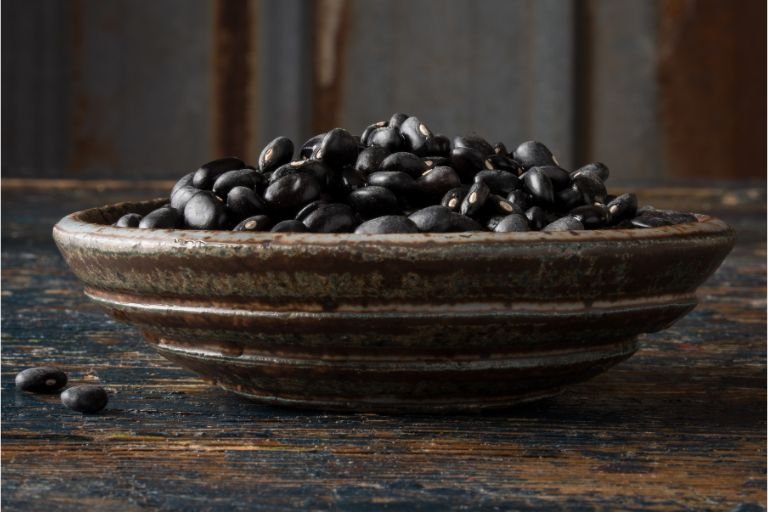
Black beans, a staple in many cuisines, are known for their rich flavor, high protein content, and nutritional benefits. They’re a versatile ingredient used in everything from soups to salads to burritos. However, for individuals who suffer from acid reflux or GERD (gastroesophageal reflux disease), it’s essential to understand whether black beans can aggravate symptoms.
In this article, we’ll explore the acidity of black beans, their impact on acid reflux, and how to incorporate them into a reflux-friendly diet. We’ll also dive into their nutritional benefits, share preparation tips, and answer common questions about black beans and acid reflux.
Are Black Beans Acidic or Alkaline?
1. The pH of Black Beans
Black beans are considered to be neutral to mildly acidic, with a pH ranging between 6.0 and 6.5. This places them on the lower end of the acidity scale, making them relatively neutral food.
2. Alkaline-Forming Properties
While black beans have a slightly acidic pH, they are alkaline-forming during digestion. This means they don’t typically increase stomach acid or exacerbate acid reflux symptoms.
3. Black Beans in an Alkaline Diet
Black beans are often included in alkaline diets due to their ability to promote balance in the body. Their high fiber and nutrient content further support digestive health.
Related to Read: Are Green Lentils Acidic?
Can Black Beans Trigger Acid Reflux?
Black beans are generally considered safe for individuals with acid reflux, but certain factors can increase the likelihood of triggering symptoms:
1. Cooking Methods
The way black beans are prepared can influence their impact on acid reflux. For example:
- Beans cooked with fatty ingredients like bacon or cheese can worsen reflux symptoms.
- Spicy seasonings, such as chili powder or cayenne, can irritate the esophagus and trigger heartburn.
2. Portion Size
Eating large amounts of black beans in one sitting can lead to bloating and pressure on the stomach, which may contribute to reflux symptoms.
3. Individual Sensitivities
Some individuals are sensitive to legumes, which can cause gas or bloating, potentially aggravating reflux symptoms.
Why Black Beans May Be Good for Acid Reflux?
Despite the potential for triggering symptoms in some individuals, black beans offer several benefits for those managing acid reflux:
1. High Fiber Content
Black beans are an excellent source of dietary fiber, which promotes healthy digestion and prevents constipation—a common trigger for reflux.
2. Protein-Rich
Black beans are a plant-based protein source, providing essential amino acids without the high fat content found in many animal-based proteins, which can worsen reflux.
3. Low in Fat
Low-fat foods are less likely to relax the lower esophageal sphincter (LES), a key factor in acid reflux. Black beans are naturally low in fat, making them a reflux-friendly option.
4. Packed with Nutrients
Black beans are rich in essential nutrients that support overall health, including:
- Magnesium: Helps relax the muscles in the digestive tract.
- Folate: Supports cellular health and metabolism.
- Iron: Boosts energy levels and supports oxygen transport in the body.
How to Incorporate Black Beans into a Reflux-Friendly Diet?
To enjoy black beans without triggering acid reflux, follow these tips:
1. Cook Them Simply
Avoid adding high-fat or spicy ingredients to black beans. Instead, cook them with mild seasonings like garlic, cumin, or oregano.
2. Combine with Reflux-Friendly Foods
Pair black beans with non-acidic foods like brown rice, quinoa, or steamed vegetables to create a balanced and reflux-safe meal.
3. Use Plant-Based Oils
If you’re sautéing black beans, use a small amount of plant-based oil like olive oil instead of butter or other high-fat options.
4. Control Portion Sizes
Stick to a moderate serving size, such as 1/2 to 1 cup of cooked black beans, to avoid overeating and putting pressure on the stomach.
Reflux-Friendly Black Bean Recipe
Here’s a simple and reflux-friendly black bean recipe to try:
Ingredients
- 1 cup cooked black beans (or canned, rinsed and drained)
- 1 teaspoon olive oil
- 1/2 teaspoon ground cumin
- 1/2 teaspoon garlic powder
- 1/4 teaspoon dried oregano
- 1/4 teaspoon salt (optional)
- 1/2 cup cooked brown rice (optional, as a side)
Instructions
- Heat olive oil in a skillet over medium heat.
- Add the black beans, cumin, garlic powder, and oregano. Stir well to coat the beans evenly with the seasonings.
- Cook for 5–7 minutes, stirring occasionally, until the beans are heated through and fragrant.
- Serve as a side dish, over rice, or as a filling for a reflux-friendly burrito with mild vegetables.
This recipe is light, flavorful, and easy to digest, making it a great option for those managing acid reflux.
Recipes: Fava Bean Hummus
Fava Bean Salad With Mint And Ricotta Cheese
Nutritional Benefits of Black Beans Beyond Acid Reflux
Black beans are a nutritional powerhouse that offer a variety of health benefits:
1. Supports Heart Health
The fiber, potassium, and magnesium in black beans contribute to lower blood pressure and improved cardiovascular health.
2. Aids in Weight Management
The high fiber and protein content in black beans promote satiety, helping to control hunger and support weight management.
3. Regulates Blood Sugar
Black beans have a low glycemic index, meaning they release sugar into the bloodstream slowly, making them a great option for managing blood sugar levels.
4. Boosts Energy Levels
The iron in black beans supports oxygen transport and boosts energy, especially important for those with iron deficiencies.
FAQs About Black Beans and Acid Reflux
1. Are black beans acidic?
Black beans are mildly acidic but are considered neutral to alkaline-forming during digestion, making them suitable for most individuals with acid reflux.
2. Can black beans cause acid reflux?
Black beans are unlikely to cause reflux unless they’re cooked with fatty or spicy ingredients. Eating them in large portions or if you’re sensitive to legumes may trigger symptoms.
3. Are canned black beans safe for acid reflux?
Canned black beans are generally safe, but they may contain added salt or preservatives. Rinse them thoroughly before use to reduce sodium content and potential irritants.
4. What can I pair with black beans to make a reflux-friendly meal?
Pair black beans with reflux-friendly foods like brown rice, quinoa, or non-acidic vegetables (e.g., zucchini, carrots, or spinach).
5. How often can I eat black beans if I have acid reflux?
Black beans can be enjoyed 2–3 times a week as part of a balanced diet, provided they are prepared in a reflux-friendly way.
Conclusion
Black beans are a mildly acidic yet highly nutritious food that can be safely enjoyed by most individuals with acid reflux. Their high fiber, low fat, and nutrient-rich profile make them an excellent choice for promoting overall digestive health.
To minimize the risk of reflux symptoms, prepare black beans with mild seasonings, avoid fatty or spicy ingredients, and pair them with reflux-friendly foods. Whether served as a side dish, in soups, or as part of a balanced meal, black beans can be a valuable addition to a reflux-friendly diet.
If you’re looking for more acid reflux-friendly food guides, recipes, and tips, check out our other articles to make informed and healthy food choices!
Related Posts
Subscribe for New Racipies
Get mental health tips, updates, and resources delivered to your inbox.