
Is Asparagus Acidic? Asparagus and Acid Reflux

Medically reviewed by Aneeza Pervez Updated Date: January 2, 2026
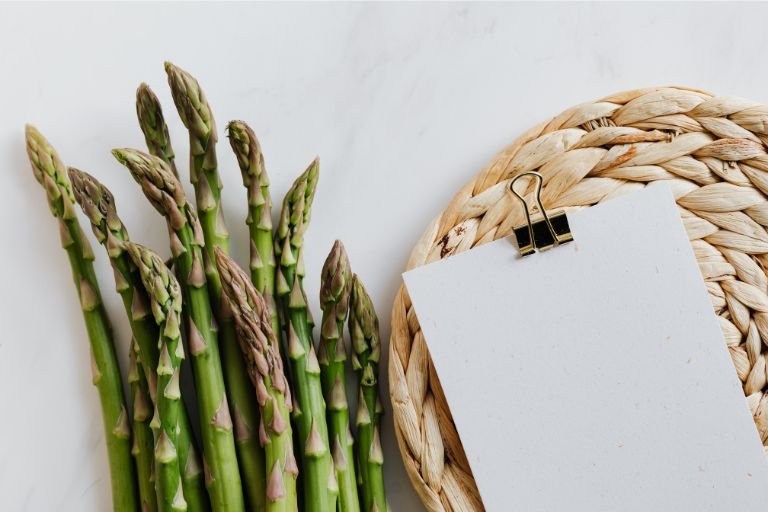
Asparagus is a beloved vegetable known for its unique flavor and nutritional benefits. But for individuals suffering from acid reflux, it raises a common question: Is asparagus acidic, and can it aggravate or alleviate acid reflux symptoms? In this article, we’ll explore the acidity of asparagus, its nutritional profile, and its potential effects on acid reflux sufferers.
Understanding Acid Reflux and Diet
What Is Acid Reflux?
Acid reflux occurs when stomach acid travels back up into the esophagus, leading to symptoms such as heartburn, regurgitation, and chest discomfort. This condition is often linked to dietary choices, making it vital to assess whether specific foods, like asparagus, trigger or alleviate symptoms.
How Diet Impacts Acid Reflux?
Certain foods are known to trigger reflux by:
- Relaxing the lower esophageal sphincter (LES), which normally prevents acid backflow.
- Increasing stomach acid production.
- Irritating the esophageal lining.
Dietary management is a cornerstone of acid reflux treatment, which means understanding the properties of each food, including asparagus, is crucial.
Is Asparagus Acidic or Alkaline?
The pH Level of Asparagus
On the pH scale, asparagus is considered a low-acid food with a pH ranging between 6.0 and 7.0, depending on its preparation. Foods with a pH above 7.0 are classified as alkaline, while those below 7.0 are acidic. Research suggests that asparagus sits near neutral, making it a mild choice for those monitoring their dietary acid intake.
Raw vs. Cooked Asparagus
The pH of asparagus can vary slightly based on its preparation:
- Raw asparagus retains more of its natural alkalinity and nutrients.
- Cooked asparagus (especially steamed or boiled) may have a softer texture, making it easier to digest for some individuals with reflux.
Alkaline Properties of Asparagus
While not fully alkaline, asparagus contains certain compounds that promote an alkaline environment in the body, which may help neutralize stomach acid and reduce reflux symptoms.
Nutritional Profile of Asparagus
Asparagus is not just a culinary delight; it’s a powerhouse of nutrients that contribute to overall health. Here’s what makes it stand out:
Key Nutrients in Asparagus
- Vitamins: Rich in vitamins A, C, E, and K, as well as folate.
- Minerals: Contains potassium, magnesium, calcium, and iron.
- Antioxidants: High levels of glutathione, an antioxidant that reduces inflammation.
- Fiber: Asparagus is a good source of dietary fiber, promoting healthy digestion.
- Prebiotics: Contains inulin, a prebiotic fiber that supports gut health.
Health Benefits of Asparagus
- Anti-Inflammatory Properties: Helps reduce inflammation, which may benefit individuals with acid reflux.
- Improved Digestion: Fiber and prebiotics in asparagus support healthy bowel movements and gut microbiota.
- Heart Health: Potassium and antioxidants promote cardiovascular health.
- Immune Support: High levels of vitamin C and other antioxidants boost immunity.
Asparagus and Acid Reflux: Potential Effects
Can Asparagus Trigger Acid Reflux?
While asparagus is not inherently acidic, it may still cause reflux in certain situations:
- Seasoning Choices: Adding acidic ingredients like lemon juice or vinegar during preparation could trigger symptoms.
- Overeating: Consuming large portions of any food, including asparagus, can put pressure on the LES and lead to reflux.
- Individual Sensitivity: Some individuals may have unique sensitivities that make asparagus a trigger food.
Benefits of Asparagus for Acid Reflux
For many, asparagus can be a reflux-friendly addition to their diet:
- Mildly Alkalizing: Asparagus helps create a less acidic environment in the stomach, which may alleviate reflux symptoms.
- Promotes Digestion: Fiber content aids in digestion, preventing bloating and constipation that can exacerbate reflux.
- Anti-Inflammatory Effects: May help soothe the esophagus and stomach lining.
How to Incorporate Asparagus into a Reflux-Friendly Diet
Tips for Cooking Asparagus
- Opt for Gentle Cooking Methods: Steaming or boiling preserves nutrients while making asparagus easier to digest.
- Avoid Trigger Ingredients: Skip acidic additions like lemon juice, garlic, or spicy seasonings.
- Pair with Alkaline Foods: Combine asparagus with alkaline-rich foods such as quinoa, sweet potatoes, or bananas to balance stomach acidity.
Portion Control
Stick to small to moderate portions of asparagus to avoid overwhelming the stomach. Eating smaller meals more frequently throughout the day can also help reduce reflux episodes.
Timing of Consumption
Avoid eating asparagus—or any food—close to bedtime, as lying down after a meal can increase the likelihood of reflux symptoms.
Alternative Vegetables for Acid Reflux Sufferers
If asparagus doesn’t sit well with you, consider these acid reflux-friendly alternatives:
- Zucchini: Mild and easy to digest, zucchini is a versatile vegetable for reflux sufferers.
- Cucumber: Naturally hydrating and alkaline, cucumber is a refreshing option.
- Broccoli: Rich in nutrients and low in acidity, broccoli is generally well-tolerated.
Related to Read: Zucchini Recipes
Lifestyle Changes for Managing Acid Reflux
Adopt Acid-Reflux-Friendly Eating Habits
- Chew food slowly and thoroughly.
- Avoid overeating by sticking to smaller meals.
- Maintain an upright posture for at least 2–3 hours after meals.
Avoid Common Trigger Foods
Limit or eliminate highly acidic, fatty, or spicy foods like tomatoes, citrus fruits, fried foods, and chocolate.
Manage Stress Levels
Stress can exacerbate acid reflux by increasing stomach acid production. Incorporate relaxation techniques such as yoga, meditation, or deep breathing exercises.
What the Experts Say About Asparagus and Acid Reflux?
Nutritional Research on Asparagus
Research highlights asparagus as a vegetable rich in anti-inflammatory compounds and gut-friendly prebiotics. While direct studies on its effect on acid reflux are limited, its overall properties make it a potential ally in a reflux-friendly diet.
Recommendations from Nutritionists
Many nutritionists recommend asparagus as a low-acid vegetable suitable for most people with acid reflux. However, they emphasize the importance of individual tolerance and moderation.
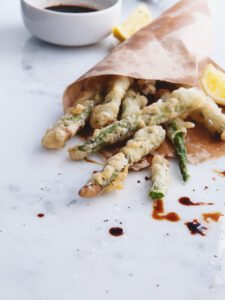
Asparagus Recipes: Asparagus Tempura
Roasted Asparagus With Miso Butter And A Poached Egg
Conclusion
So, is asparagus acidic? Not exactly. With its near-neutral pH and alkaline-promoting properties, asparagus is generally a reflux-friendly food. For most individuals, it can be safely included in a reflux management plan, provided it’s prepared and consumed thoughtfully.
However, acid reflux triggers vary from person to person. It’s essential to monitor your body’s response to asparagus and make adjustments as needed. Incorporating this nutritious vegetable alongside other lifestyle changes can help you better manage acid reflux and enjoy a balanced diet.
FAQs
1. Is asparagus good for acid reflux?
Yes, asparagus is generally good for acid reflux due to its low acidity and digestive benefits. However, individual tolerance may vary.
2. Can cooking asparagus reduce its acidity?
Cooking asparagus doesn’t significantly change its pH, but steaming or boiling can make it easier to digest, potentially reducing reflux symptoms.
3. Are there vegetables better than asparagus for acid reflux?
Vegetables like zucchini, cucumber, and broccoli may be better suited for some individuals, depending on personal tolerance.
4. Does asparagus cause gas or bloating?
Asparagus contains inulin, a prebiotic fiber, which can cause gas or bloating in some people, especially if eaten in large amounts.
5. Should I eat asparagus raw or cooked for acid reflux?
Cooked asparagus is usually easier to digest and less likely to trigger reflux symptoms compared to raw asparagus.
Related Posts



Subscribe for New Racipies
Get mental health tips, updates, and resources delivered to your inbox.
Avocado Summer Rolls

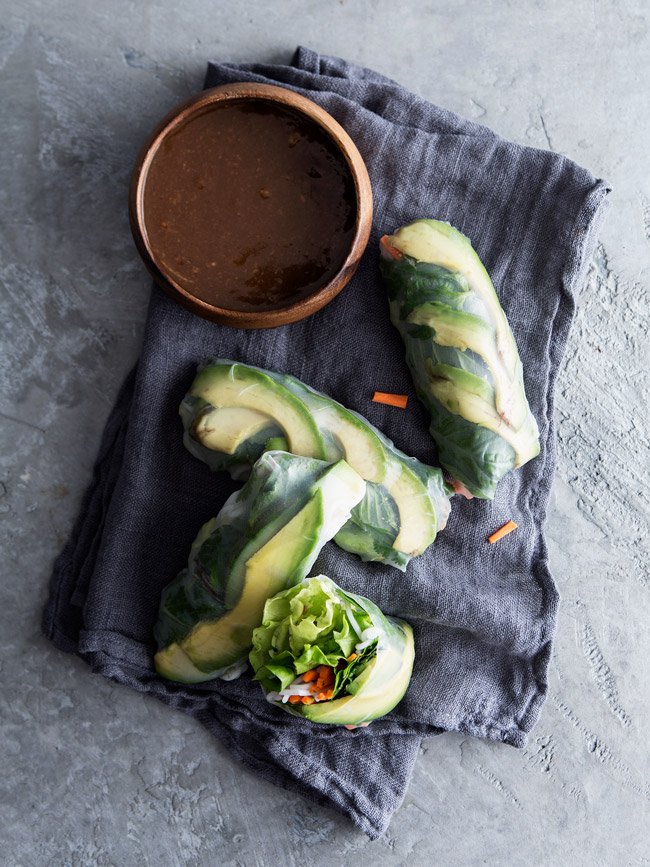
Chris and I went out to dinner last night with an older couple—friends of Chris’s parents—who live in a posh apartment with a great view of Central Park. Ordinarily, we trek out to their place in the Upper West Side, but Chris wanted to switch things up, so he suggested they come to our neck of the woods instead.
Now, our part of Brooklyn and their part of Upper West Side aren’t so very different. Both have tree-lined streets and a neighborhood-y feel and slightly less bustle than, say, Midtown or the Villages. But where they have Columbus Circle and doormen galore and hordes of tourists and expensive restaurants that primarily service said tourists, we have cash-only dive bars and small yoga studios and cafes that fit, like, 10 people max and our local Mexican spot (replete with all the usual cheesy decor).
Our Brooklyn juxtaposed with their Manhattan is like… is like the opera to a movie theater. A glass of pinot noir to a pint of whatever’s on tap. A white tablecloth dining experience to burgers, fries, and a beer. So it only made sense that we take them to our favorite burger joint.
Normally, they take us to a fancy restaurant where we get to feel pampered by waiters who fuss over our seats and bring out our courses with flair. So you can understand why I was a bit nervous about taking them to such a low-key establishment. I’m not saying it was a hole-in-the-wall, because it wasn’t at all, but it had that whole rough-hewn, rustic look that’s so popular among Brooklyn restaurants these days, including the dreaded communal table. As luck would have it, that’s where we were seated.
I’m building this up, aren’t I? Ultimately, they loved the resutarant. We ate and talked and talked and ate, and had a wonderful time. Afterwards, we walked by the mom ‘n’ pop ice cream stand where they bought a mint chip cone to share, fighting for the last few bites. It was a great evening, and I think that whatever impression they had had of Brooklyn has been amended.
And rightly so! Despite the picture I paint, this neighborhood has come a long way. My landlord’s son told me how it had been a contested zone between rival gangs back in the 80′s. And apparently, the Mafia’s reign was still going strong up until, I dunno, the 70′s. And before all that, a gazillion years ago, it was farmland. Now, we live around the corner from a gourmet cheese shop, across the street from a high-end clothing boutique, and down the street from a newly-opened Blue Bottle Coffee. Times have changed.

These summer rolls have nothing to do with my story except I’ve been going gluten-free recently and had to break my ban last night. I guess I didn’t want to be the debbie downer who ordered the salad while everyone else was gorging on burgers and fries, you know? These summer rolls, on the other hand, are gluten-free (with the exception of the hoisin sauce, but you can buy a gluten-free version), and vegan too I guess, and maybe even raw? The rice noodles are cooked, it’s true, but you can easily leave them out.
Since summer has officially kicked in—beginning with some minor humidity this week—I’ve been feeling the urge for fresh vegetables and herbs. And what could be more perfect than the trifecta of cilantro, Thai basil, and mint? Nothing, that’s what. NOTHING. These summer rolls are filled to the brim with earnest plant matter, and are one of the tastiest (and easiest!) foods I’ve made recently.
I realized in my last post that I’d somehow toggled off the comments. Sorry about that! I don’t know whether or not they’ll be turned back on when I publish this post, but if not, I’ll try to figure out how to turn them back on. If you have any questions, feel free to email me!
AVOCADO SUMMER ROLLS
Makes 12
Adapted from all over the place, but mostly Gourmet Live and Chow
Feel free to play around with proportions, but don’t skimp on the avocado! Its taste will be overwhelmed by the other ingredients if you don’t use enough in each roll.
Ingredients:
- 12 sheets rice paper
- 2 or 3 medium avocados, sliced into wedges
- 36 mint leaves
- 36 Thai basil leaves (regular basil okay)
- 24 sprigs cilantro
- 2 or 3 medium carrots, julienned and chopped into 1-1/2″ pieces
- 3 oz. dried rice vermicelli, cooked and drained
- 12 pieces of lettuce (I used Bibb, halving each big leaf to form 2 pieces)
Directions:
Fill a pan large enough to contain the rice paper with hot water. Prepare a moist surface (such as a damp cloth) on which to make the summer rolls. Have all the other ingredients ready around your workstation.
Take a sheet of rice paper and submerge it completely in the hot water. Remove it immediately—it should still be stiff and easy to handle—and place it on the moist surface. Place 3 slices of avocado horizontally across the center of the rice paper, leaving a 1-inch margin on either side. Place 3 mint leaves, 3 basil leaves, and 2 sprigs of cilantro on top, across the avocado slices. Grab a small handful of carrots and place them in two small heaps across the herbs. Do the same with the vermicelli. Finally, roll a piece of lettuce into a cigar shape and place it on top. Go with conventional wisdom and don’t stuff your rolls, as the rice paper is quite flimsy!
Fold the bottom edge of the rice paper over the center mound, then the left and right edges. Finally, roll the mound upward toward the final edge. Try to wrap the roll as tightly as possible.
Dip in the tahini hoisin sauce and enjoy!
TAHINI HOISIN SAUCE
Makes about 1 cup
Adapted from Gourmet Live
Ingredients:
1/2 cup hoisin sauce (gluten-free version)
1/4 cup tahini
1/4 cup water
big squeeze of lime juice
Directions:
Combine all the ingredients and stir until combined.
Related Posts

Subscribe for New Racipies
Get mental health tips, updates, and resources delivered to your inbox.