
Are Zucchini Safe for Acid Reflux?

Medically reviewed by Aneeza Pervez Updated Date: January 5, 2026
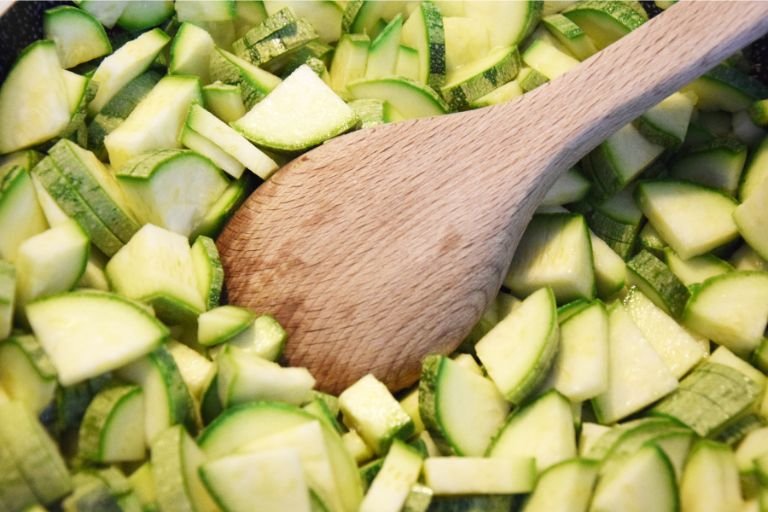
Zucchini, a versatile and nutrient-rich summer squash, is a staple in many healthy diets. Its mild flavor and low calorie content make it a popular ingredient in everything from salads and stir-fries to pasta alternatives like zucchini noodles. But if you suffer from acid reflux or GERD (gastroesophageal reflux disease), you might wonder: “Are zucchini safe for acid reflux?”
The good news is that zucchini is one of the best vegetables for acid reflux sufferers. Its low acidity, high water content, and abundance of fiber make it gentle on the stomach and unlikely to trigger reflux symptoms. In fact, zucchini can actually help support digestion and reduce acid reflux episodes when included in a balanced, reflux-friendly diet.
In this article, we’ll explore why zucchini is considered a reflux-friendly food, its nutritional benefits, and the best ways to incorporate it into your meals to manage acid reflux symptoms.
Is Zucchini Acidic or Alkaline?
Zucchini is a low-acid food, with a pH level ranging between 6.0 and 7.0, which makes it close to neutral or mildly alkaline. This low acidity means zucchini is gentle on the stomach and unlikely to irritate the esophagus, making it a safe choice for those managing acid reflux or GERD.
Unlike acidic foods such as tomatoes, citrus fruits, or vinegar, zucchini does not increase stomach acid production or trigger reflux symptoms. Its alkalizing effect can help neutralize stomach acid and promote better digestion.
Author Tip: 7 Kinds of Foods to Avoid with GERD
Nutritional Profile of Zucchini
According to health experts, Zucchini is not only low in acid but also packed with essential nutrients that support overall health and digestion. Here’s what makes it a superfood for reflux sufferers:
1. High Water Content
- Zucchini is composed of approximately 95% water, making it hydrating and gentle on the stomach. Proper hydration helps dilute stomach acid and reduce the likelihood of acid reflux.
2. Rich in Fiber
- Zucchini contains 2 grams of fiber per cup, which supports healthy digestion and prevents overeating—a common reflux trigger. Fiber also helps regulate bowel movements and reduces bloating.
3. Low in Calories and Fat
- With only 20 calories per cup and virtually no fat, zucchini is a light and easy-to-digest vegetable, perfect for those managing reflux symptoms.
4. Abundant in Vitamins and Minerals
- Vitamin C: Reduces inflammation and supports the immune system.
- Potassium: Helps maintain proper muscle function, including the lower esophageal sphincter (LES), which prevents stomach acid from flowing back into the esophagus.
- Magnesium: Relaxes the muscles in the digestive tract and reduces reflux episodes.
5. Antioxidants
- Zucchini contains antioxidants like lutein and zeaxanthin, which reduce inflammation and support gut health.
Related to Read: 7-Day Meal Plan For Gastritis
Why Zucchini is Good for Acid Reflux?
Zucchini’s combination of low acidity, high water content, and digestive-friendly nutrients makes it a perfect choice for managing acid reflux. Here’s how it can help:
1. Soothes the Stomach
- Zucchini’s high water content and alkalizing properties help dilute stomach acid, reducing irritation to the esophagus.
2. Prevents Overeating
- The fiber in zucchini promotes a feeling of fullness, helping to prevent overeating, which is a common trigger for acid reflux.
3. Reduces Bloating
- Its light and hydrating nature helps prevent bloating, which can increase pressure on the stomach and worsen reflux symptoms.
4. Supports Digestive Health
- Zucchini’s fiber content encourages regular bowel movements and promotes healthy gut bacteria, both of which are essential for managing reflux.
5. Gentle on the Esophagus
- Unlike acidic or spicy foods, zucchini does not irritate the esophageal lining, making it a safe and soothing option for reflux sufferers.
Tips for Including Zucchini in a Reflux-Friendly Diet
If you’re ready to add zucchini to your meals, follow these tips to ensure it works well with your acid reflux management:
- Stick to Simple Preparations
- Avoid frying zucchini or cooking it with heavy oils and butter, as high-fat meals can trigger reflux. Instead, try steaming, boiling, roasting, or grilling it with minimal oil.
- Pair with Non-Acidic Foods
- Combine zucchini with other reflux-friendly ingredients like brown rice, quinoa, lean proteins, or alkaline vegetables such as spinach and cucumbers.
- Avoid Overeating
- Even though zucchini is light and low-calorie, eating large portions of any food can put pressure on the stomach and worsen reflux.
- Go Easy on the Seasonings
- Use gentle herbs like basil, parsley, or oregano, and avoid spicy seasonings like chili flakes, garlic powder, or hot sauces that can irritate reflux symptoms.
- Try Zucchini Noodles
- Swap out acidic, carb-heavy pasta dishes for zucchini noodles (zoodles) to create a reflux-friendly, nutrient-rich meal.
Reflux-Friendly Zucchini Recipes
1. Steamed Zucchini with Olive Oil
Ingredients:
- 1 medium zucchini, sliced
- 1 teaspoon olive oil
- A pinch of salt
Instructions:
- Steam the zucchini slices for 5–7 minutes, until tender.
- Drizzle with olive oil and sprinkle lightly with salt.
- Serve as a side dish with grilled chicken or fish.
2. Zucchini Noodle Salad
Ingredients:
- 2 cups zucchini noodles (spiralized zucchini)
- 1/2 cup diced cucumber
- 1 tablespoon olive oil
- 1 teaspoon lemon zest (optional)
Instructions:
- Toss zucchini noodles and cucumber in olive oil.
- Add lemon zest for a touch of flavor (optional, if tolerated).
- Serve chilled as a refreshing, reflux-friendly salad.
3. Zucchini Soup
Ingredients:
- 2 medium zucchinis, chopped
- 2 cups low-sodium vegetable broth
- 1/4 cup unsweetened almond milk (optional)
- A pinch of salt and pepper
Instructions:
- Boil the chopped zucchini in vegetable broth until soft (10–12 minutes).
- Blend until smooth.
- Stir in almond milk for creaminess, if desired.
- Serve warm with a slice of whole-grain bread.
Zucchini Recipes: Zucchini Cookies
Frequently Asked Questions About Zucchini and Acid Reflux
1. Is zucchini good for acid reflux?
Yes, zucchini is low in acidity and easy to digest, making it a safe and beneficial vegetable for acid reflux sufferers.
2. Can zucchini trigger acid reflux?
Zucchini is unlikely to trigger reflux due to its low acidity and mild nature. However, pairing it with high-fat or spicy ingredients may cause symptoms.
3. Is raw zucchini safe for acid reflux?
Yes, raw zucchini is safe and can be eaten in salads or as a snack. Its high water content makes it hydrating and gentle on the stomach.
4. Are zucchini noodles good for GERD?
Yes, zucchini noodles (zoodles) are an excellent alternative to traditional pasta, which can be heavy and trigger reflux. They are light, nutritious, and low-acid.
5. What are other reflux-friendly vegetables?
In addition to zucchini, other reflux-friendly vegetables include spinach, cucumbers, green beans, asparagus, and carrots.
Final Thoughts
Zucchini is a nutrient-rich, low-acid vegetable that is safe and beneficial for individuals with acid reflux or GERD. Its high water content, fiber, and mild flavor make it a gentle option for soothing the stomach and supporting digestion. Whether steamed, roasted, or spiralized into noodles, zucchini can be easily incorporated into a reflux-friendly diet.
By preparing it in simple, low-fat ways and pairing it with other non-acidic foods, zucchini can be a delicious and effective addition to your acid reflux management plan. Give it a try and enjoy its versatility while keeping reflux symptoms at bay!
Related Posts



Subscribe for New Racipies
Get mental health tips, updates, and resources delivered to your inbox.
Pumpkin Spice Marshmallow Puffs

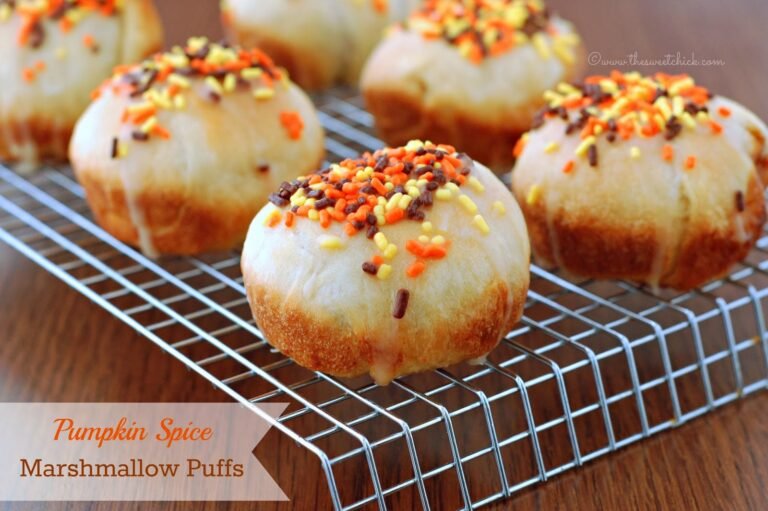
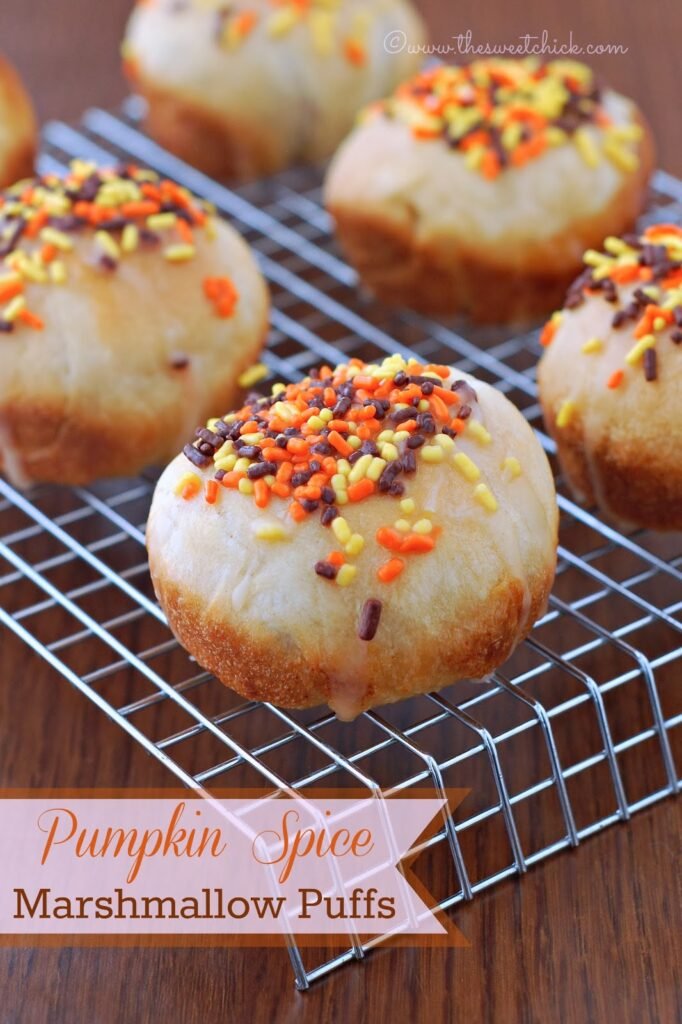
I was watching the Pillsbury Bake-off Contest 2013 all weekend via Instagram. There were a lot of my favorite bloggers in attendance. The whole event looked a lot of fun from their media perspective, but I couldn’t imagine how much pressure the contestants were feeling trying to win $1 million dollars. That’s just crazy. I don’t think I could perform under that kind of pressure. But I would love to know how it feels to win. Perhaps someday I will enter. In the meantime, I was inspired to whip up these little treats for the family this weekend.
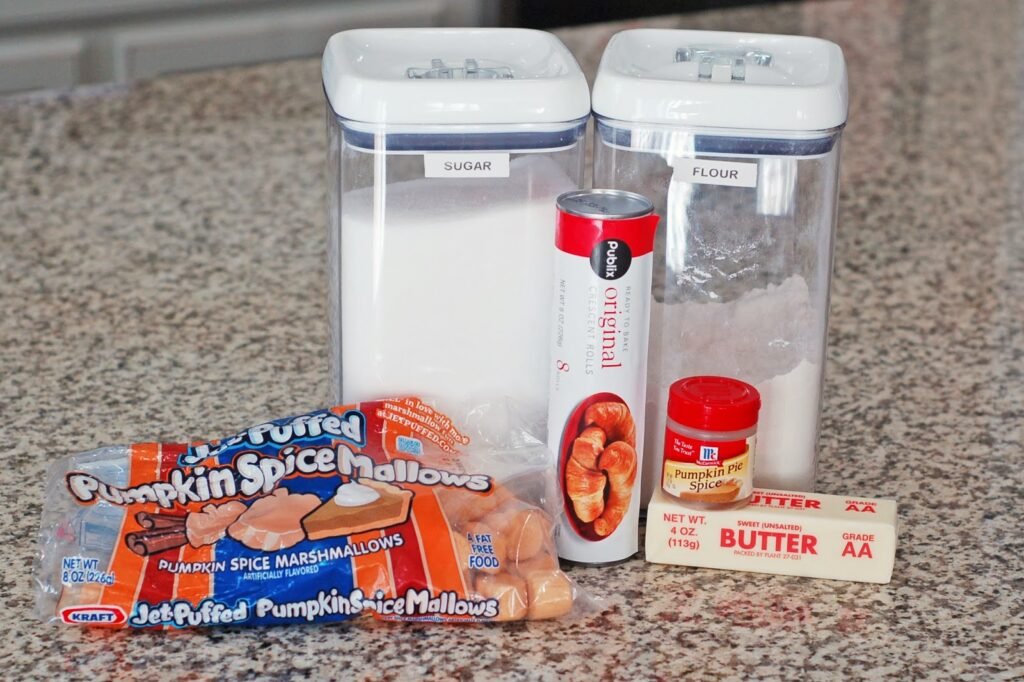
This recipe is adapted from the 1969 Pillsbury Bake-Off Contest winning recipe, the Magic Marshmallow Crescent Puffs. I had some leftover Jet-Puffed Pumpkin Spice Mallows in the pantry and didn’t want them to go to waste. I actually never made the marshmallow puffs before.

My daughter had a blast helping out. They are easy enough for a 7 year old to put them together.

Just dip the marshmallows in the butter and in the sugar mixture. Then roll them up in the crescent. Since the Pumpkin Spice Mallows are smaller than a regular marshmallow, I used two. And I rolled them up from the wide end of the crescent instead of the narrow end. I just folded the sides in over the marshmallows and then rolled them up.

Then you need to make sure all the edges are sealed. I just pinched them a little with my fingers.

Don’t forget to dip the bottoms in the remaining butter. This helps a lot if the crescents leak and makes a sticky mess.

I did have a couple of the puffs leak out a little filling, but since I had greased my pan well and with the added butter, they came out of the pan easily.
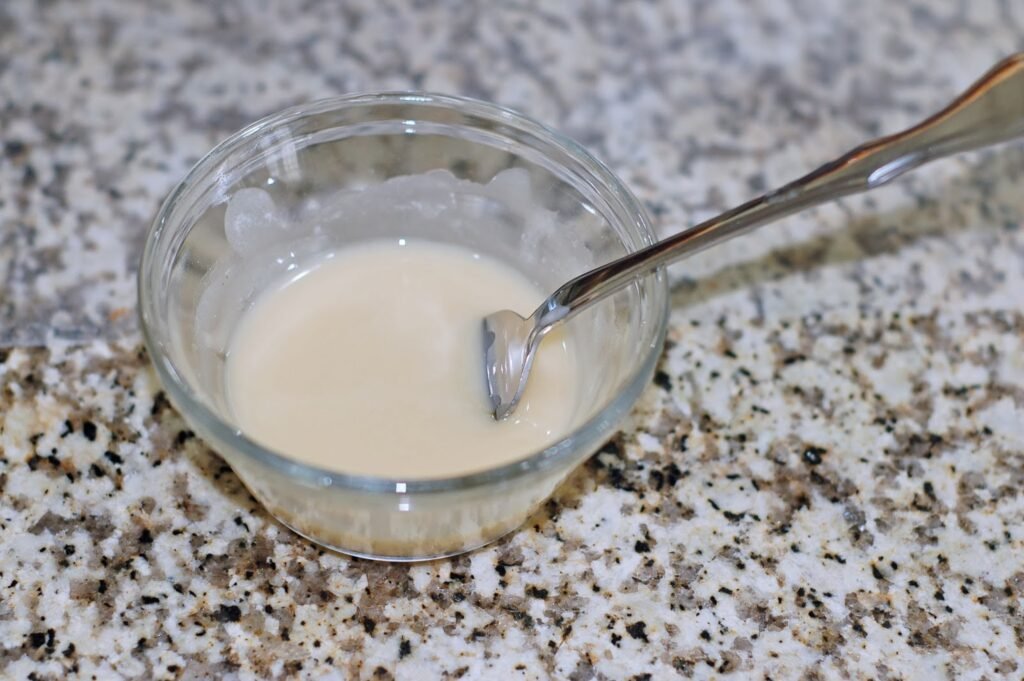
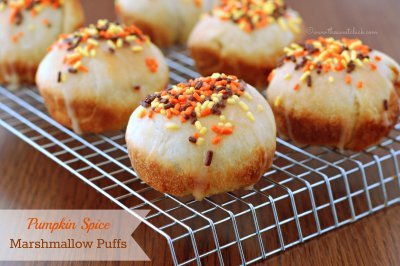
I added a little maple syrup to the glaze for a some extra flavor. And for fun, I added some sprinkles. I like how the marshmallows melt away and leave behind a sweet, gooey filling. The maple glaze topped it off just right.
hese are a great after school treat for the kids or you can double up the recipe for a party. Enjoy!
Pumpkin Spice Marshmallow Puffs
by The Sweet Chick
Prep Time: 15-20 minutes
Cook Time: 12-15 minutes
Keywords: bake dessert snack crescent rolls pumpkin spice pumpkin spice marshmallows maple syrup crescent rolls American fall
Ingredients (8 servings)
For the puffs
- 2 tablespoons sugar
- 1 tablespoon all purpose flour
- 1/2 teaspoon pumpkin pie spice
- 1 can (8 oz.) ready to bake crescent rolls
- 16 Jet-Puffed Pumpkin Spice Mallows
- 2 tablespoons butter, melted
For the glaze
- 1/4 cup powdered sugar
- 1 teaspoon pure maple syrup
- 1 tablespoon milk
Optional toppings
- sprinkles
Instructions
For the puffs
Preheat oven to 375º F.
In a small bowl, mix together the sugar, flour and spice.
Separate crescent rolls into 8 triangles and lay on a flat surface.
First dip each marshmallow in the melted butter, then dip each in the sugar mixture and coat evenly.
Place 2 marshmallows side by side at the widest end of the crescent roll. Wrap the side inwards over the marshmallows then roll until marshmallows are completely covered.
Pinch all seam with fingers to make sure they are sealed. Repeat process for all marshmallows until all crescent rolls are filled.
Dip bottoms of each filled crescent roll in the remaining butter and place buttered side down into a greased muffin pan. You may place muffin pan on a cookie sheet in case of spillage.
Bake at 375ºF for 12-15 minutes or until tops are golden.
Remove from oven and let the crescent puffs cool for 1-2 minutes.
Then remove them from the pan and place them on a cooling rack with a wax paper underneath and prepare the glaze.
For the glaze
in a small bowl mix together the sugar, syrup, and milk until smooth.
Then drizzle evenly over the crescent rolls with a spoon and let the glaze set.
For the toppings
If you want to add sprinkles, add them before the glaze sets.
You can serve these warm or at room temperature. Either way they are just as tasty. And they still taste good the second day if placed in an airtight container.
Related Posts




Subscribe for New Racipies
Get mental health tips, updates, and resources delivered to your inbox.