
Are Pumpkin Soups Safe for Acid Reflux?

Medically reviewed by Aneeza Pervez Updated Date: January 5, 2026
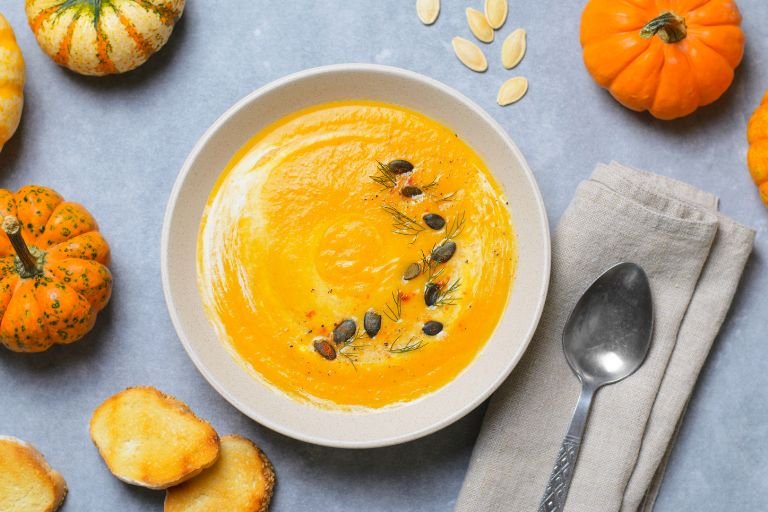
Acid reflux, often referred to as heartburn, can be a frustrating condition. The burning sensation, bloating, and discomfort are often linked to what we eat. For those dealing with acid reflux, finding soothing, low-acid foods is essential to keeping symptoms at bay. Enter pumpkin soup: a creamy, comforting dish that many people enjoy, especially during the colder months. But is pumpkin soup safe for acid reflux sufferers?
Pumpkin is known for its mild flavor and impressive nutrient profile. Unlike acidic fruits and vegetables, pumpkin has a low acidity level, making it a potentially good choice for people with reflux. However, as with any dish, how it’s prepared and what ingredients are used can make a significant difference. Let’s explore whether pumpkin soup can be a reflux-friendly option.
Nutritional Profile of Pumpkin
Vitamins and Minerals in Pumpkin
Pumpkin is a powerhouse of essential nutrients. It’s rich in vitamin A, which supports eye health, and contains ample vitamin C and E, which are known for their antioxidant properties. Additionally, pumpkin provides potassium, magnesium, and a small amount of iron, all of which contribute to overall well-being.
Low Acidity Levels of Pumpkin
Unlike citrus fruits or tomatoes, research suggest that pumpkin has a naturally low acidity level. This makes it an ideal base for a soup that is gentle on the stomach. Its pH level ranges from 5 to 6, which is closer to neutral than acidic.
Pumpkin’s Digestive Benefits
Pumpkin is high in soluble fiber, which can aid digestion by promoting regular bowel movements and reducing the likelihood of bloating and discomfort. For reflux sufferers, this can mean less strain on the digestive system.
Related to Read: Is Pumpkin Puree Acidic?
Are Pumpkin Puree Safe for Acid Reflux?
How Pumpkin Soup Affects Acid Reflux?
Alkalinity of Pumpkin and Its Role in Soothing Reflux
The mildly alkaline nature of pumpkin can help balance stomach acid levels, which is a key factor in managing reflux symptoms. This makes pumpkin soup a soothing choice, especially when prepared with low-acid ingredients.
Impact of Pumpkin Soup’s Texture on Digestion
The smooth, creamy texture of pumpkin soup is easy to digest and less likely to irritate the esophagus or stomach lining. Unlike chunky or spicy soups, its consistency makes it a gentle option for those with sensitive stomachs.
Ingredients to Watch for in Pumpkin Soup
The safety of pumpkin soup for acid reflux depends heavily on the ingredients used. Cream, butter, and high-fat components can worsen reflux symptoms by relaxing the lower esophageal sphincter (LES). Similarly, spices like chili, garlic, or black pepper can be irritants. Choosing simple, reflux-friendly ingredients is essential for making the soup safe.
Author Tip: Is Pumpkin Soup Acidic?
Benefits of Including Pumpkin Soup in a Reflux-Friendly Diet
High Fiber Content and Digestive Health
Fiber in pumpkin helps promote healthy digestion, which is particularly important for reflux sufferers. Soluble fiber absorbs water and forms a gel-like substance in the stomach, aiding in smooth digestion and reducing acid buildup.
Nutrient-Dense but Low-Calorie Option
Pumpkin soup provides a wealth of nutrients without being calorie-dense. This makes it a satisfying yet light meal, helping to avoid overeating—a common reflux trigger.
Hydration and Its Importance in Reflux Management
Soups in general contribute to hydration, and pumpkin soup is no exception. Staying hydrated is crucial for maintaining optimal digestion and preventing acid buildup in the stomach.
Making Reflux-Friendly Pumpkin Soup
Choosing the Right Ingredients
Start with fresh or canned pumpkin (without added sugar or spices). Use low-fat milk, almond milk, or broth as the base to keep the soup light and reflux-friendly.
Avoiding High-Fat or Spicy Additions
Skip heavy cream, butter, or spicy seasonings. Instead, enhance the flavor with mild herbs like parsley, thyme, or a pinch of nutmeg for a soothing and delicious dish.
Recipe Ideas for a Gentle Pumpkin Soup
A simple recipe might include pumpkin puree, low-sodium chicken or vegetable broth, a splash of almond milk, and a sprinkle of cinnamon or nutmeg. Blend it for a smooth texture and serve warm, not piping hot, to avoid irritating the stomach.
Pumpkin Recipes: Maple Pumpkin Rice Krispie Treats
Pumpkin Spice Crepes with a Cinnamon Mascarpone Filling
Biscoff Pumpkin Cupcakes with Marshmallow Fluff Frosting
Foods to Pair with Pumpkin Soup for Reflux Sufferers
Whole-Grain Bread or Crackers
Pairing pumpkin soup with whole-grain bread or crackers can make the meal more filling while adding fiber. Whole grains help stabilize digestion and prevent acid reflux by keeping the stomach from becoming overly acidic.
Leafy Green Side Salads
A side salad with gentle greens like spinach, arugula, or kale complements pumpkin soup well. Avoid adding acidic dressings like vinegar or lemon; opt for a light olive oil drizzle instead.
Author Tip: Are Salads Healthy?
Mild Herbal Teas
Drinking mild, caffeine-free herbal teas like chamomile or ginger tea alongside your pumpkin soup can aid digestion. These teas are known for their soothing properties, which may help alleviate reflux symptoms.
Common Mistakes to Avoid When Eating Pumpkin Soup for Acid Reflux
Adding Too Much Cream or Butter
Heavy cream and butter are common ingredients in traditional pumpkin soup recipes, but their high-fat content can trigger reflux by relaxing the lower esophageal sphincter (LES). Using non-dairy milk or low-fat substitutes keeps the dish reflux-friendly.
Using High-Acid Toppings Like Tomatoes
Adding acidic ingredients like tomatoes or tomato-based sauces can make pumpkin soup less suitable for reflux sufferers. Stick to low-acid flavor enhancers like herbs and mild spices.
Overeating or Consuming Soup Too Hot
Large portions or extremely hot soup can irritate the esophagus and exacerbate reflux. To prevent this, eat smaller servings and allow the soup to cool slightly before consuming.
Pumpkin Soup vs. Other Soups for Acid Reflux
Comparison with Tomato Soup
Unlike pumpkin soup, tomato soup is highly acidic due to its base ingredient. Tomato soup is a common trigger for acid reflux and is best avoided if you’re prone to heartburn. Pumpkin soup is a milder, safer alternative.
How Pumpkin Soup Compares to Broth-Based Soups
Broth-based soups, especially those made with chicken or vegetables, are generally low in fat and easier on the stomach. While pumpkin soup can be just as gentle, its creamy texture makes it more satisfying for a hearty meal.
Creamy Soups and Reflux Risks
Other creamy soups, like those made with heavy cream or cheese, often have a higher fat content than pumpkin soup. These options are more likely to trigger reflux, making pumpkin soup a safer creamy alternative.
Alternatives to Pumpkin Soup for Reflux Sufferers
Sweet Potato Soup
Sweet potato soup shares similar benefits with pumpkin soup. It’s rich in fiber, vitamins, and has a naturally sweet, low-acid profile, making it another excellent option for those with acid reflux.
Carrot and Ginger Soup
Carrots are low in acidity and rich in nutrients, while ginger is known for its anti-inflammatory properties that can help with digestion. Together, they create a soothing soup ideal for reflux management.
Zucchini-Based Soups
Zucchini is an alkaline vegetable that works well in soups. Its mild flavor and high water content make it easy to digest and a good alternative to pumpkin soup.
Expert Tips for Managing Acid Reflux Through Diet
Importance of Portion Control
Overeating is a common trigger for acid reflux, even when consuming low-acid foods like pumpkin soup. Eating smaller portions and savoring your meal can help prevent discomfort.
Identifying Personal Food Triggers
Each person’s triggers for acid reflux may vary. While pumpkin soup is generally safe, it’s essential to pay attention to your body’s reactions and adjust your diet as needed.
Role of Consistent Meal Timings
Irregular meal timings can disrupt digestion and increase the risk of acid reflux. Eating your meals at consistent times each day can improve digestion and reduce symptoms.
FAQs About Pumpkin Soup and Acid Reflux
- Can pumpkin soup trigger acid reflux?
- Pumpkin soup is unlikely to trigger acid reflux if prepared with low-fat and low-acid ingredients. However, personal tolerances may vary.
- Is canned pumpkin safe for reflux-friendly soups?
- Yes, canned pumpkin is safe as long as it doesn’t contain added sugars, spices, or preservatives.
- How often can you eat pumpkin soup with acid reflux?
- You can include pumpkin soup in your diet several times a week, provided you prepare it with reflux-friendly ingredients.
- Are spicy pumpkin soups suitable for reflux sufferers?
- Spicy soups can irritate the stomach and trigger reflux symptoms. Stick to mild seasonings and avoid hot spices like chili or cayenne pepper.
- What are other soothing ingredients to add to pumpkin soup?
- Gentle ingredients like ginger, cinnamon, nutmeg, or coconut milk can enhance the flavor of pumpkin soup without increasing acidity.
Conclusion
Pumpkin soup can be a safe and delicious option for acid reflux sufferers when prepared with care. Its low acidity, nutrient density, and smooth texture make it a gentle and satisfying meal. By avoiding high-fat and spicy ingredients, and by consuming the soup in moderation, you can enjoy this comforting dish without worrying about triggering reflux symptoms.
So, the next time you’re craving a warm bowl of soup, give pumpkin soup a try—your stomach might just thank you!
Related Posts



Subscribe for New Racipies
Get mental health tips, updates, and resources delivered to your inbox.
Pumpkin Pie Spice Granola

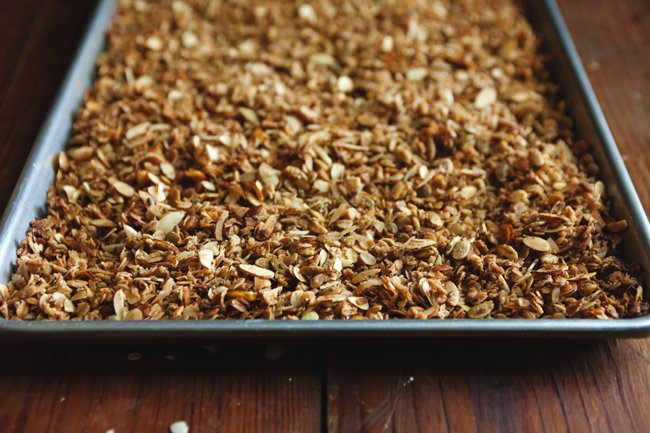
Homemade granola is lovely. It tastes fresher and crisper than anything you get in stores, and you get to customize it to your liking. Hate pecans? Use almonds. Need a little boost of fiber? Throw in flax seeds. Love the smell of pumpkin pies? Use pumpkin pie spices.
I think my favorite part of making granola is deciding on a flavor profile. Cardamom, pistachios, and dried figs go well together, chocolate lovers might throw in a medley of chocolate chips. Cinnamon, nutmeg, ground ginger, and allspice are the strict dominion of pumpkin pie, my favorite kind of pie in the world. So a fall-themed, pumpkin pie spice granola it was.

The process of making granola feels very much like foraging. I had to source a lot of ingredients for this one so that my pantry is now full of bulk bin baggies with trace amounts of their original contents. Into a bowl went heaps of rolled oats, sliced almonds, shiny green pumpkin seeds. Snow-white coconut flakes followed, and flax seeds, and on and on I mixed. Each new ingredient added dimension, another flavor that interacted with all the others just so. And the olive oil? The magical olive oil? I assure you, it will become necessary for your enjoyment of granola. Really.

Finally, the pumpkin pie spices are swallowed up by the mixing bowl. The amount seemed so insubstantial. And yet, when the granola baked, its intoxicating aroma spread to the far reaches of the apartment. We breathed it in and basked in the assurance that the holidays will soon be upon us. We thought with a chill about how quickly time has passed, how it seemed like just yesterday when we moved in. (Gosh, is this blog really only four months old?)
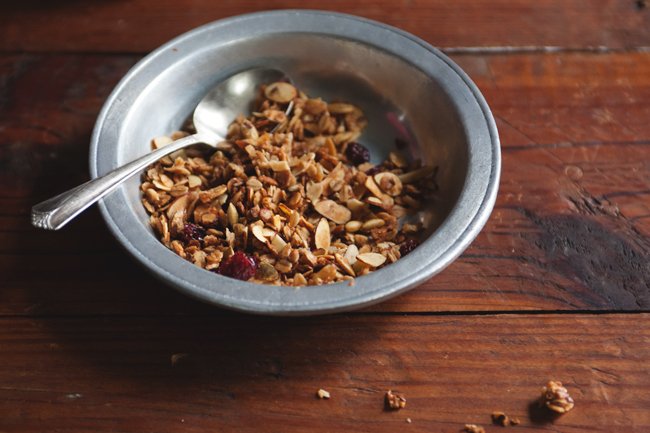
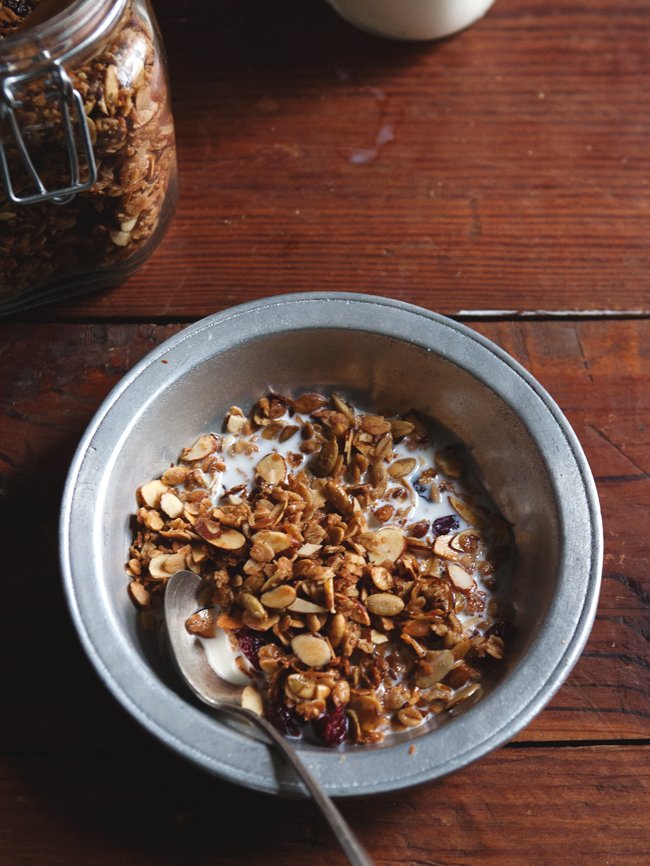
I like granola best with a long pour of whole milk and a steaming mug of coffee, black, on the side. It’s a breakfast that incentivizes me to leave my warm bed, start the water boiling for the french press. I reach for the milk, a big bowl, and a large spoon. It has to be large. You’ll want it to be large too.
But if you were to feel a sudden afternoon craving for something sweet, this granola would make a fine snack. Just plain. Maybe in a Zip-loc bag with its wide opening, the better for grabbing large handfuls. I don’t see why not.
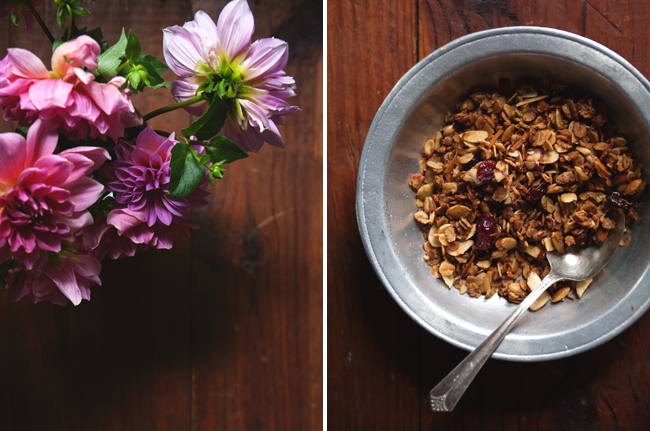

PUMPKIN PIE SPICE GRANOLA
Adapted from Melissa Clark for The New York Times
Makes about 9 cups
Ingredients:
3 cups old-fashioned rolled oats
1-1/2 cups raw sliced almonds
1 cup pumpkin seeds
1 cup sweetened coconut flakes
1/4 cup flax seeds
3/4 cup pure maple syrup
1/2 cup extra virgin olive oil
1/3 cup light brown sugar, packed
1 tsp salt
1/2 tsp cinnamon
1/4 tsp nutmeg
1/4 tsp ground ginger
1/8 tsp allspice
3/4 cup dried cranberries
Directions:
Preheat oven to 300 degrees. In a large bowl, combine oats, almonds, pumpkin seeds, coconut flakes, flax seeds, maple syrup, olive oil, brown sugar, salt, cinnamon, nutmeg, ginger, and allspice.
Spread mixture on a rimmed baking sheet in an even layer and bake for 45 minutes, stirring every 10 minutes, until golden brown and well toasted.
Transfer granola to a large bowl and add cranberries, tossing to combine.
Related Posts






Subscribe for New Racipies
Get mental health tips, updates, and resources delivered to your inbox.