
Are Pumpkin Puree Safe for Acid Reflux?

Medically reviewed by Aneeza Pervez Updated Date: January 2, 2026
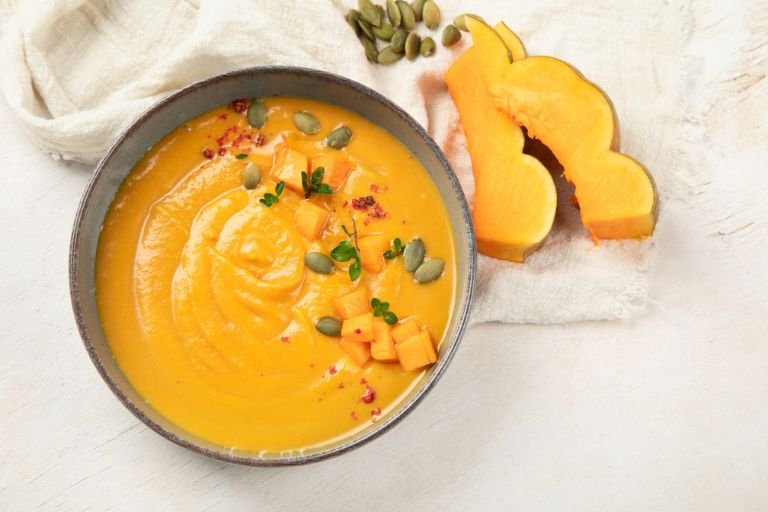
Pumpkin puree, made from cooked and blended pumpkin, is a versatile ingredient often used in soups, desserts, and savory dishes. Its naturally sweet and creamy texture makes it a popular choice for healthy recipes. But if you suffer from acid reflux or GERD (gastroesophageal reflux disease), you might be asking: “Is pumpkin puree safe for acid reflux?”
The good news is that pumpkin puree is generally safe for acid reflux sufferers. With its mild, low-acid nature, high fiber content, and rich nutritional profile, pumpkin puree can actually help soothe digestion and reduce reflux symptoms. However, portion size, preparation methods, and accompanying ingredients can all influence how well it works in a reflux-friendly diet.
In this article, we’ll explore why pumpkin puree is considered safe for acid reflux, its nutritional benefits, and tips for incorporating it into your meals without triggering symptoms.
Is Pumpkin Puree Acidic or Alkaline?
Pumpkin puree is considered a low-acid food, with a pH level ranging between 4.9 and 5.2. While this places it in the mildly acidic category, its overall effect on digestion is gentle, making it a safe option for most people with acid reflux.
Additionally, pumpkin puree has alkalizing properties when metabolized in the body, helping to neutralize stomach acid and reduce irritation in the esophagus. Compared to other acidic foods like tomatoes or citrus fruits, pumpkin puree is far less likely to trigger reflux symptoms.
Author Tip: Is Pumpkin Puree Acidic?
Nutritional Profile of Pumpkin Puree
Pumpkin puree is packed with essential nutrients that promote overall health and support digestion. Here’s what makes it a nutrient-dense, reflux-friendly food:
1. High in Fiber
- One cup of pumpkin puree contains about 7 grams of fiber, which supports healthy digestion, reduces bloating, and prevents overeating—one of the common triggers of acid reflux.
2. Low in Calories and Fat
- With only 80 calories per cup and virtually no fat, pumpkin puree is light and easy to digest, making it a perfect option for those managing reflux symptoms.
3. Rich in Vitamins
- Vitamin A: Promotes healthy mucous membranes, including those in the digestive tract, helping to protect the esophagus from stomach acid.
- Vitamin C: Reduces inflammation and promotes healing.
- Vitamin E: A powerful antioxidant that soothes and protects the digestive lining.
4. Contains Essential Minerals
- Potassium: Helps maintain electrolyte balance and supports muscle function, including the lower esophageal sphincter (LES), which prevents stomach acid from flowing back into the esophagus.
- Magnesium: Relaxes the digestive muscles and helps reduce reflux episodes.
5. High Water Content
- Pumpkin puree is about 90% water, which helps hydrate the body and dilute stomach acid, reducing reflux symptoms.
Also Read: Is Pumpkin Soup Acidic?
Why Pumpkin Puree is Good for Acid Reflux?
Research suggests that Pumpkin puree offers a range of benefits that make it suitable for acid reflux sufferers. Here’s why:
1. Gentle on the Stomach
- Pumpkin puree’s low acidity and smooth texture make it soothing for the stomach and esophagus, reducing the risk of irritation.
2. Aids in Digestion
- The fiber content in pumpkin puree helps regulate bowel movements, prevent constipation, and reduce bloating—key factors in managing acid reflux.
3. Prevents Overeating
- Its fiber and water content promote a feeling of fullness, preventing overeating, which is a common reflux trigger.
4. Reduces Inflammation
- Pumpkin’s antioxidants and anti-inflammatory compounds can soothe irritation in the esophagus caused by stomach acid.
5. Supports the Lower Esophageal Sphincter (LES)
- Minerals like magnesium and potassium help keep the LES functioning properly, preventing stomach acid from traveling back into the esophagus.
Tips for Using Pumpkin Puree in a GERD-Friendly Diet
To ensure pumpkin puree works well in a reflux-friendly diet, follow these tips:
1. Choose Unsweetened Pumpkin Puree
- Opt for pure, unsweetened pumpkin puree. Avoid canned pumpkin pie filling, which contains added sugars, spices, and preservatives that may trigger reflux symptoms.
2. Watch Your Portion Size
- Stick to 1/2 to 1 cup per serving. Even reflux-friendly foods can cause discomfort if consumed in large quantities.
3. Avoid High-Fat Additions
- Skip heavy creams, butter, or fried preparations when using pumpkin puree. Pair it with low-fat or non-fat ingredients instead.
4. Pair with Alkaline Foods
- Combine pumpkin puree with reflux-friendly ingredients like oats, bananas, or lean proteins to create balanced meals.
5. Avoid Spicy or Acidic Additions
- Refrain from adding spicy seasonings or acidic ingredients like vinegar or citrus to pumpkin puree dishes, as these can irritate the stomach and esophagus.
Related to Read: Are Pumpkin Seeds Safe for Acid Reflux?
Reflux-Friendly Pumpkin Puree Recipes
1. Pumpkin Oatmeal
Ingredients:
- 1/2 cup oats
- 1/2 cup pumpkin puree
- 1 cup unsweetened almond milk
- 1/2 teaspoon cinnamon (optional)
- 1 teaspoon honey (optional)
Instructions:
- Cook oats in almond milk as directed.
- Stir in pumpkin puree, cinnamon, and honey.
- Serve warm as a hearty, reflux-friendly breakfast.
2. Pumpkin and Banana Smoothie
Ingredients:
- 1/2 cup pumpkin puree
- 1 small banana
- 1 cup unsweetened almond milk
- 1/2 teaspoon vanilla extract
Instructions:
- Blend all ingredients until smooth.
- Serve as a refreshing, acid reflux-friendly snack.
3. Pumpkin Soup
Ingredients:
- 1 cup pumpkin puree
- 2 cups low-sodium vegetable broth
- 1/4 cup unsweetened almond milk
- A pinch of salt and pepper
Instructions:
- Heat pumpkin puree and vegetable broth in a pot over medium heat.
- Stir in almond milk and season with salt and pepper.
- Serve warm with a slice of whole-grain bread.
More Pumpkin Recipes: Pumpkin, Banana, & Apple Yogurt Smoothie
Pumpkin Dulce de Leche Chocolate Chip Cookies
Pumpkin Spice Crepes with a Cinnamon Mascarpone Filling
Frequently Asked Questions About Pumpkin Puree and Acid Reflux
1. Is pumpkin puree acidic?
Pumpkin puree is mildly acidic but has alkalizing effects when metabolized in the body, making it safe for acid reflux sufferers.
2. Can pumpkin puree trigger acid reflux?
Pumpkin puree is unlikely to trigger reflux. However, consuming it in large quantities or pairing it with fatty or spicy ingredients may cause discomfort.
3. Is canned pumpkin puree safe for GERD?
Yes, plain canned pumpkin puree is safe for GERD, but avoid sweetened or spiced varieties like pumpkin pie filling.
4. How much pumpkin puree can I eat if I have acid reflux?
Stick to 1/2 to 1 cup per serving to avoid overeating, which can put pressure on the stomach and trigger reflux symptoms.
5. What are other reflux-friendly vegetables?
Other reflux-friendly vegetables include zucchini, carrots, spinach, cucumbers, and sweet potatoes.
Final Thoughts
Pumpkin puree is a nutrient-dense, low-acid food that is generally safe and beneficial for individuals with acid reflux or GERD. Its high fiber and water content, along with its soothing properties, make it a great addition to a reflux-friendly diet.
Whether enjoyed in oatmeal, smoothies, or soups, pumpkin puree can help improve digestion, reduce inflammation, and prevent reflux symptoms when consumed in moderation. Just be sure to avoid high-fat or overly spiced preparations to get the most out of this versatile and healthy ingredient.
Related Posts



Subscribe for New Racipies
Get mental health tips, updates, and resources delivered to your inbox.
Are Cheerios Healthy? Expert Analysis and Nutritional Insights

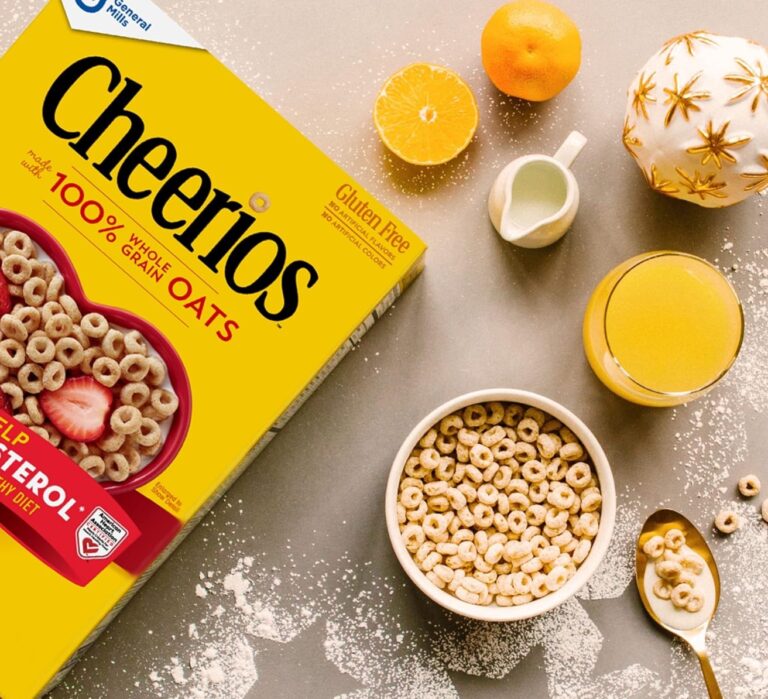
Walk down the cereal aisle of any grocery store, and you will see the familiar yellow box. For decades, Cheerios have been the gold standard of American breakfasts—the first finger food for toddlers, the heart-healthy choice for grandparents, and the quick fix for busy students.
But as our understanding of nutrition evolves, so do our questions. In an era where “processed food” is a dirty word and low-carb diets reign supreme, many are asking: Are Cheerios healthy?
Are they actually a nutritious start to the day, or just a successful marketing campaign? Are Cheerios healthy for you if you are trying to lose weight or manage diabetes? And what about the headlines concerning pesticides?
In this definitive guide, we will pore over the facts (and the milk). We will analyze the ingredients, dissect the “heart-healthy” claims, compare the U.S. versions to those in the UK and Australia, and rank the different flavors from best to worst.
What Are Cheerios Made Of? (Ingredients Breakdown)
To determine are Cheerios healthy or unhealthy, we must look beyond the front of the box and investigate the ingredient list.
The Base: Whole Grain Oats
The primary ingredient in original Cheerios is whole grain oats.
Unlike many sugary cereals made from refined corn or wheat flour, oats are a powerhouse ingredient. They contain the germ, endosperm, and bran, providing fiber, vitamins, and antioxidants.
This is the main reason why many nutritionists argue that Cheerios are healthier than their aisle-mates.
The Additives
However, Cheerios are not just oats. The ingredient list also includes:
- Corn Starch: Used as a thickener and binder.
- Sugar: Even the plain version has a small amount (about 1-2g) to enhance flavor.
- Salt: For preservation and taste.
- Tripotassium Phosphate: An additive used to adjust acidity and maintain the cereal’s texture.
- Vitamin E (Mixed Tocopherols): Added to preserve freshness.
Are Cheerios Processed Food?
Yes. There is no denying that Cheerios are processed food. You cannot pluck a Cheerio from a tree.
The oats are ground into flour, mixed with water and other ingredients to form a dough, cooked, and then “extruded” (pushed through a die/shape) to create the iconic “O” shape. Finally, they are toasted and sprayed with vitamins.
Are Cheerios highly processed food? They fall into a gray area. They are processed, but they are not “ultra-processed” in the same way as a snack cake or a candy-colored sugary cereal is. They retain a significant amount of the original grain’s nutritional integrity.
Cheerios Nutrition Facts (Plain vs Flavored)
When asking how healthy are Cheerios, the answer depends entirely on which box you buy. The nutritional gap between Original Cheerios and Honey Nut Cheerios is massive.
Nutrition Comparison (Per 1 Cup Serving)
| Nutrient | Original Cheerios (The “Yellow Box”) | Honey Nut Cheerios |
| Calories | 100 | 140 |
| Total Fat | 2g | 2g |
| Carbohydrates | 20g | 30g |
| Dietary Fiber | 3g | 2g |
| Sugars | 1g | 12g |
| Protein | 3g | 3g |
| Sodium | 140mg | 210mg |
| Iron | 45% DV | 45% DV |
The “Healthiest Cheerios” Verdict
Looking at the data, are regular Cheerios healthy? Yes. They are low in sugar, moderate in fiber, and fortified with essential vitamins.
However, once you switch to flavored varieties, the sugar content skyrockets. We will explore this deeper in the ranking section.
Why Are Cheerios Considered Heart-Healthy?
You have seen the red heart on the box. You have seen the commercials about lowering cholesterol. Why are Cheerios heart healthy, and is this claim legit?
The Power of Beta-Glucan
The magic ingredient in oats is a type of soluble fiber called beta-glucan.
When you eat beta-glucan, it forms a gel-like substance in your gut. This gel binds to cholesterol-rich bile acids and excretes them from your body.
Because your body needs cholesterol to make more bile, it pulls cholesterol from your blood, effectively lowering your LDL (bad) cholesterol levels.
The FDA Claim
Cheerios was one of the first foods to qualify for the FDA’s heart health claim.
To verify if are Cheerios actually heart healthy:
- Studies show that consuming 3 grams of soluble fiber from whole grain oats daily, as part of a diet low in saturated fat and cholesterol, may reduce the risk of heart disease.
- One serving of Cheerios provides about 1 gram of soluble fiber. So, you would need to eat 3 bowls (or combine it with other oat products) to hit that therapeutic dose.
Who Benefits Most?
If you have high cholesterol, swapping bacon and eggs for Cheerios is a smart move. However, if you are eating Honey Nut Cheerios, the added sugar might negate some of the heart health benefits by contributing to inflammation and triglycerides.
Are Cheerios Healthy for Breakfast?
Are Cheerios a healthy breakfast? They can be, but eaten alone, they are nutritionally incomplete.
The Blood Sugar Issue
Cereal is a carbohydrate-heavy meal. Even with the fiber from the oats, a bowl of dry Cheerios with skim milk can cause a blood sugar spike followed by a crash, leaving you hungry by 10:30 AM.
How to Build a Balanced Bowl
To make Cheerios healthy to eat as a full meal, you need to add protein and healthy fats to slow down digestion.
- The Upgrade: Top your bowl with sliced almonds, chia seeds, or walnuts.
- The Milk: Use Greek yogurt (high protein) instead of milk, or pair the cereal with a side of scrambled eggs.
- The Milk Choice: Are Cheerios healthy with oat milk? Be careful—oat milk is often high in carbs. Unsweetened almond milk or cow’s milk offers a better balance for this specific cereal.
Is It Okay to Eat Cheerios Every Day?
We are creatures of habit. Is it okay to eat Cheerios every day?
The Daily Habit Verdict
Yes, Cheerios are healthy to eat everyday for the vast majority of people.
- Consistency: It ensures you get a daily dose of iron and folate (Cheerios are heavily fortified).
- Fiber: It helps keep your digestion regular.
When to Stop Eating Cheerios Daily
You might wonder, Should I stop eating Cheerios?
Consider stopping or cutting back if:
- You rely on them too much: If you eat them for breakfast, lunch, and dinner, you are missing out on proteins and vegetables.
- You only eat the sugary versions: Eating Honey Nut Cheerios daily is akin to eating a dessert daily due to the added sugar.
- You have specific gut issues: Some people with SIBO (Small Intestinal Bacterial Overgrowth) may find the additives or starches in processed oats trigger bloating.
Are Cheerios Healthy for Weight Loss?
If you are counting calories, are Cheerios healthy for weight loss?
The Calorie Advantage
Plain Cheerios are excellent for weight loss because of “volume.”
You can eat a whole cup of Cheerios for only 100 calories. Compare that to granola, where 100 calories is often just a measly 1/4 cup.
- Visual Satisfaction: A full bowl looks satisfying, which helps trick the brain into feeling full.
- Snackability: Are Cheerios a healthy snack? Yes. Eating them dry one by one takes time, which can help curb mindless binge eating.
The “Milk” Trap
Where people fail is the milk. If you pour a large bowl of cereal (2 cups = 200 cals) and add 1 cup of whole milk (150 cals) and a sliced banana (100 cals), your “light” snack is now 450 calories. Measure your portions if weight loss is the goal.
Are Cheerios Healthy for Diabetics?
Managing blood sugar requires strict carb awareness. Are Cheerios healthy for diabetics?
Glycemic Index (GI)
- Original Cheerios: Moderate GI (around 74).
- Oatmeal (Rolled): Lower GI (around 55).
Because Cheerios are processed and pulverized oats, they digest faster than whole oats. This means they can raise blood sugar relatively quickly.
Best Practices for Diabetics
- Stick to the Yellow Box: Flavored Cheerios have too much added sugar (sucrose/honey/corn syrup).
- Portion Control: Stick to 1/2 or 3/4 cup.
- Pairing: Never eat them “naked.” Eat them with a handful of peanuts or mix them into cottage cheese to blunt the glucose spike.
Are Cheerios Healthy for Kids, Toddlers & Babies?
Cheerios are practically a rite of passage for babies. But are Cheerios healthy for kids and infants?
Cheerios for Babies
Are Cheerios healthy for baby?
Yes. Pediatricians often recommend them as one of the first “finger foods” (usually around 9 months) because:
- Motor Skills: The “O” shape is perfect for developing the “pincer grasp.”
- Dissolvability: They dissolve quickly in the mouth, posing a lower choking risk than other solids.
- Iron: They are fortified with iron, a critical nutrient for breastfed babies starting solids.
Safety Note: Always supervise your baby. Ensure they are sitting upright.
Cheerios for Toddlers
They are a great convenience food. However, parents should be wary of the “Honey Nut trap.” Toddlers love the sweet taste, but the added sugar is unnecessary at that age.
Stick to the plain yellow box or the “Berry” versions that are flavored with fruit puree rather than just syrup (check labels carefully).
Are Cheerios Healthy in the UK and Australia?
Food formulas change across borders. Are Cheerios healthy UK or Australia versions?
The UK Recipe
In the UK (sold by Nestlé), Cheerios often contain:
- Different Grains: UK Cheerios are typically “Multigrain” by default (Oats, Wheat, Barley, Corn, Rice).
- Sugar: The standard UK Cheerio is slightly sweeter than the US “Plain” Cheerio but contains less sugar than the US Honey Nut.
- Additives: The EU and UK have stricter regulations on certain dyes and preservatives (like BHT), so the ingredient lists are often “cleaner” regarding preservatives.
The Australian Recipe
Are Cheerios healthy in Australia? Similar to the UK, the formulation differs. Australian Cheerios (Uncle Tobys) have a 4-star health rating.
They are generally lower in sugar than American flavored cereals, but always check the “Per 100g” sugar column on the label.
Are Cheerios Bad for You? Potential Downsides
We have covered the good. Now, are Cheerios bad for you? What are the risks?
1. Glyphosate (Roundup) Residue
This is the elephant in the room. A few years ago, headlines screamed that glyphosate (a weed killer) was found in oat products, including Cheerios.
- The Reality: Yes, trace amounts were found. However, the levels detected were well below the EPA’s safety limits for human consumption.
- Scientific Consensus: You would have to eat hundreds of bowls of Cheerios a day to reach a dangerous level of glyphosate exposure. However, if you want to avoid it entirely, look for “Organic” Cheerios, as organic farming bans glyphosate.
2. Lack of Protein
Cheerios are carb-dominant. Relying on them for nutrition can lead to muscle loss or metabolic slowing if you aren’t getting protein elsewhere.
3. Fortified vs. Natural
Are Cheerios healthy and safe to eat? Yes, but the vitamins (Iron, B12, D) are sprayed onto the cereal. These synthetic vitamins are generally well-absorbed, but whole food sources (like meat for iron or sun for Vitamin D) are biologically superior.
Are Cheerios Healthier Than Oatmeal?
The ultimate oat showdown: Which is healthier Cheerios or oatmeal?
Comparison
| Feature | Steel Cut / Rolled Oats | Original Cheerios |
| Processing | Minimal (Whole) | Moderate (Extruded) |
| Digestion | Slow (Low GI) | Faster (Mod GI) |
| Fiber | Higher (4g+) | Moderate (3g) |
| Sugar | 0g | 1g |
| Additives | None | Corn Starch, Phosphate, Preservatives |
| Convenience | Low (Cook time) | High (Ready to eat) |
The Verdict
Oatmeal is healthier. It is less processed, has a lower glycemic index, and contains no additives.
However, is Cheerios the healthiest cereal compared to others? It is certainly healthier than Froot Loops or Frosted Flakes. It is a solid “Plan B” when you don’t have time to cook oats.
Are Cheerios Actually Healthy or Just Good Marketing?
If you browse online forums, you will see threads titled “Are Cheerios healthy Reddit” full of skepticism.
Common Reddit Concerns
- “It’s just dog food for humans.” (Referring to the processing).
- Fact Check: While processed, the fortification of vitamins has helped eradicate nutrient deficiencies like Rickets and Neural Tube Defects in the US population.
- “It’s high carb trash.”
- Fact Check: For active people, carbs are fuel. “High carb” is only “trash” if you are sedentary or on a Keto diet.
- “The heart healthy claim is a lie.”
- Fact Check: It is not a lie, but it is an exaggeration. Eating Cheerios alone won’t fix a bad diet, but the soluble fiber mechanism is scientifically proven.
Are Cheerios actually healthy?
They are a “neutral-to-good” food. They are not a superfood like kale, but they are not a junk food like a donut. They sit comfortably in the middle.
Healthiest Cheerios Ranked (Best to Worst)
Not all boxes are equal. Here is the definitive ranking of the healthiest Cheerios.
1. Original Cheerios (Yellow Box)
- Why: Lowest sugar (1g), simple ingredients, classic nutrition.
- Verdict: The gold standard.
2. Cheerios Oat Crunch (Berry/Almond)
- Why: While higher in sugar, the texture comes from whole oats added to the Os, providing impressive fiber and satiety.
3. Multigrain Cheerios
- The Trap: Are multigrain Cheerios healthy? They sound healthy, but read the label. They have 6g of sugar per serving (6x the amount of plain Cheerios).
- Verdict: Good variety of grains, but higher sugar than you expect.
4. Honey Nut Cheerios
- Why: The most popular, but essentially a dessert cereal. 12g of sugar per serving is 3 teaspoons.
- Verdict: Treat it as a sweet treat, not a health food.
5. Chocolate / Fruity / Frosted Cheerios
- Why: These are sugar bombs loaded with corn syrup and flavorings.
- Verdict: Unhealthy.
Are Flavored Cheerios Healthy? (Deep Dive)
Let’s look closer at the specific flavors people ask about.
Is Honey Nut Cheerios Healthy?
Marketing says yes; nutritionists say no. The “honey” is usually the 4th or 5th ingredient, often behind sugar and brown sugar syrup. The nut flavor is often from “natural almond flavor” (peach pits) rather than actual nuts. It is fine in moderation, but do not consider it a low-sugar breakfast.
Are Apple Cinnamon Cheerios Healthy?
They contain about 10g of sugar per serving. While they do use apple puree concentrate, the sugar load is high. They are marginally better than the chocolate version but worse than Multigrain.
Are Chocolate Cheerios Healthy?
No. They are comparable to Cocoa Puffs. They might be whole-grain-based, but the sugar content pushes them into the “junk food” category.
Are Cheerios a Healthy Snack?
Forget breakfast—what about dry snacking?
Dry Snacking Pros & Cons
Are Cheerios a healthy snack?
- Pros: They are crunchy, non-perishable, and low-fat. A cup of dry Cheerios is a high-volume snack that can satisfy a craving for chips or popcorn.
- Cons: It is easy to overeat. Because they are small and airy, you can easily eat 3 cups while watching a movie without realizing you just consumed 300 calories and 60g of carbs.
Best Way to Snack
Make your own trail mix. Mix 1 cup Original Cheerios with 1/4 cup roasted peanuts and 1 tbsp dark chocolate chips. This adds protein and fat to keep you full.
Frequently Asked Questions
Are Cheerios healthy?
Yes, Original Cheerios are healthy. They are made from whole grain oats, are low in sugar, and provide essential vitamins and minerals. However, flavored varieties like Honey Nut are high in added sugar.
Are Cheerios a healthy cereal?
A: Compared to most breakfast cereals, Cheerios are among the healthiest options due to their whole grain content and fiber. They are superior to refined sugary cereals but less nutritious than steel-cut oats.
Are Cheerios processed food?
Yes, Cheerios are processed. The oats are ground, cooked, and extruded into shapes. However, they are fortified with vitamins and retain the fiber of the whole oat, making them a “better-for-you” processed food.
Are Cheerios healthy for you to eat every day?
Yes, eating plain Cheerios daily is safe and can contribute to lowering cholesterol. Just ensure you eat a varied diet with plenty of protein and vegetables alongside them.
Are Cheerios healthy for weight loss?
Yes. They are low in calories and fat. The fiber content helps with satiety. Stick to the Original flavor and measure your serving sizes to avoid calorie creep.
Conclusion: Are Cheerios Healthy?
So, are Cheerios healthy? The answer is a qualified yes, provided you pick the right box.
Original Cheerios remain a champion of the breakfast aisle. They offer an accessible, affordable, and palatable way to get whole grains into your diet. Are Cheerios healthy for you? If you need to lower cholesterol, feed a toddler safely, or find a low-calorie snack, they are an excellent choice.
However, if you are diabetic, on a strict keto diet, or sensitive to processed grains, you may want to stick to traditional oatmeal or eggs.
The Final Takeaway:
- Buy: The Yellow Box (Original).
- Limit: Multigrain (moderate sugar).
- Avoid: Honey Nut, Chocolate, and Frosted (high sugar).
Pour a bowl, add some berries and walnuts, and enjoy a classic, heart-healthy breakfast that has stood the test of time.
References & Further Reading
- U.S. Food and Drug Administration (FDA): Health Claim Notification for Whole Grain Oats and Risk of Coronary Heart Disease.
- Harvard T.H. Chan School of Public Health: The Nutrition Source: Oats.
- General Mills (Cheerios): Official Nutrition Facts & Ingredients.
- Environmental Working Group (EWG): Report on Glyphosate in Oats.
Related Posts






Subscribe for New Racipies
Get mental health tips, updates, and resources delivered to your inbox.