
Are Bok Choy Good for Acid Reflux?

Medically reviewed by Aneeza Pervez Updated Date: January 2, 2026
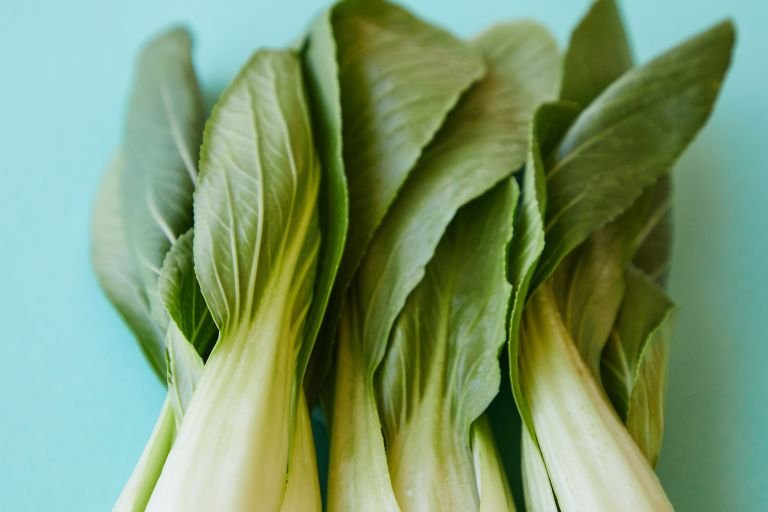
Acid reflux, also known as gastroesophageal reflux disease (GERD), occurs when stomach acid flows back into the esophagus, causing symptoms like heartburn, bloating, and regurgitation. Managing acid reflux often requires dietary adjustments, and many individuals look for foods that are gentle on the stomach and won’t trigger symptoms. Bok choy, a type of Chinese cabbage, is a nutrient-dense vegetable that is frequently touted for its health benefits. But is bok choy good for acid reflux?
In this article, we will explore bok choy’s nutritional properties, its potential benefits for those with acid reflux, and practical ways to incorporate it into a reflux-friendly diet.
Nutritional Profile of Bok Choy
Bok choy is a low-calorie vegetable that is packed with essential nutrients. It belongs to the cruciferous vegetable family, along with broccoli, kale, and cabbage. Here’s what makes bok choy a powerhouse:
- Rich in Vitamins and Minerals
- Vitamin C: Supports immune health and helps repair tissues.
- Vitamin K: Promotes blood clotting and bone health.
- Calcium: Essential for strong bones and muscle function.
- Potassium: Helps regulate blood pressure and balances electrolytes.
- High in Antioxidants
Bok choy contains antioxidants like beta-carotene and flavonoids, which can reduce inflammation and protect against oxidative stress. - Low in Calories and Fat
With only about 9 calories per 100 grams, bok choy is an excellent option for those looking to maintain a healthy weight. - Good Source of Fiber
Bok choy is rich in dietary fiber, which supports digestive health by promoting regular bowel movements and reducing the risk of constipation.
Why Bok Choy May Be Good for Acid Reflux?
Bok choy is considered one of the best vegetables for individuals with acid reflux due to its low acidity and high nutrient content. Here’s why it may be beneficial:
1. Low Acidity
Bok choy is a mildly alkaline vegetable, meaning it can help balance stomach acid levels. Foods with low acidity are less likely to trigger reflux symptoms and can create a more neutral environment in the stomach.
2. Rich in Fiber
The fiber in bok choy aids digestion and prevents stomach contents from lingering too long, which can reduce the chances of acid reflux. Fiber also promotes satiety, helping you avoid overeating—a common trigger for reflux.
3. Anti-Inflammatory Properties
Bok choy’s antioxidants, such as beta-carotene and quercetin, may reduce inflammation in the esophagus caused by acid reflux, providing relief from symptoms like heartburn and irritation.
4. Supports Digestive Health
The nutrients in bok choy, including potassium and calcium, support overall digestive function. A healthy digestive system is better equipped to handle acid reflux symptoms.
How to Incorporate Bok Choy into an Acid Reflux-Friendly Diet?
Bok choy is a versatile vegetable that can be prepared in a variety of ways to suit an acid reflux-friendly diet. Here are some tips:
1. Steam or Sauté Bok Choy
Cooking bok choy gently by steaming or sautéing it in a small amount of olive oil can make it easier to digest. Avoid frying or adding spicy seasonings, as these can aggravate reflux.
2. Add to Soups and Stir-Fries
Bok choy works well in soups and stir-fries alongside other reflux-friendly ingredients like ginger, zucchini, or lean proteins. Opt for low-sodium broths to avoid excessive salt intake, which can worsen reflux.
3. Use as a Side Dish
Serve steamed bok choy as a side dish to complement alkaline foods like baked sweet potatoes or grilled fish. This combination can create a well-balanced, reflux-friendly meal.
4. Blend into Smoothies
While less common, bok choy can be added to green smoothies with other mild vegetables like spinach and cucumber. Pair it with almond milk or water as a base to keep the drink soothing.
Recipes Featuring Bok Choy
Here are two easy and acid reflux-friendly recipes to help you enjoy bok choy:
Bok Choy and Ginger Stir-Fry
Ingredients
- 2 cups fresh bok choy, chopped
- 1 teaspoon grated ginger
- 1 tablespoon olive oil
- A pinch of salt
Instructions
- Heat olive oil in a pan over medium heat.
- Add ginger and sauté for 1 minute.
- Add bok choy and cook for 3-4 minutes until tender.
- Season lightly with salt and serve as a side dish.
Bok Choy Soup
Ingredients
- 4 cups low-sodium vegetable broth
- 2 cups bok choy, chopped
- 1/2 cup diced carrots
- 1/2 teaspoon garlic powder (optional)
Instructions
- Heat the broth in a pot over medium heat.
- Add carrots and cook until tender, about 5 minutes.
- Add bok choy and cook for another 3 minutes.
- Season with garlic powder if desired, and enjoy warm.
When to Avoid Bok Choy?
Although bok choy is generally safe for individuals with acid reflux, it may not suit everyone. Here are some scenarios where you might need to limit or avoid bok choy:
- Cruciferous Sensitivity
Some people experience bloating or gas after consuming cruciferous vegetables like bok choy. These symptoms can exacerbate acid reflux in sensitive individuals. - Overeating
Even reflux-friendly foods like bok choy can trigger symptoms if consumed in large quantities. Portion control is key to preventing discomfort. - Food Intolerances
If you experience adverse reactions like nausea or stomach pain after eating bok choy, it’s best to consult a healthcare provider to rule out any underlying intolerances.
Author Tip: 7 Kinds of Foods to Avoid with GERD
Conclusion
Bok choy is a nutrient-dense, reflux-friendly vegetable that offers numerous health benefits. Its low acidity, fiber content, and anti-inflammatory properties make it an excellent choice for individuals managing acid reflux. By incorporating bok choy into your meals in simple, gentle ways—such as steaming, sautéing, or adding it to soups—you can enjoy its flavor and support your digestive health.
However, as with any food, it’s essential to pay attention to your body’s response. Start with small portions and monitor your symptoms to ensure that bok choy is a suitable addition to your acid reflux management plan. With its versatility and health benefits, bok choy can be a valuable ally in maintaining a reflux-friendly diet.
Related Posts



Subscribe for New Racipies
Get mental health tips, updates, and resources delivered to your inbox.
Are Spinach Leaves Acidic? Spinach Leaves and Acid Reflux


Are Spinach Leaves Acidic? Spinach Leaves and Acid Reflux
Spinach is often hailed as a superfood due to its impressive nutrient profile and versatility in various dishes. But for individuals suffering from acid reflux or aiming to maintain a balanced pH in their diet, the question arises: are spinach leaves acidic? Understanding the pH properties of spinach leaves can help determine their role in managing acid reflux and overall digestive health. This leafy green is widely recognized for being rich in vitamins, minerals, and antioxidants, but does it contribute to acidity or alleviate it?
In this comprehensive guide, we’ll explore whether spinach leaves are acidic or alkaline, their benefits for acid reflux sufferers, and how they compare to other greens. Additionally, we’ll uncover the best ways to include spinach in a reflux-friendly diet and address common misconceptions about this nutrient-packed vegetable.
If you’re wondering whether spinach is the right choice for your digestive health, keep reading!
What Makes a Food Acidic or Alkaline?
Understanding pH and Its Role in Nutrition
The pH scale measures the acidity or alkalinity of substances on a scale of 0 to 14, with 7 being neutral. Foods below 7 are acidic, while those above 7 are alkaline. Spinach, like other leafy greens, has unique pH properties that make it a valuable addition to a balanced diet.
How Acid-Forming Foods Affect the Body
Acid-forming foods, such as fried items, processed sugars, and caffeine, can increase stomach acidity and trigger acid reflux. Conversely, alkaline foods help neutralize stomach acid, reducing irritation and promoting better digestive health.
Importance of Alkaline Foods for Acid Reflux
For individuals with acid reflux, incorporating more alkaline foods into their diet can alleviate symptoms by reducing acid production in the stomach. Spinach, as we’ll see, plays a significant role in this dietary adjustment.
Are Spinach Leaves Acidic or Alkaline?
Natural pH of Spinach Leaves
Raw spinach leaves are considered mildly alkaline, with a pH value that typically falls between 7.0 and 7.5. When cooked, spinach may become slightly acidic due to the breakdown of its natural compounds, but it still retains alkalizing properties in the body.
Spinach’s Alkalizing Effect on the Body
Although spinach contains oxalic acid, which is naturally acidic, it metabolizes as alkaline in the body. This means it helps balance the body’s pH by neutralizing excess acid, making it an excellent choice for those managing acid reflux.
Does Spinach Trigger Acid Reflux?
Spinach is unlikely to trigger acid reflux in most people. In fact, its high water content and fiber promote better digestion, making it a reflux-friendly food. However, individuals with sensitivities to oxalates may need to moderate their intake.
Related to Read: Are Baby Spinach Acidic?
Nutritional Benefits of Spinach Leaves
Rich in Essential Vitamins and Minerals
Spinach is a nutritional powerhouse, providing vitamins A, C, K, and folate, along with minerals like iron, magnesium, and potassium. These nutrients support overall health, from boosting immunity to maintaining strong bones.
High in Antioxidants
Spinach contains antioxidants such as lutein, zeaxanthin, and beta-carotene, which combat free radicals and reduce inflammation. This makes spinach beneficial not only for digestive health but also for preventing chronic diseases.
Fiber Content and Digestive Health
Spinach’s high fiber content aids in digestion by promoting regular bowel movements and reducing the likelihood of constipation—one of the factors that can exacerbate acid reflux.
Spinach and Acid Reflux: What You Need to Know
How Spinach Eases Acid Reflux Symptoms
Spinach helps soothe the digestive tract by neutralizing stomach acid. Its natural water content also keeps the esophagus hydrated, reducing irritation caused by acid reflux episodes.
Comparing Spinach to Other Leafy Greens
Spinach stands out among leafy greens for its alkalizing properties and nutrient density. While kale, lettuce, and arugula are also excellent choices for acid reflux sufferers, spinach offers a unique blend of vitamins, minerals, and antioxidants that make it a top contender.
Potential Concerns for Spinach Consumption
For individuals prone to kidney stones, spinach’s oxalate content may pose a concern. Moderation and pairing spinach with calcium-rich foods, like yogurt or cheese, can reduce oxalate absorption and its associated risks.
Best Ways to Incorporate Spinach Into a Reflux-Friendly Diet
Raw Spinach in Salads
Raw spinach leaves make an excellent base for salads. Combine them with alkaline vegetables like cucumbers, carrots, and avocado for a refreshing, nutrient-packed dish.
Spinach in Smoothies
Blend spinach with bananas, almond milk, and a dash of honey to create a delicious, reflux-friendly smoothie. Its mild flavor pairs well with a variety of fruits.
Cooked Spinach Recipes
Steamed or sautéed spinach retains its alkalizing properties while becoming easier to digest. Avoid cooking spinach with acidic ingredients like tomatoes or vinegar to keep it reflux-friendly.
Author Tip: 7-Day Meal Plan For Gastritis
Spinach vs. Acid-Forming Foods
Spinach vs. High-Acid Vegetables
Unlike acidic vegetables like tomatoes and peppers, spinach helps neutralize stomach acid. Its alkalizing effect makes it a safer choice for those with acid reflux.
Spinach as a Low-Acid Alternative
For recipes that call for acidic greens, such as mustard greens or sorrel, spinach can be used as a milder, more alkaline substitute.
How Spinach Balances Acidic Meals?
Adding spinach to dishes with acidic components, like pasta sauces or curries, helps balance the pH of the meal, making it gentler on the stomach.
Author Tip: 7 Kinds of Foods to Avoid with GERD
Common Myths About Spinach and Acidity
Does Spinach Cause Bloating or Gas?
Raw spinach contains insoluble fiber, which may cause bloating in some individuals. Cooking spinach reduces its fiber content, making it easier to digest.
Is Spinach Too Acidic for People with Reflux?
While spinach contains oxalic acid, it metabolizes as alkaline in the body. For most people, it’s a beneficial addition to a reflux-friendly diet.
Can Spinach Be Eaten Daily?
Yes, spinach can be consumed daily in moderation. Its health benefits far outweigh its oxalate content, especially when balanced with other alkaline foods.
Spinach Recipes: Ricotta, Spinach, and Mushroom filled Crepe
Lamb’s Quarters Frittata, Or Spinach’s Hillbilly Cousin
Final Thoughts on Spinach Leaves and Acid Reflux
Spinach leaves are not only mildly alkaline but also packed with nutrients that promote digestive health and reduce acid reflux symptoms. Their fiber, antioxidants, and alkalizing properties make them an excellent choice for individuals managing acid reflux. Whether consumed raw, cooked, or blended into smoothies, spinach is a versatile and nutritious addition to any diet. While moderation is key for individuals with oxalate sensitivity, spinach remains one of the best greens for maintaining a balanced pH and supporting overall well-being.
FAQs
- Are spinach leaves acidic?
No, spinach leaves are mildly alkaline and help neutralize stomach acid. - Is spinach good for acid reflux?
Yes, spinach is excellent for acid reflux due to its alkalizing properties and high water content. - Does spinach contain oxalic acid?
Yes, spinach contains oxalic acid, but it metabolizes as alkaline in the body and is generally safe for most people. - What are other alkaline greens like spinach?
Kale, lettuce, arugula, and Swiss chard are also alkaline greens suitable for acid reflux sufferers. - Can cooked spinach lose its alkalizing properties?
Cooked spinach may become slightly acidic, but it retains alkalizing effects when metabolized in the body.
Related Posts
Subscribe for New Racipies
Get mental health tips, updates, and resources delivered to your inbox.