
Is Grape Juice Acidic? Grape Juice and Acid Reflux

Medically reviewed by Aneeza Pervez Updated Date: January 2, 2026

Introduction to Grape Juice and Digestive Health
Grape juice is a popular beverage known for its sweet taste and nutritional benefits. Made from fresh grapes, it’s a rich source of antioxidants and vitamins. However, for individuals with acid reflux or GERD (gastroesophageal reflux disease), the acidity of grape juice and its impact on digestive health become important considerations.
In this article, we explore whether grape juice is acidic, how it may affect acid reflux, and tips for including it in a reflux-friendly diet.
Nutritional Profile of Grape Juice
Grape juice is a nutrient-dense beverage that provides several health benefits. Here’s what you typically find in 1 cup (240 ml) of unsweetened grape juice:
- Calories: 150
- Carbohydrates: 36 grams (including natural sugars)
- Vitamin C: Boosts immunity and skin health.
- Vitamin K: Supports blood clotting and bone health.
- Potassium: Helps regulate blood pressure and maintain electrolyte balance.
- Antioxidants: Includes flavonoids and resveratrol, which reduce inflammation and oxidative stress.
Despite its nutritional benefits, grape juice’s acidity can be a concern for individuals prone to acid reflux.
Is Grape Juice Acidic or Alkaline?
Acidity of Grape Juice
Grape juice is mildly acidic, with a pH ranging from 2.48 to 3.06. The acidity depends on the type of grapes used, with red grapes generally being less acidic than white grapes. While grape juice is less acidic than citrus juices like orange or lemon, its acidity can still irritate the esophagus in individuals with acid reflux.
Why Grape Juice Can Be Reflux-Friendly for Some?
Despite its acidity, the high antioxidant content in grape juice, especially from red or purple grapes, may have anti-inflammatory effects that can soothe the digestive tract when consumed in moderation.
Author Tip: Are Grapes Acidic?
Grape Juice and Acid Reflux
Does Grape Juice Trigger Acid Reflux?
Grape juice can trigger acid reflux symptoms in some individuals, particularly if consumed in large quantities or on an empty stomach. Its acidity and sugar content may increase stomach acid production, leading to symptoms like heartburn, regurgitation, and bloating.
Factors That Can Worsen Reflux Symptoms
- High Sugar Content: Natural sugars in grape juice can ferment in the stomach, potentially causing gas and bloating, which may worsen reflux.
- Acidity: The acidic nature of grape juice may irritate the esophagus, especially if it is already inflamed due to reflux.
- Portion Size: Drinking large amounts of grape juice can overload the stomach and increase the risk of acid reflux.
How to Safely Include Grape Juice in a GERD-Friendly Diet?
If you enjoy grape juice but are concerned about acid reflux, follow these tips to minimize symptoms:
Dilute the Juice
Mix grape juice with water or an alkaline beverage like almond milk to reduce its acidity and make it gentler on your stomach.
Choose Red or Purple Grape Juice
Red and purple grape juices are typically less acidic than white grape juice and contain more antioxidants, making them a better choice for reflux sufferers.
Drink in Moderation
Limit your intake to a small glass (about 4–6 ounces) per day to avoid overloading your stomach with acidic content.
Pair with Low-Acid Foods
Combine grape juice with alkaline or neutral foods, such as oatmeal, bananas, or spinach, to balance the overall acidity of your meal.
Avoid Drinking on an Empty Stomach
Consuming grape juice with or after a meal can help buffer its acidity and reduce the risk of reflux symptoms.
Health Benefits of Grape Juice Beyond Acid Reflux
Grape juice is not just a flavorful drink; it also provides several health benefits:
- Supports Heart Health: Rich in antioxidants like resveratrol, grape juice helps reduce inflammation and improve cardiovascular function.
- Boosts Immunity: High levels of vitamin C and polyphenols strengthen the immune system.
- Improves Skin Health: Antioxidants in grape juice protect the skin from oxidative damage and promote a healthy glow.
- Aids Cognitive Function: Flavonoids in grape juice have been linked to improved memory and brain function.
- Provides Natural Energy: The natural sugars in grape juice offer a quick energy boost without the need for caffeine.
Alternatives to Grape Juice for Acid Reflux Sufferers
If grape juice consistently triggers reflux symptoms, consider these less acidic alternatives:
- Coconut Water: Hydrating and alkaline, coconut water is gentle on the stomach.
- Aloe Vera Juice: Known for its soothing properties, it can help reduce reflux symptoms.
- Banana Smoothie: Blending bananas with almond milk creates a reflux-friendly drink.
- Melon Juice: Mild and alkaline, melon juice is easy on the digestive system.
Author Tip: 7 Kinds of Foods to Avoid with GERD
Reflux-Friendly Recipes with Grape Juice
Grape Juice Smoothie
- Ingredients: 1/2 cup red grape juice, 1/2 banana, and 1/2 cup almond milk.
- Preparation: Blend until smooth for a nutrient-packed, reflux-friendly drink.
Diluted Grape Juice Beverage
- Ingredients: 1 part grape juice, 2 parts water.
- Preparation: Mix and serve over ice for a refreshing, less acidic option.
Grape and Spinach Salad Dressing
- Ingredients: 1/4 cup red grape juice, 1 tablespoon olive oil, and a pinch of salt.
- Preparation: Whisk together and drizzle over a spinach salad for a flavorful, reflux-safe dressing.
Tips for Managing Acid Reflux
In addition to modifying how you consume grape juice, consider these lifestyle tips for managing acid reflux effectively:
- Eat Smaller, More Frequent Meals: Large meals can increase stomach pressure and trigger reflux.
- Stay Upright After Eating: Wait at least 2–3 hours before lying down to prevent acid backflow.
- Avoid Common Triggers: Limit spicy, fatty, or highly acidic foods like citrus, tomatoes, and caffeine.
- Elevate Your Bed: Use a wedge pillow or raise the head of your bed to reduce nighttime reflux.
- Drink Plenty of Water: Staying hydrated helps dilute stomach acid and supports digestion.
Author Tip: 7-Day Meal Plan For Gastritis
Conclusion
Grape juice is mildly acidic and can trigger acid reflux symptoms in some individuals, particularly when consumed in large quantities or on an empty stomach. However, its rich nutrient profile and antioxidant content make it a beneficial beverage when consumed in moderation. By diluting grape juice, pairing it with low-acid foods, and choosing red or purple varieties, you can enjoy its health benefits while minimizing the risk of reflux.
FAQs
Is grape juice acidic or alkaline?
Grape juice is mildly acidic, with a pH range of 3.0 to 4.0.
Can grape juice trigger acid reflux?
Yes, its acidity and sugar content can trigger acid reflux in some individuals, especially if consumed in large amounts.
How much grape juice can I drink with GERD?
Limit your intake to a small glass (4–6 ounces) per day to reduce the risk of reflux symptoms.
Is red grape juice less acidic than white grape juice?
Yes, red and purple grape juices are typically less acidic and contain more antioxidants than white grape juice.
Can grape juice be included in a low-acid diet?
Yes, in small, diluted portions, grape juice can be included in a low-acid diet.
Related Posts



Subscribe for New Racipies
Get mental health tips, updates, and resources delivered to your inbox.
Dulce De Leche Rice Krispie Treats

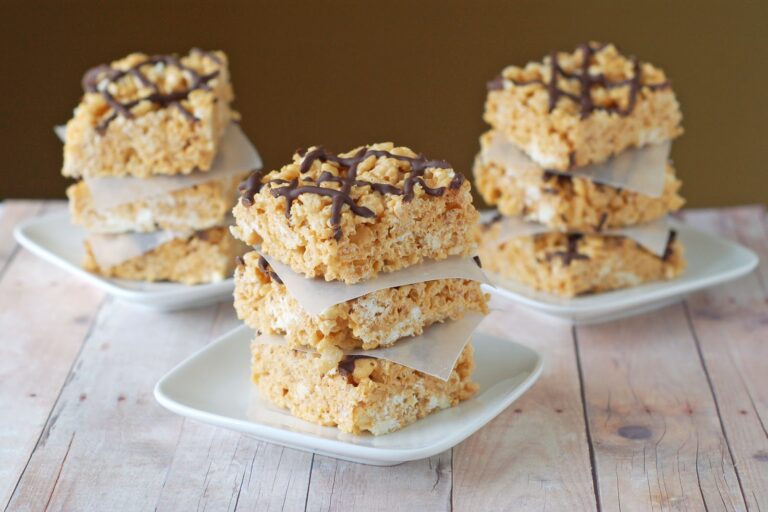
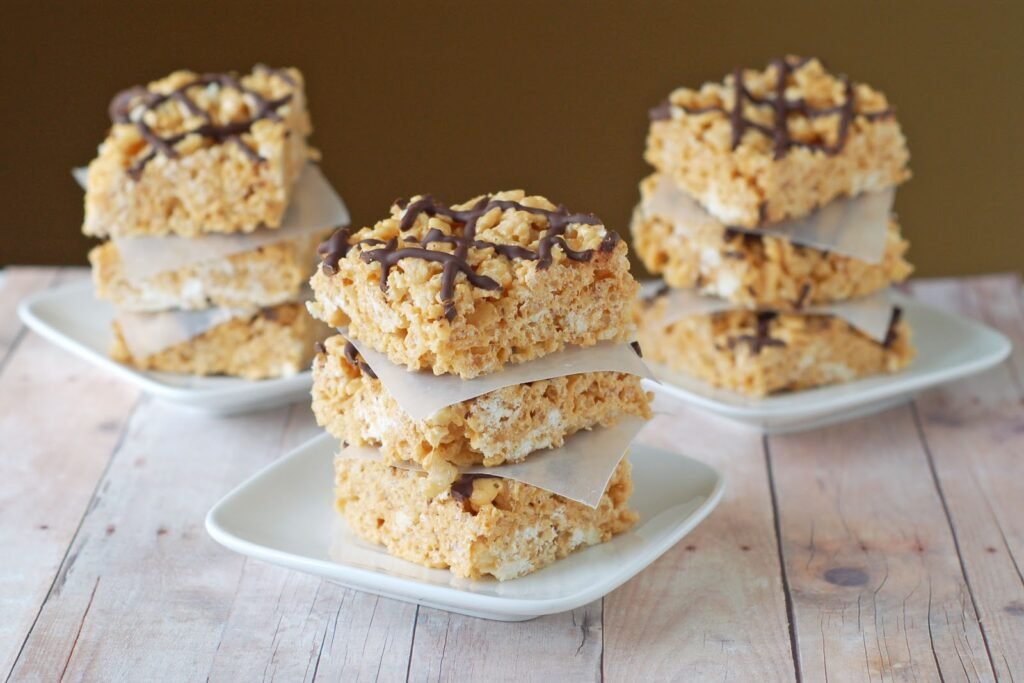
This idea popped into my head the other day on my way to work. Rice Krispie treats with a new twist. I love Rice Krispie treats and I know they have been done several ways, but I don’t think anyone has used dulce de leche before, so I wanted to be the first.

Dulce de Leche Rice Krispie Treats

by The Sweet Chick
Prep Time: 15-20min
Cook Time: 5 min
Keywords: no bake dessert rice krispies dulce de leche white chocolate chips
Ingredients (12 servings)
- 3 tbsp butter or margarine
- 1pkg (10 oz.) regular marshmallows or
- 4 cups mini marshmallows
- 1/2 cup dulce de leche
- 6 oz. white chocolate chips
- 6 cups Rice Krispies cereal
- 4 squares (4 oz.) Baker’s semi-sweet baking chocolate
Instructions
In a large sauce pan, melt butter and marshmallows over low heat. Stir until completely melted.
Remove from heat. Add dulce de leche and stir until all incorporated. Then add Rice Krispies cereal.
Add white chocolate chips and carefully blend into the Rice Krispies mixture. Some of the chocolate may melt.
Pour the mixture into a greased 9 x 13 pan or a cookie sheet and spread it evenly with a piece of waxed paper.
Place in fridge to cool.
When cooled, melt chocolate squares per directions on package and place in a piping bag or Ziplock bag with tip snipped off. Drizzle the melted chocolate in diagonal pattern across the Rice Krispie treats.
Place the treats back in the fridge to cool.
The combination of the dulce de leche and the white chocolate was fantabulous. And with just that hint of semi-sweet chocolate…perfection! They were a big hit in my household and also at the office. I will definitely be making these again. They are not too sweet and very light. You can’t help but eat more than one.
For Nutritional Information click on the magic button.
Related Posts





Subscribe for New Racipies
Get mental health tips, updates, and resources delivered to your inbox.