
Starbucks Caffeine Content: The Ultimate Clinical Guide to Every Drink Ranked

Medically reviewed by AmeliaVance Dr. Amelia Updated Date: May 14, 2026
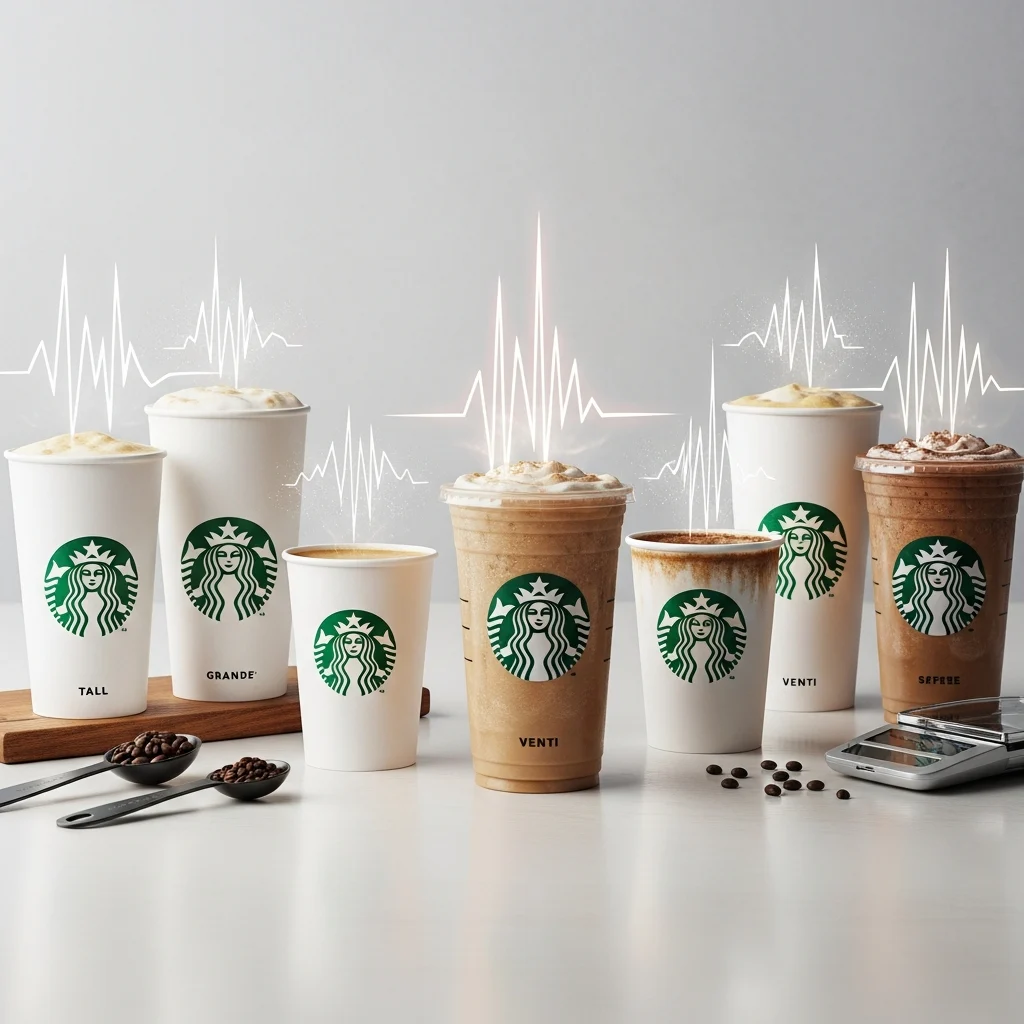
From my side of the profession, I get asked about Starbucks caffeine content all the time—especially by readers who assume their daily coffee order is automatically harmless.
Recently, a reader named Jordan shared that he was dealing with heart palpitations, intense jitters, and poor sleep a few days each week. After reviewing his routine, we discovered he wasn’t drinking “just coffee”—he was ordering a Venti Blonde Roast from Starbucks every morning.
He was shocked to learn that one drink can contain nearly 475 mg of caffeine, pushing him beyond the FDA’s recommended daily limit for many adults.
As coffee chains continue expanding menus with cold brews, nitro drinks, and stronger espresso options, tracking caffeine intake has become much harder.
That’s why understanding what’s in your cup matters. According to the Harvard T.H. Chan School of Public Health, too much caffeine can contribute to anxiety, sleep disruption, and energy crashes—especially when combined with energy drinks or soda.
In this guide, I’ll break down Starbucks caffeine content and help you make smarter choices for balanced energy.
TL;DR
- Starbucks isn’t automatically “mild”—a Grande Pike Place packs 310 mg caffeine, while a Venti Blonde Roast hits 475 mg. That’s potent for a single beverage.
- Morning fuel? Proceed with caution: High stimulant load may trigger anxiety, disrupt sleep, or elevate heart rate—especially when combined with other caffeine sources.
- Risk factors: Key concerns include caffeine sensitivity, underlying heart conditions, pregnancy, GERD, and medication interactions.
- Make it safer: Track total daily milligrams, avoid consuming after 2 PM, and never mix with alcohol or additional stimulants.
- Bottom line from an MD: Starbucks can fit occasional performance needs—but portion awareness and roast literacy are non-negotiable for optimal health.
What Is Starbucks Caffeine Content and Why It Matters
When we talk about Starbucks caffeine content, we are referring to the measured milligrams of caffeine, anhydrous, extracted from coffee beans or tea leaves during the brewing process. Starbucks is unique because their caffeine levels vary wildly—not just by size but by the specific roast and extraction method used.
For example, a standard “Grande” (16 oz) isn’t a universal measurement for stimulant load. A Grande latte contains roughly 150 mg, while a Grande blonde roast contains 360 mg. That is a 240% difference in the same size cup, per USDA FoodData Central.
This variation matters because caffeine is a powerful psychoactive drug. It blocks adenosine receptors in your brain, which prevents you from feeling tired, but it also triggers the release of adrenaline, as explained by the Mayo Clinic.
If you don’t track your Starbucks caffeine content list, you risk “stimulant stacking,” where your morning coffee overlaps with afternoon teas or energy drinks, leading to chronic cortisol elevation and sleep architecture disruption. For personalized tracking, try our caffeine calculator by weight and age.
Why Is Understanding Starbucks Caffeine Content Important?
In my blogging experience, the primary reason this data is vital is the “false sense of security” provided by larger cup sizes. Many consumers believe that a “Venti” (20 oz) simply has more water or milk, when in reality, it often scales the caffeine dosage to levels that can trigger tachycardia in sensitive individuals.
Furthermore, the Starbucks caffeine content in drinks official reports often hide the fact that lighter roasts actually contain more caffeine by volume than darker ones. This counterintuitive fact leads many to believe they are making a “lighter” choice when they are actually doubling their stimulant intake, according to research published in PubMed.
By utilizing a Starbucks caffeine content guide, you can tailor your energy levels to your specific metabolic needs. Whether you are an athlete looking for a pre-workout spike or a student needing sustained focus without a crash, the data allows you to “dose” your Starbucks drinks like a pharmaceutical intervention rather than a random beverage.
Starbucks Caffeine Content Reference Table
To help you visualize the menu, I have compiled this simplified Starbucks caffeine menu reference. These values represent the Grande (16 oz) size unless otherwise specified.
| Drink Category | Average Caffeine (mg) | Clinical Notes |
|---|---|---|
| Blonde Roast (Brewed) | 360 mg | Highest natural extraction; high jitters risk |
| Pike Place (Medium) | 310 mg | The “Standard” daily driver |
| Nitro Cold Brew | 280 mg | High density; faster absorption due to nitrogen |
| Cold Brew | 205 mg | Smooth, long-steeped extraction |
| Iced Shaken Espresso | 225 mg | Contains 3 shots of espresso |
| Caffè Latte / Cappuccino | 150 mg | Reliable “Medium” stimulant level |
| Matcha Green Tea Latte | 80 mg | Includes L-theanine for a “calm” focus |
| Chai Tea Latte | 95 mg | Moderate tea-based stimulant |
| Espresso (Solo Shot) | 75 mg | The base building block for most drinks |
Source: Starbucks official nutrition data; values may vary by location and preparation.
Starbucks Coffee Caffeine Breakdown
When we dive into the Starbucks caffeine content drinks, we must distinguish between the “brewed” category and the “cold” category. This is where the most significant medical surprises occur.
Blonde Roast Starbucks Caffeine Content
The blonde roast is the most “dangerous” drink for the uninformed. Because the beans are roasted for a shorter time, they remain denser and retain more of their natural caffeine. A Venti (20 oz) Blonde Roast packs 475 mg, which exceeds the FDA’s daily safety limit in a single serving.
For people with cardiovascular concerns, this level of stimulation warrants caution, as noted by the American Heart Association.
Cold Brew Starbucks Caffeine Content
Cold Brew is not just “iced coffee.” It is made by steeping grounds in cool water for 20 hours. This long extraction pulls a massive amount of caffeine without the acidic bite. A Grande Cold Brew typically contains 205 mg. Because it is so smooth, people often drink it much faster than hot coffee, leading to a more rapid peak in blood plasma levels.
Nitro Cold Brew Starbucks Caffeine Content
This is the “Ferrari” of the menu. Infused with nitrogen, this drink has a velvety texture and is served without ice, meaning you get more coffee (and more caffeine) per fluid ounce. A Grande Nitro Cold Brew contains 280 mg. The nitrogen bubbles may also slightly accelerate the gastric emptying process, making the caffeine hit your system even faster.
Starbucks Black Coffee Caffeine
The “Pike Place” medium roast is the baseline for Starbucks black coffee caffeine. At 310 mg for a Grande, it is significantly stronger than a standard home-brewed cup, which usually sits around 95–150 mg. For more on coffee’s properties, see our discussion on whether coffee is acidic.
Espresso-Based Drinks and Caffeine Levels
Many people switch to lattes because they think they are “stronger.” In reality, milk-based drinks are often the “safer” choice for those tracking their Starbucks caffeine content espresso shot totals.
Starbucks uses a “shot stacking” system. Generally, a tall (12 oz) has 1 shot, while a grande (16 oz) and venti (20 oz) hot drinks have 2 shots. However, iced Ventis have 3 shots.
The Starbucks latte caffeine content stays consistent at 150 mg for a Grande. The Starbucks caramel macchiato caffeine content is also 150 mg, as it is simply an “upside-down” latte with vanilla and caramel.
The double-shot energy Starbucks caffeine content is a different beast entirely. These canned or prepared beverages combine espresso with guarana and ginseng, often totaling 225 mg or more. These should be consumed with extreme caution if you are also drinking brewed coffee.
Starbucks Specialty & Popular Drinks Caffeine Content
Not everything at Starbucks is a caffeine bomb. If you are looking for a lower Starbucks caffeine content list, the specialty tea and “Refresher” menu is your best friend.
Matcha Latte Starbucks Caffeine Content
Matcha is made from ground green tea leaves. A gram contains about 80 mg. What I love about matcha is that it contains L-theanine, an amino acid that promotes relaxation without drowsiness. This creates a “smoothed-out” caffeine curve, preventing the jagged crash associated with black coffee. Learn more about yerba mate as an alternative for similar balanced stimulation.
Chai Latte Starbucks Caffeine Content
The Starbucks chai latte caffeine content is roughly 95 mg for a Grande. This comes from the black tea base. It is a great “afternoon” drink for those who need a pick-me-up but don’t want to be awake until 3:00 AM.
Pink Drink Starbucks Caffeine Content
The famous Pink Drink is remarkably low in stimulants, containing only 45 mg from the green coffee extract in the strawberry açaí base. It is one of the safest choices for those with minor heart sensitivities.
Niche and Custom Drinks
- Sunsera Blend: This seasonal roast varies but generally aligns with the medium roast profile (~310 mg).
- Cannonball Drink: A niche “secret menu” or custom order often involving multiple espresso shots; it can easily top 300 mg.
- Creamy Vanilla Gelato: Most gelato-based or affogato-style desserts have roughly 75 mg per shot of espresso poured over the top.
Starbucks Highest Caffeine Drinks Ranked
If you are looking for the highest caffeinated drink at Starbucks, you are likely looking at a “customized” cold brew or a large light roast. Here are the top 3 “Energy Kings” of the menu:
- Venti Blonde Roast Brewed Coffee: 475 mg (The undisputed champion).
- Trenta (30 oz) Cold Brew: 360 mg (The volume-based powerhouse).
- Venti Iced Shaken Espresso: 225 mg (standard), but often customized with extra shots.
When viewers ask which Starbucks coffee has the most caffeine, I always warn them: if you add a “Solo Shot” to a Venti Blonde Roast, you are entering the 550 mg zone, which can be physically dangerous for some.
Research consistently links high-dose caffeine consumption to increased cardiovascular risk factors, according to the Journal of the American Heart Association.
Starbucks Caffeine Calculator: How to Estimate Your Intake
You don’t need a medical degree to estimate your intake. Use this Starbucks caffeine Calculator logic:
- Identify the Base: Is it Brewed Coffee or Espresso?
- Brewed Rule: Tall ≈ 235 mg, Grande ≈ 310 mg, Venti ≈ 410 mg (For Medium Roast).
- Espresso Rule: Each shot is 75mg.
- Tea Rule: Matcha/Chai ≈ 80–95 mg.
- Refresher Rule: Generally 45–50mg.
By using this mental Starbucks caffeine menu, you can navigate any customization. If you add two extra shots to your Grande Latte, you’ve moved from 150 mg to 300 mg. For additional tracking tools, visit our caffeine calculator.
Is Starbucks High in Caffeine?
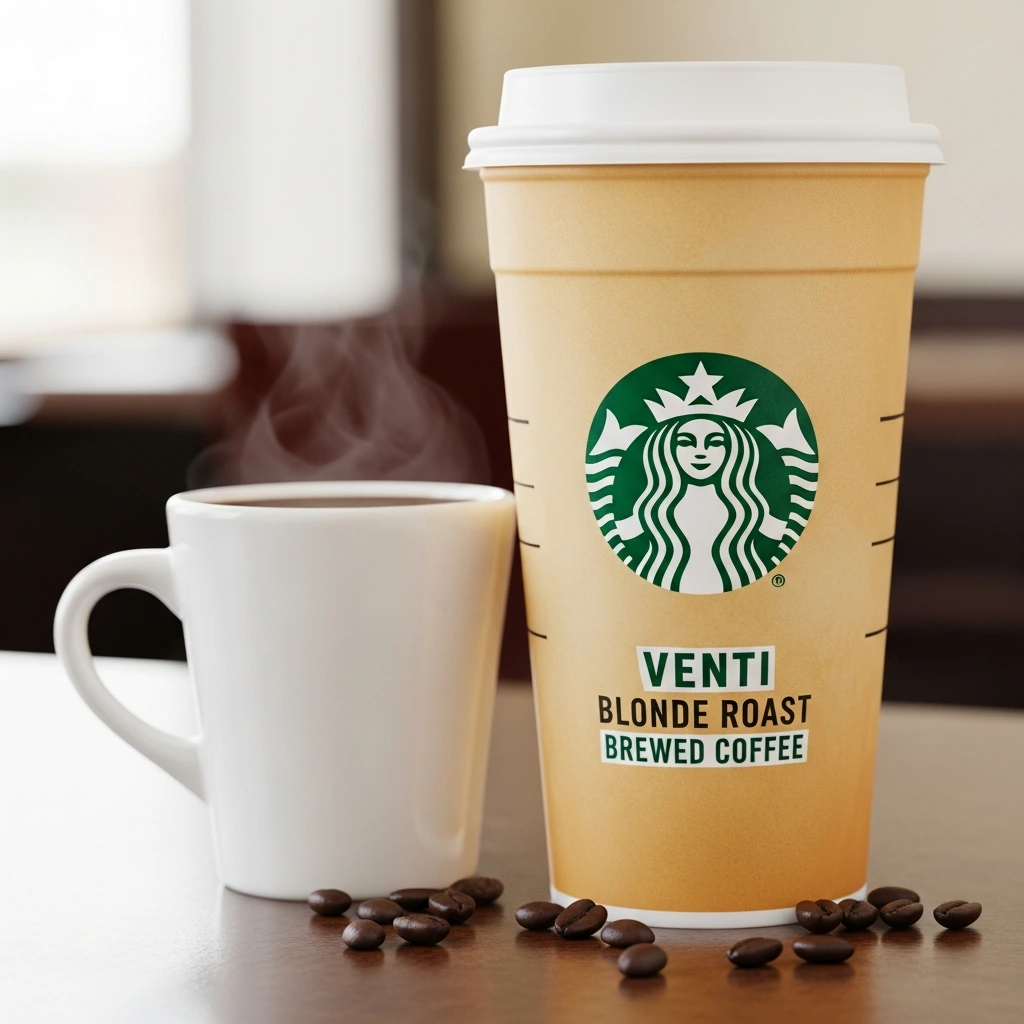
As a doctor, I frequently get asked, “Does Starbucks have high caffeine levels?” The answer is a resounding yes. Compared to a standard “cup of joe” at a local diner, Starbucks is significantly more concentrated.
The FDA safety threshold is 400 mg per day for healthy adults. Consuming 600 mg of caffeine (like two Grande Pikes) is considered “too much” and can lead to adrenal fatigue.
For individuals with GERD (acid reflux), coffee can be a trigger. Interestingly, many find that iced coffee is better for GERD because cold brewing methods often result in lower acid extraction, even if the caffeine remains high. Review our guide on foods to avoid with GERD for personalized dietary strategies.
Is 200 mg of caffeine a lot? For a single serving, it is a “moderate-high” dose. It is roughly equivalent to two cans of Red Bull. If you drink this at 4:00 PM, the 6-hour half-life means you will still have 100 mg in your system at 10:00 PM, disrupting REM sleep cycles, as confirmed by the Sleep Foundation.
Starbucks vs Other Energy Sources
In 2026, many of my viewers are looking at yerba mate vs. coffee. Yerba mate offers about 80 mg per cup but contains different xanthines that provide a more sustained “holistic” energy, according to comparative analyses in PubMed.
Coffee, especially Starbucks’ high-extraction roasts, provides a much sharper peak. While this is great for performance, it can exacerbate the caffeine-stress-nap cycle—where you drink coffee to combat stress, take a “caffeine nap,” and wake up even more dehydrated and alert.
For people managing blood sugar concerns, caffeine can temporarily affect insulin sensitivity. The American Diabetes Association recommends monitoring individual responses to caffeinated beverages.
Frequently Asked Questions
How much caffeine is in a Starbucks coffee?
A Grande (16 oz) Pike Place has 310 mg caffeine. Blonde roast of the same size packs 360 mg. Dark roast? About 260 mg. Roast level matters—lighter roasts actually contain more caffeine. Always check the menu board or app before ordering. Track your total daily intake. Small awareness prevents jitters, anxiety, or sleep loss.
Which Starbucks drink has the most caffeine?
The Venti (20 oz) Blonde Roast brewed coffee tops the menu at 475 mg. That’s nearly a full day’s caffeine limit in one cup. On the cold side, Trenta (30 oz) cold brew delivers 360 mg. High caffeine isn’t always better. If you need that much fuel, discuss safer strategies with your provider.
How much caffeine is in a Starbucks latte?
A Grande latte contains 150 mg caffeine—from two espresso shots. Tall has 75 mg. Hot Venti also has 150 mg, but Iced Venti jumps to 225 mg due to extra shots. Milk adds creaminess, not caffeine. If you’re watching intake, choose smaller sizes or ask for half-caf. Small tweaks create big balance.
Does Starbucks have more caffeine than Red Bull?
Absolutely. One Grande Starbucks coffee (310 mg) has nearly four times the caffeine of a standard 8.4-oz Red Bull (80 mg). Even a single espresso shot (75 mg) rivals most energy shots. Size and roast matter more than brand. Always check labels. Your tolerance, timing, and total daily intake matter far more than the logo. Compare both in our Red Bull caffeine breakdown.
How much caffeine is in Starbucks espresso shots?
One solo shot contains 75 mg caffeine. Doppio (double) = 150 mg. Triple = 225 mg. Espresso delivers caffeine fast due to concentration. If you’re sensitive, start with one shot. Lattes, cappuccinos, and Americanos all build from this base. Track your total. Small sips add up quickly. Mindful fueling supports steady energy.
Is Starbucks safe during pregnancy?
The American College of Obstetricians and Gynecologists (ACOG) recommends that pregnant individuals limit caffeine to less than 200 mg per day, as outlined in their pregnancy caffeine guidelines. Since a Tall Pike Place contains ~235 mg, even the smallest brewed coffee exceeds this threshold. Always consult your OB-GYN before including Starbucks beverages in your prenatal diet.
Conclusion
Navigating the Starbucks caffeine content is about more than just picking a flavor; it is about respecting your body’s physiological limits. Whether you choose the high-intensity Blonde Roast or a more moderate Matcha Latte, being aware of the milligrams allows you to enjoy your daily ritual without the cost of a racing heart or a sleepless night.
As I told my viewer Jordan, the goal isn’t to quit Starbucks—it’s to master the menu. By choosing the right size and roast for the right time of day, you can harness the benefits of caffeine while keeping your metabolic health in perfect balance.
For ongoing updates on beverage safety and nutrition science, bookmark our food and nutrition resource center. For additional personalized health guidance, consult resources like the National Coffee Association’s health research or speak with your healthcare provider about your individual caffeine tolerance and cardiovascular risk factors.
Authoritative References
- FDA: Caffeine Safety Guidelines. https://www.fda.gov/consumers/consumer-updates/spilling-beans-how-much-caffeine-too-much
- Harvard T.H. Chan School of Public Health: Caffeine & Health. https://nutritionsource.hsph.harvard.edu/caffeine/
- USDA FoodData Central. https://fdc.nal.usda.gov/
- Mayo Clinic: Caffeine Safety Limits. https://www.mayoclinic.org/healthy-lifestyle/nutrition-and-healthy-eating/in-depth/caffeine/art-20045678
- American Heart Association: Energy Drinks & Heart Health. https://www.heart.org/en/news/2019/05/29/energy-drinks-may-provide-jolt-to-heart-function-blood-pressure
- PubMed Clinical Research Database. https://pubmed.ncbi.nlm.nih.gov/17132260/
- NIH PMC: CYP1A2 Genetic Variability Study
- Journal of the American Heart Association: Energy Drink Cardiovascular Outcomes. https://www.ahajournals.org/doi/10.1161/CIRCULATIONAHA.116.025039
- Sleep Foundation: Caffeine & Sleep. https://www.sleepfoundation.org/nutrition/caffeine-and-sleep
- American Diabetes Association: Caffeine & Blood Sugar. https://diabetes.org/health-wellness/fitness/sports-drinks-impact-on-glucose-blood-sugar
- ACOG: Caffeine During Pregnancy. https://www.acog.org/clinical/clinical-guidance/committee-opinion/articles/2010/08/moderate-caffeine-consumption-during-pregnancy
- National Coffee Association: Coffee & Health Research. https://www.ncausa.org/About-Coffee/Coffee-Health-Research
Related Posts
Subscribe for New Racipies
Get mental health tips, updates, and resources delivered to your inbox.
Are Nature Valley Bars Healthy? Expert Analysis & Nutritional Insights

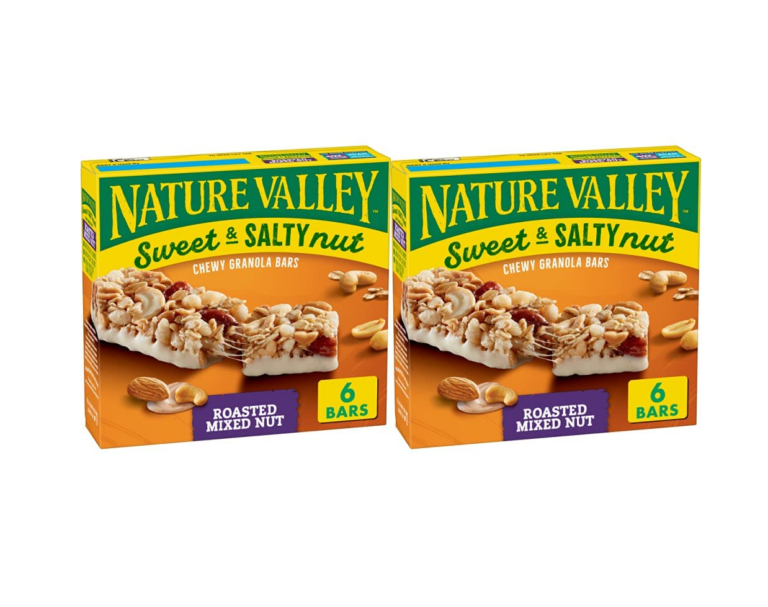
What’s better than a delicious, whole grain-packed snack that you can easily eat on the go?
In the case of Nature Valley bars, it’s easy to think that you’re eating healthy and fueling your body with fiber and vitamins. Why not? These bars have always been advertised as healthy snacks, with their simple ingredient lists and light nutritional values on the side of the box. But are nature valley bars healthy?
Nature Valley bars contain more calories than most candy bars, but they also contain ingredients that aren’t even food! They are often high in sugar and may contain unhealthy ingredients like palm oil. Plus, the bars are often processed and lack the nutritional benefits of whole foods.
Find out why Nature Valley bars may not be as healthy as you think in this article.
Are Nature Valley Bars Healthy?
It’s easy to believe that an item marketed as healthy must be good for you, but that isn’t always the case. Nature Valley bars are among the most popular snack bars on the market, but they may not be as healthy as you think.
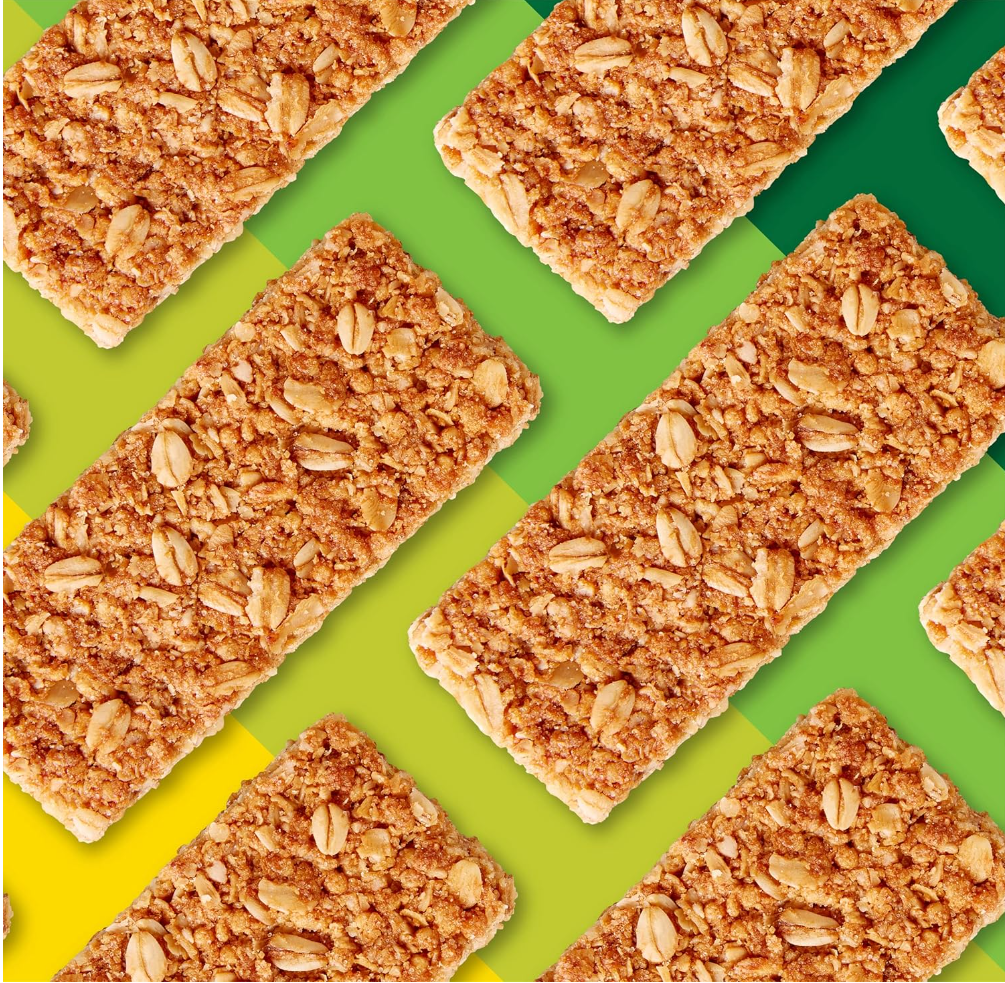
Although they are advertised as being 100% natural and delicious, there are actually numerous ingredients that would seem strange in any other food product. Let’s look at the reasons to avoid these bars.
| Nature Valley Bar | Calories | Fat | Saturated Fat | Sodium | Carbohydrates | Dietary Fiber | Sugars | Protein |
| Oats ‘n Honey Crunchy Granola Bar (2 bars) | 190 | 7g | 2.2g | 140mg | 29g | 3g | 6g | 2g |
| Peanut Butter Crunchy Granola Bar (2 bars) | 190 | 8g | 2g | 140mg | 28g | 3g | 5g | 3g |
| Sweet & Salty Nut Trail Mix Fruit & Nut Bar (2 bars) | 150 | 5g | 1g | 110mg | 25g | 3g | 6g | 2g |
| Almond Butter Crunchy Granola Bar (2 bars) | 180 | 7g | 2g | 140mg | 27g | 2g | 5g | 3g |
| Apple Cinnamon Crunchy Granola Bar (2 bars) | 170 | 7g | 2g | 140mg | 26g | 3g | 6g | 2g |
| Honey Almond Dark Chocolate Trail Mix Fruit & Nut Bar (2 bars) | 160 | 6g | 1g | 110mg | 26g | 3g | 6g | 2g |
High in sugar
While Nature Valley granola bars contain some healthy ingredients like whole grain oats and nuts, they also have a lot of sugar and processed ingredients. Sugar is often found in the form of brown rice syrup, honey, cane juice, corn syrup, chocolate, and fruit puree concentrate.
One bar contains nearly 6-12 grams of sugar, depending on the flavor of the bar. Their Fruit & Nut flavor bar range has comparatively less sugar (6-8 grams) than the Crunchy granola flavored bar range (10-12 grams).
Made From Processed Oil
While the ingredients in Nature Valley bars may be natural, the bars are made with processed oil. It means that the bars are high in unhealthy fats and calories. One of the main ingredients in Nature Valley bars is palm oil.
This oil is highly processed and refined, which means that it can be high in unhealthy saturated fats. Furthermore, some studies have shown that oils like palm oil may lead to higher cholesterol levels in people who eat a lot of it.
No Substantial Amount Of Fiber
Furthermore, Nature Valley bars have no protein or fiber content, making it difficult to control hunger and stabilize blood sugar levels. Fiber is an essential part of a healthy diet and helps keep you feeling full after eating. It means you may not feel satisfied after eating one and could end up snacking more later on.
The highest fiber content is Nature Valley’s variety of XL protein bars, which is 7 grams.
High In Calories
Counting calories? Unfortunately, Nature Valley bars cannot be your best ‘snack’ friend.
Nature Valley bars are often marketed as a healthy snack option, but they can actually be quite high in calories. This is because they are often made with processed ingredients and added sugars.
The most popular flavor, the chewy peanut butter chocolate chip bar, has 210 calories per serving. If you eat two of these bars in one sitting, you’ve consumed 420 calories- the equivalent of a McDonald’s hamburger!
Related Article: Are Nutri Grain Bars Healthy? Expert Insights and Nutrition Analysis
Deconstructing the Ingredients
Nature Valley bars, marketed as a wholesome snack, often list a variety of ingredients on their packaging. Let’s break down these components to better understand what goes into these bars.
1. Common Ingredients and Their Purposes
- Whole Grain Oats: A key ingredient known for its complex carbohydrates and fiber content, providing sustained energy.
- Sugar: Frequently used as a sweetener, it enhances the taste but can contribute to high sugar content.
- Vegetable Oils (Canola or Palm Kernel): These oils add moisture and texture to the bars but may contain saturated fats.
- Rice Flour: Often used for texture and as a binding agent.
- Honey or Syrup: Natural sweeteners that also help bind the ingredients.
- Salt: Used for flavor enhancement and as a preservative.
- Baking Soda: A leavening agent that affects the texture of the bars.
- Natural Flavor: Typically derived from real foods but may be used in small amounts for added taste.
2. Additives, Preservatives, or Artificial Flavorings
Nature Valley bars typically do not contain artificial flavors, colors, or preservatives. However, the “natural flavor” listed in the ingredients may raise questions about the specific sources.
3. Role of Sweeteners
Sweeteners like sugar, honey, or syrup are essential for enhancing the taste of Nature Valley bars. However, they also contribute to the sugar content, which can be a concern for those monitoring their sugar intake. The impact on the nutritional profile varies depending on the specific bar variety.
Is There Anything Good About Nature Valley Bars?
You might be wondering if your favorite brand of bars actually has something good stored in for you or not. Well, yes, nature valley bars have some good stuff in them. But will overweight people have bad sides eating them? Let’s see.
Contain Whole Grains
They contain oats in the form of whole grains. Oats are whole grain, and they’re packed with fiber and nutrients. Studies have shown that oats can help lower cholesterol, stabilize blood sugar levels, and even reduce the risk of heart disease.
While Nature Valley bars have some redeeming qualities, such as being made with whole grains, they also contain a lot of sugar and unhealthy fats. These ingredients can cause weight gain and lead to more serious health problems like diabetes or heart disease.
Contains Nuts
Different types of nature valley bars have different nut varieties. Unless you are not allergic to nuts, you will get a good source of protein, fiber, and healthy fats from them. You may think the presence of nuts can help you lose weight, lower your cholesterol, and reduce your risk of heart disease.
Despite the presence of these healthy ingredients, a single Nature Valley bar contains an unusual amount of calories, added sugar, and other preservatives, which overtakes all these health benefits.
Who Should Avoid Nature Valley Bars
Consuming Nature Valley bars is not harmful to health as long as you eat in moderation (supposedly 1 or 2 bars a week). However, if you fall under this category of people, you should count on how you eat these ‘so-called’ nutritious bars.
People Trying To Eat Healthily
If you are on a healthy diet or working out to lose that extra kilo, Nature valley bars are not for you to snack on.
Nature Valley bars are high in sugar and calories, leading to weight gain. They also contain artificial ingredients and preservatives, which may be harmful to your health. If you’re trying to eat healthily, it’s best to avoid Nature Valley bars.
Vegans Should Avoid
If you are following a vegan lifestyle, you should avoid a certain range of Nature Valley bars.
All the flavors from the Sweet and Salty bars and protein bars range of Nature Valley contain milk; therefore, it is not for vegan diets.
But, nature valley has some options for you in a completely vegan-friendly range which is their Fruit & Nut bars range. Moreover, the Crunchy Granola bar range is somewhat vegan, except for some which contain honey; simply avoid that!
Related Article: Are Waffles Healthy? Exploring Expert Insights for Nutritious Choices
Healthy Alternatives of Nature Valley Bars
While Nature Valley bars may seem like a healthy snack option, they are actually quite high in sugar and calories. If you’re looking for a healthier alternative, try one of these five options:
1. Cliff Bars
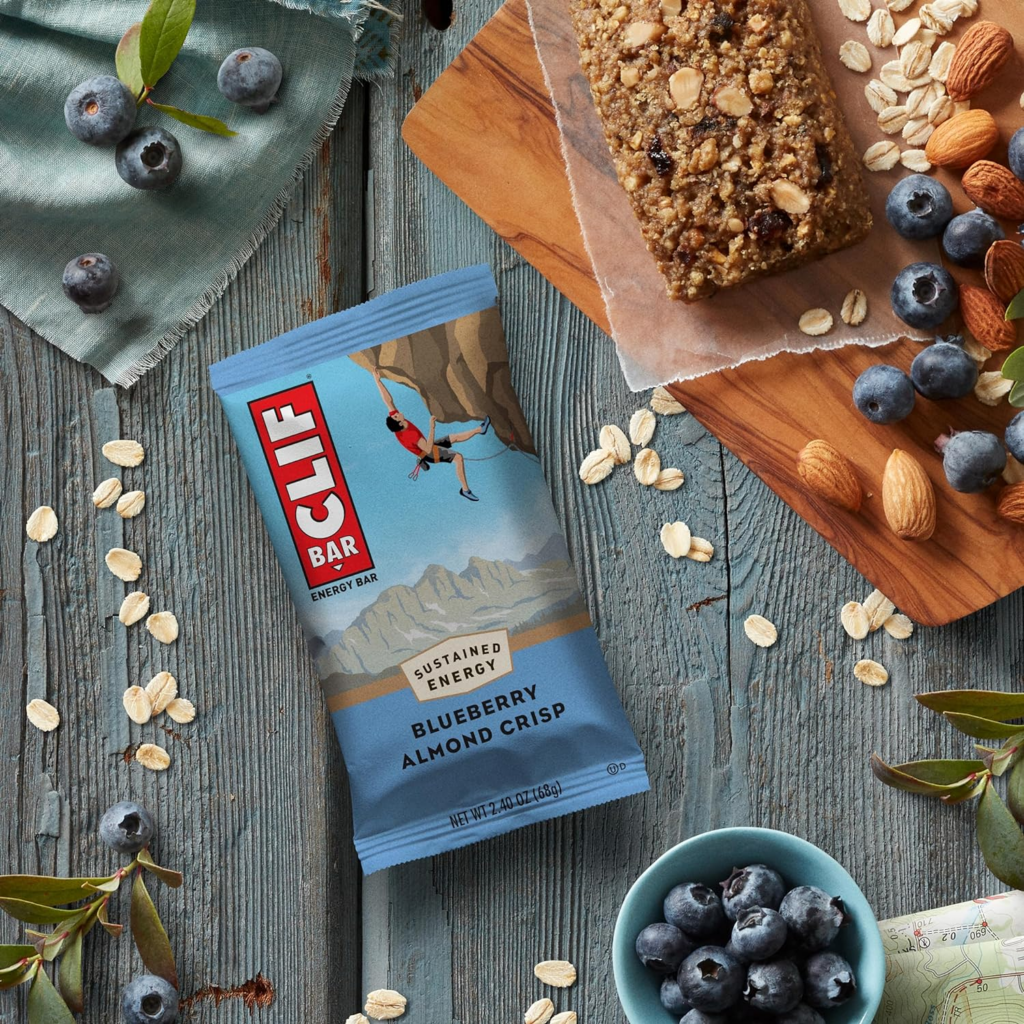
They have more protein and fiber than most nature valley bars. Clif Bars are a popular snack choice known for their higher protein and fiber content compared to most Nature Valley bars. Packed with nutritious ingredients, Clif Bars offer sustained energy and are a satisfying option for those seeking a more substantial and health-conscious snack. Get Clif Bar here.
2. Lara Bars

They have less sugar than most nature valley bars. Lara Bars are a great alternative to Nature Valley bars for those looking to reduce their sugar intake. These bars are known for their minimal ingredient lists, often consisting of just a few simple and natural components. With less sugar content, Lara Bars offer a wholesome and satisfying snack option for health-conscious individuals. Get LaraBar here.
3. KIND Bars
They are not only gluten-free but also vegan and non-GMO. They are made with all-natural ingredients, including nuts, seeds, fruit, and spices.

KIND Bars are a top choice for individuals seeking gluten-free, vegan, and non-GMO snack options. Crafted from a blend of all-natural ingredients like nuts, seeds, fruits, and spices, KIND Bars offer a delicious and health-conscious choice for those with dietary preferences and concerns. Buy KIND from Here.
4. Fruit by the Foot
This healthier option has half the amount of sugar as most nature valley bars. Fruit by the Foot is a healthier alternative to Nature Valley bars, boasting just half the amount of sugar.

These fruity snacks provide a sweet and satisfying treat with reduced sugar content, making them a preferred choice for those looking to enjoy a delightful snack without excessive sugar intake. Get it from here.
5. Homemade Granola Bars
If you’re looking for a homemade alternative to Nature Valley bars, consider homemade granola bars or a simple fruit and nut mix.
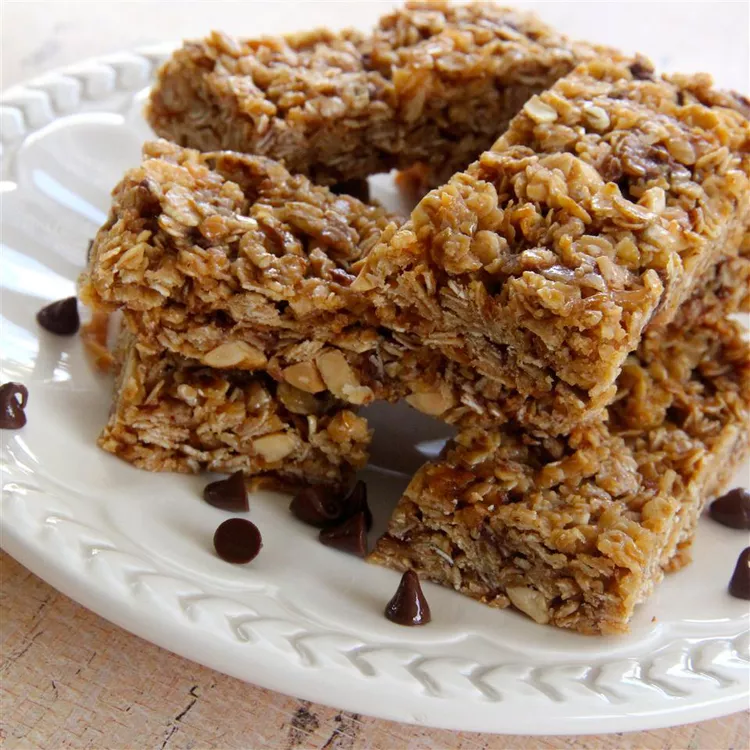
These options will likely be lower in sugar and calories and higher in fiber and nutrients, and of course, the best option than any packaged so-called healthy bars.
FAQs
Are nature valley bars good for weight loss?
While Nature Valley bars contain some healthy ingredients like whole grain and nuts, which might seem helpful in losing weight, they also contain a lot of sugar, calories, and other fattening ingredients. So, if you’re looking to lose weight, you may want to consider other options.
Are nature valley bars gluten-free?
Nature Valley has a whole range of gluten-free bars, where they specifically mention them as gluten-free. However, from that line, nature valley’s other bars are also made from non-glutinous whole grain oats. However, it is always better to read the labels to see if your preferred bars have gluten or not.
Are nature valley bars vegan?
Though Nature Valley markets itself as a health-conscious brand, not all of its products are vegan. In fact, some of its granola bars contain honey, an animal by-product. However, one of their bars- The Crunch and Fruit & Nut, is the most vegan-friendly of all as it seems not to contain any animal-derived ingredient like milk or honey.
Are nature valley bars dairy free?
Not all, but some of the nature valley bars are made for milk-free households. According to their ingredient labeling, the Nature Valley crunchy granola bars, Nature Valley oats & honey bars, and the Nature Valley Crunch and Fruit & Nut bars do not contain any dairy ingredients.
However, if you are completely lactose-intolerant, you may want to reassure yourself by reading the labels.
Final Thought
Are Nature Valley bars healthy? Its depend, while they often contain whole grains and nuts, providing essential nutrients and fiber, they can also be high in added sugars and unhealthy fats.
Nature Valley bars may not be what you’re putting into your body when you eat these supposedly nutritious snacks. Just because nature valley bars are labeled, natural doesn’t necessarily mean it’s healthy. In fact, many natural foods are processed and high in sugar, fat, and calories.
As such, you should always read the label on the bars before eating it to ensure you get the most nutritious version. If possible, head to Nature Valley’s website for more in-depth info about your favorite bars.
Related Posts
Subscribe for New Racipies
Get mental health tips, updates, and resources delivered to your inbox.