
Are Apples Good for Your Teeth?

Medically reviewed by Lindsay Ewan, MD Updated Date: January 7, 2026

You are already familiar with the adage, “an apple a day keeps the doctor away.” The new question, however, is whether apples also keep the dentist away. There is some debate about whether apples are beneficial to your teeth or not.
So, are apples good for your teeth? Apples are good for your teeth because they help clean and freshen your teeth and fight bad breath. Dietary fiber in apples, mostly found in the peel, functions as a toothbrush, scraping away plaque and removing other food particles from the teeth. The acidity of apples also aids in the eradication of harmful germs that produce bad breath.
However, too much of anything can be detrimental. Eating too many apples can harm your teeth! But there is no need to worry. You can take measures to ensure this does not happen. Here is an in-depth look at how apples affect your teeth.
How Are Apples Good for Your Teeth?
Dentists frequently recommend apples for a variety of health benefits.
Apples are nature’s toothbrush
You can get the benefits of nature’s toothbrush by biting into the fibrous texture of an apple, ideally with the peel on. Crisp fruits (like apples) and vegetables help eliminate plaque and bacteria that cause cavities. You can finish off your dinner with a tasty apple, for your teeth’s benefit!
Apples are beneficial to your gums
Apples are high in vitamins, particularly vitamin C, which benefits your gums. For example, vitamin C (found in apples) protects your gums healthily and prevents infection. You risk becoming ill if you do not consume enough Vitamin C. Furthermore, a lack of Vitamin C will lead to gum swelling and bleeding, especially if you already have gum disease.
Apples include a lot of vitamins and minerals
Apples contain a variety of minerals and vitamins in addition to Vitamin C. Apples contain malic acid, which, when consumed, causes salivation. Saliva is necessary for oral health. Apples also contain calcium, which helps to strengthen teeth and bones. They also contain fiber, which the body requires for general health, especially gastrointestinal system health.
Chewing on an apple increases saliva production
Apples contain malic acid, which causes salivation during chewing. This fact is amazing! Saliva acts as a rinse for the teeth. Saliva in your mouth is a barrier against bacteria and inhibits plaque formation.
Examining the mouths of people after chewing either fresh or dried apples has shown that plaque is eliminated, but only from the protruding surfaces of the teeth.
Some plaque will, however, remain in the crevices and interdental regions, which are particularly susceptible to cavities and periodontal disease due to plaque accumulation.
Even frequent apple chewing is not a substitute for excellent oral hygiene, which includes flossing and interdental brushing.
Can Apples Affect Your Teeth Negatively?
So what impact does eating apples have on your teeth? The acidity of apples may be harmful to oral health. Correct; acidic foods can cause dentin damage in your mouth. Dentin is the tooth layer immediately under tooth enamel. The acidity of an apple can dissolve dentine and cause tooth damage.
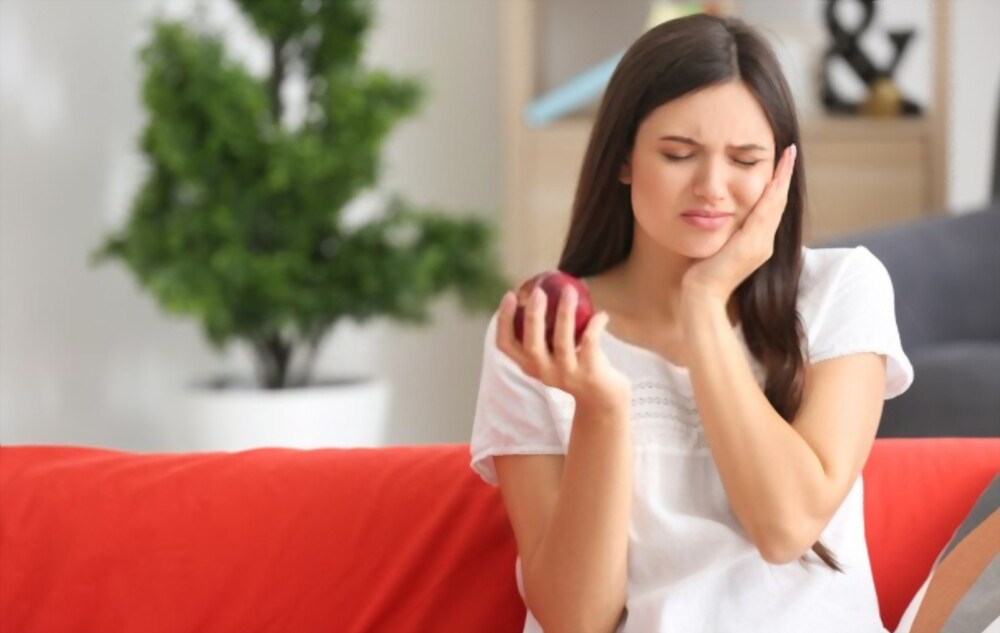
However, studies have shown that chewing an apple may not remove dental plaque but may promote plaque rebuilding within the first 24 hours. Still, it does cause an immediate decrease in salivary bacterial viability comparable to that reported after tooth brushing.
The sugar content of the modern apple is higher
As a result of plant hybridization, the sugar content of apples has increased by 50% over the years. Unfortunately, people have grown accustomed to a sweeter apple, which is less healthy for your teeth. According to the United States Department of Agriculture, modern apples have as much sugar as four tablespoons of table sugar. It is essential to know this because sugar can promote tooth decay.
Gala, Fuji, and Pink Lady varieties currently contain about 15% sugar. Sugar content was formerly 10% or less. One apple with a 15% sugar content contains approximately four teaspoons!
This information should cause you to reconsider eating apples, especially between meals and in juice form. According to studies, consuming a lot of fruit and fruit juices is a primary cause tooth decay in adults. It is alarming for youngsters. Fruit juice should only be given to children in diluted form, if at all.
Therefore you should encourage your children to consume apples mixed with other healthy foods. For instance, you may serve them Honeycrisp apple salad with walnuts and pumpkin seeds. It will become their favorite afternoon treat in no time!
Apples have a high acidity level
Apples are a great source of critical nutrients for the body. If you are concerned about your oral health, the acid concentration in some apples is close to that of soda. Sodas have a typical pH in the range of 2.5 to 3.5, and many apples have a pH in the range of 3.0-4.0.
| Type of Apple | pH Level |
| Ida Red | 3.0 |
| Granny | 3.0 |
| Amri | 3.8 |
| Golden | 4.0 |
| Red Chief | 4.0 |
| Golden Delicious | 4.2 |
| Double Red | 4.2 |
| Spartin | 4.3 |
| Red Golden | 4.3 |
| Jona Gold | 4.3 |
| Sky Spur | 4.8 |
| Gala | 6.2 |
Acid can erode tooth enamel. Cavities are unavoidable if there is no barrier between your dentin and microorganisms. Certain fruits have a high acidic content.
As a result, dentists advocate eating acidic fruits like apples as desserts at the end of a meal, rather than as snacks during the day.
Is the Acidity in Apples Bad for My Teeth?
Apples may be as acidic as soft drinks. However, the detrimental effects of acidity in meals such as processed meats and coffee can be easily avoided by following the instructions below:
Pair your apple with another snack
Perhaps a tiny slice of cheese, a glass of milk, or some crackers might be appropriate. Other foods, primarily those high in calcium, will assist in balancing out the acidity of the apple. To help you out, you can do the following:
Cut them up and put them in yogurt
Apples can be consumed by slicing them into thin slices and dipping them in your desired yogurt. This snack of apples mixed with yogurt is high in calcium. Try adding a little honey to the yogurt if your preference gravitates towards a sweeter flavor.
Eating Applesauce
If you loathe biting into apples, applesauce is a good alternative. Make sure to consume just applesauce that has no added sugar. Including anything with added sugar will invalidate any dental benefits provided by this fruit.
Roast Them
Alternatively, you can cut the apples into thin slices, sprinkle them with cinnamon, and roast them in your oven. This snack is not only tasty, but it can also help fight bad breath and remove harmful bacteria from the mouth.
Rinse well with a glass of water
You should drink a glass of water after eating apples. Water aids in the removal of acid and food particles from between the teeth. To counteract the effects of acid erosion, you can also drink milk or eat cheese, which contains calcium.
Do not brush your teeth immediately
It is not advisable to brush your teeth shortly after eating sugary food. Sugar acts like sandpaper, causing tooth enamel deterioration. Brushing also softens and makes teeth more vulnerable to acid because teeth are porous. Brush your teeth at least 30 minutes after consuming sweet treats.
Conclusion
An apple’s high acidity aids in the elimination of germs in the mouth that cause bad breath. While some individuals are concerned that apple acidity would damage their enamel, the sugar content in apples neutralizes potentially harmful acids while making it easier for your body to absorb healthy ones.
The fiber component of apples aids in keeping teeth and gums clean and free of bacterial growth. Because they are crisp, apples enhance salivation, strengthening teeth and preventing cavities.
Related Posts






Subscribe for New Racipies
Get mental health tips, updates, and resources delivered to your inbox.
Mini Chocolate Peanut Butter Donuts w/ Peanut Butter Glaze

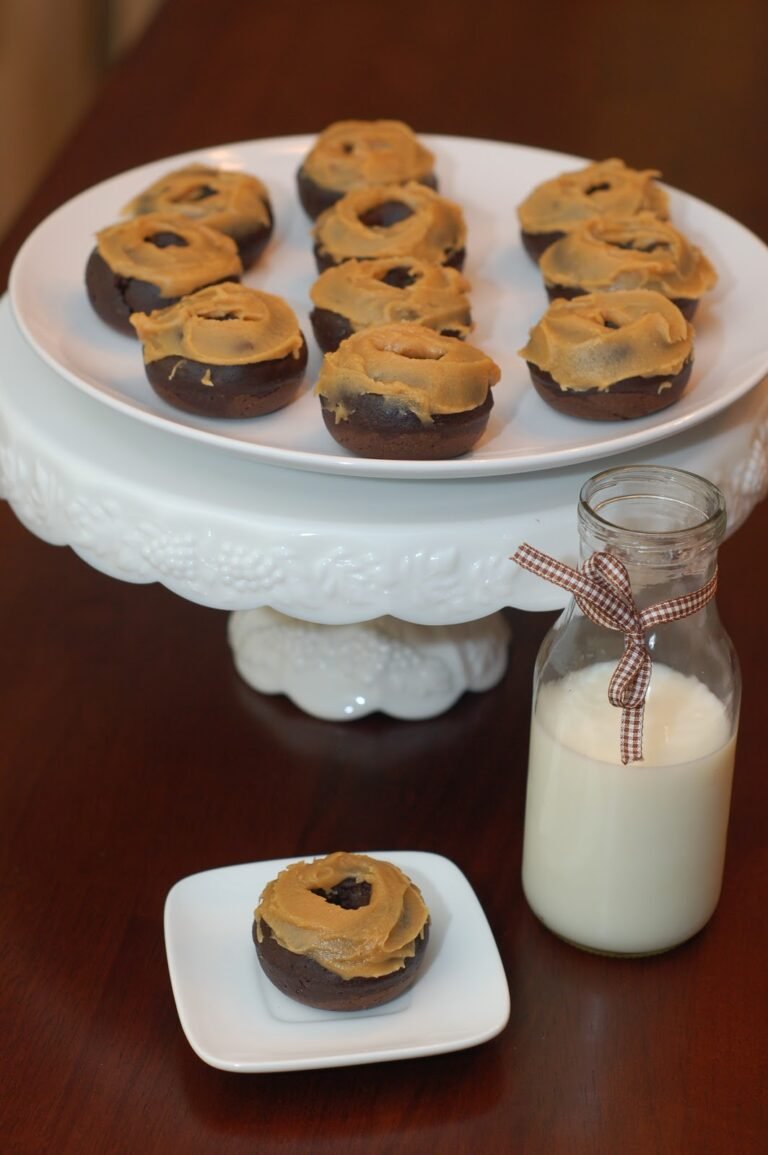

Whew! It’s been crazy busy in this neck of the woods these past couple of weeks. Between trying to do some Christmas shopping, celebrating Thanksgiving twice, decorating for Christmas, packing for vacation, going on vacation, unpacking from vacation, doing some more Christmas shopping and taking pictures of the kids for our Christmas cards, I have not had much time to sit. So now that I have a little time, I wanted to post another donut recipe I made before all the hoopla took place. Averie from healthyfoodforliving.com/recipes/ said I should try her donut recipes, so I chose to try the Peanut Butter Chocolate ones. I love chocolate and peanut butter together. These little gems satisfy my craving without feeling guilty. They are so light and fluffy, they don’t feel like a brick on your stomach like regular fried donuts. I am really getting some use out of my babycakes machine.

Mini Chocolate Peanut Butter Donuts
by loves veggies and yoga
Ingredients
- 2 tbsp butter, melted
- 2 tbsp peanut butter, melted
- 3/4 cup flour
- 1/3 cup granulated sugar
- 1/4 cup cocoa
- 1 tsp baking powder
- 1/4 tsp cinnamon
- 1/2 cup buttermilk ( I didn’t have any, so used reg. milk)
- 1 egg
- 1/2 tsp vanilla extract
Cooking Directions
- In a small bowl, soften/melt the butter and peanut butter in the microwave, about 15- 30 seconds. Stir.
- In a large bowl, mix together flour, cocoa powder, sugar, baking powder, cinnamon, buttermilk, egg, and vanilla. Mix well.
- Add the butter/peanut butter mixture and stir together until well blended.
- Fill each cooking reservoir with about 2 tbsp of batter.
- Bake 2-4 minutes or until toothpick inserted in donut comes out clean. Makes about 12 mini donuts.

Peanut Butter Glaze
by loves veggies and yoga
Ingredients
- 1 tbsp butter, melted
- 2 tbsp peanut butter, melted
- 1/3 cup powdered sugar
- 1/2 tsp vanilla extract
- 1 tbsp milk
Cooking Directions
- Mix the melted butter and peanut butter. Then add the powdered sugar and vanilla.
- Slowly add the water or milk, one teaspoon at a time, until desired consistency is achieved.

For some reason I am having trouble getting the glaze to adhere to the donuts, so I end up having to make the recipe a little thincker and put it on as more of a frosting. I wonder if the machine gives the donuts a slicker finish than if I baked them in the oven? I guess I will find out when I finally get to buy my pans. Maybe Santa will bring me some for Christmas.
Related Posts





Subscribe for New Racipies
Get mental health tips, updates, and resources delivered to your inbox.