
Are Uncrustables Healthy? The Controversial Snack Review!

Medically reviewed by Lindsay Ewan, MD Updated Date: January 4, 2026
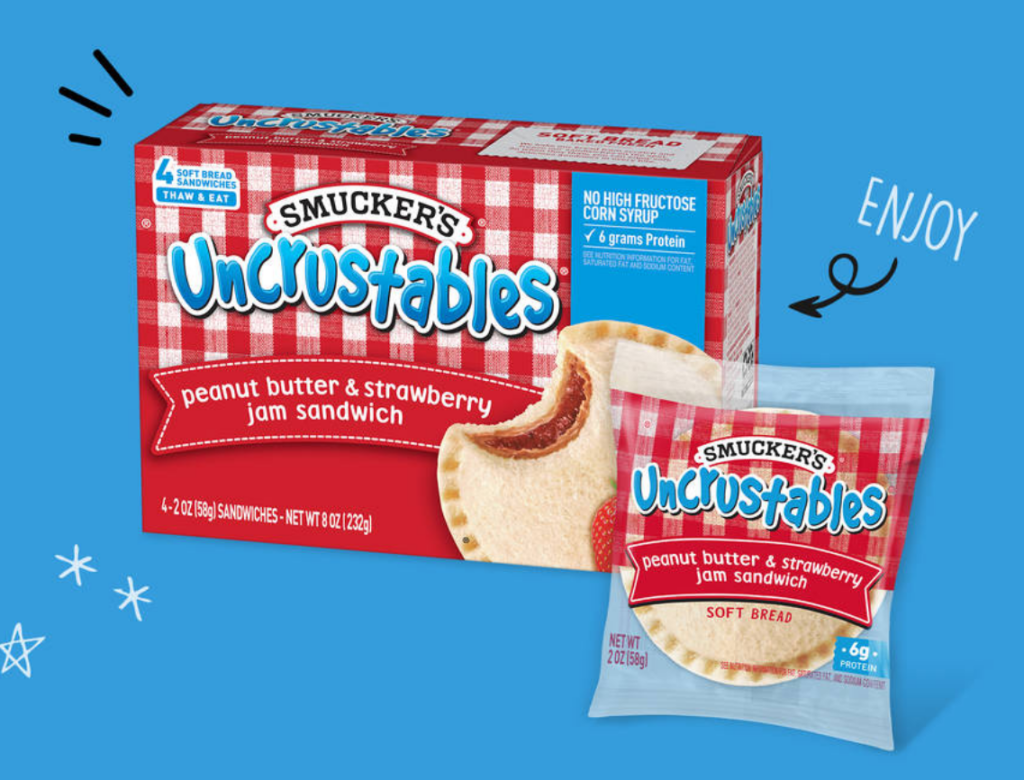
The first time I saw Uncrustables in the grocery store, I was intrigued by its cute appearance and cheerful packaging. It certainly looked more kid-friendly than a peanut butter and jelly sandwich. After all, it’s not messy, there are no crust corners, and it is compact enough to fit inside your child’s lunchbox.
But did you know that this seemingly wholesome snack is not as healthy as it seems?
So, what’s the truth – are Uncrustables healthy or unhealthy?
Uncrustables are unhealthy snacks because they are high in sugar, fat, and sodium. They also do not provide many nutrients aside from a little protein and fiber content. Furthermore, they come with artificial colors and preservatives which have been linked to hyperactivity in children.
Keep reading to learn more about this snack/breakfast sandwich and why it might not be the healthiest option.
Are Uncrustables Healthy?
While there’s no shortage of hand-held sandwiches on the market, Uncrustables have become one of the most popular options thanks to their claimed “all-natural ingredients” and loveable, child-friendly packaging.

But how healthy are these frozen sandwiches?
The U.S. Centers for Disease Control (CDC) and Prevention defines healthy food as foods having at least 10% of the Daily Value (DV) for one or more of the following nutrients: Vitamin A, Vitamin C, iron, calcium, protein and fiber.
So do Uncrustables fit that description?
Let’s look at their nutrition facts and find out!
According to the Smuckers Uncrustable Products nutrition facts Uncrustables products do NOT meet the CDC’s definition of a healthy snack.
Why Uncrustables Might be Bad for You?
There is a possibility that Uncrustables could cause health issues due to the high quantities of sugar in the jam, jelly, honey, and the amount of salt in the processed bread and peanut butter.
The Uncrustables website suggests they are not, by themselves, a complete and balanced meal, and should be eaten as part of a balanced diet.
So it is acceptable to consume Uncrustables occasionally, but they should not be considered a healthy or complete meal.
Can Ingredients in Uncrustables Contribute to Diabetes?
Since Uncrustables are highly processed foods that include added sugar, which can contribute to obesity and diabetes, they should be consumed in moderation.
According to the nutrition facts on the packaging, one Uncrustables sandwich contains 210 calories, 10 grams of sugar, no Vitamin D, and only 2% of the recommended daily allowance (RDA) of calcium and 6% RDA of iron. DV percentages of sugar per sandwich flavor are shown in Table 1.
Table 1: Percentage of DV of sugar per sandwich weight
| Flavor | Weight (per sandwich) | Sugar (% of daily value) |
| Peanut Butter & Strawberry Jam | 58 grams | 15% |
| Peanut Butter & Grape Jelly | 150 grams | 52% |
| Peanut Butter & Grape Jelly | 76 grams | 24% |
| Peanut Butter & Honey | 58 grams | 18% |
| Chocolate flavored Hazelnut spread. | 52 grams | 20%. |
This same amount of sugar is seen in many types of candy which can be associated with cavities and tooth decay.
Can High Levels of Sodium in Uncrustables Trigger Blood Pressure?
Due to salted peanut butter as a filling, Uncrustables contain higher sodium levels than many processed snacks. With 500 mg of sodium, one large sandwich contains 21% of the RDA of 2300 milligrams (mg) per adult and 800 – 1000 mg per child.
Table 2 contains sodium levels for each weight and flavor of Uncrustables.
Table 2: Sodium levels per flavor and weight of Uncrustable sandwich
| Flavor | Weight (per sandwich) | Sodium |
| Peanut Butter & Strawberry Jam | 58 grams | 220 mg |
| Peanut Butter & Grape Jelly | 150 gram | 530 mg |
| Peanut Butter & Grape Jelly | 76 grams | 260 mg |
| Peanut Butter & Honey | 58 grams | 210 mg |
| *Chocolate flavored Hazelnut spread | 52 grams. | 160 mg |
*The chocolate hazelnut spread flavor has comparatively lower sodium content as no salted peanut butter is used.
Uncrustables are Not Ideal if You are Counting Calories
Due to their ingredients containing many hydrogenated oils, such as soybean and vegetable oil, Uncrustables have high-calorie content.
One 58-gram peanut butter and strawberry jam Uncrustables sandwich contains 210 calories, and one 150 gram peanut butter and grape jelly sandwich contains 600 calories! Table 3 shows the caloric intake of each flavor and weight of Uncrustables sandwiches
Table 3: Calories per flavor and weight of Uncrustables sandwich
| Flavor | Weight (per sandwich) | Calories |
| Peanut Butter & Strawberry Jam | 58 grams | 210 |
| Peanut Butter & Grape Jelly | 150 gram | 600 |
| Peanut Butter & Grape Jelly | 76 grams | 300 |
| Peanut Butter & Honey | 58 grams | 200 |
| Chocolate flavored Hazelnut spread | 52 grams. | 210 |
These numbers may seem low, but when you take into account that these sandwiches are often eaten as snacks , these numbers start to add up. Therefore, it is not ideal to snack on these sandwiches if you are trying to maintain or lose weight.
Uncrustables are NOT for Peanut-Sensitive People
One of the main ingredients of Uncrustables is peanut butter, which obviously contains peanuts.
So if you are sensitive to peanuts in any form, consuming Uncrustables in any flavor can trigger your allergens.
For people with nut allergies the hazelnut flavor could also cause allergic reactions. Same can be said for the wheat (bread) and dairy (milk) included in the products.
Can the Ingredients in Uncrustables Lead To Major Heart Issues?
Uncrustables are not the healthiest snack or breakfast sandwiches. For example, a peanut butter (PB) and strawberry jam sandwich of 150 grams contains 18% saturated fat of DV. It is more than the maximum 10% RDA of saturated fat.
Consuming this amount of saturated fat on a regular basis is bound to increase Low-Density Lipoprotein (LDL – bad cholesterol) and decrease High-Density Lipoprotein (LDL – good cholesterol) leading to many heart-related issues in the future. Table 4 contains percentages of DV of saturated fat.
Table 4: Percentage of DV of saturated fat per sandwich weight
| Flavor | Weight (per sandwich) | Saturated fat (% of Daily Value) |
| Peanut Butter & Strawberry Jam | 58 grams | 8% |
| Peanut Butter & Grape Jelly | 150 grams | 35% |
| Peanut Butter & Grape Jelly | 76 grams | 18% |
| Peanut Butter & Honey | 58 grams | 10% |
| Chocolate flavored Hazelnut spread. | 52 grams. | 15%. |
Is Anything Good About Uncrustables?
Despite having so many unhealthy ingredients, Uncrustables do contain some valuable nutrients . But are they enough to outweigh the unhealthy effects of these crustless sandwiches?
Let’s have a look.
Uncrustables contain whole wheat?
If you read the ingredient labels of Smucker’s Uncrustables packaging, you will see they mention whole wheat as their primary ingredient for making the bread. It gives the sandwiches some fiber content to fill you up quickly when looking for a quick snack. See table 5 for fiber content per flavor of sandwich weight.
Table 5: Percentage of fiber DV per flavor and weight of sandwich
| Flavor | Weight (per sandwich) | Fiber (% of Daily Value) |
| Peanut Butter & Strawberry Jam | 58 grams | 7% |
| Peanut Butter & Grape Jelly | 150 grams | 25% |
| Peanut Butter & Grape Jelly | 76 grams | 13% |
| Peanut Butter & Honey | 58 grams | 11% |
| Chocolate flavored Hazelnut spread. | 52 grams | 5% |
Are there RDA amounts of Protein in Uncrustables?
The presence of peanuts in the peanut butter filling provides some protein content in the sandwiches. Also, the jam is made from real fruit , from which you get the nutrients of real fruit (and a lot of sugar, too!). Table 6 shows the amounts of protein in each flavor of Unscrustables.
Table 6: Amount of protein per flavor and weight of each type of sandwich
| Flavor | Weight (per sandwich) | Protein |
| Peanut Butter & Strawberry Jam | 58 grams | 6 grams |
| Peanut Butter & Grape Jelly | 150 grams | 18 grams |
| Peanut Butter & Grape Jelly | 76 grams | 9 grams |
| Peanut Butter & Honey | 58 grams | 7 grams |
| *Chocolate flavored Hazelnut spread | 52 grams | 4 grams |
Therefore, go ahead and enjoy an Uncrustable on occasion, but make sure to fill up on vegetables the rest of the day!
Are there Healthy Alternatives to Uncrustables?
Uncrustables are typically high in calories and low in nutritional value. Let’s look at healthy snack/breakfast options from the grocery store that are higher in protein, contain less sugar, and provide a more nutritious bite.
- Nutri Grain Bars: have no added sugar and are much lower in calories and saturated fats.
- Quest Bars: have 0% added sugar, very high in protein and fiber
- Nature Valley Granola Bars: extremely low in calories, sodium, and sugar and have a negligible amount of saturated fat.
Moreover, these alternatives are equally convenient and tasty. Also if you want to satisfy a peanut butter and jelly (PB&J) craving without all the preservatives, try a homemade PB&J with fresh fruit.
But if you do not have the time or energy for that, look for 100% whole wheat bread (with no added sugar) and real fruit preserves made with natural ingredients.
FAQs
Are Uncrustables vegan?
Some flavors of Uncrustables are vegan, while others are not. Honey and dairy are used in some varieties, such as the PB & honey and hazelnut chocolate flavors. The classic PB with jam is vegan, but it is always best to read the ingredient labels if you are a strict vegan.
Are Uncrustables gluten-free?
One of the main ingredients of Uncrustables is wheat flour contained in the bread, therefore, Uncrustables are not gluten-free.
Are Smucker’s Uncrustables vegetarian?
All the sandwiches of Smucker’s Uncrustables are vegetarian-friendly as they do not contain meat products. However, the roll-ups have meat, so are not vegetarian-friendly.
Conclusion
Are Uncrustables Healthy? Do not be deceived by the front packaging of Uncrustables claiming “whole wheat” or “low sugar” as a healthy snack.
Always read the nutrition label on the back of the packaging to know the complete list of ingredients.
Eating Uncrustables as a part of your (or your children’s) daily diet is not recommended. Instead, you can enjoy them once in a while as a treat.
Also, it is crucial that you eat various foods to ensure you are getting a balanced diet in terms of macronutrients, vitamins, and minerals.
Related Posts



Subscribe for New Racipies
Get mental health tips, updates, and resources delivered to your inbox.
Grandma Old Fashioned Sweet Potato Pie Recipe

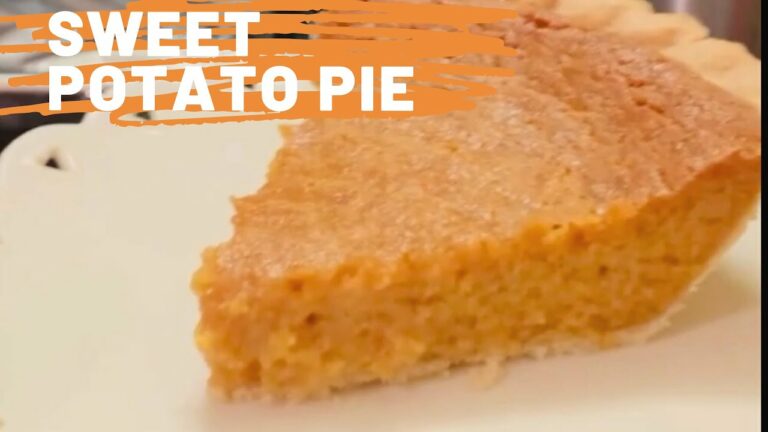
Few things conjure up feelings of warmth and nostalgia like an Old Fashioned Sweet Potato Pie, a classic favorite that has been cherished in family gatherings for generations. This delicious dessert often brings to mind cozy family dinners, laughter around the table, and stories from the past.
What if you could recreate this mouthwatering delight, just like grandma used to make? Today, we’re going to do just that! This article will introduce you to Grandma’s old-fashioned sweet potato pie recipe that will bring you back to those beautiful memories of yesteryears.
Grandma’s Recipe
A Culinary Journey into the Past: We know that the best recipes are those that have stood the test of time, and grandma’s old-fashioned sweet potato pie is a shining example. This delicacy is not just a pie; it’s a narrative of generations, woven with love, warmth, and of course, unbeatable flavors.
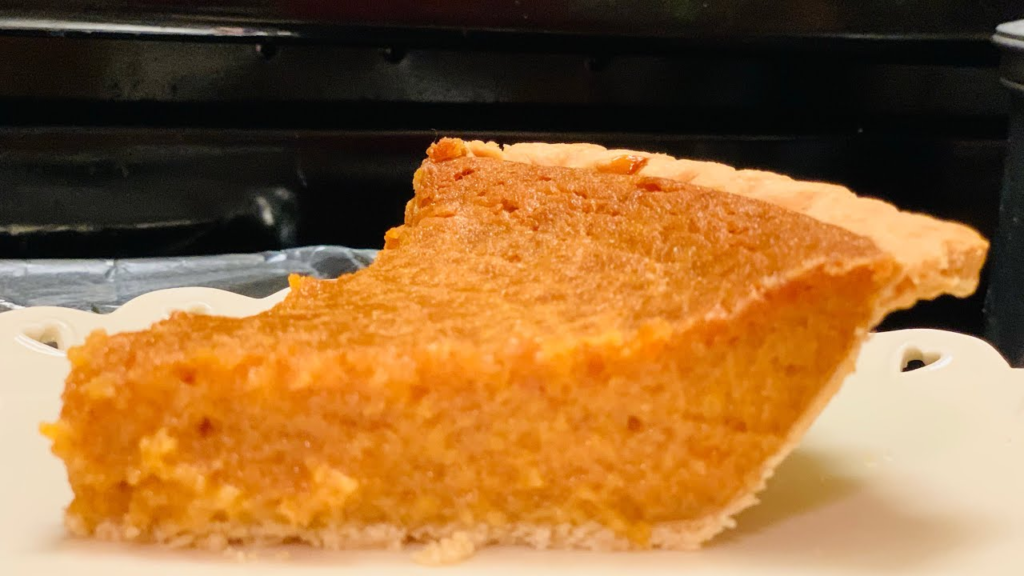
How Sweet Potato Pie Became a Classic?
Sweet potato pie is a Southern delicacy that has been loved for centuries. It’s believed to have originated from African-American culture during the era of slavery, as an alternative to the European-style pumpkin pie. Over the years, it has become a favorite, especially during holidays like Thanksgiving and Christmas. Grandma’s old-fashioned sweet potato pie recipe is a testament to this culinary tradition.
How to Make Grandma’s Old Fashioned Sweet Potato Pie?
Creating this nostalgic treat is a labor of love, as it involves careful preparation and attention to detail. Here’s a step-by-step guide to making your own old-fashioned sweet potato pie, inspired by grandma’s recipe.
Ingredients:
- 2 cups mashed sweet potatoes (about 3-4 medium-sized sweet potatoes)
- 1 cup granulated sugar
- 1/2 cup unsalted butter, melted
- 1/2 cup milk
- 2 large eggs
- 1 teaspoon vanilla extract
- 1/2 teaspoon ground cinnamon
- 1/4 teaspoon ground nutmeg
- 1/4 teaspoon salt
- 1 unbaked 9-inch pie crust
For the whipped cream (optional):
- 1 cup heavy cream
- 2 tablespoons powdered sugar
- 1/2 teaspoon vanilla extract
Instructions:
- Preheat your oven to 350°F (175°C).
- Peel the sweet potatoes and cut them into chunks. Place them in a large pot of boiling water and cook until tender, about 15-20 minutes. Drain the sweet potatoes and mash them using a potato masher or fork until smooth. Let them cool for a few minutes.
- In a large mixing bowl, combine the mashed sweet potatoes, sugar, melted butter, milk, eggs, vanilla extract, cinnamon, nutmeg, and salt. Stir well until all the ingredients are fully combined and the mixture is smooth.
- Place the unbaked pie crust in a 9-inch pie dish. Pour the sweet potato mixture into the pie crust, smoothing the top with a spatula or the back of a spoon.
- Bake the pie in the preheated oven for about 55-60 minutes or until the center is set and the pie is golden brown. You can test for doneness by inserting a toothpick into the center of the pie – if it comes out clean, the pie is ready.
- Remove the pie from the oven and let it cool completely on a wire rack. Once cooled, refrigerate for a few hours or overnight to allow the flavors to meld together.
- If desired, prepare the whipped cream. In a chilled bowl, beat the heavy cream, powdered sugar, and vanilla extract together using an electric mixer on medium-high speed until soft peaks form.
- Serve the sweet potato pie chilled or at room temperature, topped with a dollop of whipped cream if desired. Enjoy your grandma’s old-fashioned sweet potato pie!
Note: This recipe is for a single 9-inch pie. If you want to make multiple pies, you can adjust the ingredient quantities accordingly.
Conclusion
There you have it, Grandma’s old-fashioned sweet potato pie recipe! This isn’t just any dessert—it’s a piece of history, a comforting treat that carries the flavors of love, tradition, and nostalgia. Whether you’re a novice baker or a seasoned chef, this recipe will help you create a timeless delicacy that is sure to impress. From the aroma that fills your kitchen to the sweet, rich taste in every bite, you’ll see why this pie has been a cherished dessert for generations.
Remember, like any traditional recipe, you can add your own touch to this old-fashioned sweet potato pie. Maybe you’ll even start a new family tradition. We’d love to hear about your experience and how you made this recipe your own. So, put on your apron and get ready to enjoy the taste of tradition—happy baking!
Related Posts

Subscribe for New Racipies
Get mental health tips, updates, and resources delivered to your inbox.