
Are Carrots Good for You? 7 Health Benefits of Carrots

Medically reviewed by Lindsay Ewan, MD Updated Date: January 5, 2026
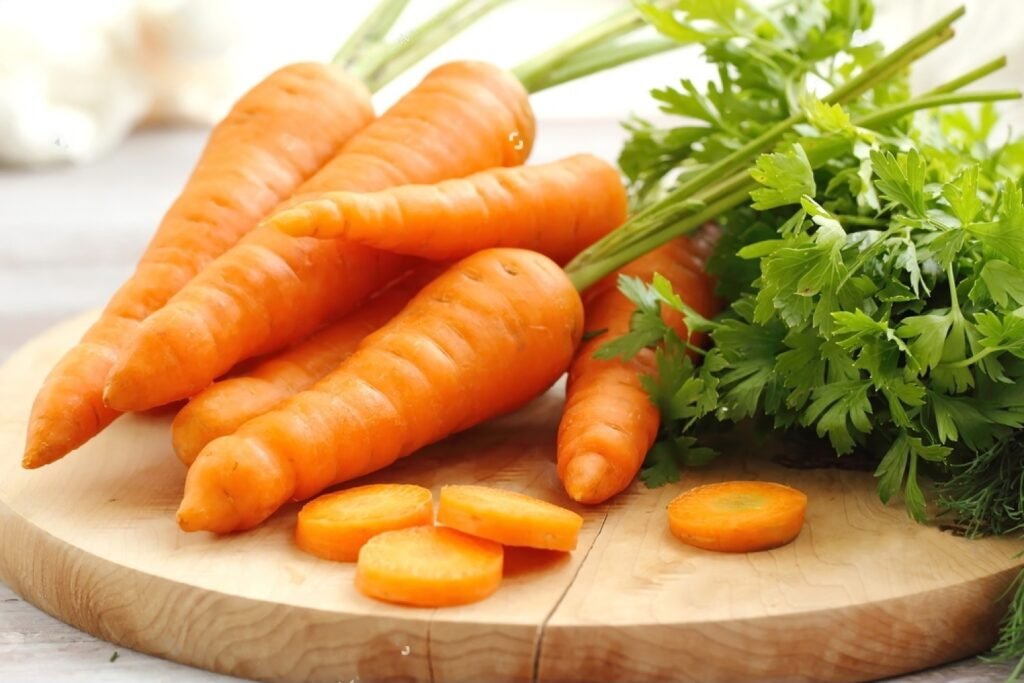
Carrots are a nutritious vegetable that is consumed as a snack and added to a variety of meals to provide flavor and texture. Their crisp texture gives salads, main dishes, pastas, and other foods a unique and savory touch.
Carrots are beneficial for health, and you might wonder, “are carrots good for you?”
Yes, Carrots are incredibly nutrient-dense and contain a variety of vitamins and minerals that you require daily. They offer some health advantages as well. They have been connected to enhanced eye health and lower cholesterol levels, and are a food that supports weight loss.
In this article, we will discuss the tremendous health benefits of carrots. Stay tuned.
Do Carrots Provide Any Health Benefits? What Are They?
Carrots are nutritious vegetables that are consumed as snacks and added to a variety of meals to provide flavor and texture. In addition to many other minerals, carrots are a great source of potassium, antioxidants, and vitamin A.
Carrots are colored orange by a pigment called beta-carotene, which is also healthy for you. When ingested in food, it transforms into vitamin A and imparts the yellow or orange color to other fruits and vegetables.
Depending on the color, size, and region of cultivation, this well-liked and adaptable vegetable may have a somewhat distinct flavor. Carrots have a slightly sweet flavor from the sugar in them, but they can also have an earthy or bitter flavor.
Related Article: Are Carrots Acidic? Carrots for Acid Reflux: Good or bad?
Nutritional Facts
Carrots are packed with many nutrients and minerals. Carrots’ nutrients, including vitamins, antioxidants, minerals, beta-carotene, and fiber, are responsible for their health advantages.
If you are ever curious about, What are the main nutrients in carrots? Check out the nutritional content of carrots in the chart below.
| Nutrients | Amounts (per serving 100 gm each) |
| Calories | 41 |
| Cholesterol | 0 mg |
| Dietary fiber | 2.8 g |
| Protein | 0.9 g |
| Sugar | 4.7 g |
| Carbohydrate | 10 g |
Additionally, carrots are a fantastic source of essential vitamins and minerals.
Vitamins and minerals
Carrots are a good source of a number of vitamins and minerals, particularly biotin, potassium, and vitamins A, K, and B6.
| Vitamins and Minerals. | Amounts (% of your daily requirement) |
| Vitamin A | 73% |
| Vitamin K | 9% |
| Potassium and Fiber | 8% |
| Vitamin C | 5% |
| Calcium and Iron | 2% |
7 Amazing Health Benefits of Carrots
Carrots include a lot of vitamins, minerals, and antioxidants. They can help support immune function, reduce the risk of some malignancies (cancers), and promote wound healing and digestive health when consumed as part of a balanced diet. So, What are the benefits of carrots?

Nutrient-rich carrots are great for your health. They contain antioxidants, which may aid in preventing diseases like cancer and heart disease and protecting your cells from oxidative stress.
Nutritionally Dense
Carrots are packed with a lot of nutrition and minerals. They are high in fiber, vitamins, and minerals. They also contain a lot of antioxidants. Carrots are high in nutrients such as potassium, antioxidants, and vitamin A, among others. The component that colors carrots orange and supports excellent health is beta-carotene, a type of carotenoid. When ingested in foods, it transforms into vitamin A and gives other fruits and vegetables their yellow or orange hue. Let’s see what they can offer you.
| Nutrients | Benefits |
| Vitamin A | Carrots have a high concentration of beta carotene, which your body converts to vitamin A. This nutrient aids vision and is necessary for growth, development, and immunological function. |
| Potassium | Potassium is a crucial nutrient for maintaining healthy blood pressure. |
| Biotin | In the metabolism of fats and proteins, biotin is crucial. |
| Vitamin B6 | B6 is part of a family of related vitamins that help turn food into energy. |
| Beta-carotene | Beta-carotene is converted into vitamin A in the body. It is beneficial to vision and eye health, as well as a strong immune system and healthy skin and mucous membranes. |
Table 3: Nutritional benefits of carrots.
Reduce the Risk of Cancer
Carotenoid-rich diets may aid in the prevention of many cancers. This includes cancers of the prostate, colon, and stomach. Breast cancer risk may be decreased in women with high amounts of circulating carotenoids.
Lutein, a plant ingredient present in carrots, may lower the risk of colon cancer when consumed as part of a healthy diet. According to a different study, increased vitamin A intake may lower the risk of gastric cancer, generally known as stomach cancer. Older studies claimed that carotenoids could prevent lung cancer, but more recent research has not found a connection.
Protect Eye Health
Antioxidants are abundant in carrots. They are a fantastic source of lutein and beta-carotene. These antioxidants can guard against oxidative damage to the eyes. Yellow carrots contain lutein, which is good for your eyes.
Beta-carotene gives plants their red, orange, and yellow colors. Beta carotene, which is abundant in orange carrots, is converted by the body into vitamin A. It is frequently possible to correct night blindness brought on by a vitamin A deficiency by taking vitamin A supplements.
Carrots are a good source of vitamin C. Carrots provide 5.9 mg of vitamin C per 100 g, which is 5% of your daily requirement. Vitamin C is required for collagen formation. Collagen is a protein that gives the eye structure, notably the cornea and sclera. Several studies have revealed that vitamin C may lower your chance of acquiring cataracts. Cataract risk is reduced by 45% by taking vitamin C.
Helpful for Weight Loss
Are carrots good for you to lose weight? Yes, carrots, as a low-calorie item, can improve fullness and reduce calorie consumption in subsequent meals. They can make you feel full, so you don’t eat as much, lowering your overall calorie consumption and aiding weight loss as part of a healthy diet. Carrots are high in fiber, which contributes to greater sensations of fullness. As a result, they may be a helpful addition to a weight-loss diet.
Can Help Control Diabetes
They can aid in the management of diabetes. Diabetics are encouraged to eat plenty of non-starchy veggies, such as carrots. Dietary fiber, such as that found in carrots, can help keep blood sugar levels in check. Carrots are also high in vitamin A and beta-carotene, both of which have been linked to a lower incidence of diabetes.
Carrots are high in antioxidants, which promote health and aid in the battle against type 2 diabetes. We now know that maintaining a healthy weight and eating a healthy, balanced diet is critical for lowering the risk of developing type 2 diabetes.
Modern discoveries, in any case, have provided an understanding of how our lifestyles and the wholesome quality of the food we eat are linked and influence our chances of developing this condition.
Boost Your Immune System
Carrots are high in vitamin C, which aids in the healing of wounds. In addition to vitamin C, carrots contain beta-carotene, which aids in the healing of scars and wound marks. Vitamin A is essential in the healing of wounds. It is linked to collagen synthesis, wound healing, and bone formatino (osteogenesis).
Carrots contain vitamin C, which helps your body produce antibodies that form part of your immune system, and help protect your body from infections. Vitamin C also aids in the absorption and utilization of iron, as well as the prevention of infections.
Lower Blood Cholesterol
Carrots can provide a lot of health benefits. Do carrots lower your cholesterol?
Yes, Carrots are naturally high in minerals, vitamins, soluble fiber, and antioxidants, all of which help decrease cholesterol levels in the body. Experts believe that the presence of Vitamin A and beta carotene, an antioxidant found in carrots, can help protect against chronic heart conditions.
Antioxidants are also beneficial to your heart. Second, the potassium in carrots can help you maintain healthy blood pressure. Third, they contain fiber, which can help you maintain a healthy weight and reduce your risk of heart disease. Carrots have also been related to reducing cholesterol levels when consumed in moderation.
FAQs
What Happens If You Eat a Carrot Every Day?
Carrots are incredibly nutritious, containing a wide range of essential elements. Carrots are high in nutrients such as potassium, antioxidants, and vitamin A, among others. The component that colors carrots orange and supports excellent health is beta-carotene, a type of carotenoid. Carrots may also reduce a person’s chance of developing cardiovascular disease and low-density lipoprotein or “bad” cholesterol levels.
Is It Good to Eat Carrots Daily?
Carrots contain a lot of vitamins, minerals, and antioxidants. They can help support immune function, reduce the risk of some malignancies, and promote wound healing and digestive health when consumed as part of a balanced diet.
What Is The Benefit of Eating Carrots?
Carrots are high in nutrients. The dietary fiber found in carrots can help keep blood sugar levels under control. Carrots are also high in vitamin A and beta-carotene, which have been linked to a lower incidence of diabetes. They have the ability to strengthen your bones. Carrots contain calcium and vitamin K, both of which are essential for bone health.
Are Carrots Good for Weight Loss?
Yes, they are. Carrots as part of a healthy diet will assist you in losing weight. It’s because they’re low in calories and high in nutrients. Carrots, as a low-calorie item, provide a sense of satiety (fullness) and reduce calorie intake in following meals. As a result, they may be a helpful addition to a weight-loss diet.
Conclusion
Many of us are familiar with the advantages of carrots. When added to our daily diet, these vegetables, formally known as Daucus carota, provide significant advantages. They include a lot of nutrients, such as fiber, healthy antioxidants, vitamins, minerals, and beta-carotene.
Carrots’ health advantages are attributed to their vitamins, antioxidants, minerals, beta-carotene, and fiber. Carrots can benefit your eyes, skin, hair, bones, and teeth. They can also help with weight loss, help you manage your blood pressure, improve your immune system, and lower cholesterol levels.
However, carrots can trigger allergic reactions in some people, so anyone with a food allergy should be careful with carrots – and all foods. , on the other hand, can be poisonous or trigger allergies in some people. Carrots can potentially cause drug interactions.
We recommend consuming carrots in moderation to reap their myriad advantages.
Related Posts






Subscribe for New Racipies
Get mental health tips, updates, and resources delivered to your inbox.
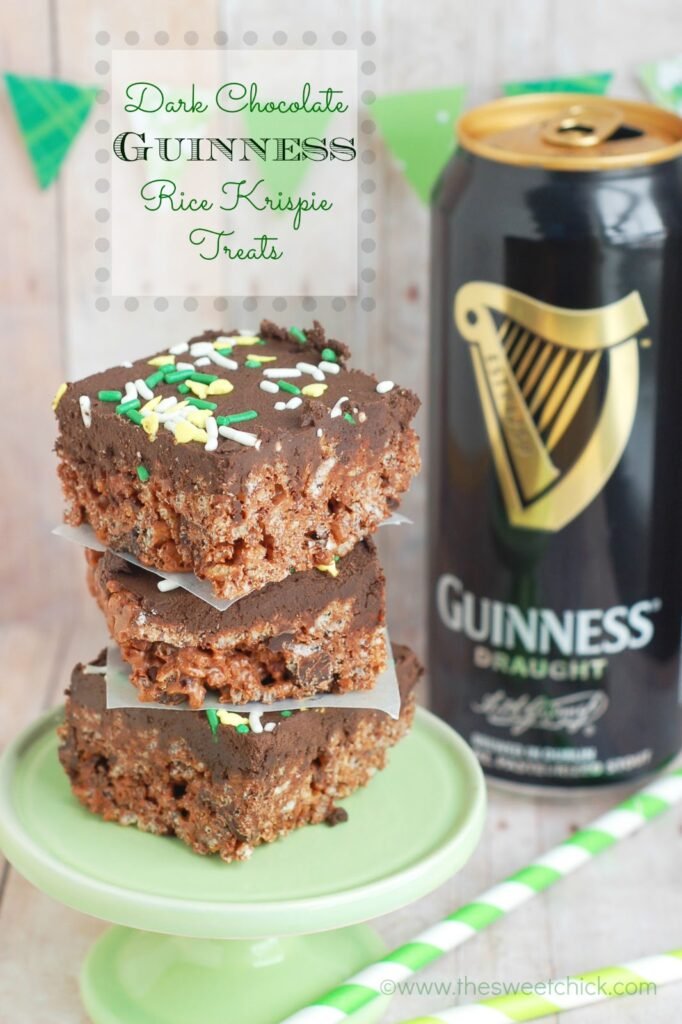
Dark Chocolate Guinness Rice Krispie Treats


Funny thing…I actually didn’t acquire a taste for beer till the last two months of pregnancy with my son. Now don’t get any silly ideas in your head that I was pounding back beers while carrying precious cargo. It was summer time, my husband had just brewed a nice light cerveza and I took a few sips and enjoyed the taste for a change. So after I gave birth and was done breast-feeding, my husband, the beer connoisseur, started bringing home different beers every week for me to try. He was all excited to have a new beer partner and eager student.

When he brought home some Guinness one night for me to try, he didn’t have any high hopes that I would like it. But surprisingly, that was one of my favorites. I liked the smooth dark, slightly bitter taste. Well, that just started the ball rolling. Next thing I knew, he and I were boarding a plane headed to the lush emerald green island of Ireland. It was an incredible trip of pub-hopping in downtown Dublin, touring the Guinness factory, taking a train ride out into the country passing by beautiful farms, cozy little towns, and seeing lots of ruins of ancient castles. And of course, eating some spectacular food. If you ever get a chance to go to Ireland, do it. All the locals were extremely friendly and there is so much to see and do.

Anyways, I digress. Back to the recipe. I have used Guinness in baking before in cupcakes and brownies. But I was looking for something different. How about a crunchy Guinness treat? Yeah, that’s the ticket. Guinness goes great with chocolate, so I paired it up with dark chocolate. I boiled down a cup of Guinness to less than 1/4 cup, then mixed it with Ghirardelli bittersweet baking chips before adding it to the marshmallows and Rice Krispies. And on top of that , mixed in some Hershey’s Dark Chocolate Chips.

As if that wasn’t enough dark chocolate for you, I topped it off with some Guinness dark chocolate frosting that is to die for. I boiled down another cup of beer and again mixed it with some bittersweet chocolate before adding it to a dark chocolate frosting. Oh. Em. Gee. I was eating the frosting by the spoonful. You really don’t taste any beer in either the treats or the frosting, but the boiled down syrup does bring out all the goodness of the dark chocolate.

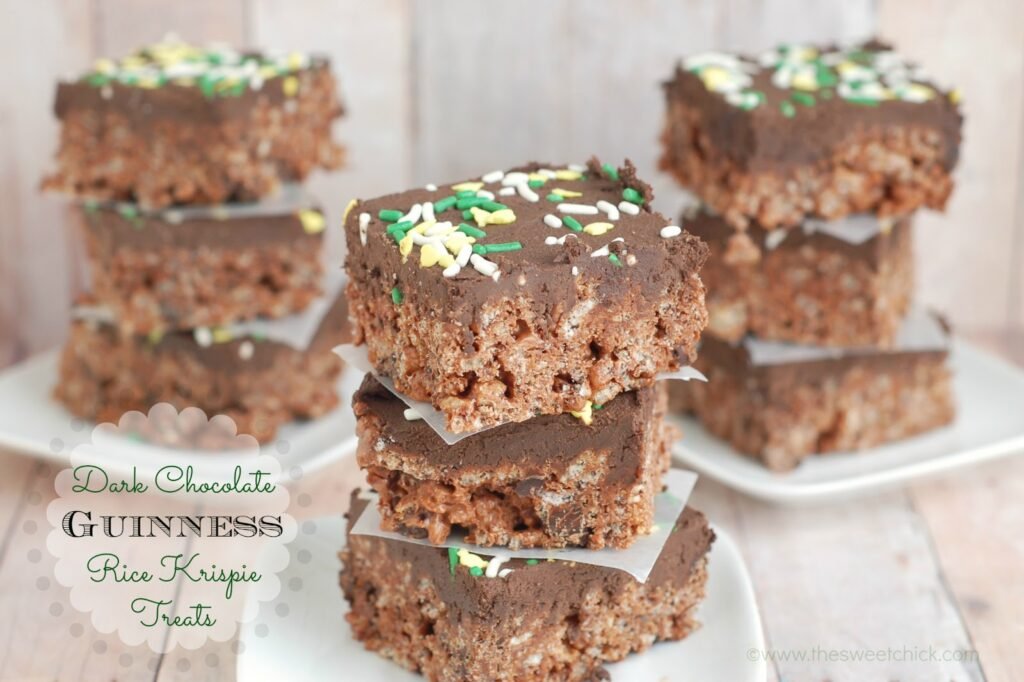
The frosting is light, fluffy and not overly sweet. It is a perfect pairing for the treats, but I think it would be great for cakes and cupcakes as well. If you don’t want to make the Rice Krispie squares with frosting, you can cut them out into shamrock shapes and cover them with some almond bark or candy melt and decorate. I even got a little silly and traced out a pint glass shape and decorated it with white almond bark and chocolate candy melts.

You can have as much fun as you like, but for the love of Guinness, don’t waste any beer while making these. You will need to open two cans of beer, just make sure there is someone there to drink the rest. And in case you didn’t figure it out already, these are NOT for children. Although I did burn off most of the alcohol, I still made sure to keep these far away from my children. They can wait till they are 21 years old to eat them.
Dark Chocolate Guinness Rice Krispie Treats
by The Sweet Chick
Prep Time: 15-20 minutes
Cook Time: 20 minutes
Keywords: stove top dessert snack rice krispies dark chocolate dark chocolate chips marshmallows St. Patrick’s Day bars rice krispie treats American
Ingredients (24 bars)
For the bars
- 1 cup Guinness beer
- 1/3 cup Ghirardelli 60% Cocoa baking chips
- 3 tablespoons butter
- 4 cups mini marshmallows
- 6 cups Cocoa Krispies
- 1 cup Hershey’s Dark chocolate chips
For the frosting
- 1 cup Guinness beer
- 1/3 cup Ghirardelli 60% Cocoa baking chips
- 2 cups powdered sugar
- 1/4 cup Hershey’s Dark cocoa
- 1/2 cup vegetable shortening
- 1/2 teaspoon vanilla
- 3-4 tablespoons milk
Optional toppings
- sprinkles
Instructions
For the bars
Place beer in a small saucepan and bring to a boil over medium heat. Boil for 15 minutes, until beer is reduced to a little less than a 1/4 cup of liquid.
Remove from heat and add the Ghirardelli baking chips. Stir until all the chocolate is melted. Then put it aside to cool off a little and thicken.
In a large sauce pan, melt butter and marshmallows over low heat. Stir until completely melted.
Remove from heat and add the beer/chocolate mix. Stir until completely mixed.
Then add the Rice Krispie cereal and the Hershey’s chocolate chips. Mix until all is well incorporated.
Then pour the mixture into a greased 9 x 13 pan or a cookie sheet and spread it evenly with a piece of waxed paper.
Place in fridge to cool and set.
For the frosting
Place beer in a small saucepan and bring to a boil over medium heat. Boil for 15 minutes, until beer is reduced to a little less than a 1/4 cup of liquid.
Remove from heat and add the Ghirardelli baking chips. Stir until all the chocolate is melted. Then put it aside to cool off a little and thicken.
In a stand mixer, place the powdered sugar and cocoa. Mix on low until well blended.
Then add the shortening, vanilla, and beer/chocolate mixture. Mix on medium speed until frosting starts to come together.
Add milk 1 tablespoon at a time until frosting becomes light and fluffy.
Spread the frosting evenly over the chilled Rice Krispie Treats with a spatula and add sprinkles if desired.
You can keep the treats refrigerated if you are not eating them right away. However, they can be left out at room temperature.
Related Posts






Subscribe for New Racipies
Get mental health tips, updates, and resources delivered to your inbox.