
Are Pickles Acidic? Pickles for Acid Reflux [Good or Bad]

Medically reviewed by Christiana George Updated Date: January 5, 2026

Pickles are made from cucumbers; hence, a large portion of their nutritional content is derived from this non-starchy vegetable. Now to know how healthy they really are.
A question may arise in your mind, are pickles acidic?
Pickles have some acidic content in them. The range of pH varies from 3.2 to 3.6 which ensures its acidity. The variety of pickles may vary with their pH as well. Its acidic content doesn’t make it less healthy at all. Pickles are good for digestion and inflammation.
Today we will come to know about whether you should add pickles to your diet or not and also know about in which situation you avoid it. And how interesting their varieties could be.
Are pickles acidic or alkaline? What an expert says!
Pickles that have experienced fermentation are maintained in a salted environment that eventually turns acidic owing to helpful bacteria. This makes the pickles pH to vary between 3.2 to 3.6. More surprisingly, pickles have a different pH range than the cucumber.
Lactic acid has a very little difference in its chemical composition from acetic acid, making them close relations and making them more acidic.
Cucumber & pickles: why the pH is different
Pickles are made of cucumber. From the adverse process of cucumber to become pickles, makes them more acidic. The three major components of making pickles are vinegar, cucumber, salt and water.

According to FAO, vinegar contains high amounts of acetic acid that may up to 12% of its main components. Other than that, cucumbers have a pH varying from 5.12 to 5.78 which indicates its acidity as well.
Cucumber has a pH range of 5.12 to 5.78 whether the pH of pickles decreases to 3.2 to 3.6. The fermentation process makes the cucumber turn into pickle and less acidic to more acidic by its contents.
So, Why Are Pickles Acidic?
These are the following reasons why pickles are mentioned to be an acidic food.
- According to the study of pubmed, it contains approximately 1.5% lactic acids.
- Pickles’ primary component, cucumbers, has a mild acidity (5.5 pH).
- In a vinegar brine, the cucumbers are placed (Level of pH range from 2.3 to 3).
Related Post: Is Broccoli acidic? Broccoli Acid Reflux (Is This True?)
Various pickles and its pH (pH of pickles)
There is a wide range of variety in pickles that also varies in their pH level. Let’s see the content analysis –

Pickles for acid reflux [good or bad]
Most of you will judge pickles for its acidic content for sure. But I would rather suggest you not to do that. Pickles are full of organic acids and have a pH of below 3.6 which is surely acidic but pickles will only trigger your acid reflux if you exceed the limit.
Our stomach content is already very acidic because of the presence of HCL on it. This acidic environment naturally doesn’t cause acid reflux because of the food particles. But, here are some conditions that will cause you acid reflux-
- If you have an empty stomach, you rather avoid having acidic fruits like pickles. Which can trigger the acidic component more and surely cause acid reflux.
- If you have some oily or fatty food that can also trigger acid reflux. Because the oily substances produce acid in the empty stomach and end with heartburn.
Related Post: Are Apples Acidic? Apples for Acid Reflux [Good or Bad]
Heartburn and Dill Pickles
Dill pickles can cause heartburn. Couple of pickles a day may not create a severe problem for you. Because our body’s immune system always makes sure to balance the homeostasis of the digestive system.
But if the limit exceeds and lot’s of pickles are consumed then the heartburn will come to you for all means. It will trigger the acidic components present in the stomach and create a backflow of acids that will cause heartburn and throat burns.
Pickles juice: does it help in acid reflux?
Most nutritionists suggest not eating pickles because of its higher acidic component. But they perish the pickle juice. Pickle juice is a dissolved ingredient of pickles that decreases the pH level and creates a safer appearance to drink it.
So, basically, pickles can cause acid reflux but pickle juice can help in remedy. There are lots of health benefits of having pickles juice and “remedy in acid reflux” is one of them.
According to USDA, Pickles juice has a pH ranging from 6.20 to 6.26 which is close to neutral. This closely neutral juice can easily help you to dissolve the acidic atmosphere of your stomach and minimize the acidic compounds.
Pickle juice is recommended for acid reflux for your gut health as well. It helps with a wonderful dosage of lactic acid bacteria, a beneficial probiotic bacterium that supports bowel health and is present in cucumbers.
Which pickles are you munching on right now?
A lot of varieties of pickles you see in your surroundings, let’s check out these varieties.
Bread and Butter pickles
All bread and butter pickles include one characteristic in common: their acidic brine contains a small amount of glucose, giving them a milder flavor than regular sour pickles.
Cornichons
Gherkin is referred to as a cornichon in elegant French. Those kinds of pickles are basically the same thing; they are both little (or less 2 inches), lumpy, and adorable.
Dill Pickles
The most well-known pickles are dill pickles, which, as you’ve probably predicted, are named for the dill flavor they possess. The most acidic pickles are dill pickles.
Sweat Pickles
Similar to bread and butter pickles, sweet pickles are produced using a saltwater that includes both vinegar and sugar. In other words, while the sweetness in sweet pickles is not as overpowering as it is in the other pickles just on the list, it is still present.
Kosher pickles
It may be a little surprising, but kosher pickles are not always produced in line with the Jewish special diets of the same name, some pickles labeled “kosher” are actually not kosher. This can supply16 mg of calcium which builds bone destiny and also supplies magnesium, phosphorus, iron and zinc.

Other varieties of pickles are Kool-Aid pickles, Polish or German Pickles, Gherkins, Lime Pickles and more.
Fun fact: There are two types of pickle making processes, ferment and soaked pickles.
5 Reasons to start having pickles now
Pickles are healthy for our body, because pickles contain relatively little fat or protein and virtually entirely water, like the majority of vegetables. Due to the salty brine’s ability to pull water out of the pickles, they also contain a lot of vitamins.
Vitamins and minerals are abundant in pickles. Eating pickles may provide a range of health advantages, including the following:
Reduce Cell Damage
Pickles appear to have only small benefits on overall health in terms of reducing damage-causing oxidative stress. Pickles are a great option for anyone trying to increase their intake of antioxidants organically.
Blood Pressure Concerns
Too much salt in your diet each day can raise your blood pressure. Pickles should only be eaten periodically by anyone on blood pressure medication or trying to lower their salt intake.
Increased Risk of Osteoporosis
Pickles contain high levels of sodium; an increased risk of osteoporosis may be linked to high salt diets. High salt intake can further leach calcium from your bones, increasing the risk of osteoporosis if you are not getting enough calcium.
Aid Weight Loss
Pickled cucumbers have few calories. They could make you fat because of their high-water content. Pickles include vinegar as well, which has been connected to decreased appetite.
Healthy digestive system
Pickles are good for your digestive system as well. It helps with the lactic acid bacteria and other probiotics elements that helps you to make a healthy intestine and give a healthy stomach for you.
Content analysis of pickles and experts opinion
According to the webmd whole pickles contain-
- 20% of the recommended daily intake of vitamin K, which promotes blood clotting and strengthens bones.
- Vitamin C, an antioxidant that guards against cell damage, provides 3%–4% of your daily needs.
- Adults require 6% of the daily recommended calcium for strong bones, teeth, and nerves.
- 1% of the recommended daily intake of vitamin A, which is essential for good vision, immunological function, and pregnancy.
Related: Are Onions Acidic or Basic? Avoid With Acid Reflux or Not
FAQs
Are pickles acidic food?
Pickles are acidic, because acid foods contain enough acid to have a pH of 4.6 or below. Acidity can be added to foods like pickles or it can be found naturally in most fruits.
A measurement of acidity is “pH”; the lower the value, the more acidic the meal, and pickles have lower PH level.
Is pickle juice high in acid?
Yes, pickles are highly acidic. However, if a person with stomach ulcer it causes pain and disconformity.
So, they should avoid pickle juice but if you are a lover of pickles and have no diseases then you might relish a glass of pickle juice and enjoy your day.
Is eating dill pickles everyday good for you?
Pickles tend to be heavy in salt, so even though they offer certain health benefits, it is not a good idea to consume pickles every day.
Because too much sodium can cause hypertension, increase water retention, raise blood pressure and cause kidney impairment in those whose renal function is already weakened.
Conclusion
Hopefully you come to know whether the pickles are acidic or not? Also the varieties of pickles, its causes with acid reflux and remedy, benefits of pickles and effect of it on health.
Finally, you must know that in which situation you should avoid pickles because of their pH level. From now I am sure you can select your diet wisely.
Related Posts


Subscribe for New Racipies
Get mental health tips, updates, and resources delivered to your inbox.
7 Amazing Benefits of Cherries for Skin

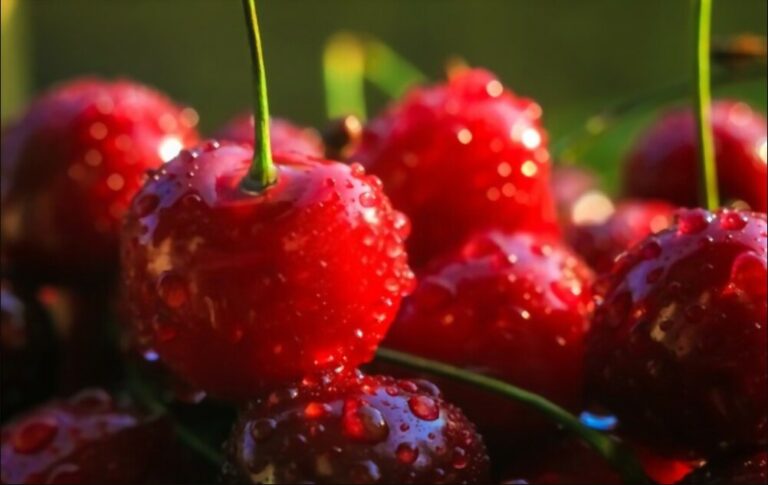
Cherries are among the most delectable and widely available fruits we may indulge in. They are rich in antioxidants and vitamins that do wonders for your health and well-being. Yet, few people are aware of exactly how nutritious they are.
So, what are the benefits of cherries for the skin? Cherries are a rich source of vitamins A, B6, C, and E, all of which help support skin health. Due to their high antioxidant content, cherries can slow the aging process by scavenging the body’s free radicals. This is good for health in general, and is particularly important for healthy skin.
Here is what the each nutrient in cherries can do for your skin:
| Vitamin C | Reduces dulles and improves the appearance of fine lines |
| Vitamin A | Moisturizes |
| Potassium | Hydrates skin |
| Vitamin E | Neutralizes free radicals |
| Melatonin | Improves sleep, which is indirectly good for the skin |
| Vitamin K | Reduces inflammatory |
| Antioxidants | Free radical scavenger, reducing effect of harmful UV rays |
This is just a simple summary. There is plenty more to discuss about the benefits of cherries. There are a variety of forms in which you can consume cherries, and obtain these health benefits. Eating cherries raw, consuming cherry juice, and putting cherry paste on your skin are all options. So, let’s dive right in.
Benefits of Cherries for Skin
Now that you know what those healthy bright-red fruits consist of, it’s time to learn about their benefits on a deeper level. First, we will take a look at each of these nutrients in more detail, and describe how those nutrients benefit your skin.
- Vitamin C
Vitamin C is a commonly recommended nutrient to improve skin’s appearance. It is thought to decrease the appearance of aging, brighten skin, and decrease the appearance of fine lines and wrinkles. Additionally, vitamin C encourages the body to produce more collagen, which aids in the long-term maintenance of the skin’s elasticity and firmness.
- Vitamin A
Vitamin A improves skin’s tone and texture. It acts as an exfoliant, helping shed outer dull layers of skin, leaving the bright shine you desire. The dermis and epidermis, the two outermost layers of your skin, are actively nourished by vitamin A.
If you start eating cherries frequently and have acne or skin outbreaks, you could see a reduction in these symptoms. Vitamin A controls the sebum released at the skin’s surface.
- Potassium
Potassium is important in fluid balance within the body. It helps reduce sodium within the body, helping prevent excessive fluid retention. This is beneficial for skin’s appearance, in that it helps maintain an appropriate level of hydration in the skin.
- Vitamin E
Vitamin E enhances blood circulation. It helps circulation everywhere, including in the scalp. This is thought to be important to help minimize hair loss, and allow continued healthy hair growth.
- Melatonin
While melatonin is primarily known for its role in regulating sleep, it has also been studied for its potential benefits for skin health.
Melatonin is an antioxidant that can help protect the skin against free radicals, which are unstable molecules that can cause damage to cells and contribute to the aging process.
Additionally, melatonin has been shown to have anti-inflammatory properties that can help reduce redness and irritation in the skin. Therefore, think about including cherries in your normal diet if you want to see improvements in the condition of your skin.
- Vitamin K
Vitamin K can help improve the appearance of certain skin conditions. Vitamin K is a fat-soluble vitamin that plays an important role in blood clotting, bone health, and cardiovascular health. It also has antioxidant properties, which can help protect the skin from damage caused by free radicals.
- Antioxidants
Cherries are rich in antioxidants, such as vitamin C and anthocyanins, which help to protect the skin from damage caused by free radicals. Free radicals can lead to premature aging of the skin, including wrinkles, fine lines, and age spots.
By reducing the harm caused by free radicals from sun exposure, antioxidants can help make up for imperfect use of sunscreen and other sun protection. Skin is damaged via creation of free radicals by UV rays hitting the skin.
Antioxidants “scavenge,” these, and help the body get rid of them, minimizing their harmful effects. This defends the body from conditions like cancer, as well as the appearance of aging skin.

For more information about cherries including information on their acidity, please see our article Are Cherries Acidic?
Should I Eat Cherries Every Day?
After hearing all the benefits, you might be interested in consuming cherries more than ever. But – not so fast! Are there any downsides of eating that many cherries?
Salicylates, a naturally occurring substance found in cherries, may cause sensitivity in certain people. Those who are sensitive to salicylates may have diarrhea, gas, or bloating after consuming large amounts of cherries. Thus, overeating cherries is not a good idea for some people.
To learn more about healthy foods other than cherries, you can always check out our article Why Do Healthy Foods Taste Bad?
Cherry Nutrient Table
Before we talk about these amazing fruit’s skin miracles, you must know what is in those that are causing miracles. So, here is some more information about the nutrition in 1 cup (138g) serving of unpitted cherries:
| Total Calories | 86.9 |
| Total Carbohydrates | 22.1 gm |
| Dietary Fiber | 2.9 gm |
| Sugars | 17.7 gm |
| Vitamin C | 16 % of RDI |
| Vitamin K | 4 % of RDI |
| Potassium | 9 % of RDI |
| Manganese | 5 % of RDI |
| Iron | 3 % of RDI |
| Calcium | 2 % of RDI |
| Magnesium | 4 % of RDI |
How To Make a Paste Out of Cherry for Skin Care?
Before you get to know how to make a paste out of cherry for skin care, you have to choose between skin lightening and radiant skin. As each of them requires different methods, you need to choose one. However, we will show you both.
Skin Lightening Secret Paste
All you need here is a cup of cold water and some cherries. To prepare a paste, chop the cherry into small pieces and mash them. This paste should be applied to your face, then left on for 15 minutes. Use cold water to rinse it off after 15 minutes. The distinction is immediately apparent upon use.
Radiant Skin
For you to have a paste for radiant skin, you will require a few cherries and four tablespoons of yogurt. To create a paste, mix the components in a blender. The paste should be well mixed with 3 tablespoons of yogurt. This thick mixture should be applied to your face and left on for 15 minutes. Fifteen minutes later, wash it off with cool water.
Bonus Tip: Paste for Skin Acne
There is a possibility that you might be here in the first place for your acne problems. Thankfully, cherries solve that too. The secret acne paste consists of lemon, honey, and a cherry.
Chop up some cherries into tiny pieces. The cherry should next be crushed into a paste. Add 1 teaspoon each of honey and lemon juice. They should be well combined. The damaged region or the entire face should be covered with this solution, and it should be left on for 20 minutes. After 20 minutes, you may rinse it off with ice water.
Cherry paste can be made easily at home using fresh cherries. Here’s how to make a cherry paste for skin care:
Ingredients:
- 1 cup fresh cherries (pitted and chopped)
- 1 tablespoon honey
- 1 tablespoon plain yogurt
Instructions:
- Wash and pit the cherries, then chop them into small pieces.
- Place the cherries in a blender or food processor and blend until they form a smooth puree.
- Transfer the cherry puree to a small mixing bowl.
- Add one tablespoon each of honey and plain yogurt to the bowl and mix well.
- Stir the mixture until you get a smooth paste.
- Apply the paste to your face or any area of your skin that needs attention.
- Leave the paste on your skin for 10-15 minutes.
- Rinse the paste off with warm water and pat your skin dry with a clean towel.
This cherry paste can be used once a week as a natural face mask to exfoliate, brighten, and hydrate the skin. The antioxidants and vitamins present in cherries will help to protect your skin from free radicals and environmental damage, while honey and yogurt will provide moisturizing and antibacterial benefits.
FAQs
That’s probably enough details about cherries for now! Let’s conclude with a few FAQs.
Is cherry juice good for the skin?
There’s no significant difference between cherry juice and raw cherry. As long as you don’t add other minerals to it, the cherry juice will enhance your skin.
What should be avoided for glowing skin?
Coffee, “junk” food, chips, and sweets are the perfect example of what you should avoid for glowing skin.
Will frozen cherries affect my skin?
Cherries may retain a large portion of their nutritional value when frozen naturally. Frozen cherries offer approximately the same nutrition as fresh cherries.
Conclusion
To conclude, like any other fruit, the benefits of cherries for skin are incredible. Unlike creams and lotions, cherries are all natural and have demonstrated benefits to enhance. From small problems like acne to big problems like skin tissue damage, cherries can be beneficial. So what are you waiting for? Add cherries to your diet right away!
Related Posts






Subscribe for New Racipies
Get mental health tips, updates, and resources delivered to your inbox.