
Are Pickles Healthy? Nutrition, Benefits, Risks, and Preparation

Medically reviewed by Christiana George Updated Date: January 7, 2026
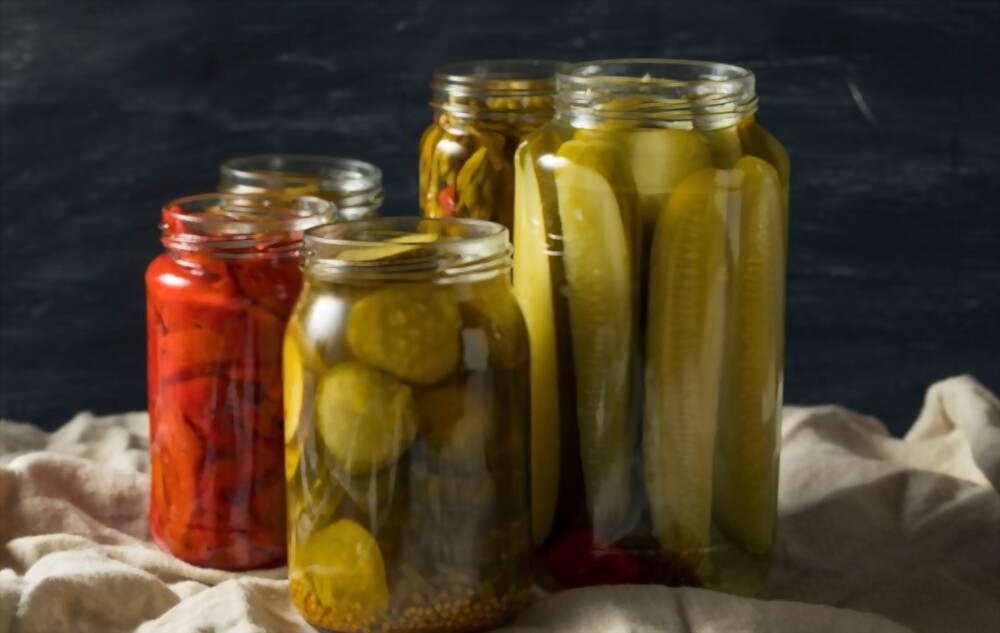
We eat pickles occasionally with a burger and many other items. Sometimes we buy them from the grocery market or even make them at home. But sometimes you might wonder, are pickles healthy?
Pickles are rich in essential vitamins and minerals. As for the benefits, it helps digestion, lowers the risk of heart disease, fights diseases, reduces the risk of diabetes, controls blood sugar, and so on. We can make them at home and serve them with different items.
That was just an overview. Stay with us to learn more about pickles and their nutrition.
Nutritional Value of Pickles
Pickles are a popular snack food that is made from cucumbers that have been fermented in a brine solution. Pickles are typically high in sodium and vinegar, but they also contain some nutrients, including vitamins A and K, as well as potassium and magnesium.
As we already know, pickles mostly contain water. But as for the nutrition facts, that varies depending on what type of pickles we are talking about.
Whatever the type or taste of pickles are, they are full of nutrition. For example, the nutritional value of a dill pickle or cucumber (35 grams);
| Nutrient | Amount per 35 grams (1 dill pickle) | Percent Daily Value (%DV) |
| Calories | 4 kcal | 0.20% |
| Vitamin K | 20% of DV | |
| Vitamin C | 4% of DV | |
| Vitamin A | 1% of DV | |
| Calcium | 6% of DV | |
| Potassium | 6%of DV | |
| Carbohydrate | .8 g | 0.30% |
| Fiber | .3 g | 1.20% |
| Sodium | 283 mg | 12% |
| Protein | 0.2 g | 0.40% |
| Sugar | .4 g | 0.20% |
| Total fat | 0.5 g | 1% |
Vitamins A, C, and K help your body to improve the immune system and vision, protect your body cells, and help keep your bones strong.
Besides, calcium and potassium are suitable for your nerves, bones, and teeth. But sometimes, there is an issue with your high blood pressure or sensitivity to sodium. Then you might check how much you’re consuming.
Related Article: Are Pickled Onions Good for You? [Heart and Gut Health]
Health Benefits of Pickles
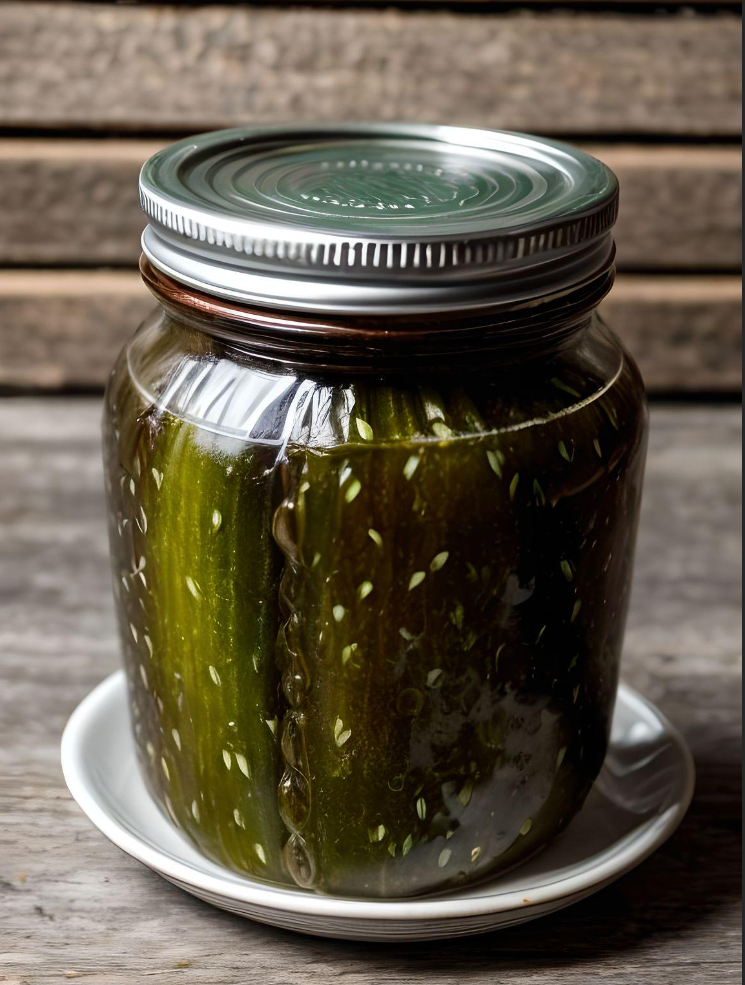
Pickles are a great source of many vitamins and minerals that we usually consume. Not just that, those vitamins and other nutrients also have many benefits.
Let’s go through them one by one.
Helps Digestion
Pickles are suitable for your gut health. Pickles come with good bacteria called probiotics. Those bacteria help your body.
- To digest food.
- Prevent harmful bacteria from getting into your body system.
- Properly help your medications work.
Lower Risk of Heart Disease
Pickles are full of beta-carotene. Beta carotene is not just good for your immune system, but also helps you to fight heart disease.
Besides, it improves your skin, lowers the risk of heart diseases, and keeps your overall heart health in check.
Fights Diseases
Pickles contain carotenoids, which turn into vitamin A in your body. These help lower the chance of various diseases and maintain your health. Pickles, especially those made through fermentation, may contain antioxidants such as vitamin C, which can help combat oxidative stress and reduce the risk of chronic diseases.
May Ease Muscle Cramps and Restore Electrolyte Balance
Well, athletes and other physically active persons lose a lot of electrolytes during exercise. To recover those electrolytes, some experts suggest taking pickle juice.
Muscle cramps are very normal after exercise. And consuming pickle juice instead of water might help ease the cramps.
Reduce the Risk of Diabetes and Control Blood Sugar
Pickles have a low glycemic index, which means that they do not cause a sudden spike in blood sugar levels after eating. This makes them a good choice for people with diabetes or prediabetes.
Balancing sugar levels results in keeping your sugar levels in check and thus reducing the risk of diabetes.
Reduce Cell Damage
Pickles are flooded with antioxidants. Antioxidants offer numerous health benefits. Improving cognition for elderly people is one of the main benefits.
Besides, antioxidants help keep out the free radicals. Free radicals are harmful, and when your body breaks down food, free radicals are produced. But these antioxidants help your body against these and reduce cell damage.
Aid Weight Loss
In 35 grams of pickles, you will find only 4 kcal, considered a very low-calorie food. And as pickles are mostly water and vinegar. This can help curb hunger and potentially support your efforts in managing your weight.
And for that reason, you will feel less hungry, making you feel full and keeping your energy level stable.
Improve Eye Health
We already know pickles contain vitamin A, which is good for your eye health. It can improve your eye vision and protect your eyes from possible eye-related diseases.
Besides, vitamin A helps keep your eye health in check.
Related Article: Are Pickles Acidic? Pickles for Acid Reflux [Good or Bad]
Homemade Pickle Recipes
Why buy from the grocery store when you can make them yourself? Making pickles at home allows you to control the ingredients, ensuring a healthier and more flavorful snack. We’ll provide a basic recipe and some variations to suit different tastes.
There are two common ways to quickly pickle at home.
You can brine the cucumber, carrots, beets, cabbage, and more in vinegar. Another way is fermenting those. To complete the process, you need to do the following;
- Buy or collect day-fresh, damage-less cucumbers, or any other veg.
- Take some pickling salt.
- Add a few spices such as mustard, dill seed, garlic, horseradish, etc.
- Seal the jar carefully so nothing can get inside.
- Let it be for a few weeks, and then you can eat them.
Classic Dill Pickles Recipe
Ingredients:
- 4 cups of cucumbers, sliced into spears or chips
- 2 cups of water
- 2 cups of white vinegar
- 3 tablespoons of salt
- 2 cloves of garlic, peeled
- 2 sprigs of fresh dill (or 2 teaspoons of dill seeds)
- 1 teaspoon of black peppercorns
- 1/2 teaspoon of red pepper flakes (optional, for heat)
- 1/2 teaspoon of sugar (optional)
Instructions:
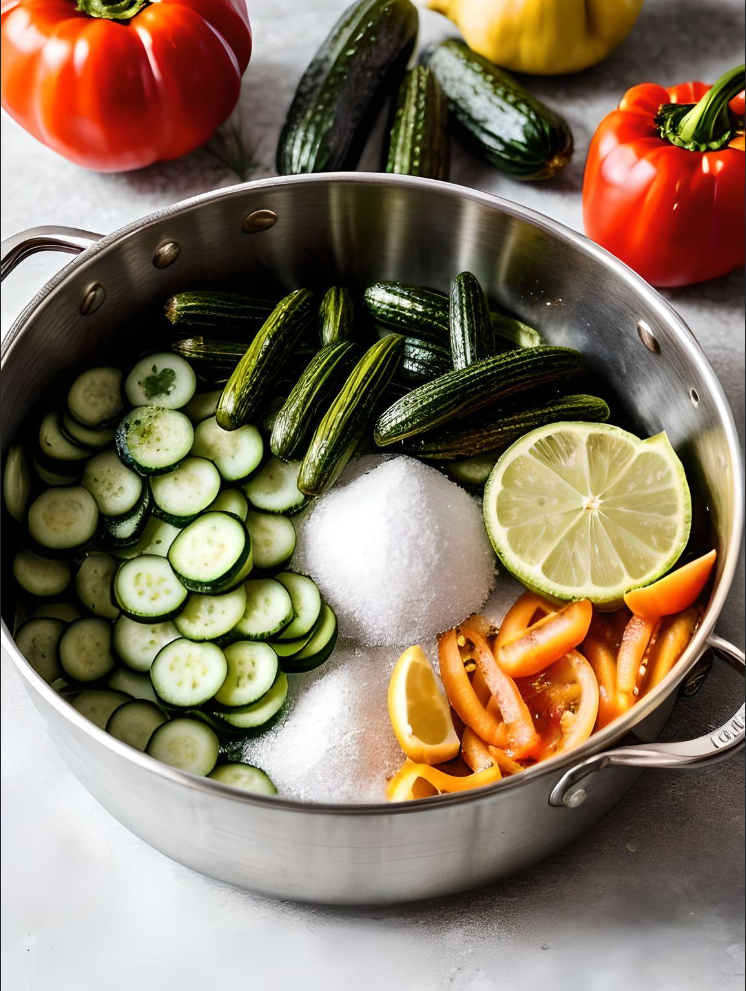
- In a saucepan, combine water, vinegar, salt, and sugar. Bring to a boil and stir until the salt (and sugar) dissolves. Remove from the heat and let it cool.
- In a clean glass jar or container, place garlic, dill, black peppercorns, and red pepper flakes (if desired).
- Pack the cucumber slices tightly into the jar.
- Pour the cooled brine over the cucumbers, ensuring they are fully submerged. You can use a clean, small plate or a weight to keep them below the liquid.
- Seal the jar and let it sit at room temperature for about 24 hours. Then, refrigerate for at least a week before enjoying.
Pickles on a Diet
Do you think pickles are used only in burgers, or is it just a general recipe? No! There are more ways you can add pickles to your diet.
Besides the regular options, you can add pickles to
- Chilled protein salads.
- Hummus.
- Potato salad.
- On pizza.
- Grilled cheese and peanut butter sandwiches.
Besides, there are many more options with pickles.
Side Effects of Pickles
Even though pickles come with many benefits, there are also some side effects. If you’re not careful while consuming pickles, it might affect your body long-term.
High Blood Pressure
While bringing the pickles, sodium is one of the essential elements in the process. But as a result, there is too much salt, which can be a problem for some people.
It will be problematic for people with blood pressure problems. Because it can be a reason for high blood pressure, so be careful!
Liver and Kidney Stress
As we know, pickles are hard to digest. As a result, consuming too many pickles at once makes it difficult for your liver and kidneys because those organs must put more work into digesting them.
Besides, sodium also makes the digestive process more stressful. And it could be a reason behind the liver and other kidney-related issues.
Higher Risk of Gastric Cancer
Too much sodium consumption is always a bad idea. Consuming too much sodium increases the chances of gastric cancer.
Besides, these result in infection and other problems in the ulcers. Also, it directly affects your stomach.
How to Buy the Right Pickles?
The main thing you should notice while buying pickles from groceries is to see if there is a “Natural” label on them or not. If there isn’t any label like that, it was made with yeast or artificial chemicals.
And if you’re planning to make them at home, try finding the damage-free, fresh cucumbers from the garden.
FAQs
Are Fermented Pickles Healthy?
Many fermented food items, such as kimchi or miso, benefit your health. Sadly, you won’t find fermented pickles in your regular store.
The best way to get fermented pickles is if you make them yourself. Otherwise, try finding fermented pickles labeled “Naturally” in the healthy food store. This means those pickles are handmade traditionally and not with artificial yeast or bacteria.
Are pickles good for you in losing weight?
Yes, pickles are good for you to lose weight. Pickles take time to digest in your stomach as it is high in carbs and fat—this results in feeling full for a long time.
How many pickles can I eat a day?
Eating pickles with different items occasionally can be beneficial for your health. But eating them regularly or too many at once can be a problem. There is no exact amount, but balance it with your regular diet plan.
Is it OK to drink pickle juice?
Yes, it is ok to drink pickle juice. It can help your body to lose weight, fight diseases, ease muscle cramps, improve eye health, etc. Besides, it is also beneficial for reducing the risk of diabetes and cell damage, and lowering the risk of many heart diseases.
Conclusion
We hope you got your answer to “are pickles healthy” or not. Pickles come full of nutrients. And as for the benefits, it helps digestion, lowers the risk of heart disease, fights diseases, reduces the risk of diabetes, controls blood sugar, and many more.
It also comes with some risks. And you should be careful about not overeating pickles all at once.
Related Posts






Subscribe for New Racipies
Get mental health tips, updates, and resources delivered to your inbox.
Pepe’s Cafe Key Lime Pie

Until Chris met me, he had never eaten a cherry tomato. Astounded upon learning this fact, I felt the need to remedy it immediately–he didn’t know what he was missing out on!—so I took him to the nearest Safeway where we bought a little prepackaged bagful. When we got back, I insisted he eat one straight away, right out of the package. I didn’t think one unwashed tomato would kill him, and I was sure he would fall in love straight away. Instead, he got food poisoning.
He has since let this incident go, which I think is very gracious of him considering the fact that I continue to guilt him into eating foods he has no interest in trying. I guess I have this underlying belief that I know better than him, at least in matters of the palate. That my refined tastebuds trump his any old day, that his will become elevated through my influence. Bombastic, sure, but we’re talking about a guy who didn’t eat his first cherry tomato until he was in college. Enough said, right?

I think I’ve mentioned that I dislike citrus-flavored baked goods, right? Besides this (like I said, Meyer lemons are in a league of their own), I’ve never met a citrus-y dessert that didn’t taste like a cough drop.
But last week, a bag of key limes fell in my lap, and I took it as a sign that it was finally time to tackle a classic that I’d never before tried: key lime pie. If you’d seen the limes, you, too, might have wanted to do something with them right away. They are so cute! Like toy dog versions of regular limes, except I know a lot of you don’t like toy dogs, and I normally can’t stand them either except I watched Seven Psychopaths recently and Bonny the shih tzu stole my heart.
I knew I was taking a major risk, but sometimes denial gets the better of me. After all, isn’t key lime pie a thing? Aren’t people fanatical about it? Maybe there was something more amazing than amazing about it that would sway my food prejudices.
Chris, on the other hand, took the realistic approach. “Don’t make it. You won’t like it, and I don’t want you to force it on me.”
I plowed ahead anyway. An afternoon later, the pie was ready.
I took it out of the fridge. It looked lemon-y. I smelled it. It smelled lemon-y. I started feeling uneasy.
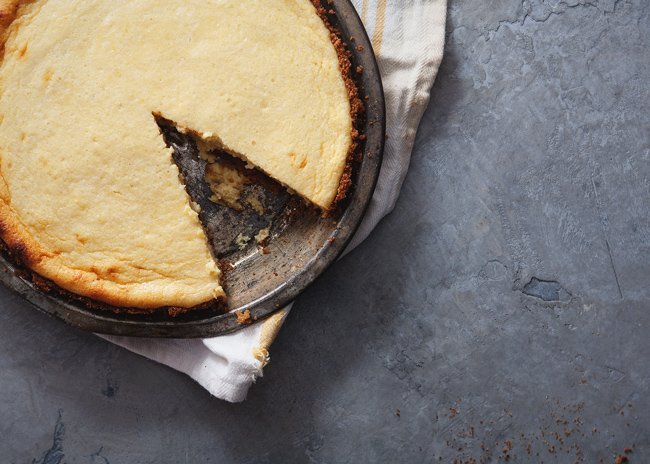
In the end, with great hesitation, I ate a slice. It was… disappointingly citrus-y, tasting like every other citrus dessert I’ve ever eaten. But then, the flavor sort of, I don’t know, mellowed out, and distinguished itself. The lime emerged, cool, invigorating. It went fantastically with the graham cracker crust, a pairing that legitimized its taste. With whipped cream for the finishing touch, the whole experience was luscious but understated. The sugary-tart foretaste never diminished, unfortunately, but for a lot of you, that’s a good thing.
Chris’s turn. I showed him a bite to try, and his face twisted into simultaneous disgust, fear, and suspicion. It’s so hard to get one past him these days, I tell you! But he relented, and took a tentative bite.
“Do you like it?” I asked. “It’s not bad, right?”
“I don’t like it,” he said. And that was that.
In the end, even in the face of Chris’s rejection, I ate way more slices than I care to admit. I’m pretty sure you’d call that a breakthrough!
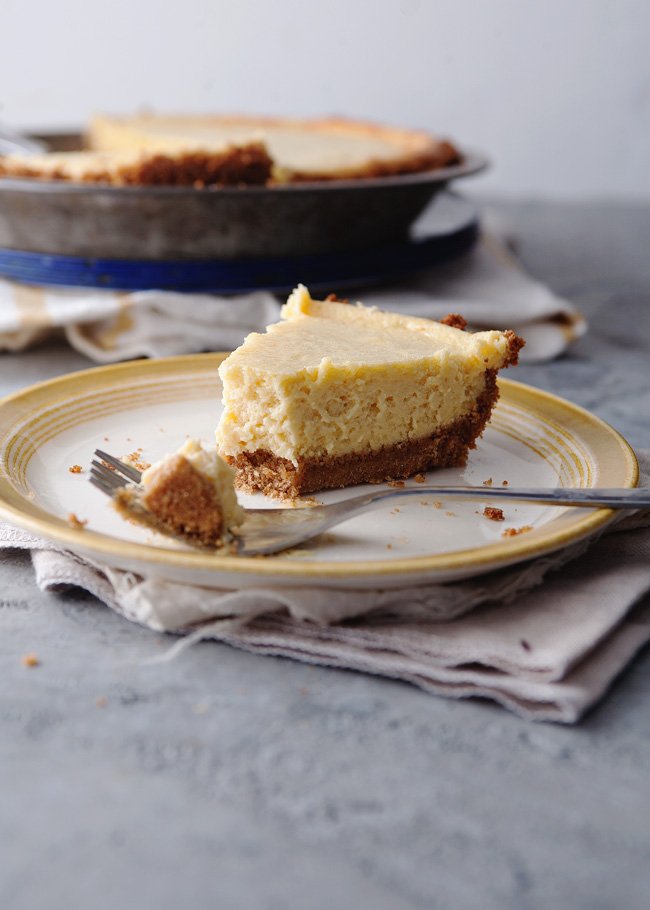
PEPE’S CAFE KEY LIME PIE
Adapted from Epicurious
Makes one 9-inch pie
Another reason I wanted to make this pie was because of this article. It’s fascinating! I love food history! Also, in case you’re wondering, Pepe’s Cafe is a cafe in the Florida Keys, quite an establishment I take it, that serves a very classic version of this pie. It’s always good to start with the classics.
Ingredients:
1-1/2 cups graham cracker crumbs
1/4 cup sugar
3/4 tsp ground cinnamon
1/4 tsp ground cardamom
5 tablespoons unsalted butter, melted
2 large egg whites
4 large egg yolks
1 (14-ounce) can sweetened condensed milk
1/2 cup Key lime juice (I must’ve squeezed 20 of these suckers)
Whipped cream to serve
Directions:
Preheat oven to 350 degrees F.
Make the graham cracker crust: Combine the graham cracker crumbs, sugar, cinnamon, and cardamom in a medium bowl. Stir in the melted butter until well-combined. Press the mixture evenly in a 9-inch pie tin. Bake for about 10 minutes, until golden brown. Let cool and set aside.
Make the filling: In the bowl of a stand mixer with the whisk attachment, beat the egg whites until stiff peaks form. In a large mixing bowl, whisk together the yolks and condensed milk. Add the lime juice and whisk until combined. Gently fold in about half of the whipped egg whites, then fold in the other half, stirring until just evenly combined.
Pour the mixture into the graham cracker crust and bake until set, about 20 minutes. Remove from oven, cool, then let cool further in the fridge for about 2 hours.
Serve with whipped cream if desired (whip together about 1 cup heavy cream, a few Tbsp powdered sugar, and a dribble of vanilla extract).
Related Posts





Subscribe for New Racipies
Get mental health tips, updates, and resources delivered to your inbox.