
How Much Caffeine Is in Mountain Dew? (Complete Chart by Size, Flavor & Comparisons)

Medically reviewed by Dr. Aris Thorne Updated Date: May 1, 2026

Welcome to a comprehensive, medically grounded look at one of the world’s most popular citrus sodas. When patients visit the clinic, they frequently ask exactly how much caffeine in mountain dew they are actually consuming every single day.
I routinely discuss daily beverage habits because many people consume large quantities of carbonated sodas without fully understanding the underlying chemical profiles. Just last month, I interviewed a young patient suffering from severe insomnia and rapid weight gain.
After a thorough dietary review, we discovered he was drinking several large bottles of this specific neon-green soda every afternoon. He had absolutely no idea the sheer volume of synthetic stimulants and liquid sugar he was ingesting daily.
Understanding your daily stimulant and sugar intake is absolutely vital for maintaining long-term metabolic and cardiovascular health. Many consumers mistakenly assume that because it is a fruit-flavored soda, it lacks the stimulant properties of dark colas. Today, we will thoroughly break down the exact numbers, size by size and flavor by flavor.
TL;DR: Quick Overview
- A standard 12 oz can contains roughly 54 mg of active synthetic stimulants.
- A standard 16 oz bottle delivers approximately 72 mg of stimulants.
- A larger 20 oz bottle contains exactly 90 mg of active caffeine.
- The beverage contains an extremely high sugar load, ranging from 46g to 77g depending on size.
- It packs significantly less caffeine than standard brewed coffee, but much more than traditional colas.
Does Mountain Dew Contain Caffeine?
Yes, this highly popular citrus beverage absolutely contains a significant amount of active caffeine. Many patients are genuinely surprised by this fact, associating stimulants primarily with dark sodas, coffee, or energy drinks. The brand specifically formulates this beverage to provide a noticeable, fast-acting energy boost alongside its intense sweetness.
The caffeine found in this specific formulation is an added, synthetic, anhydrous chemical powder. It does not naturally occur in the basic citrus flavoring agents used to create the distinct taste. This synthetic addition absorbs rapidly into your bloodstream, providing a very quick surge of central nervous system stimulation.
Caffeine Content Direct Answer
When patients ask for the exact numbers, I always break it down by standard commercial serving sizes. Understanding the specific physical volume you are consuming is the only way to track your daily medical intake accurately.
A traditional 12 oz aluminum can securely holds approximately 54 mg of active stimulant. If you upgrade to a 16 oz plastic bottle, that number steadily climbs to 72 mg per serving. Finally, the highly common 20 oz convenience store bottle delivers a potent 90 mg of caffeine.
Mountain Dew Caffeine Content Chart
To make tracking your daily consumption easier, I have organized the exact physiological numbers into a simple chart. This data represents the standard, original formulation found in most grocery stores and vending machines worldwide.
| Size | Caffeine Amount |
| 12 oz (Standard Can) | 54 mg |
| 16 oz (Plastic Bottle) | 72 mg |
| 20 oz (Large Bottle) | 90 mg |
| 330 ml (International Can) | ~46 mg |
| 500 ml (International Bottle) | ~69 mg |
Stimulant Density Per 100ml
For my international patients who strictly utilize the metric system, we can analyze the chemical density per 100 milliliters. When broken down mathematically, the original formulation contains roughly 13 to 14 mg of caffeine per 100 ml. This metric provides a consistent baseline to compare against European sodas and imported energy drinks.
Mountain Dew Caffeine by Flavor
Because this brand constantly releases new, highly marketed variations, we must examine the specific chemical profile of each flavor. The company frequently alters the underlying formula slightly depending on the targeted consumer demographic. We must look at the exact details of these popular spin-offs to understand their true biological impact.
Baja Blast Profile
Baja Blast is an incredibly popular tropical lime flavor originally developed exclusively for a major fast-food restaurant chain. Over the years, massive consumer demand pushed the parent company to release it in standard retail cans and bottles. Many patients wonder if this tropical variation alters the baseline stimulant formulation.
Medically speaking, the stimulant profile remains completely identical to the original citrus green formula. A standard 12 oz equivalent serving of Baja Blast reliably delivers exactly 54 mg of caffeine. Therefore, choosing this tropical flavor provides the exact same cardiovascular response as the classic version.
Code Red Profile
Code Red was one of the very first highly successful flavor expansions, introducing a heavy cherry taste. This specific variation remains massively popular among teenagers and young adults in the gaming community. It is heavily marketed as a high-energy, refreshing alternative to standard cherry colas.
Just like the original formulation, Code Red consistently maintains the exact same chemical stimulant baseline. You will strictly ingest roughly 54 mg from a standard 12 oz can. If you consume the larger 20 oz bottle, your central nervous system will process 90 mg of synthetic stimulants.
Voltage Profile
Voltage is a unique formulation featuring a distinct blue raspberry flavor combined with a subtle hint of ginseng. The inclusion of ginseng often leads consumers to falsely believe it is an extreme energy supplement. However, the botanical additions are mostly for flavor and marketing rather than severe physiological alteration.
When we examine the actual synthetic stimulant numbers, they remain perfectly consistent with the rest of the core lineup. A 12 oz can of Voltage holds 54 mg, while the 20 oz bottle delivers the standard 90 mg. The added ginseng does not significantly elevate the medical potency of the beverage.
Zero Sugar Profile
The modern push for healthier beverage alternatives led to the creation of the Zero Sugar lineup. This formulation completely removes the heavy load of high fructose corn syrup to drastically lower the total caloric impact. It is heavily marketed toward health-conscious individuals who still crave the classic citrus flavor.
However, removing the sugar does absolutely nothing to lower the central nervous system stimulation. The Zero Sugar variants still pack roughly 54 mg of caffeine per standard 12 oz serving. You are simply trading massive liquid carbohydrate spikes for artificial sweeteners, keeping the heart-racing effects intact.
Kickstart Energy Profile
Kickstart represents the brand’s direct foray into the highly competitive morning energy drink market. These specific beverages combine standard soda flavoring with actual fruit juice and an elevated chemical load. They are intentionally designed to replace your morning cup of coffee or traditional morning energy drink.
Because it targets the energy sector, Kickstart carries a noticeably higher stimulant density than standard sodas. A typical standard can of Kickstart generally hovers around 90 mg of caffeine. This elevated dose requires more biological respect, especially if consumed rapidly on an empty stomach.
Mountain Dew vs Coffee
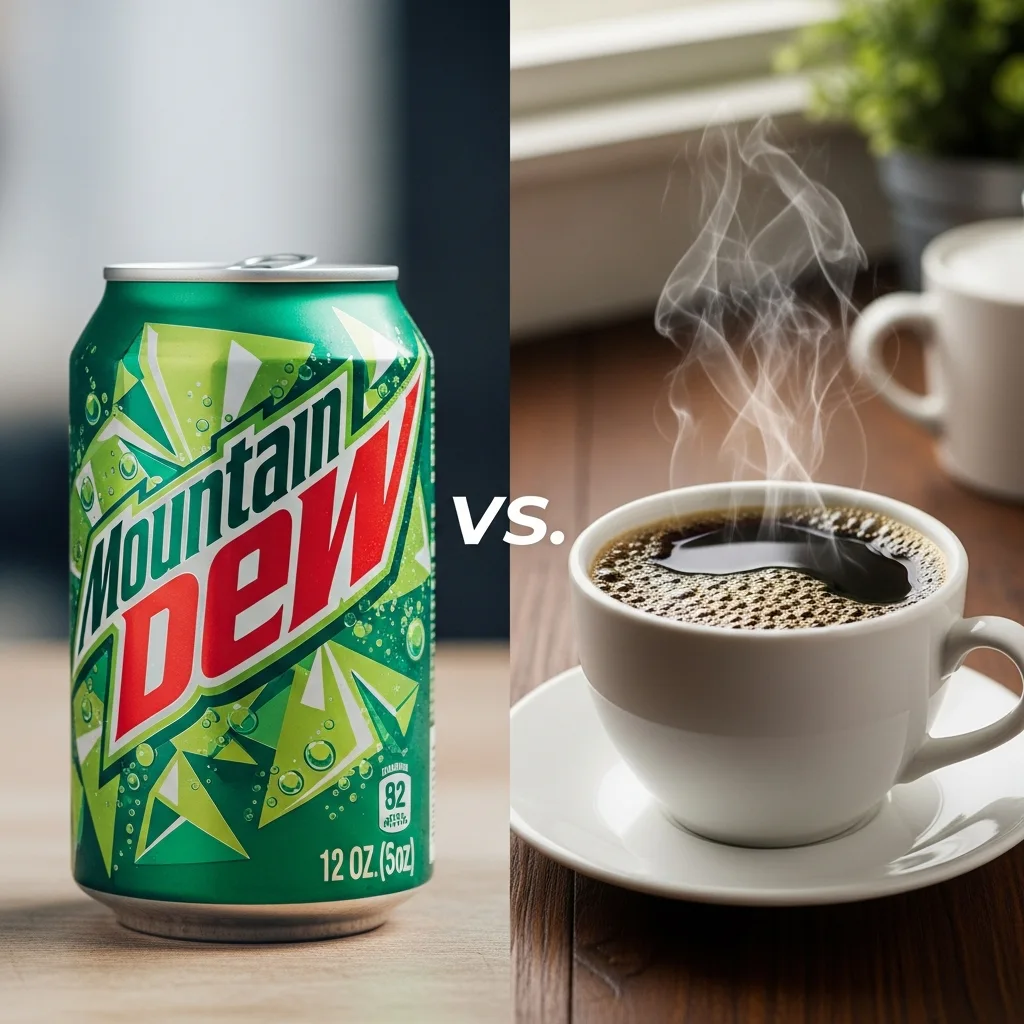
To truly understand this beverage’s potency, we must compare it against the gold standard of daily stimulants. A standard 8 oz cup of home-brewed, medium-roast coffee contains roughly 95 mg of natural caffeine. Therefore, a tiny cup of coffee is significantly stronger than a standard 12 oz can of this citrus soda.
In fact, coffee generally contains nearly double the active stimulant concentration per physical ounce of liquid. However, people tend to drink sodas much faster and in much larger volumes than hot, bitter coffee. You must carefully track total volume, not just the chemical concentration per ounce.
Mountain Dew vs Coke vs Red Bull
When navigating the convenience store cooler, you need clear comparisons between the most popular options available. A standard 12 oz Coca-Cola contains approximately 34 mg of mild, naturally derived stimulants. Therefore, our green citrus soda is significantly stronger, delivering 54 mg in the exact same physical volume.
If we look at true energy drinks, an 8.4 oz Red Bull sits at exactly 80 mg of caffeine. Thus, Mountain Dew sits perfectly in the middle, functioning as a hybrid between a standard soda and an energy drink. It is chemically stronger than basic cola, but not quite as dense as a dedicated energy supplement.
Simplified Ingredients List
As a medical professional, I strongly encourage patients to read beyond the marketing and examine the raw ingredients. The primary ingredient by volume is simply heavily carbonated, filtered water. Immediately following the water is a massive, biologically significant dose of high fructose corn syrup.
The formulation also relies heavily on concentrated citric acid to provide that sharp, biting citrus flavor. Following the acids, you will find the synthetic, anhydrous caffeine powder added specifically for energy. Finally, various artificial food dyes and synthetic flavoring agents round out the complex chemical cocktail.
How Much Sugar Is in Mountain Dew?
While we are deeply focused on stimulant levels, the liquid carbohydrate load is arguably the more dangerous medical factor. A standard 12 oz can forces your pancreas to process a staggering 46 grams of refined sugar. This massive load instantly spikes your blood glucose levels, leading to an inevitable metabolic crash later.
If you consume the larger 20 oz bottle, you are ingesting an astronomical 77 grams of pure, liquid sugar. This amount violently exceeds every single medical recommendation for daily added sugar intake. Chronic consumption of this much liquid carbohydrate heavily drives insulin resistance and systemic metabolic dysfunction.
Health Effects of Mountain Dew (MD Section)
Flooding your body with this specific combination of chemicals carries very real, measurable health consequences. The massive sugar load is the primary driver of rapid weight gain, visceral fat accumulation, and eventual type 2 diabetes. Your liver simply cannot process 77 grams of liquid fructose without immediately converting a large portion into triglycerides.
Furthermore, the moderate but steady caffeine content easily triggers severe sleep disruption if consumed late in the day. The highly acidic nature of the beverage also aggressively strips essential enamel from your teeth over time. Combining heavy acids with massive sugar creates the absolute perfect biological environment for rapid, severe dental decay.
Who Should Limit Intake
Certain vulnerable patient populations must aggressively restrict or completely eliminate this beverage from their diet. Individuals currently managing prediabetes or clinical type 2 diabetes cannot safely tolerate these massive liquid glucose spikes. Additionally, patients suffering from severe GERD will find the heavy citric acid massively exacerbates their painful reflux symptoms.
Furthermore, children and developing teenagers should fiercely limit their exposure to both the massive sugar and synthetic stimulants. Finally, any adult highly sensitive to caffeine should avoid drinking large bottles, especially during the afternoon hours. Protecting your daily sleep architecture and metabolic baseline should always be your top medical priority.
Mechanism of Caffeine Action
To fully understand the energetic feeling, we must look closely at the underlying neurological mechanism of action. When you consume this beverage, the synthetic caffeine molecules quickly cross the blood-brain barrier. Once inside the brain, they aggressively block your natural adenosine receptors.
Adenosine is the specific chemical that naturally accumulates throughout the day to signal physical fatigue and induce sleep. By chemically blocking these receptors, your brain artificially remains in a forced state of elevated alertness. This specific biological blockade simultaneously raises your resting heart rate and slightly elevates systemic blood pressure.
Safe Daily Caffeine Intake

Navigating modern beverage choices requires strict adherence to established federal safety guidelines. The Food and Drug Administration clearly states that consuming up to 400 mg per day is safe for most adults. Therefore, a large 20 oz bottle of this citrus soda accounts for roughly 25% of your total daily safe limit.
While one bottle will not cause an immediate overdose, you must carefully calculate your total daily intake. If you drink a large soda, followed by afternoon coffees and pre-workout supplements, you will easily exceed the limit. Exceeding 400 mg routinely leads to severe adrenal fatigue, chronic anxiety, and dangerous heart palpitations.
Frequently Asked Questions
Mountain Dew 20 oz Caffeine Load
A standard 20 oz bottle reliably delivers approximately 90 mg of active synthetic stimulants. This represents a significant dose that can easily disrupt sleep if consumed late in the evening.
Potency Compared to Standard Coffee
No, it is definitely not stronger than a standard cup of brewed coffee. A traditional 8 oz cup of coffee contains significantly more caffeine than a 12 oz can of this soda.
Zero Sugar Variant Stimulant Levels
Yes, the Zero Sugar version contains the exact same amount of stimulants as the original formulation. It delivers roughly 54 mg per 12 oz can, simply removing the massive sugar load.
Does Mountain Dew Kickstart have more caffeine?
Yes, the Kickstart lineup is specifically formulated to compete in the morning energy drink market and contains a noticeably higher chemical load. A standard can reliably deliver approximately 90 mg of caffeine, making it significantly stronger than the classic base formulation.
Metric Density Measurements
When measured metrically, the original formulation contains roughly 13 to 14 mg per 100 ml. This makes it slightly more potent than many standard European fruit-flavored carbonated beverages.
Conclusion
In conclusion, understanding exactly what you put into your body is the fundamental foundation of preventive healthcare. As a medical professional, I constantly urge my patients to look past colorful marketing and critically analyze chemical labels.
Knowing the exact truth about how much caffeine in mountain dew is simply the first step toward better daily habits. While a 54 mg dose in a standard can is generally safe for most adults, the sheer volume of consumption often causes severe compounding issues.
Furthermore, you can never discuss this specific beverage without deeply addressing the terrifying liquid carbohydrate load. Consuming 77 grams of high fructose corn syrup from a single bottle is a massive, dangerous assault on your metabolic system.
It drives immediate insulin resistance, rapid visceral weight gain, and severe, long-term cellular inflammation. You must always balance your immediate desire for a sweet, refreshing energy boost with the undeniable reality of human biology.
If you actively choose to consume these sweet, heavily caffeinated sodas, please do so with immense medical caution. Treat them as an occasional, heavily restricted treat rather than a daily hydration necessity.
Ultimately, true, lasting daily energy comes from proper water hydration, a balanced whole-food diet, and highly consistent sleep. Make deeply informed, educated choices at the convenience store, and aggressively prioritize your long-term cardiovascular and metabolic wellness.
Evidence-Based Reference:
- U.S. Food and Drug Administration (FDA)—Spilling the Beans: How Much Caffeine is Too Much?
- National Institutes of Health (NIH)—Consumption of high-fructose corn syrup in beverages may play a role in the epidemic of obesity
- National Center for Biotechnology Information (NCBI)—Caffeine Effects on the Cardiovascular System
- European Food Safety Authority (EFSA) – Scientific Opinion on the safety of caffeine
Related Posts


Subscribe for New Racipies
Get mental health tips, updates, and resources delivered to your inbox.
Biscoff Butternut Squash Oatmeal Cookies

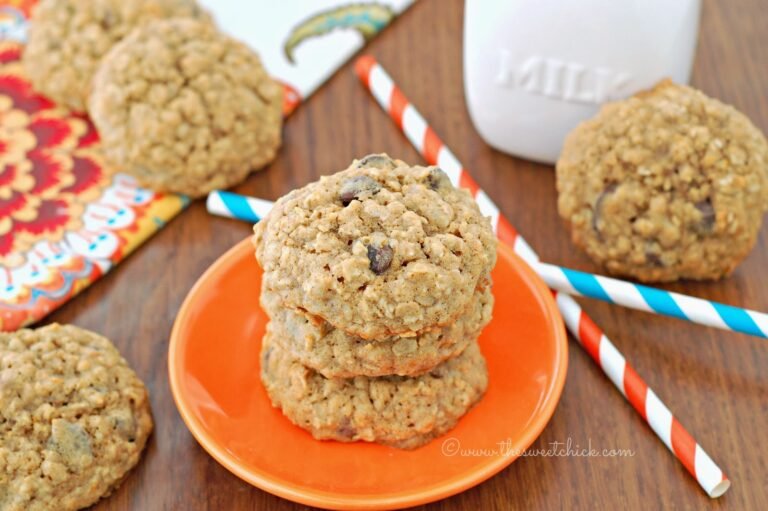
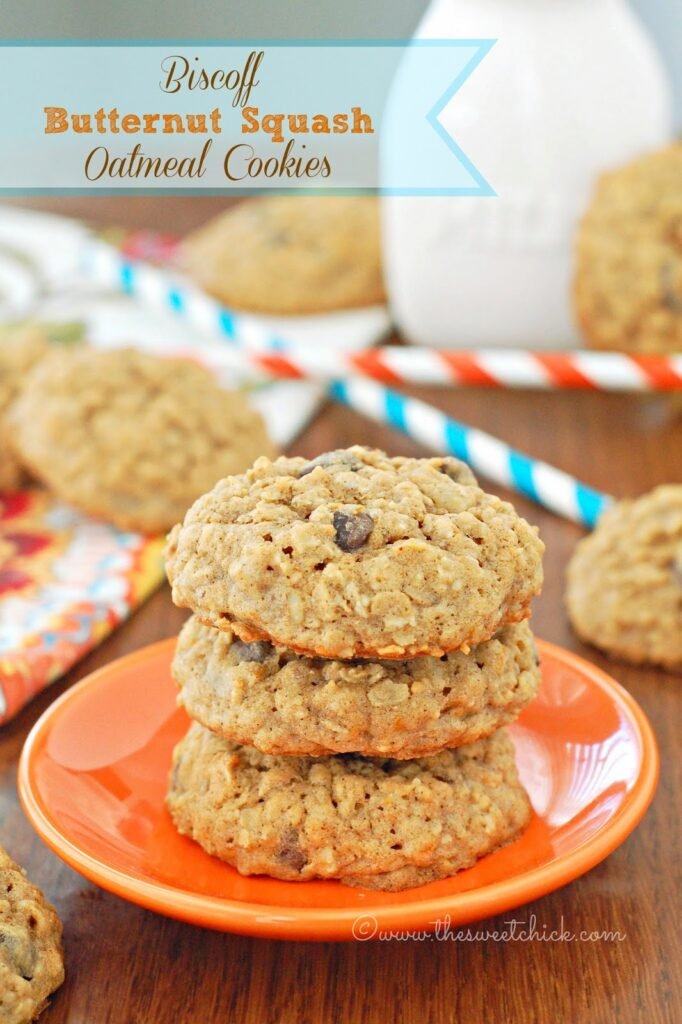
So I signed up for a neighborhood cookie exchange. I gotta say, I am really liking this new neighborhood. There’s a monthly get together of mom’s where I learned how to play Bunco. At Halloween everyone was sending out Boo-Baskets. Now we are exchanging cookies. It’s a very friendly atmosphere. I am currently testing out new cookie recipes for the exchange. Since I have been on a butternut squash trend, I thought I’d start there. I wanted to see what other flavorsI could mix with the squash. I found some Biscoff, dark chocolate chips, and some quick oats in the pantry. I am always up for something new.
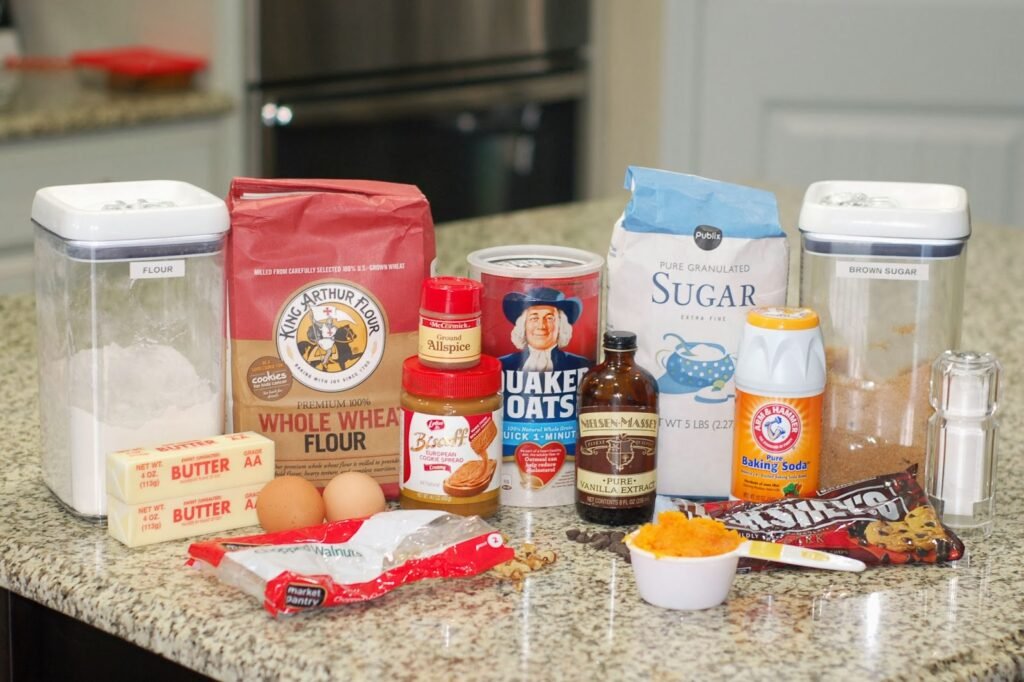
I’ll admit, I was a little skeptical about the combination of flavors myself. I was really just winging it. But hey, I am not going to know if it works, unless I try it.
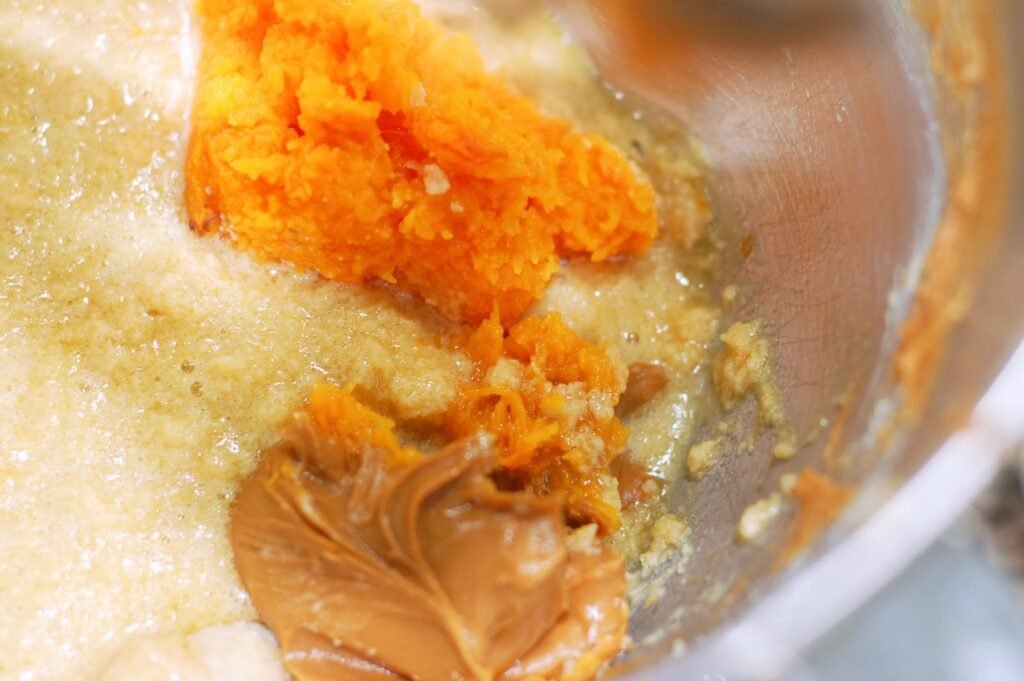
Butternut squash does have a little bit of sweetness in it when cooked, so I wanted to pair it with something else sweet, but something other than maple syrup. Thank goodness I had some Biscoff.

The walnuts are optional, but the chocolate chips are not. You gotta have them. You can use semi-sweet ones if you like, but I am a dark chocolate kinda gal.

I know it’s not safe to eat raw cookie dough, but I just had to have a nibble. It smelled so good.

The cookies came out soft and chewy, just like an oatmeal cookie should. And let me tell ya, Biscoff and butternut squash are fantabulous together.

If you don’t believe me, ask this guy. He is my picky eater. He doesn’t eat vegetables and if he doesn’t like the texture of a particular food, he gags on it. Much to the dismay of the rest of us eating next to him. He did not however have any problems shoving a whole cookie in his mouth and asking for another one. If that is not a measure of success, I don’t know what its.
I think my neighbors will be pleased with these Biscoff Butternut Squash Cookies also. I can’t wait for our cookie exchange.

Biscoff Butternut Squash Cookies
by The Sweet Chick
Prep Time: 15 minutes
Cook Time: 10-12 minutes
Keywords: bake dessert snack butternut squash biscoff dark chocolate chips quick oats cookie American fall
Ingredients (36 cookies)
- 1/2 cup + 2 tablespoons butter, softened
- 3/4 cups brown sugar
- 1/2 cup granulated sugar
- 2 eggs, beaten
- 1 teaspoon vanilla
- 1/2 cup butternut squash puree
- 1/3 cup Biscoff Spread
- 1 cup whole wheat flour
- 1/2 cup all purpose flour
- 1 teaspoon baking soda
- 2 teaspoons ground allspice
- 1/2 teaspoon salt
- 3 cups quick oats
- 1 cup dark chocolate chips
- 1/2 cup chopped walnuts
Instructions
Preheat oven to 350º F.
In a stand mixer cream together the butter and the sugars on medium speed.
Add eggs, vanilla, butternut squash and Biscoff and mix well.
In a medium bowl combine the flours, baking soda, allspice and salt until well blended, then slowly add to the wet ingredients.
Next add the quick oats and mix on low until all incorporated.
Then add the walnuts and chocolate chips and continue to mix on low until completely incorporated.
With a medium cookie scoop, drop by scoopful onto a greased cookie sheet at least 2 inches apart.
Bake at 350º for 10-12 minutes or until the tops are a golden brown.
Remove from oven and let cool for 2 minutes, then move to a cooling rack to completely cool.
Bet you can’t eat just one!
Related Posts




Subscribe for New Racipies
Get mental health tips, updates, and resources delivered to your inbox.