
Are Zucchini Safe for Acid Reflux?
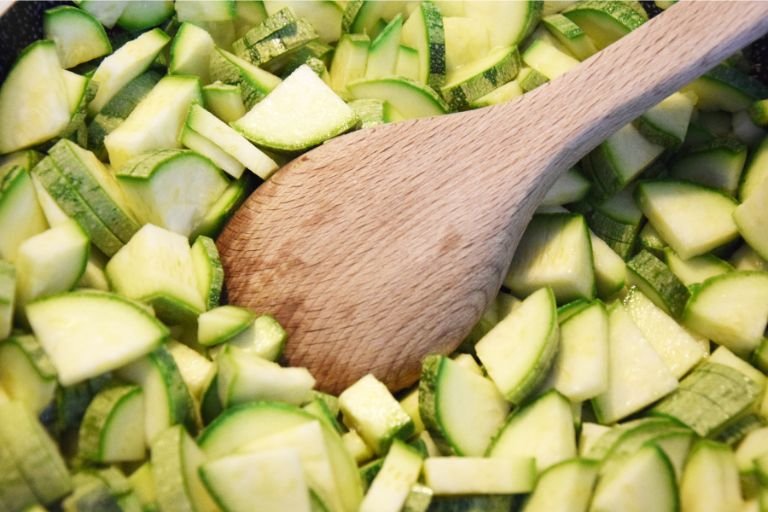
Zucchini, a versatile and nutrient-rich summer squash, is a staple in many healthy diets. Its mild flavor and low calorie content make it a popular ingredient in everything from salads and stir-fries to pasta alternatives like zucchini noodles. But if you suffer from acid reflux or GERD (gastroesophageal reflux disease), you might wonder: “Are zucchini safe for acid reflux?”
The good news is that zucchini is one of the best vegetables for acid reflux sufferers. Its low acidity, high water content, and abundance of fiber make it gentle on the stomach and unlikely to trigger reflux symptoms. In fact, zucchini can actually help support digestion and reduce acid reflux episodes when included in a balanced, reflux-friendly diet.
In this article, we’ll explore why zucchini is considered a reflux-friendly food, its nutritional benefits, and the best ways to incorporate it into your meals to manage acid reflux symptoms.
Is Zucchini Acidic or Alkaline?
Zucchini is a low-acid food, with a pH level ranging between 6.0 and 7.0, which makes it close to neutral or mildly alkaline. This low acidity means zucchini is gentle on the stomach and unlikely to irritate the esophagus, making it a safe choice for those managing acid reflux or GERD.
Unlike acidic foods such as tomatoes, citrus fruits, or vinegar, zucchini does not increase stomach acid production or trigger reflux symptoms. Its alkalizing effect can help neutralize stomach acid and promote better digestion.
Author Tip: 7 Kinds of Foods to Avoid with GERD
Nutritional Profile of Zucchini
According to health experts, Zucchini is not only low in acid but also packed with essential nutrients that support overall health and digestion. Here’s what makes it a superfood for reflux sufferers:
1. High Water Content
- Zucchini is composed of approximately 95% water, making it hydrating and gentle on the stomach. Proper hydration helps dilute stomach acid and reduce the likelihood of acid reflux.
2. Rich in Fiber
- Zucchini contains 2 grams of fiber per cup, which supports healthy digestion and prevents overeating—a common reflux trigger. Fiber also helps regulate bowel movements and reduces bloating.
3. Low in Calories and Fat
- With only 20 calories per cup and virtually no fat, zucchini is a light and easy-to-digest vegetable, perfect for those managing reflux symptoms.
4. Abundant in Vitamins and Minerals
- Vitamin C: Reduces inflammation and supports the immune system.
- Potassium: Helps maintain proper muscle function, including the lower esophageal sphincter (LES), which prevents stomach acid from flowing back into the esophagus.
- Magnesium: Relaxes the muscles in the digestive tract and reduces reflux episodes.
5. Antioxidants
- Zucchini contains antioxidants like lutein and zeaxanthin, which reduce inflammation and support gut health.
Related to Read: 7-Day Meal Plan For Gastritis
Why Zucchini is Good for Acid Reflux?
Zucchini’s combination of low acidity, high water content, and digestive-friendly nutrients makes it a perfect choice for managing acid reflux. Here’s how it can help:
1. Soothes the Stomach
- Zucchini’s high water content and alkalizing properties help dilute stomach acid, reducing irritation to the esophagus.
2. Prevents Overeating
- The fiber in zucchini promotes a feeling of fullness, helping to prevent overeating, which is a common trigger for acid reflux.
3. Reduces Bloating
- Its light and hydrating nature helps prevent bloating, which can increase pressure on the stomach and worsen reflux symptoms.
4. Supports Digestive Health
- Zucchini’s fiber content encourages regular bowel movements and promotes healthy gut bacteria, both of which are essential for managing reflux.
5. Gentle on the Esophagus
- Unlike acidic or spicy foods, zucchini does not irritate the esophageal lining, making it a safe and soothing option for reflux sufferers.
Tips for Including Zucchini in a Reflux-Friendly Diet
If you’re ready to add zucchini to your meals, follow these tips to ensure it works well with your acid reflux management:
- Stick to Simple Preparations
- Avoid frying zucchini or cooking it with heavy oils and butter, as high-fat meals can trigger reflux. Instead, try steaming, boiling, roasting, or grilling it with minimal oil.
- Pair with Non-Acidic Foods
- Combine zucchini with other reflux-friendly ingredients like brown rice, quinoa, lean proteins, or alkaline vegetables such as spinach and cucumbers.
- Avoid Overeating
- Even though zucchini is light and low-calorie, eating large portions of any food can put pressure on the stomach and worsen reflux.
- Go Easy on the Seasonings
- Use gentle herbs like basil, parsley, or oregano, and avoid spicy seasonings like chili flakes, garlic powder, or hot sauces that can irritate reflux symptoms.
- Try Zucchini Noodles
- Swap out acidic, carb-heavy pasta dishes for zucchini noodles (zoodles) to create a reflux-friendly, nutrient-rich meal.
Reflux-Friendly Zucchini Recipes
1. Steamed Zucchini with Olive Oil
Ingredients:
- 1 medium zucchini, sliced
- 1 teaspoon olive oil
- A pinch of salt
Instructions:
- Steam the zucchini slices for 5–7 minutes, until tender.
- Drizzle with olive oil and sprinkle lightly with salt.
- Serve as a side dish with grilled chicken or fish.
2. Zucchini Noodle Salad
Ingredients:
- 2 cups zucchini noodles (spiralized zucchini)
- 1/2 cup diced cucumber
- 1 tablespoon olive oil
- 1 teaspoon lemon zest (optional)
Instructions:
- Toss zucchini noodles and cucumber in olive oil.
- Add lemon zest for a touch of flavor (optional, if tolerated).
- Serve chilled as a refreshing, reflux-friendly salad.
3. Zucchini Soup
Ingredients:
- 2 medium zucchinis, chopped
- 2 cups low-sodium vegetable broth
- 1/4 cup unsweetened almond milk (optional)
- A pinch of salt and pepper
Instructions:
- Boil the chopped zucchini in vegetable broth until soft (10–12 minutes).
- Blend until smooth.
- Stir in almond milk for creaminess, if desired.
- Serve warm with a slice of whole-grain bread.
Zucchini Recipes: Zucchini Cookies
Frequently Asked Questions About Zucchini and Acid Reflux
1. Is zucchini good for acid reflux?
Yes, zucchini is low in acidity and easy to digest, making it a safe and beneficial vegetable for acid reflux sufferers.
2. Can zucchini trigger acid reflux?
Zucchini is unlikely to trigger reflux due to its low acidity and mild nature. However, pairing it with high-fat or spicy ingredients may cause symptoms.
3. Is raw zucchini safe for acid reflux?
Yes, raw zucchini is safe and can be eaten in salads or as a snack. Its high water content makes it hydrating and gentle on the stomach.
4. Are zucchini noodles good for GERD?
Yes, zucchini noodles (zoodles) are an excellent alternative to traditional pasta, which can be heavy and trigger reflux. They are light, nutritious, and low-acid.
5. What are other reflux-friendly vegetables?
In addition to zucchini, other reflux-friendly vegetables include spinach, cucumbers, green beans, asparagus, and carrots.
Final Thoughts
Zucchini is a nutrient-rich, low-acid vegetable that is safe and beneficial for individuals with acid reflux or GERD. Its high water content, fiber, and mild flavor make it a gentle option for soothing the stomach and supporting digestion. Whether steamed, roasted, or spiralized into noodles, zucchini can be easily incorporated into a reflux-friendly diet.
By preparing it in simple, low-fat ways and pairing it with other non-acidic foods, zucchini can be a delicious and effective addition to your acid reflux management plan. Give it a try and enjoy its versatility while keeping reflux symptoms at bay!
Related Posts


Subscribe for New Racipies
Get mental health tips, updates, and resources delivered to your inbox.
Are Collard Greens Acidic? Collard Greens and Acid Reflux


Collard greens, a staple in many traditional cuisines, are known for their hearty texture, earthy flavor, and exceptional nutritional benefits. But for those managing acid reflux or seeking to maintain a balanced pH diet, a common question arises: are collard greens acidic?
Collard greens are considered mildly alkaline, making them a great choice for individuals with acid reflux. Packed with vitamins, minerals, and antioxidants, these leafy greens can help neutralize stomach acid, support digestion, and reduce inflammation. In this article, we’ll explore the pH properties of collard greens, their impact on acid reflux, and how to incorporate them into a reflux-friendly diet.
Understanding Acidity and Alkalinity in Foods
What Determines a Food’s Acidity or Alkalinity?
The pH scale measures how acidic or alkaline a substance is, ranging from 0 (highly acidic) to 14 (highly alkaline), with 7 being neutral. Foods with a pH below 7 are classified as acidic, while those above 7 are alkaline. However, a food’s effect on the body after digestion, known as its metabolic impact, can differ from its natural pH.
The Role of Alkaline Foods in Digestion
Alkaline foods are beneficial for neutralizing stomach acid and maintaining a balanced internal pH. This can reduce symptoms of acid reflux and promote better overall digestion.
How Acidic Foods Affect Acid Reflux?
Acidic foods can relax the lower esophageal sphincter (LES), allowing stomach acid to backflow into the esophagus and cause discomfort. Incorporating alkaline foods like collard greens can help mitigate this issue.
Author Tip: 7-Day Meal Plan For Gastritis
Are Collard Greens Acidic or Alkaline?
Natural pH of Collard Greens
Collard greens are naturally mildly alkaline, with a pH above 7. This alkalinity helps counteract excess stomach acid, making them suitable for acid reflux sufferers.
Metabolic Effect of Collard Greens
When digested, collard greens exhibit an alkaline-forming effect on the body, further enhancing their ability to reduce acidity and promote digestive health.
Do Collard Greens Trigger Acid Reflux?
Collard greens are unlikely to trigger acid reflux when prepared properly. Their fiber and water content support digestion, while their alkalizing properties help neutralize stomach acid.
Related to Read: Are Turnip Greens Acidic?
Nutritional Benefits of Collard Greens
According to research, following are the benefits of Collard Greens:
Rich in Vitamins and Minerals
Collard greens are packed with essential nutrients, including:
- Vitamin K: Supports bone health and proper blood clotting.
- Vitamin C: Boosts immunity and reduces inflammation.
- Calcium: Promotes strong bones and aids in muscle function.
High in Antioxidants
Antioxidants like beta-carotene and quercetin in collard greens combat oxidative stress, which can contribute to chronic conditions, including GERD (gastroesophageal reflux disease).
Fiber Content and Digestive Health
Collard greens are an excellent source of dietary fiber, which aids in digestion by promoting regular bowel movements and reducing constipation—a common trigger for acid reflux.
Benefits of Collard Greens for Acid Reflux
Alkalizing Properties
The alkalizing effect of collard greens helps balance the stomach’s pH, reducing acidity and soothing the esophagus.
Anti-Inflammatory Effects
Collard greens contain anti-inflammatory compounds that can alleviate inflammation in the esophagus caused by acid reflux.
Low Fat and Low Acid
With minimal fat content and naturally low acidity, collard greens align perfectly with dietary guidelines for managing acid reflux.
How to Include Collard Greens in a GERD-Friendly Diet?
Steamed Collard Greens
Steaming collard greens softens their tough texture and retains their nutrients, making them easier to digest and less likely to cause discomfort.
Sautéed Collard Greens with Alkaline Additions
Sauté collard greens with olive oil, garlic, and a sprinkle of turmeric for a reflux-friendly dish. Avoid acidic additives like vinegar or lemon juice.
Collard Green Wraps
Use large collard green leaves as a healthy, alkaline alternative to tortillas. Fill them with lean protein, quinoa, and alkaline vegetables for a nutritious wrap.
Related to Read: Are Turnip Greens Acidic?
Collard Greens vs. Other Leafy Greens
Collard Greens vs. Kale
Both collard greens and kale are alkaline and nutrient-dense. However, collard greens have a milder flavor and are often preferred in traditional cooking.
Collard Greens vs. Spinach
Spinach, while alkaline, contains higher levels of oxalates, which may interfere with calcium absorption. Collard greens have fewer oxalates, making them a better option for those with kidney concerns.
Collard Greens vs. Lettuce
Lettuce is less nutrient-dense compared to collard greens. While both are alkaline, collard greens provide more fiber and vitamins.
Author Tip: 7 Kinds of Foods to Avoid with GERD
Common Misconceptions About Collard Greens and Acidity
Are Cooked Collard Greens Acidic?
Cooking collard greens does not significantly alter their pH. However, preparation methods matter—adding acidic ingredients like vinegar can increase acidity.
Do Collard Greens Cause Gas or Bloating?
Collard greens contain fiber, which can cause gas or bloating in some individuals if consumed in large quantities. Cooking them thoroughly can reduce these effects.
Are Collard Greens Too Tough to Digest?
When cooked properly, collard greens are easy to digest. Steaming or sautéing them softens their texture and makes them gentler on the stomach.
Tips for Consuming Collard Greens Safely with GERD
- Cook Thoroughly: Raw collard greens can be harder to digest. Steaming or sautéing them makes them more stomach-friendly.
- Avoid Acidic Additions: Skip vinegars, citrus, or spicy seasonings that may trigger reflux.
- Pair with Alkaline Foods: Combine collard greens with alkaline sides like quinoa or sweet potatoes for a balanced meal.
- Start with Small Portions: If you’re new to collard greens, introduce them gradually to monitor your body’s reaction.
Final Thoughts on Collard Greens and Acid Reflux
Collard greens are a mildly alkaline, nutrient-rich food that can be safely included in a GERD-friendly diet. Their alkalizing properties, combined with their high fiber and anti-inflammatory benefits, make them an excellent choice for managing acid reflux. By preparing collard greens with reflux-friendly methods and pairing them with other alkaline ingredients, you can enjoy their health benefits without triggering symptoms.
FAQs
- Are collard greens acidic?
No, collard greens are mildly alkaline and can help neutralize stomach acid. - Do collard greens help with acid reflux?
Yes, their alkalizing and anti-inflammatory properties make them beneficial for acid reflux sufferers. - How should I cook collard greens for GERD?
Steaming or sautéing with alkaline ingredients is the best way to prepare collard greens for GERD. - Are raw collard greens good for acid reflux?
While raw collard greens are alkaline, they may be harder to digest. Cooking them is recommended for GERD sufferers. - Can I eat collard greens daily?
Yes, collard greens can be consumed daily as part of a balanced diet, but portion control is important to avoid potential digestive discomfort.
Related Posts
Subscribe for New Racipies
Get mental health tips, updates, and resources delivered to your inbox.