
Are Barley Acidic? Barley and Acid Reflux

Medically reviewed by Aneeza Pervez Updated Date: January 5, 2026
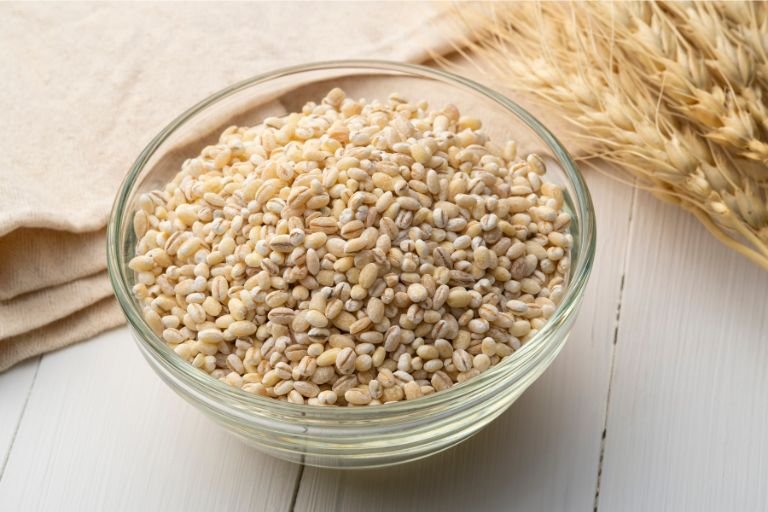
Barley, a highly nutritious and versatile grain, has been a dietary staple for thousands of years, thanks to its affordability, accessibility, and health benefits. Found in soups, salads, bread, and drinks like barley water, it’s a common addition to meals worldwide. But if you’re dealing with acid reflux or concerned about the acidity of foods in your diet, you may wonder: “Is barley acidic, and is it safe for people with acid reflux?”
Barley’s pH level, its effects on digestion, and its potential benefits for acid reflux make it a topic worth exploring. In this guide, we’ll discuss whether barley is acidic or alkaline, its nutritional profile, and practical ways to incorporate it into a reflux-friendly diet. By the end of this article, you’ll have a thorough understanding of how barley fits into your dietary plans and whether it can support your digestive health.
Is Barley Acidic or Alkaline?
Barley is classified as a mildly acidic to neutral food, with a pH level ranging from 5.5 to 6.5. This pH level places it in the low-acidity range, making it significantly less acidic than foods like citrus fruits, vinegar, or coffee, which have pH levels well below 4.
Because barley falls into the mildly acidic category, it is generally well-tolerated by most individuals, including those with acid reflux. When prepared simply—by boiling or steaming—it’s considered a “safe zone” food for reflux sufferers.
What Does the pH of Barley Mean for Acid Reflux?
Barley’s moderate pH, combined with its high fiber content and low fat levels, makes it easier on the stomach compared to highly processed or acidic foods. Foods with a neutral or slightly acidic pH are less likely to aggravate reflux symptoms, making barley a suitable option for those looking to manage heartburn and indigestion.
Related to Read: Are Brussels Sprouts Safe for Acid Reflux?
Nutritional Profile of Barley
Barley is packed with essential nutrients that make it a powerhouse grain for digestive health. Here’s a detailed breakdown of what makes barley so beneficial:
1. Rich in Fiber
Barley is one of the richest sources of dietary fiber, especially beta-glucan, a soluble fiber known for its digestive benefits. Fiber helps regulate bowel movements, promotes healthy gut bacteria, and reduces the frequency of acid reflux episodes by preventing overeating.
2. Packed with Vitamins and Minerals
Barley contains key vitamins and minerals such as:
- Magnesium: Helps relax the muscles of the esophagus and stomach, potentially reducing acid reflux.
- Selenium and Zinc: Support overall immunity and help repair damaged tissues, including those in the digestive tract.
- B Vitamins: Aid in energy production and improve digestive function.
3. Low in Fat
High-fat meals are one of the primary triggers of acid reflux, as they relax the lower esophageal sphincter (LES). Barley is naturally low in fat, making it a reflux-friendly grain.
4. High in Antioxidants
Barley contains antioxidants such as lignans and phenolic compounds, which reduce inflammation in the digestive tract and promote better gut health.
5. Contains Complex Carbohydrates
Barley’s slow-digesting carbohydrates provide sustained energy and stabilize blood sugar levels, which can indirectly help manage acid production in the stomach.
Can Barley Trigger Acid Reflux?
While barley is generally considered safe for people with acid reflux, individual reactions can vary. Here are a few factors that might influence whether barley triggers reflux:
1. Portion Size
Overeating—even foods that are otherwise safe—can put pressure on the stomach, leading to acid reflux. Stick to moderate portions of barley to prevent discomfort.
2. Individual Sensitivities
Barley is high in fiber, which can sometimes cause bloating or gas in individuals who are not used to it. These symptoms might mimic or exacerbate acid reflux. To avoid this, introduce barley gradually into your diet.
3. Preparation Methods
Fried or heavily seasoned barley dishes can aggravate acid reflux. Opt for boiled, steamed, or lightly seasoned preparations to minimize the risk.
4. Gluten Content
Barley contains gluten, so individuals with gluten intolerance or celiac disease should avoid it entirely.
Health Benefits of Barley for Acid Reflux Management
Barley isn’t just a safe option for reflux sufferers—it can actively promote digestive health. Here’s how:
1. Soothes the Digestive Tract
The soluble fiber in barley forms a gel-like substance in the stomach, which can coat and soothe the esophagus and stomach lining, reducing irritation caused by stomach acid.
2. Promotes Gut Health
The beta-glucans in barley act as prebiotics, feeding the healthy bacteria in your gut. A balanced gut microbiome is essential for reducing inflammation and improving digestion.
3. Reduces Acid Production
Barley’s slow-digesting carbohydrates help stabilize blood sugar levels and reduce the production of excess stomach acid.
4. Aids in Weight Management
Since being overweight is a major risk factor for acid reflux, barley’s high fiber and low-calorie content can support weight loss efforts, further reducing reflux symptoms.
How to Prepare Barley for Acid Reflux Relief?
Preparation matters when it comes to making barley safe for acid reflux. Follow these tips:
1. Cook It Simply
Boil or steam barley and avoid adding acidic or spicy ingredients like tomatoes, vinegar, or chili powder.
2. Pair with Alkaline Foods
Combine barley with alkaline vegetables like spinach, zucchini, cucumbers, or kale to balance the meal’s pH.
Related to Read: Are Salads Healthy?
3. Avoid High-Fat Additions
Skip adding butter, cream, or fried ingredients to barley dishes, as these can relax the LES and trigger reflux.
Reflux-Friendly Barley Recipes
Here are a few easy and nutritious recipes:
1. Barley Vegetable Soup
Combine cooked barley with carrots, celery, and a light vegetable broth for a comforting meal.
2. Barley Salad
Toss cooked barley with olive oil, cucumbers, parsley, and a sprinkle of flax seeds for added nutrition.
3. Barley Porridge
Cook barley with almond milk or oat milk, and top with bananas or honey for a reflux-friendly breakfast.
4. Barley Water
Simmer barley in water, strain, and drink the liquid. Barley water is known for its soothing properties.
Scientific Insights About Barley and Digestion
Scientific studies further highlight barley’s role in improving digestion:
- Gut Health: Research published in Nutrients (2019) shows that barley’s prebiotic beta-glucans improve gut health by promoting beneficial bacteria.
- Acid Reduction: Studies in Clinical Gastroenterology confirm that fiber-rich diets help regulate stomach acid levels, reducing GERD symptoms.
FAQs About Barley and Acid Reflux
1. Is barley safe for acid reflux?
Yes, barley is generally safe for acid reflux sufferers when consumed in moderate portions and prepared simply.
2. Does barley water help with acid reflux?
Yes, barley water can soothe the digestive tract and reduce acidity, making it a popular home remedy.
3. Is barley gluten-free?
No, barley contains gluten, so it’s not suitable for those with gluten intolerance or celiac disease.
4. Can I eat barley daily?
Yes, but start with small portions if you’re new to high-fiber foods.
5. Is barley better than rice for acid reflux?
Barley has more fiber and nutrients than white rice, making it a better choice for digestive health.
Final Thoughts
Barley is a mildly acidic grain that offers numerous health benefits, particularly for digestive wellness. Its high fiber content, low fat levels, and gentle acidity make it an excellent choice for people managing acid reflux. By incorporating barley into your meals in moderation and preparing it in reflux-friendly ways, you can enjoy its nutritional benefits without worrying about triggering symptoms.
Give barley a try—it’s a wholesome grain that can support your journey toward better digestive health.
Related Posts



Subscribe for New Racipies
Get mental health tips, updates, and resources delivered to your inbox.
Caponata, And the Rainstorm of Rainstorms


Remember how I said that I’d rekindled my love for eggplant? Well, part of that was helped along by some amazing caponata—an Italian eggplant appetizer—I had one tempestuous evening at a little Italian restaurant close to Lincoln Center.
There’s something so glamorous about dining al fresco during a storm. While many restaurant patrons made for drier parts, namely indoors, our table staunchly remained, seated at the threshold of getting absolutely drenched. Lightning streaked spectacularly across the sky, sideways(!), followed by the low rumbling of thunder. And the light of passing cars, refracted by the rain, shimmered like mirages, except their honking sounded all too real. I will never tire of these dramatic shows.
But back to that caponata. There we were, seated outside during a thrilling thunderstorm, sheets of rain spraying at us at oblique angles, and I was downing eggplant like there was no tomorrow. It was so flavorful, so moist! I forgot my manners. I was the only un-glamorous element of the whole setup. At least everyone was distracted by the lightning around us and a leak above one of our heads.
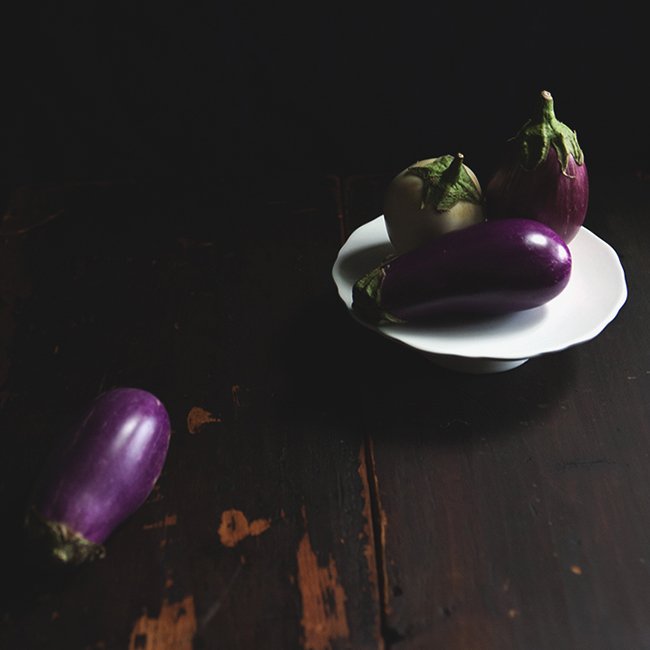
Back at home, I tried to replicate the dish, starting with choice eggplant from the Union Square Greenmarket. I will never tire of the Greenmarket. (But I can’t wait for the damn F train to get fixed so I’m not trudging 12 blocks back to the subway with quickly-wilting plant matter.)

It turns out, there’s no one recipe for caponata. At its base, it’s eggplant cooked until it’s really soft, in a tomato-y sauce. But beyond that, well, just as there are thousands of regional cuisines in Italy, there are endless variations of this classic antipasto.
I stuck with good old pantry staples.

I realize it doesn’t appear wholly appetizing, but please try not to judge it harshly. It does its best. Eggplant just sort of, well, does that wilting thing, where it turns grayish-brown and flaccid, but that doesn’t make it any less lovable. Not to me at least.
And its taste? Well, it’s not the same as what I remember. This caponata didn’t turn out as flavorful or as moist. It’s kind of a different food altogether. Less tang, more… something. I wasn’t sure what to think. But then my friend came over the other night, and we shoveled most of it down. As if there was no tomorrow. I forgot my manners. And I must’ve looked so un-glamorous. But I looked up and saw that she wasn’t noticing, because she was doing the same.

CAPONATA
Serves 6 to 8
From Bon Appetit
Ingredients:
5 Tbsp olive oil
1-1/2 pound eggplant, unpeeled, cut into 1/2 inch cubes
1 medium onion, cubed
4 large garlic cloves, chopped
1 14-1/2 ounce can diced tomatoes with Italian seasonings in juice
3 Tbsp red wine vinegar
2 Tbsp drained capers
1/3 cup chopped fresh basil
Toasted pine nuts
Directions:
Heat oil in heavy large pot over medium heat. Add eggplant, onion, and garlic cloves. Saute until eggplant is soft and brown, about 15 minutes. Add diced tomatoes with juice, then red wine vinegar and capers. Cover and simmer until eggplant and onion are very tender, stirring occasionally, about 12 minutes. Season caponata to taste with salt and pepper. Mix in fresh basil. Transfer caponata to serving bowl. Sprinkle with toasted pine nuts.
Related Posts




Subscribe for New Racipies
Get mental health tips, updates, and resources delivered to your inbox.