

Chamomile tea is a popular herbal drink known for its calming and soothing effects. Many people turn to chamomile tea for its potential benefits in relieving stress, improving sleep, and aiding digestion. But if you suffer from acid reflux or GERD (Gastroesophageal Reflux Disease), you might be wondering: Is chamomile tea acidic? And, more importantly, Can it help manage acid reflux symptoms?
In this article, we’ll explore the acidity of chamomile tea, how it interacts with acid reflux, and provide insights into its benefits for digestion. Whether you’re seeking natural remedies for acid reflux or simply curious about chamomile tea’s effects, read on to find out more.
Understanding Acidity and Acid Reflux
Before we dive into the specifics of chamomile tea, it’s important to understand the role acidity plays in digestion and its impact on conditions like acid reflux.
What Does Acidity Mean?
Acidity refers to the concentration of hydrogen ions in a liquid, which determines its pH level. On the pH scale, substances with a pH lower than 7 are considered acidic, those with a pH of 7 are neutral, and those above 7 are alkaline (basic). Common acidic foods and drinks like citrus juices, coffee, and soda can increase the acid content in the stomach, sometimes leading to acid reflux.
How Does Acidity Affect Acid Reflux?
Acid reflux occurs when stomach acid or bile backs up into the esophagus. This can happen when the lower esophageal sphincter (LES), the muscle that prevents stomach contents from entering the esophagus, doesn’t function properly. Acidic foods and drinks can exacerbate this condition, causing heartburn and discomfort. Therefore, many individuals with acid reflux or GERD are advised to avoid acidic substances.
Is Chamomile Tea Acidic?
Chamomile tea is often considered a safe and soothing option for people with acid reflux. So, is chamomile tea acidic? The answer is no — chamomile tea is actually slightly alkaline, which means it is a low-acid beverage. It generally has a pH level between 6 and 7, which is close to neutral.
Unlike other teas like black or green tea, which are mildly acidic, chamomile tea does not trigger the same digestive issues for most people. This makes it a great alternative for those trying to reduce acidity in their diet.
pH Level of Chamomile Tea
Chamomile tea typically has a pH level that is either neutral or slightly alkaline, depending on the brewing process and water quality. This makes chamomile tea an excellent option for those looking to avoid acidic beverages that might irritate the esophagus or trigger acid reflux symptoms.
Chamomile Tea vs. Acidic Teas
Chamomile tea stands out in comparison to other teas, such as black, green, or herbal teas like peppermint, which are more acidic and may trigger acid reflux for sensitive individuals. This makes chamomile tea one of the safest tea options for people with GERD or acid reflux.
Author Tip:5 Non-acidic Alkaline Tea for You!
Benefits of Chamomile Tea for Acid Reflux
Chamomile tea isn’t just gentle on the stomach — it also offers a range of benefits for people with acid reflux and digestive issues.
Anti-Inflammatory Properties of Chamomile Tea
Chamomile is well-known for its anti-inflammatory properties, which can help soothe inflammation in the esophagus caused by acid reflux. Chronic acid reflux or GERD can lead to irritation in the lining of the esophagus, and chamomile’s calming effects can help reduce this inflammation.
How Chamomile Tea Calms Acid Reflux Symptoms?
Chamomile tea can help calm the stomach and promote proper digestion. By relaxing the muscles of the digestive tract and reducing inflammation, chamomile may help decrease acid reflux episodes. This is why chamomile is often recommended for people suffering from heartburn or indigestion.
Additional Benefits for Digestion and Sleep
Chamomile also has mild sedative properties, which can help promote better sleep. Poor sleep quality is often linked to increased acid reflux symptoms, as lying down can make acid more likely to travel up the esophagus. Drinking chamomile tea before bed may provide a calming effect, helping you sleep better and reducing the chances of reflux during the night.
How to Drink Chamomile Tea for Acid Reflux
To maximize the benefits of chamomile tea for acid reflux, it’s important to drink it correctly. Here are a few tips to make the most of your chamomile tea:
Best Practices for Brewing Chamomile Tea
To make chamomile tea, simply steep 1–2 teaspoons of dried chamomile flowers in a cup of hot water for 5-10 minutes. The longer you steep it, the stronger the flavor and therapeutic benefits. You can also use chamomile tea bags for convenience. Drinking chamomile tea after meals may help soothe your stomach and improve digestion.
Additives to Avoid for Acid Reflux Sufferers
While chamomile tea itself is gentle on the stomach, adding certain ingredients can irritate the digestive system. Avoid adding sugar, honey, or citrus, as these can increase acidity. Instead, enjoy your chamomile tea plain or with a mild, non-acidic sweetener like stevia if needed.
Chamomile Tea and Bedtime Routine for GERD Relief
Drinking chamomile tea before bed can be especially beneficial for those with nighttime acid reflux. It promotes relaxation, soothes the digestive tract, and may help prevent reflux during sleep. However, be cautious not to consume too much fluid before bedtime to avoid frequent nighttime trips to the bathroom.
Other Herbal Teas for Acid Reflux
While chamomile tea is a great choice for managing acid reflux, other herbal teas may also provide relief. Some options include:
- Ginger Tea: Known for its anti-nausea properties, ginger tea can help soothe the stomach and reduce acid reflux.
- Licorice Tea: This herbal tea can help protect the stomach lining and reduce acid reflux symptoms.
- Slippery Elm Tea: Often recommended for soothing an irritated esophagus, slippery elm tea helps coat the stomach and may reduce acid reflux symptoms.
Chamomile tea remains one of the gentlest and most soothing options for those suffering from acid reflux.
Recipe: Citrus Pomegranate Mint Tea
Expert Opinions on Chamomile Tea and Acid Reflux
Many health professionals recommend chamomile tea for managing acid reflux. According to a study published in the Journal of Ethnopharmacology, chamomile’s anti-inflammatory and antioxidant properties can provide relief from gastrointestinal issues, including acid reflux. Herbalists and nutritionists also support chamomile tea as a gentle, non-acidic beverage that can help soothe the digestive system.
Clinical Studies on Chamomile Tea for Acid Reflux
Several clinical studies have shown that chamomile tea can help reduce inflammation and improve digestion. Although more research is needed to confirm its long-term effects, chamomile has been used for centuries as a natural remedy for digestive discomfort.
Herbalist Recommendations
Herbalists often recommend chamomile tea for individuals suffering from acid reflux due to its calming and anti-inflammatory effects. It’s seen as a safe, natural remedy that can help improve digestion and reduce symptoms of GERD when consumed regularly.
Conclusion
Chamomile tea is an excellent, non-acidic option for those suffering from acid reflux or GERD. Its pH level is neutral to slightly alkaline, making it gentle on the stomach and less likely to trigger reflux symptoms. With its anti-inflammatory properties and digestive benefits, chamomile tea can help soothe acid reflux and promote better digestion.
If you struggle with acid reflux, try incorporating chamomile tea into your daily routine. Whether you drink it after meals or before bed, it may offer natural relief and support a healthier digestive system. As always, consult with a healthcare professional before making any significant changes to your diet or treatment plan.
Try a warm cup of chamomile tea today to soothe your digestion and ease acid reflux symptoms!
Related Posts


Subscribe for New Racipies
Get mental health tips, updates, and resources delivered to your inbox.
Are Nutri Grain Bars Healthy? Expert Insights and Nutrition Analysis

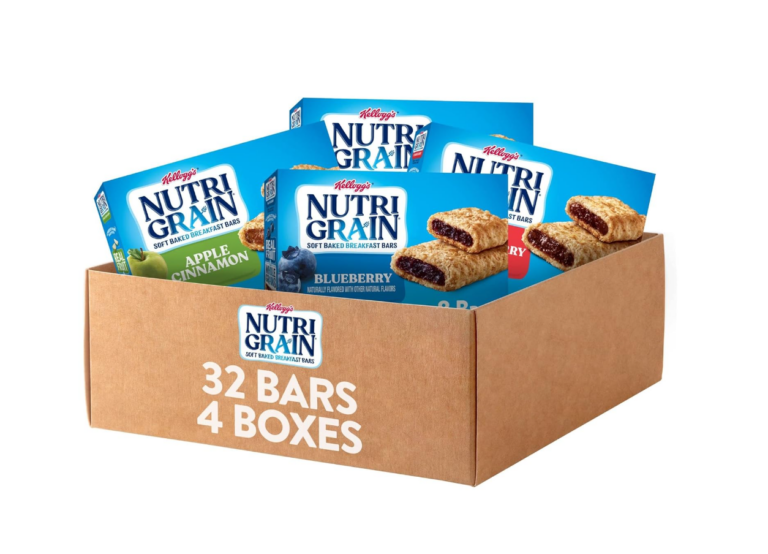
‘Nutri’ and ‘grain’- reading this, you might be wondering if all the healthy stuff is infused in Nutri Grain bars, right? Nutri Grain bars are indeed one of the most popular snack food items on the market right now, but are Nutri Grain bars healthy as you might think?
Nutri Grain bars are marketed as nutritious, low-calorie snacks that contain lots of essential vitamins and minerals, like calcium and iron. Yet Nutri Grain bars aren’t as healthy as you might think; in fact, their high calorie and sugar content can do more harm than good if you eat them regularly.
Here are some reasons Nutri Grain bars may not be as healthy as you think they are and some healthier alternatives to fill you up!
Are Nutri Grain Bars Healthy?

Who doesn’t know the Nutri Grain bars you find at the grocery store? They’re those delicious, crunchy little bars made of whole grains and nuts that are supposedly good for you, right? However, it turns out not so much.
Here are a few reasons Nutri Grain bars may not be as healthy as you think they are
- Excess Sugar, High Fructose Corn Syrup, And Hydrogenated Vegetable Oils
Many people think that just because it’s healthy to eat whole grains like oatmeal or wheat toast, it must be good for you to eat Nutri Grain bars as well.
While Nutri-Grain bars contain some whole grains, they also contain a lot of sugar, high fructose corn syrup, and hydrogenated vegetable oils. These ingredients can offset any health benefits that whole grains might provide.
- Inclusion Of Unnecessary Ingredients
While some of the ingredients in Nutri Grain bars are healthy, like whole grains and dried fruit, there are also a lot of unnecessary ingredients like added sugars and artificial flavors. And while they may be advertised as all-natural, the ingredient list proves otherwise.
For example, one bar includes a natural maple flavor but also contains monosodium glutamate (MSG) as well as partially hydrogenated soybean oil.
- Additives Contain Questionable Ingredients
If you take a look at the list of ingredients on a Nutri Grain bar, you’ll notice that many of them are additives. Additives are substances added to food to enhance its flavor, texture, or shelf life. These preservatives can be harmful to your health and may offset any benefits you would get from eating whole grains.
Some people avoid these additives because they may be unnatural and unhealthy. In fact, artificial sweeteners have been linked to an increased risk for cancer and neurotoxicity in lab animals!
- Contains Low Protein And Fiber Content
Although Nutri Grain bars contain negligible vitamins and minerals, they lack protein and fiber. Protein and fiber are essential nutrients that help keep you feeling full and satisfied after eating.
Low-quality protein also means a reduced ability to build muscle, repair tissues, and fight inflammation. On the other hand, fiber helps with digestion and may also help regulate blood sugar levels by slowing down the release of sugar into the bloodstream.
Related Article: Are Waffles Healthy? Exploring Expert Insights for Nutritious Choices
Nutritional Value of Nutri Grain Bars
Let’s look at the nutritional value of nutri-grain bars.
Nutritional fact of kellog’s Nutri Grain bar Mixed berry – 1 bar (116 g)
| Calories | 130 |
| Total fatSaturated fat | 3 g0.5 g |
| Cholesterol | 0 mg |
| Sodium | 105 mg |
| Potassium | 85 mg |
| Total carbsDietary fiberSugar | 25 g2 g13 g |
| Protein | 2 g |
| CalciumIron. | 2%4% of DV. |
While Nutri-Grain bars may be marketed as a healthy snack option, they may not be as healthy as you think.
For one, they are high in sugar. In fact, a single Nutri Grain bar can have up to 16 grams of sugar. All other flavors of these bars contain the same amount of sugar – plain strawberry (12 g), blueberry (13 g), and apple cinnamon (13 g).

Nonetheless, they also often contain large amounts of artificial sweeteners like sucralose, which may provide instant energy but has been linked to liver toxicity and stomach ulcers in the long run.
Moreover, there is no ingredient in the bars rich in protein, for which the protein content is equivalent to 1 g. It is not an ideal energy snack when you are on a diet or doing heavy workouts.
Finally, the fats found in many Nutri-Grain bars are typically unhealthy saturated fats that increase the risk of heart disease and stroke.
Related Article: Are Ritz Crackers Healthy? Expert Insights and Tips
Side Effects of Over Consuming Nutri Grain Bars
One mixed berry Nutri Grain bar from Kellogg’s contains 13 grams of sugar! Plus, the artificial ‘blueberry’ filling contains many additives. So, imagine what if you consume 4 bars at a time every day- that’s nearly 54 grams of added sugar, which is over the limit of the daily value (25-36 grams).
Compared to the number of calories in a single bar, which is 130-140, this much sugar content is insane.
Moreover, there is an unacceptable amount of sodium content in a single bar. The American Heart Association used to recommend 2300 mg of sodium daily in a normal adult’s diet, but now they recommend 1500 mg.
Covered by the sweetness of the bars, you may feel like there is no sodium in them. But unknowingly, you are consuming the same amount of salt as compared to a salty snack.
Sugar and salt are already slow poison that leads to many short- and long-term health problems.
Some side-effects of over-consuming Nutri-Grain bars include:
- Spike in blood sugar
- Abdominal pain
- Allergic reactions
- Weight gain/ obesity
- Diabetes
- Lower immune system
- Spike in blood pressure.
You won’t see these side effects in a single day or two unless you don’t overeat these unhealthy Nutri-Grain bars.
Who Should Avoid Nutri Grain Bars
Don’t worry; Nutri-Grain bars are not fatal and won’t kill you! Since it contains many unhealthy ingredients and somewhat allergic ones, some people should eat it as little as possible or even avoid it.
- People with celiac disease or gluten intolerance should avoid eating Nutri Grain bars as they contain gluten in the form of enriched flour to obtain that chewy texture.
- Additionally, people with nut allergies should avoid them as they contain nuts.
- Those following a vegan diet may also want to stay away from these bars as they may contain animal products like milk and eggs.
- Even though Nutri-Grain bars are marketed as a healthy snack, they may not be the best choice for diabetic patients. This is because Nutri-Grain bars are high in sugar and carbs, which can cause blood sugar levels to spike. If you have diabetes, limit your Nutri Grain bar consumption to one or two bars a week.
Related Article: Are Pretzels Healthy? – Pros, Cons and Healthy Alternative
Healthy Alternatives to Nutri Grain Bars
If you’re looking for a healthier alternative to Nutri-Grain bars, try making your own granola bars at home. Plenty of recipes online use healthy ingredients like oats, honey, and dried fruit. Not only are they filling, but nutritious too. With a few variations in flavor, it’s easy to make them taste just the way you want.
Meal-replacement shakes can also be an excellent option if you need something filling but don’t have time to prepare food. It takes just seconds to blend up a shake with yogurt, milk, protein powder (whey or soy), fruit, peanut butter or almond butter, and ice cubes. The options are limitless!
FAQs
Are Nutri-Grain bars good for weight loss?
Nutri Grain bars may not be the best choice if you’re trying to lose weight. Though they’re convenient and easy to eat on the go, they’re often high in sugar and calories, which can lead to weight gain. In the long run, if you continue to eat them on a daily basis, you may be able to gain weight instead of losing it.
Are Nutri-Grain bars vegan?
While many Nutri-Grain bars are vegan, some contain honey, which is a non-vegan ingredient. In addition, some of the flavors of Nutri-Grain bars contain dairy and other animal-based products.
So, it is always better to read the labels to see what ingredients are your preferred bars made of.
Are Nutri-Grain bars healthy for toddlers?
If you’re looking for a healthy snack for your toddler, Nutri Grain bars may not be the best choice. Because they’re high in sugar, the ingredients aren’t natural, there’s no nutritional value in the sugar, and they contain artificial flavors.
Moreover, they’re loaded with fats that raise cholesterol levels and increase the risk of heart disease and stroke. And finally, they don’t give children enough vitamins and minerals that they need to grow up strong and healthy!
Are Nutri-Grain bars good for diabetics?
While Nutri-Grain bars may be marketed as a healthy snack option, they may not be the best choice for people with diabetes. This is because Nutri-Grain bars are high in sugar and added sugar, which can cause blood sugar levels to spike.
Final Thought
If you are thinking – are Nutri Grain bars healthy – it’s time to throw out Nutri-Grain bars from your regular diet. The high sugar and calorie content can offset any nutritional benefits, and the processed ingredients may not be ideal for everyone.
However, there is no harm in treating yourself with one bar once in a while. The bottom line is that there are healthier options out there than Nutri-Grain bars.
Related Posts




Subscribe for New Racipies
Get mental health tips, updates, and resources delivered to your inbox.