
Is Olive Oil Safe for Acid Reflux?
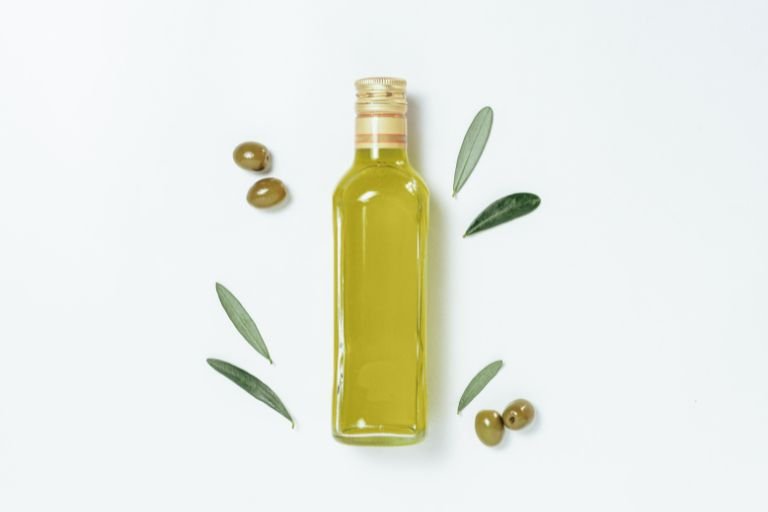
Olive oil is widely regarded as one of the healthiest fats, often used in cooking, salad dressings, and even as a natural remedy for various health conditions. For those dealing with acid reflux or GERD (gastroesophageal reflux disease), questions often arise about whether olive oil is safe to include in their diet. So, “Is olive oil safe for acid reflux?”
The short answer is: Yes, olive oil is generally safe for acid reflux sufferers, particularly when consumed in moderation. Its natural anti-inflammatory properties, healthy monounsaturated fats, and alkalizing effect make it a good choice for soothing the digestive system and minimizing acid reflux symptoms. However, consuming large amounts of olive oil or using it in high-fat, heavy meals can potentially trigger reflux in some individuals.
In this article, we’ll explore olive oil’s impact on acid reflux, its nutritional benefits, and tips for incorporating it into a reflux-friendly diet.
Is Olive Oil Acidic or Alkaline?
Olive oil is considered neutral to mildly alkaline, with a pH level close to 7.0. Unlike acidic foods that can irritate the esophagus and exacerbate reflux symptoms, olive oil does not contribute to stomach acidity. Its alkalizing properties can help neutralize stomach acid and reduce irritation, making it a reflux-friendly choice when consumed appropriately.
Related to Read: Are Green Olives Safe for Acid Reflux?
Nutritional Profile of Olive Oil
Olive oil is more than just a cooking ingredient—it’s packed with healthy nutrients that offer numerous health benefits. Here’s a breakdown of its key nutritional components:
1. High in Monounsaturated Fats
- Olive oil contains around 73% monounsaturated fats, which are heart-healthy and less likely to trigger reflux compared to saturated or trans fats.
2. Rich in Antioxidants
- Olive oil contains antioxidants like vitamin E and polyphenols, which help reduce inflammation and protect the esophagus from damage caused by stomach acid.
3. Anti-Inflammatory Properties
- The compound oleocanthal, found in extra-virgin olive oil, has powerful anti-inflammatory effects, which may soothe the esophagus and stomach lining.
4. Zero Carbohydrates and Protein
- Olive oil is a pure fat source, making it easily digestible for most people when consumed in small amounts.
5. Calorie-Dense
- Olive oil contains 120 calories per tablespoon, so moderation is key, especially for those managing weight as part of their acid reflux treatment.
Author Tip: Are Green Olives Acidic?
Can Olive Oil Trigger Acid Reflux?
While olive oil is generally safe for acid reflux sufferers, there are scenarios where it might trigger symptoms:
1. Overconsumption
- Consuming large quantities of olive oil in one sitting can relax the lower esophageal sphincter (LES), the muscle that prevents stomach acid from traveling back into the esophagus. A relaxed LES increases the likelihood of reflux.
2. High-Fat Meals
- Although olive oil contains healthy fats, adding too much to high-fat or heavy meals (e.g., fried foods or creamy dishes) can trigger reflux symptoms.
3. Individual Sensitivities
- Some people may be sensitive to fats, even healthy ones, and may experience bloating or mild reflux symptoms after consuming olive oil.
Benefits of Olive Oil for Acid Reflux
When consumed in moderation and as part of a balanced diet, olive oil offers several benefits for acid reflux sufferers:
1. Reduces Inflammation
- Olive oil’s anti-inflammatory properties help soothe irritation in the esophagus caused by stomach acid, promoting healing and reducing discomfort.
2. Promotes Healthy Digestion
- Olive oil stimulates bile production, which aids in the digestion of fats and prevents bloating—a common trigger for reflux.
3. Neutralizes Stomach Acid
- The mildly alkaline nature of olive oil can help balance stomach acid levels, reducing the risk of reflux symptoms.
4. Easy to Digest
- Monounsaturated fats in olive oil are easily digestible, making it a lighter fat option compared to saturated fats like butter or lard.
5. Supports Weight Management
- Using olive oil as a substitute for unhealthy fats can help with weight management, which is a critical factor in reducing acid reflux.
Tips for Using Olive Oil Safely with Acid Reflux
To enjoy the benefits of olive oil without aggravating reflux symptoms, follow these tips:
1. Use in Moderation
- Stick to 1–2 teaspoons per serving. Avoid excessive use, as large amounts of fat can relax the LES and trigger reflux.
2. Choose Extra-Virgin Olive Oil
- Extra-virgin olive oil (EVOO) is the least processed form and retains the highest levels of antioxidants and anti-inflammatory compounds.
3. Avoid High-Temperature Cooking
- When olive oil is heated beyond its smoke point (around 375°F or 190°C for extra-virgin), it can break down and release compounds that irritate the stomach. Use it for low to medium-heat cooking or as a finishing oil.
4. Pair with Reflux-Friendly Foods
- Combine olive oil with alkaline or low-acid foods like vegetables, whole grains, and lean proteins to create balanced, reflux-friendly meals.
5. Avoid Adding to Spicy or Acidic Dishes
- While olive oil itself is reflux-friendly, adding it to spicy or tomato-based dishes may aggravate reflux symptoms.
Reflux-Friendly Olive Oil Recipes
1. Olive Oil and Steamed Vegetables
Ingredients:
- 1 cup broccoli, steamed
- 1 cup zucchini, steamed
- 1 teaspoon extra-virgin olive oil
- A pinch of salt
Instructions:
- Steam the vegetables until tender.
- Drizzle with olive oil and sprinkle with salt.
- Serve as a light and reflux-friendly side dish.
2. Olive Oil Dressing for Salads
Ingredients:
- 2 tablespoons extra-virgin olive oil
- 1 teaspoon honey (optional)
- A pinch of salt and pepper
Instructions:
- Whisk all ingredients together.
- Drizzle over a salad with leafy greens, cucumbers, and carrots.
- Avoid adding acidic ingredients like vinegar or lemon juice.
3. Olive Oil Oatmeal
Ingredients:
- 1/2 cup oatmeal
- 1 teaspoon extra-virgin olive oil
- 1/2 banana, sliced
Instructions:
- Cook the oatmeal as directed.
- Stir in olive oil and top with banana slices.
- Enjoy as a reflux-friendly breakfast.
Olive Oil Recipes: Olive Oil Cake
Citrus Salad With Rosemary And Olives
Frequently Asked Questions About Olive Oil and Acid Reflux
1. Is olive oil good for acid reflux?
Yes, olive oil is generally safe and beneficial for acid reflux sufferers when consumed in moderation. Its anti-inflammatory properties and healthy fats can promote digestive health.
2. Can olive oil cause heartburn?
While olive oil is unlikely to cause heartburn in small amounts, overconsumption or adding it to high-fat meals can trigger reflux symptoms in some individuals.
3. Is extra-virgin olive oil better for acid reflux?
Yes, extra-virgin olive oil is the best option for acid reflux as it retains more antioxidants and anti-inflammatory compounds compared to refined oils.
4. How much olive oil is safe for acid reflux sufferers?
Stick to 1–2 teaspoons per serving, and avoid consuming more than 1–2 tablespoons per day to prevent reflux triggers.
5. Are there alternatives to olive oil for acid reflux?
Yes, other reflux-friendly oils include avocado oil and coconut oil, both of which contain healthy fats and have neutral pH levels.
Final Thoughts
Olive oil is a nutritious, reflux-friendly fat that can be safely included in most diets when used in moderation. Its neutral pH, anti-inflammatory properties, and ease of digestion make it a great option for soothing acid reflux and supporting digestive health.
To avoid triggering reflux symptoms, use olive oil in small amounts, choose extra-virgin varieties, and pair it with alkaline or low-acid foods. As with any dietary change, listen to your body and consult a healthcare professional if you have concerns about including olive oil in your acid reflux management plan.
Related Posts


Subscribe for New Racipies
Get mental health tips, updates, and resources delivered to your inbox.
Are Nutri Grain Bars Healthy? Expert Insights and Nutrition Analysis

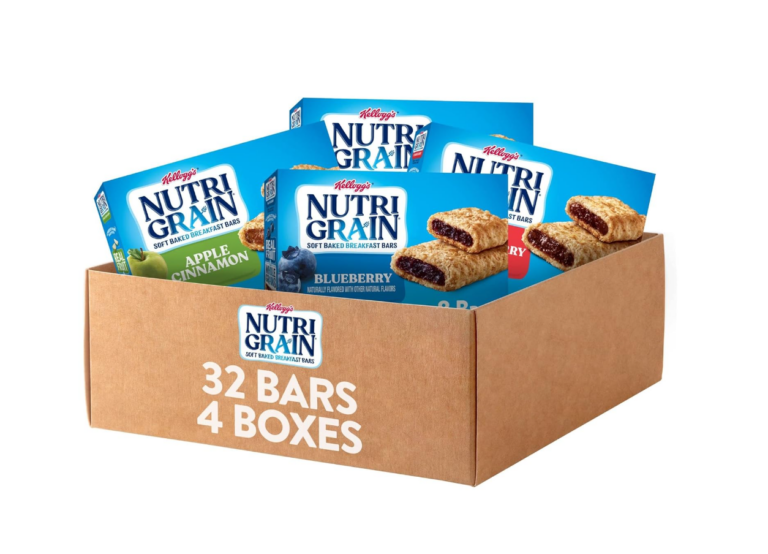
‘Nutri’ and ‘grain’- reading this, you might be wondering if all the healthy stuff is infused in Nutri Grain bars, right? Nutri Grain bars are indeed one of the most popular snack food items on the market right now, but are Nutri Grain bars healthy as you might think?
Nutri Grain bars are marketed as nutritious, low-calorie snacks that contain lots of essential vitamins and minerals, like calcium and iron. Yet Nutri Grain bars aren’t as healthy as you might think; in fact, their high calorie and sugar content can do more harm than good if you eat them regularly.
Here are some reasons Nutri Grain bars may not be as healthy as you think they are and some healthier alternatives to fill you up!
Are Nutri Grain Bars Healthy?

Who doesn’t know the Nutri Grain bars you find at the grocery store? They’re those delicious, crunchy little bars made of whole grains and nuts that are supposedly good for you, right? However, it turns out not so much.
Here are a few reasons Nutri Grain bars may not be as healthy as you think they are
- Excess Sugar, High Fructose Corn Syrup, And Hydrogenated Vegetable Oils
Many people think that just because it’s healthy to eat whole grains like oatmeal or wheat toast, it must be good for you to eat Nutri Grain bars as well.
While Nutri-Grain bars contain some whole grains, they also contain a lot of sugar, high fructose corn syrup, and hydrogenated vegetable oils. These ingredients can offset any health benefits that whole grains might provide.
- Inclusion Of Unnecessary Ingredients
While some of the ingredients in Nutri Grain bars are healthy, like whole grains and dried fruit, there are also a lot of unnecessary ingredients like added sugars and artificial flavors. And while they may be advertised as all-natural, the ingredient list proves otherwise.
For example, one bar includes a natural maple flavor but also contains monosodium glutamate (MSG) as well as partially hydrogenated soybean oil.
- Additives Contain Questionable Ingredients
If you take a look at the list of ingredients on a Nutri Grain bar, you’ll notice that many of them are additives. Additives are substances added to food to enhance its flavor, texture, or shelf life. These preservatives can be harmful to your health and may offset any benefits you would get from eating whole grains.
Some people avoid these additives because they may be unnatural and unhealthy. In fact, artificial sweeteners have been linked to an increased risk for cancer and neurotoxicity in lab animals!
- Contains Low Protein And Fiber Content
Although Nutri Grain bars contain negligible vitamins and minerals, they lack protein and fiber. Protein and fiber are essential nutrients that help keep you feeling full and satisfied after eating.
Low-quality protein also means a reduced ability to build muscle, repair tissues, and fight inflammation. On the other hand, fiber helps with digestion and may also help regulate blood sugar levels by slowing down the release of sugar into the bloodstream.
Related Article: Are Waffles Healthy? Exploring Expert Insights for Nutritious Choices
Nutritional Value of Nutri Grain Bars
Let’s look at the nutritional value of nutri-grain bars.
Nutritional fact of kellog’s Nutri Grain bar Mixed berry – 1 bar (116 g)
| Calories | 130 |
| Total fatSaturated fat | 3 g0.5 g |
| Cholesterol | 0 mg |
| Sodium | 105 mg |
| Potassium | 85 mg |
| Total carbsDietary fiberSugar | 25 g2 g13 g |
| Protein | 2 g |
| CalciumIron. | 2%4% of DV. |
While Nutri-Grain bars may be marketed as a healthy snack option, they may not be as healthy as you think.
For one, they are high in sugar. In fact, a single Nutri Grain bar can have up to 16 grams of sugar. All other flavors of these bars contain the same amount of sugar – plain strawberry (12 g), blueberry (13 g), and apple cinnamon (13 g).

Nonetheless, they also often contain large amounts of artificial sweeteners like sucralose, which may provide instant energy but has been linked to liver toxicity and stomach ulcers in the long run.
Moreover, there is no ingredient in the bars rich in protein, for which the protein content is equivalent to 1 g. It is not an ideal energy snack when you are on a diet or doing heavy workouts.
Finally, the fats found in many Nutri-Grain bars are typically unhealthy saturated fats that increase the risk of heart disease and stroke.
Related Article: Are Ritz Crackers Healthy? Expert Insights and Tips
Side Effects of Over Consuming Nutri Grain Bars
One mixed berry Nutri Grain bar from Kellogg’s contains 13 grams of sugar! Plus, the artificial ‘blueberry’ filling contains many additives. So, imagine what if you consume 4 bars at a time every day- that’s nearly 54 grams of added sugar, which is over the limit of the daily value (25-36 grams).
Compared to the number of calories in a single bar, which is 130-140, this much sugar content is insane.
Moreover, there is an unacceptable amount of sodium content in a single bar. The American Heart Association used to recommend 2300 mg of sodium daily in a normal adult’s diet, but now they recommend 1500 mg.
Covered by the sweetness of the bars, you may feel like there is no sodium in them. But unknowingly, you are consuming the same amount of salt as compared to a salty snack.
Sugar and salt are already slow poison that leads to many short- and long-term health problems.
Some side-effects of over-consuming Nutri-Grain bars include:
- Spike in blood sugar
- Abdominal pain
- Allergic reactions
- Weight gain/ obesity
- Diabetes
- Lower immune system
- Spike in blood pressure.
You won’t see these side effects in a single day or two unless you don’t overeat these unhealthy Nutri-Grain bars.
Who Should Avoid Nutri Grain Bars
Don’t worry; Nutri-Grain bars are not fatal and won’t kill you! Since it contains many unhealthy ingredients and somewhat allergic ones, some people should eat it as little as possible or even avoid it.
- People with celiac disease or gluten intolerance should avoid eating Nutri Grain bars as they contain gluten in the form of enriched flour to obtain that chewy texture.
- Additionally, people with nut allergies should avoid them as they contain nuts.
- Those following a vegan diet may also want to stay away from these bars as they may contain animal products like milk and eggs.
- Even though Nutri-Grain bars are marketed as a healthy snack, they may not be the best choice for diabetic patients. This is because Nutri-Grain bars are high in sugar and carbs, which can cause blood sugar levels to spike. If you have diabetes, limit your Nutri Grain bar consumption to one or two bars a week.
Related Article: Are Pretzels Healthy? – Pros, Cons and Healthy Alternative
Healthy Alternatives to Nutri Grain Bars
If you’re looking for a healthier alternative to Nutri-Grain bars, try making your own granola bars at home. Plenty of recipes online use healthy ingredients like oats, honey, and dried fruit. Not only are they filling, but nutritious too. With a few variations in flavor, it’s easy to make them taste just the way you want.
Meal-replacement shakes can also be an excellent option if you need something filling but don’t have time to prepare food. It takes just seconds to blend up a shake with yogurt, milk, protein powder (whey or soy), fruit, peanut butter or almond butter, and ice cubes. The options are limitless!
FAQs
Are Nutri-Grain bars good for weight loss?
Nutri Grain bars may not be the best choice if you’re trying to lose weight. Though they’re convenient and easy to eat on the go, they’re often high in sugar and calories, which can lead to weight gain. In the long run, if you continue to eat them on a daily basis, you may be able to gain weight instead of losing it.
Are Nutri-Grain bars vegan?
While many Nutri-Grain bars are vegan, some contain honey, which is a non-vegan ingredient. In addition, some of the flavors of Nutri-Grain bars contain dairy and other animal-based products.
So, it is always better to read the labels to see what ingredients are your preferred bars made of.
Are Nutri-Grain bars healthy for toddlers?
If you’re looking for a healthy snack for your toddler, Nutri Grain bars may not be the best choice. Because they’re high in sugar, the ingredients aren’t natural, there’s no nutritional value in the sugar, and they contain artificial flavors.
Moreover, they’re loaded with fats that raise cholesterol levels and increase the risk of heart disease and stroke. And finally, they don’t give children enough vitamins and minerals that they need to grow up strong and healthy!
Are Nutri-Grain bars good for diabetics?
While Nutri-Grain bars may be marketed as a healthy snack option, they may not be the best choice for people with diabetes. This is because Nutri-Grain bars are high in sugar and added sugar, which can cause blood sugar levels to spike.
Final Thought
If you are thinking – are Nutri Grain bars healthy – it’s time to throw out Nutri-Grain bars from your regular diet. The high sugar and calorie content can offset any nutritional benefits, and the processed ingredients may not be ideal for everyone.
However, there is no harm in treating yourself with one bar once in a while. The bottom line is that there are healthier options out there than Nutri-Grain bars.
Related Posts




Subscribe for New Racipies
Get mental health tips, updates, and resources delivered to your inbox.