
Is Rye Bread Acidic? Guide for Acid Reflux Sufferers

Medically reviewed by Aneeza Pervez Updated Date: January 5, 2026
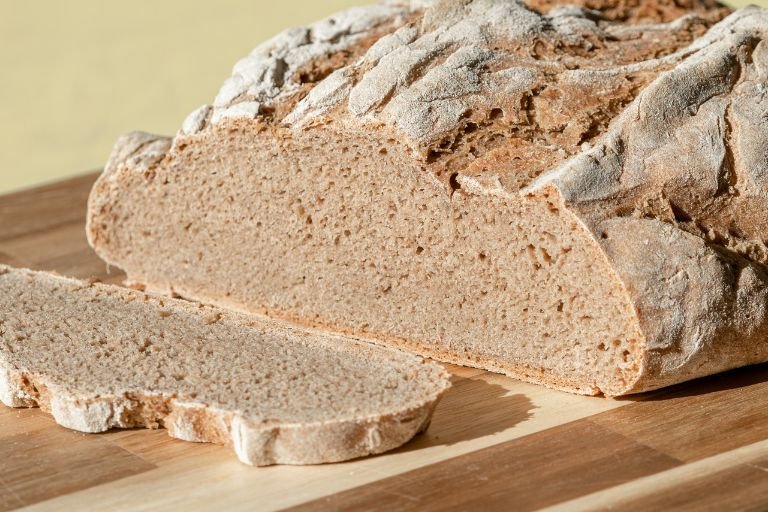
Rye bread has become a favorite among health-conscious individuals seeking a nutritious and hearty alternative to white bread. Known for its distinct flavor and dense texture, rye bread offers numerous health benefits, including improved digestion and sustained energy. However, if you’re an acid reflux sufferer or someone with a sensitive stomach, you might wonder: Is rye bread acidic? How does it compare to other bread types in terms of digestion and acidity?
This guide explores the acidity of rye bread and its effects on digestion and acid reflux. We’ll dive into its pH level, how fermentation impacts its acidity, and whether it’s a suitable choice for those prone to heartburn. Additionally, we’ll compare rye bread with other bread types, highlight the least acidic options, and offer practical advice for choosing the best bread for your diet.
Whether you’re a rye bread enthusiast or just curious about its digestive implications, this comprehensive guide will help you make informed dietary choices while keeping your stomach happy.
Understanding the Acidity of Rye Bread
Rye bread, like most bread types, has a slightly acidic pH level, typically ranging from 5.0 to 6.0. This level of acidity arises due to the natural fermentation process involved in making rye bread, where lactic acid bacteria and yeast break down the sugars in the flour.
How Fermentation Affects Acidity?
The sour taste of rye bread is a direct result of fermentation. While this process enhances the bread’s flavor and texture, it also introduces acids, such as lactic and acetic acid. These acids are mild but contribute to the bread’s overall acidity.
Comparing Rye Bread to Other Bread Types
Rye bread is generally less acidic than highly processed white bread, but more acidic than sprouted grain bread. Whole-grain rye is particularly beneficial because it retains more fiber and nutrients compared to refined rye bread, which can further impact its acidity and digestibility.
Rye Bread and Acid Reflux: Is It Safe?
For acid reflux sufferers, rye bread can be a mixed bag. Its fiber content can support digestion, but its mild acidity may aggravate symptoms in some people.
Does Rye Bread Trigger or Relieve Acid Reflux?
Rye bread’s impact on acid reflux largely depends on individual tolerance. Its fiber content helps regulate digestion, which can reduce reflux triggers like constipation. However, sensitive individuals may experience discomfort due to its slightly sour taste and acidity.
Choosing the Best Rye Bread for Acid Reflux
Opt for whole-grain rye bread with minimal additives. Avoid rye bread made with excessive sourdough starter or refined flours, as these can be more acidic and less beneficial for digestion.
The Role of Fiber in Managing Acidity
Rye bread’s high fiber content supports a healthy gut by promoting regular bowel movements and reducing pressure on the stomach. This can alleviate reflux symptoms over time, provided the bread is consumed in moderation.
Which Bread is the Least Acidic?
Not all bread is created equal when it comes to acidity. Here’s a comparison of popular bread types to help you choose wisely.
Rye Bread vs. Sourdough and White Bread
- Rye Bread: Moderate acidity with digestive benefits from fiber.
- Sourdough Bread: Slightly more acidic than rye but easier to digest due to fermentation.
- White Bread: Highly processed, with low nutritional value and a tendency to trigger reflux.
Author Tip: Are Avocado Toasts Acidic? Understanding the Debate
pH Levels of Different Bread Types
Research suggests that sprouted grain bread typically has a higher pH (less acidic), making it a great choice for sensitive stomachs. Whole-grain sourdough and rye bread also strike a balance between acidity and nutrition.
Alkaline and Stomach-Friendly Bread Choices
Sprouted grain bread and millet bread are among the least acidic options. They are easier on the stomach and can complement a low-acid diet effectively.
What Kind of Bread is Alkaline?
If you’re looking for bread that’s less acidic, there are options available that are not only delicious but also gentle on your digestive system.
Types of Low-Acidity Bread
- Sprouted Grain Bread: Made from sprouted whole grains, this bread is less acidic and retains high nutritional value.
- Whole-Grain Bread: Often less processed and more alkaline than refined bread.
- Rye and Sourdough Bread: These options balance acidity with fermentation benefits.
Benefits of Sourdough Bread for Acid Reflux
Sourdough bread contains natural probiotics formed during fermentation, which support gut health. Its slow digestion reduces the risk of acid reflux compared to white bread.
How to Identify Alkaline Bread in Stores?
Look for labels that say “sprouted grains,” “whole grain,” or “fermented.” Avoid bread with added sugars or preservatives, as these can increase acidity.
The Pros and Cons of Rye Bread
Health Benefits of Rye Bread
Rye bread is packed with fiber, which aids digestion and promotes gut health. It also contains essential nutrients like magnesium, zinc, and B vitamins. Its slow-digesting carbohydrates provide sustained energy, making it a healthier option than refined bread.
Potential Downsides
Despite its benefits, rye bread’s acidity and dense texture can be problematic for people with sensitive stomachs. Its sourdough-like qualities may also cause mild bloating or discomfort in some individuals.
Balancing Rye Bread in Your Diet
To enjoy rye bread without digestive issues, consume it in moderation and pair it with alkaline toppings like hummus or leafy greens.
Rye Bread Alternatives for Acid Reflux Sufferers
If rye bread doesn’t sit well with you, there are plenty of alternatives that are gentler on your stomach.
Bread Types Less Likely to Cause Heartburn
Sprouted grain, gluten-free, and oat-based breads are great options for those with acid reflux. These varieties are often less acidic and more nutrient-dense.
Substitutes Like Gluten-Free and Whole-Grain Options
Gluten-free bread is ideal for those with gluten sensitivity, while whole-grain options provide additional fiber for digestive support.
Does Toasting Bread Reduce Acidity?
Toasting bread slightly reduces its water content, which can make it easier to digest. However, it doesn’t significantly impact acidity levels.
FAQs
If you have GERD (acid reflux), is it bad to eat a lot of bread?
Eating large amounts of bread can aggravate GERD symptoms, especially if the bread is highly processed. Stick to whole-grain or sprouted bread and consume in moderation.
Which bread is healthier: wheat bread or rye bread?
Rye bread is generally healthier than wheat bread due to its higher fiber content and lower glycemic index. However, wheat bread may be less acidic if made with whole grains.
Does eating bread increase acidity in the stomach and cause heartburn?
Processed bread with added sugars and low fiber content can increase acidity and trigger heartburn. Whole-grain and sprouted bread are better alternatives.
Why do I get heartburn from bread?
Heartburn can occur due to additives, preservatives, or high gluten content in bread. Opt for minimally processed options to reduce this risk.
Final Note
Choosing the right bread can make a significant difference for acid reflux sufferers. Rye bread, while slightly acidic, offers nutritional benefits when consumed in moderation and paired with alkaline toppings. For those with sensitive stomachs, alternatives like sprouted grain or gluten-free bread may be a better choice. By understanding the acidity of different bread types and making informed decisions, you can enjoy bread without compromising your digestive health.
Related Posts



Subscribe for New Racipies
Get mental health tips, updates, and resources delivered to your inbox.
Is Potato Salad Healthy? [ 3 Best Potatoes for Potato Salad]

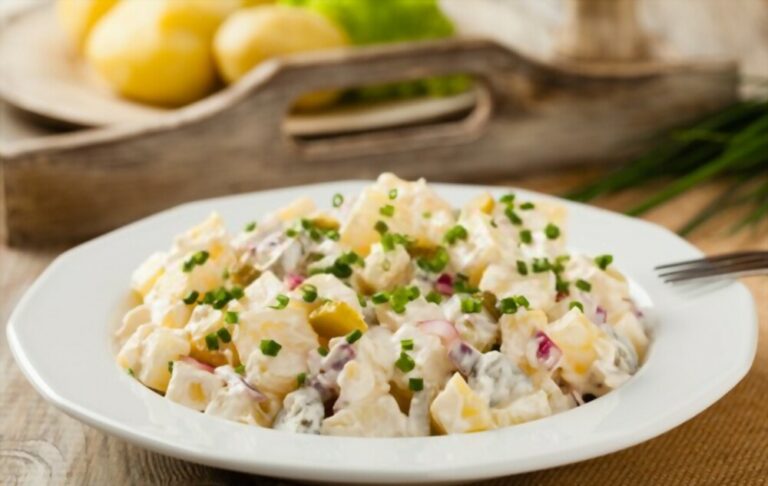
Getting sick of boring tasteless diet recipes but don’t want to compromise with your diet? Then try potato salad!
Potato salad is healthy, especially a good choice for you in the summer for short runs, as it helps to improve the immune system and bowel health. In the process, it also helps you to lose weight. But if you eat potato salad continuously, it may bring out some negative impacts.
Nutrition is good, but overnutrition is not good at all. As you know, a cup of potato salad contains more than 357 calories and 20.5 gm fat. Additionally, it slows down the metabolism a little bit.
So, if you want a healthy diet for a short run, try potato salad!
5 Ways Potato Salad Healthy for You
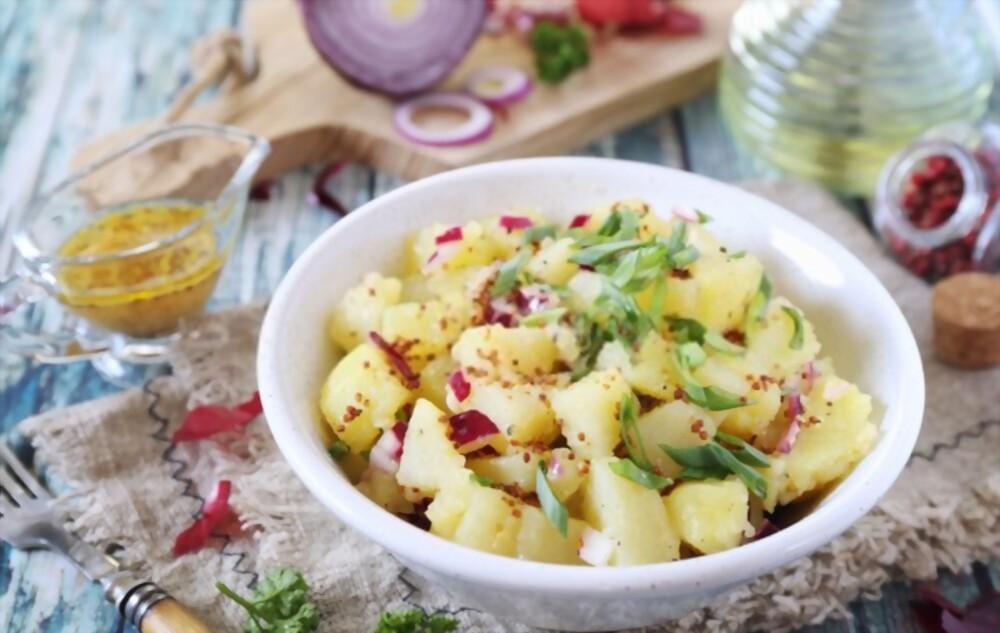
If you are looking for a heart healthy diet, then you are in the right place! Potato salad can be healthy for you in many aspects. How?
Well, let’s get into more details then.
Rich in Vitamins
Potatoes are not only rich in potassium and fiber but also packed with lots of healthy vitamins and minerals such as fiber, folate, vitamin B, vitamin C, and so on.
So, basically potassium helps to regulate fluid balance, nerve signals, and muscle contractions. Not only that but also it protects you against stroke and prevents kidney stones.
In addition, folate helps in metabolism where Vitamin C is responsible for growth and repairing of the body tissues.
On top of that, Vitamin B is needed in cellular functions of your body such as breaking down the carbohydrates and transporting the required nutrients throughout your body.
Not only that but also it keeps your brain running properly without any issues!
Controls Blood Pressure and Lowers Cholesterol
The potassium of potatoes especially helps you to control your blood pressure and the fiber can help to lower your cholesterol.
For example, fiber helps to digest food and keeps blood cholesterol levels in check. Potassium helps your heartbeat to stay regular. Not only that but also it moves nutrients into cells and water out of cells.
On top of that, if you want to reduce the harmful effects of sodium on your body, then potassium can help too!
So, if you are suffering from a high cholesterol issue, then it can be a great solution for you!
Improves Blood Circulation
Not only that, but also potatoes have niacin that can convert your consumed food into fuel and improves your overall blood circulation.
On top of that, niacin helps to lower cholesterol and boosts brain function.
If you are lethargic and always worried about your tiredness, then try eating potato salad to keep yourself energized the whole day long!
A Great Source of Energy
In addition, carbohydrates are a great source of energy to keep you going for the day long. If you eat a salad of small potatoes, then you can get around 110 calories.
Basically you need carbohydrates as a main source of energy that helps to fuel your brain, heart muscles, central nervous system, and kidneys.
On top of that, from each gram of carbohydrates, you can get around 4 calories. Cool, right?
When your body gets carbohydrates from any food, it breaks down into glucose. You mainly get the energy for your brain and muscles from glucose.
Provides Extra Calories
If you use any other condiments like cheese, sour cream, butter, salt, then the calories will increase and you will get extra fat and sodium.
For your body to function properly, you must need calories that can absorb energy from your consumed food and drink.
When you eat and drink, your body stores the excess calories as body fat. So, if you are looking for extra calories or want to gain weight, then it might be a good choice for you!
However, if you want to maintain an average calorie a day (2500 kcal), then be careful on your diet!
Now, let’s show how much nutrition a cup of potato salad (250 gm) contains!
| Nutritional Components | Amounts |
| Calories | 358 kcal |
| Fat | 12 gm |
| Saturated Fat | 3.6 gm |
| Polyunsaturated Fat | 9.3 gm |
| Monounsaturated Fat | 6.2 gm |
| Cholesterol | 170 mg |
| Sodium | 1323 mg |
| Potassium | 635 mg |
| Carbohydrates | 28 gm |
| Dietary Fiber | 3.3 gm |
| Protein | 6.7 gm |
| Vitamin A | 392.5 IU |
| Vitamin C | 25 mg |
| Calcium | 47.5 mg |
| Iron | 1.62 mg |
| Magnesium | 37.5 mg |
| Folate | 17.5 mcg |
| Phosphorus | 130 mg |
| Zinc | 0.78 mg |
| Copper | 0.3 mg |
| Manganese | 0.25 mg |
| Selenium | 10.25 mcg |
| Retinol | 72.5 mcg |
| Beta-Carotene | 90 mcg |
| Thiamin | 0.19 mg |
| Riboflavin | 0.15 mg |
| Niacin | 2.22 mg |
| Pantothenic Acid | 1.34 mg |
| Vitamin B-6 | 0.35 mg |
| Vitamin B-12 | 0 mcg |
Also read:
Is Mac and Cheese Healthy? Calories, Nutrition, and a Awesome Recipe
What Potatoes are Best for Potato Salad?
As you already know, potato salad tends to get mushy. So, if you want your salad from falling apart, then use the best potatoes. Now you might be wondering which are the best ones for Potato Salad?
Well, let me tell you then!
Waxy Potatoes
In the case of avoiding mushy potato salad and experiencing a classic potato salad, avoid russet potatoes and use waxy textured potato instead, like the fingerlings, Yukon gold, red potatoes or new potatoes.
They will not only offer a creamy texture in the salad, but also provide low starch and high moisture.
Now, make sure that you are buying the ripe ones because they are going to give you a smooth, firm texture. So, ensure that you are not buying the sprouted ones!
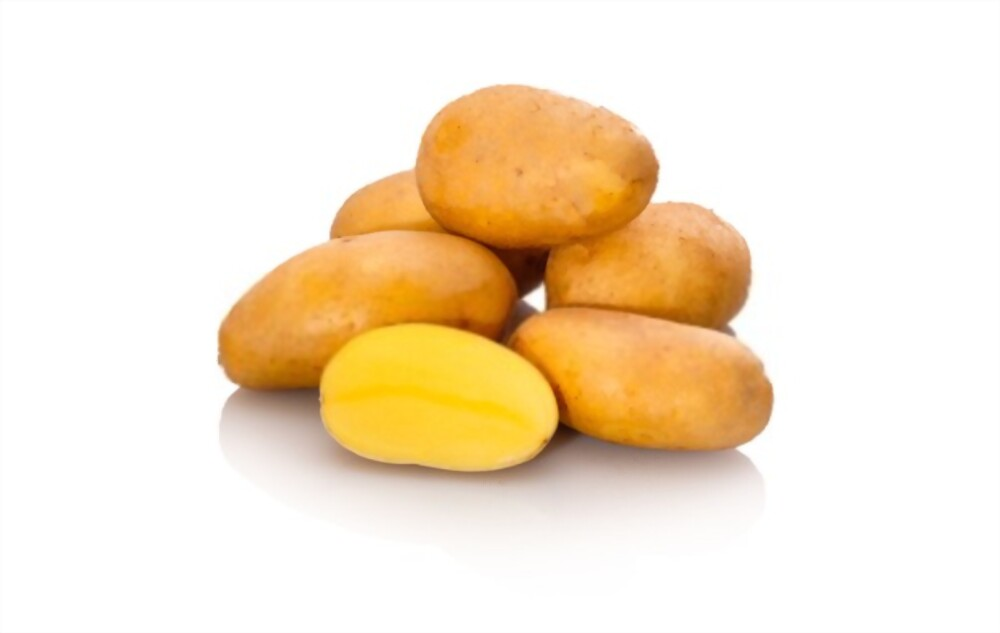
By using waxy potatoes, you will be able to experience the taste of a classic potato salad. But do use the potatoes without peeling to have the smooth texture and shape.
When you are making a classic potato salad, don’t cook for a longer period. After that, you will get firm and crunchy potatoes.
However, if you cook for too long, then you will get the mushy ones which might not be a classic combination.
So, make sure your potatoes are soft, tender and creamy if you want to have a classic potato salad.
All-Purpose Potatoes
If you are looking for a potato with medium starch and moisture, then ‘Goldilocks’ might be one of the good choices!
This type of potato provides a perfect balance of texture that can go along with any potato dish.
Basically, if you are craving potato salad but only have simple potatoes at home, then you can still make a simple yet delicious combination of potato salad.

In this case, Yukon Gold, Purple Majesty, and All Blue might be perfect!
Starchy Potatoes
Potatoes with high starch content and low in moisture will give you a super absorbent taste in salad. They tend to soak up the other ingredients and fall apart while you are cooking them. So, if you are looking for a mushy potato salad, then this is it!
Apart from that, you can use it for mashing and creamy potato salad as well. So, if you are making salad for your babies or your aged parents, then this might be a good choice!

In this case, Russet potatoes, Idaho potatoes, and sweet potatoes variations will do the trick!
Now let’s see the nutritional components of some of the classic variations of potatoes for a perfect potato salad recipe!
| Nutritional Components | Red Potato | Yukon Gold | Fingerlings |
| Calories | 70 kcal | 74 kcal | 110 kcal |
| Protein | 1.89 gm | 2.03 gm | 3 gm |
| Carbohydrates | 15.9 gm | 17.5 gm | 26 gm |
| Fiber | 1.7 gm | 1.4 gm | 2 gm |
| Fat | 0.14 gm | 0.05 gm | 0 gm |
| Sugar | 1.29 gm | 0.68 gm | 1 gm |
| Vitamin A | 0 IU | 0 IU | 0 mcg |
| Beta-Carotene | 0 mcg | 0 mcg | – |
| Vitamin C | 8.6 mg | 18.2 mg | 27 mg |
| Vitamin B6 | 0.17 mg | 0.13 mg | 0.2 mg |
| Vitamin B9 (Folate) | 18 mcg | 11 mcg | 24 mcg |
| Vitamin B1 (Thiamin) | 0.08 mg | 0.07 mg | 0.1 mg |
| Vitamin B2 (Riboflavin) | 0.03 mg | 0.02 mg | 0 mg |
| Vitamin B3 (Niacin) | 1.15 mg | 1.08 mg | 1.6 mg |
| Vitamin B5 (Pantothenic Acid) | 0.3 mg | 0.3 mg | – |
| Magnesium | 22 mg | 16 mg | 24 mg |
| Phosphorus | 61 mg | 41 mg | 60 mg |
| Potassium | 455 mg | 419 mg | 620 mg |
| Iron | 0.73 mg | 0.73 mg | 1.1 mg |
| Copper | 0.13 mg | 0.05 mg | 0.1 mg |
| Calcium | 10 mg | 14 mg | 20 mg |
| Zinc | 0.3 mg | 0.2 mg | 0.3 mg |
Related Post:
Are Lean Cuisines Healthy? Secrets Revealed!
3 Easiest and Healthy Potato Salads You Can Make At Home
At this stage, let me show you how you can make 3 healthy and easiest potato salads at home!
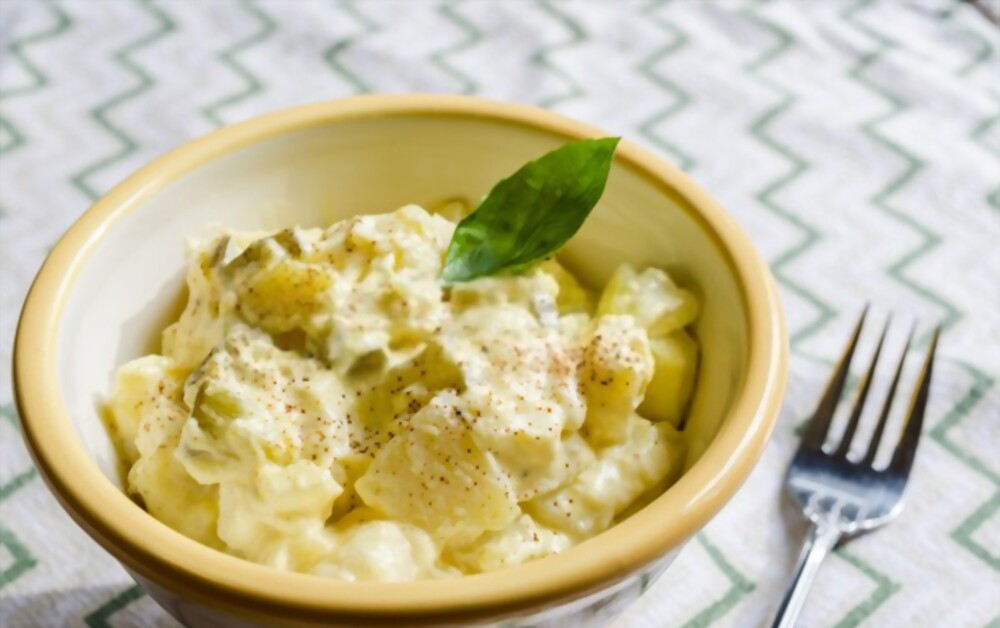
Classic Potato Salad
Having a party next weekend? Then let me tell you first how you can ace your party easily without any hassle.
Classic potato salad is always a crowd pleaser. No matter what occasion, it never dissatisfies anyone!
You will need around 10 mins for prep, 25 mins for cooking, and need to keep the salad in the refrigerator for 2 hours. So altogether you will need 35 minutes.
Ingredients
- Yukon Gold or Red Potatoes (3 Pounds)
- 4 Hard Boiled Eggs
- Mayonnaise (1 Cup)
- Buttermilk (¼ Cup)
- Yellow Mustard (2 tsp) or ½ Dijon
- Minced Dill Pickles (2)
- Splash of Pickle Juice
- Salt
- Pepper
- Chopped Celery (2 Ribs)
- Chopped Red Onion (¼ Cups)
Instructions
- Boil the unpeeled potatoes in a pot. When the water is boiled, lower the heat and simmer for at least 10 to 15 mins.
- Check if the potatoes are fork tender. Then drain the water and cover with a lid to steam the potatoes for another 5 to 10 mins.
- Now, peel the potatoes or cut into ½ inch chunks as you want.
- At this stage, you have to separate the egg yolks and place them in a bowl.
- Now, use a fork and mash the yolks. After that, stir in the buttermilk, pickle juice, salt, pepper, mayonnaise, and mustard.
- Put the dressing over the potatoes and now add the chopped egg whites, pickles, onion, and celery.
- Stir gently and store in the refrigerator for at least a few hours to get the best flavors of classic potato salad!
Potato Egg Salad
Looking for a tasty and healthy combination of salad? Then this potato egg salad might be just for you!
To make this salad, you will need about 10 minutes for prep and 20 minutes to cook. While cooling the potatoes, you will need around 4 hours. So, altogether you will need 4 hours 30 minutes.
Now, let’s move onto more details!
Ingredients
- Any Potato (3 Pounds)
- Water
- Yogurt (1 Cup)
- Mustard (2 tsp)
- Sweet Pickle Relish (2)
- Vinegar
- Salt
- Dill
- Paprika
- Pepper
- Onion (¼ Cup)
- Celery (2 Ribs)
- 4 Hard Boiled Eggs
Instructions
- First, add the potatoes in a pot and boil them on high heat until they are tender. Then drain the waiter and set them aside.
- In the meantime, add yogurt, mustard, sweet pickle relish, vinegar, salt, dill, paprika, and pepper in a large bowl and mix after adding 2 tsp of cold water.
- In the dressing, add onion, celery, potatoes, and 4 hard boiled eggs (peeled and chopped finely) in the dressing. Gently mix them.
- Now, cover the salad and refrigerator for at least 4 hours. If you can keep them for 8-12, then it is even better. Then, serve and enjoy!
- You can even store this salad for up to 5 days without any worries.

Creamy Potato Salad
Want to cook a potato salad for a family gathering? Then why not try creamy potato salad?
Creamy potato salad is not only creamy in texture but also healthy. So, altogether a perfect combination for any family occasion!
Now let’s get into more details!
You will need 15 mins for prep, 20 mins for cooking. Overall, you will need 35 minutes.
Ingredients
- Yellow, red or white potatoes (2 Pounds)
- Apple Cider or wine or rice wine vinegar (1 tsp)
- Sour Cream (½ Cup)
- Mayonnaise (¼ Cup) [You can even try the homemade one]
- Yellow Mustard or Dijon or Whole Grain Mustard (1 tsp)
- Finely Chopped Red Onion (½ Cup)
- Celery (½ Cup)
- Chopped Dill Pickle (⅓ Cup)
- 2 Chopped Hard Boiled Eggs (Optional)
- Chopped Parsley or Dill or Chives or Tarragon or Cilantro (¼ Cup)
- Salt
- Fresh Ground Black Pepper
Instructions
- Boil potatoes in a pot after seasoning with salt.
- After boiling, simmer. Cook for another 15 to 20 minutes until they are fork tender.
- Prepare an ice bath. Drain the potatoes and place them in the bath.
- When they are cold, peel them and gently chop them into bite-sized chunks.
- Add to a large bowl and put vinegar and salt to taste.
- Meanwhile, add the onions in a bowl and cover with cold water for at least 10 minutes to tone down the raw flavor. Then rinse properly.
- Now, at this stage, stir the mayonnaise, mustard, and sour cream in a bowl.
- Add the mixture, onions, pickles, eggs, celery, and herbs to the potatoes.
- Gently stir and don’t mash too much.
- You can also season it with salt and pepper.
- Store in the refrigerator for at least 30 minutes to get the best taste.
Potato Salad Nutrition Facts [1 Cup]
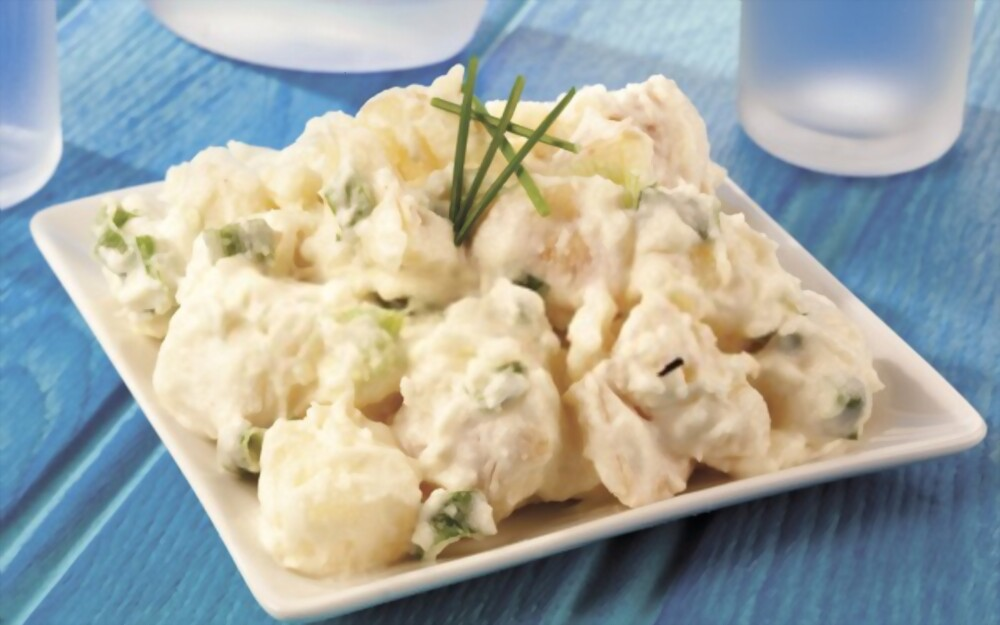
Now you know all about how to make a cup of healthy potato salad without any unhealthy dressing like mayo, cheese or something like that.
So you might be wondering will this salad contain those healthy nutrients that you are looking for? See it for yourself!
| Nutritional Components | Amounts |
| Serving Size | 1 cup |
| Protein | 12.4 gm |
| Cholesterol | 41 mg |
| Fiber | 2.3 mg |
| Iron | 1 mg |
| Calories | 180 kcal |
| Fat | 1.4 gm |
| Sodium | 203 gm |
| Sugar | 9.2 gm |
| Carbohydrates | 30.6 gm |
| Saturated Fat | 0.4 gm |
| Potassium | 507 mg |
| Calcium | 122 mg |
Other Health Benefits of Potato Salad
As I have already told you that potato salads are packed with so many healthy nutrients, they are a great source of energy for you.
Apart from that, they keep you full for longer and also naturally gluten free. Therefore, reduces joint pain, depression, and improves bone health.
The antioxidants in potato salads help to lower the risk of heart disease and cancer. Not only that but it also improves blood sugar control.
So, considering all of these, if you are eating potato salad, then you are getting a versatile combination of deliciousness and improving your health. Awesome, right?
Is Potato Salad Healthy for Weight Loss?
Now you know what type of potato you should choose for your potato salad.
So you might be thinking which type of potato salad is gonna be healthy for you or going to help you to lose some weight!
Well, you can try lots of different potato salad recipes but will those be healthy?
On that point, let me tell you that, if you want a healthy weight-loss potato salad, you must remember not to add any unhealthy condiments in it! Confused?
In this stage, I am going to share with you a healthy weight-loss potato salad recipe that is low in fat and also packed with protein.
This will also help you to boost your metabolism in the process. One cup of this will give you 180 calories and 12.4 gm protein!
Potato Salad Ingredients
Before buying the required ingredients, make sure to buy them fresh without any dilly-dallying!
Because what makes this potato salad different from others is the flavorful packed dressing. The added flavor punches up the amazing combination of ingredients into this salad and provides low calories, low fat and high protein.
Now, let’s move onto the ingredients for a cup of potato salad (180 calories)!
- Potatoes (5 pounds, bite-sized)
- Greek Yogurt (2 cups)
- Yellow Mustard (2 tsp)
- Sweet Pickle Relish (1 cup)
- Salt (1 tsp)
- Apple Cider Vinegar (1 tsp)
- Dill (1 tsp)
- Paprika (½ tsp)
- Pepper (½ tsp)
- Celery (3 sticks, diced)
- Red Onion (½ , diced)
FAQs
What’s a good substitute for Potato Salad?
If you are looking for an alternative to potato salad, then try vegetable salad!
You can try lots of seasonal vegetables to make your own healthy recipe. For example, you can use cauliflower that has low carbs and you can easily use it as a substitute for potatoes.
Does potato salad raise your blood sugar?
Potatoes tend to raise your blood sugar level.
When you potato salad, then it breaks down the carbs into simple sugars and those flow into your bloodstream freely.
So, if you want to avoid this type of spike in blood sugar level, do avoid eating potato salads.
Can my baby eat potato salad?
If your baby is over 9 months, then you can feed your baby potato salad without any worries!
However, do remember to avoid any unhealthy stuff while making potato salad for babies like extra mayonnaise, sour cream, or cheese. They might not be able to digest it then.
Is Potato Salad Healthy for Diabetics?
If you are a diabetic patient, then you can eat potato salad but do remember to avoid mayonnaise or to add toppings that are low fat and low sugar. Apart from that, eat any salad in moderation to maintain your daily diet.
Is Potato Salad Healthy During Pregnancy?
If you are pregnant, then I suggest you not eat potato salad, be it cold or ready made, bought from the store as you may face the risk of listeria contamination.
However, if you are still craving for potato salad, then prepare at home and eat in moderation!
Wrapping Up
Potato salad is healthy as it keeps you packed with lots of vitamins and minerals. If you want it to be even more healthy, then use less unhealthy dressing.
Apart from that, if you are a diabetic patient or constantly suffering from high blood pressure, then eat in moderation or completely avoid eating potato salad.
On top of that, if you are pregnant, then store-bought potato salad is a big ‘NO’ for you! Try home-made potato salad instead.
Do let me know in the comment section which type of dressing you like the most!
Related Posts
Subscribe for New Racipies
Get mental health tips, updates, and resources delivered to your inbox.