
Ramp Pesto

Medically reviewed by Christiana George Updated Date: June 8, 2023

Nature a contrarian, I find myself very skeptical of hype. This was the case with boy bands and this was the case with ramps (why boy bands comes to mind, I have no idea. And actually, I did have a small crush on Brian of the Backstreet Boys that I’m now just a teeny bit embarrassed to own up to). With all the hooplah surrounding what’s-just-another-member-of-the-allium-family, I admit, I was pretty disinterested in trying them, especially if it meant fighting over the last few stalks with someone more aggressive than me because they wanted them more than me. Because these guys go fast. Watching them sell at the farmer’s market is like watching a time lapse video.
But being a food blogger is akin to being an investigative journalist, at least in matters of food. You follow all leads, and you don’t hold yourself back from anything. (And yes, I did just make that comparison!) In this case, with a trustworthy source as my lead, I decided to pick up a couple bunches.

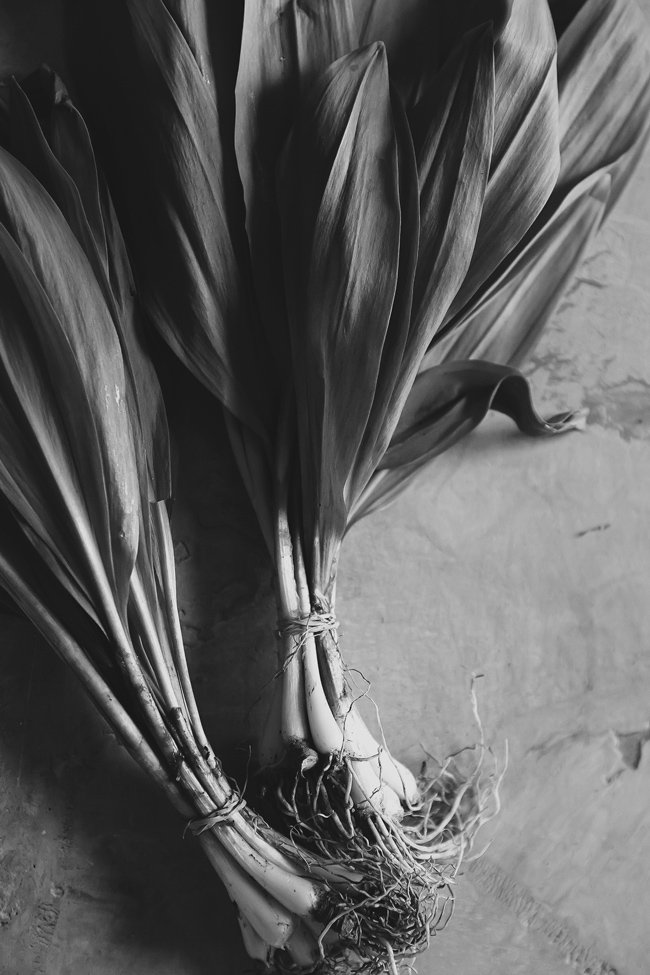
Now, a few facts about ramps that I find remarkable: (as usual, thanks Food52)
1. They’re only found in specific parts of the U.S., namely the Northeast.
2. They’re only in season for something like three weeks each spring.
3. They are almost completely foraged, which means they’re wild, which leads me to the next fact…
4. Ramps take FIVE TO SEVEN YEARS to grow before they’re ready to be harvested. And it can take 18 MONTHS just for them to germinate.
Wow. In that context, it’s easy to understand why people go crazy over them. Although, scarcity doesn’t necessarily imply that they’re any good. But in this case, Carey, you were right! Ramps don’t quite taste like anything else, and they’re wonderful. They’re also extremely pungent. Even before you taste them, you smell them, sharply, overwhelmingly, scented garlic but not raw. They smell like garlic bread, in fact, sort of roasted and intense. They taste so much stronger than their domesticated cousins too. Piquant, kind of like what arugula is to regular greens. They remind me of Chinese leeks, a great favorite of mine growing up that my mom used to scramble with eggs and serve alongside rice porridge (which somewhat made up for the fact that we were forced to eat watery tasteless GRUEL when Mom didn’t feel like cooking. But this is old baggage; I won’t go into it.) Anyway, I highly recommend breath mints.
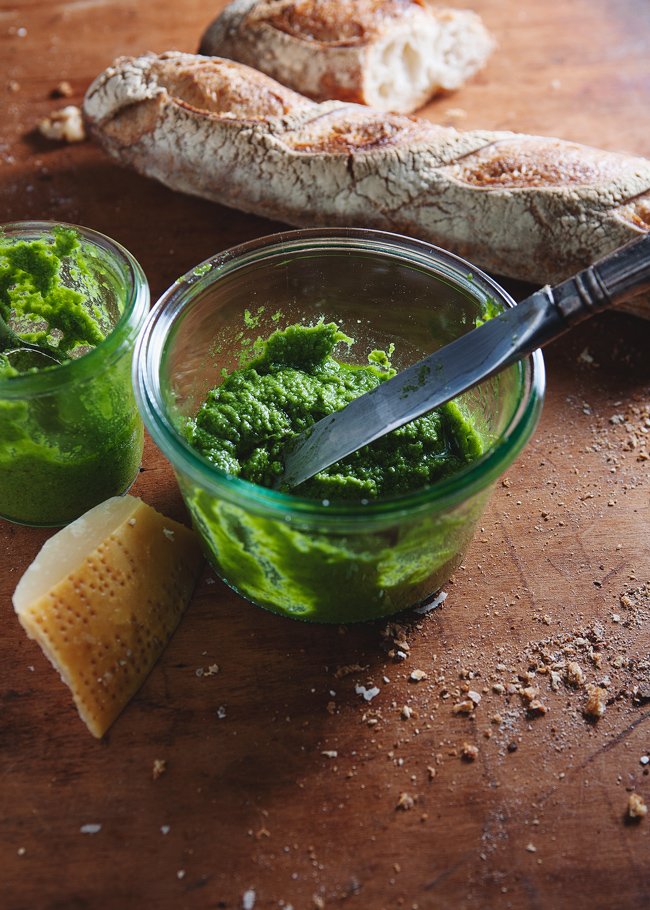
Which is why pesto seemed the perfect food to take advantage of ramp’s rather distinctive qualities. Doesn’t it just sound good? There can’t be a better fate, in my humble opinion. I didn’t have pine nuts lying around, so I used walnuts instead, but besides that, I followed the traditional pesto recipe pretty closely. (Well, I guess the traditional way of making pesto involves a mortar and a pestle, but there were no Italian nonni around to judge.)
I’m only now questioning the color of this pesto. It’s awfully bright and swampy isn’t it? And yet, that was its exact hue when it was first blended. Weird. But it does mature into a darker green after awhile.


RAMP PESTO
Adapted from Food52
Makes around 1/2 cup (I’m completely estimating—I would say it’s enough for topping one medium pizza, serving 2 to 3 with pasta, and feeding quite a few with bread)
Ingredients:
1 bunch of ramps (about 10 stalks)
1/2 cup toasted walnuts
1/2 cup grated Parmesan
1/3 to 1/2 cup olive oil (I used about 1/2 cup)
Salt & pepper
Squirt of lemon
Directions:
Wash the ramps and cut the hairy ends off the bulbs. Roughly chop the leaves and remainder of the bulbs. Also roughly chop the walnuts, then place both the ramps and walnuts in a food processor. Pour in the cheese and start processing, slowly pouring in olive oil until you’ve reached a consistency you like. Taste for salt and pepper, and squirt in some lemon juice to taste.
I would let the pesto sit for a little while, maybe an hour, before eating. The flavors need some time to meld together.
Related Posts






Subscribe for New Racipies
Get mental health tips, updates, and resources delivered to your inbox.
Ricotta, Spinach, and Mushroom filled Crepe

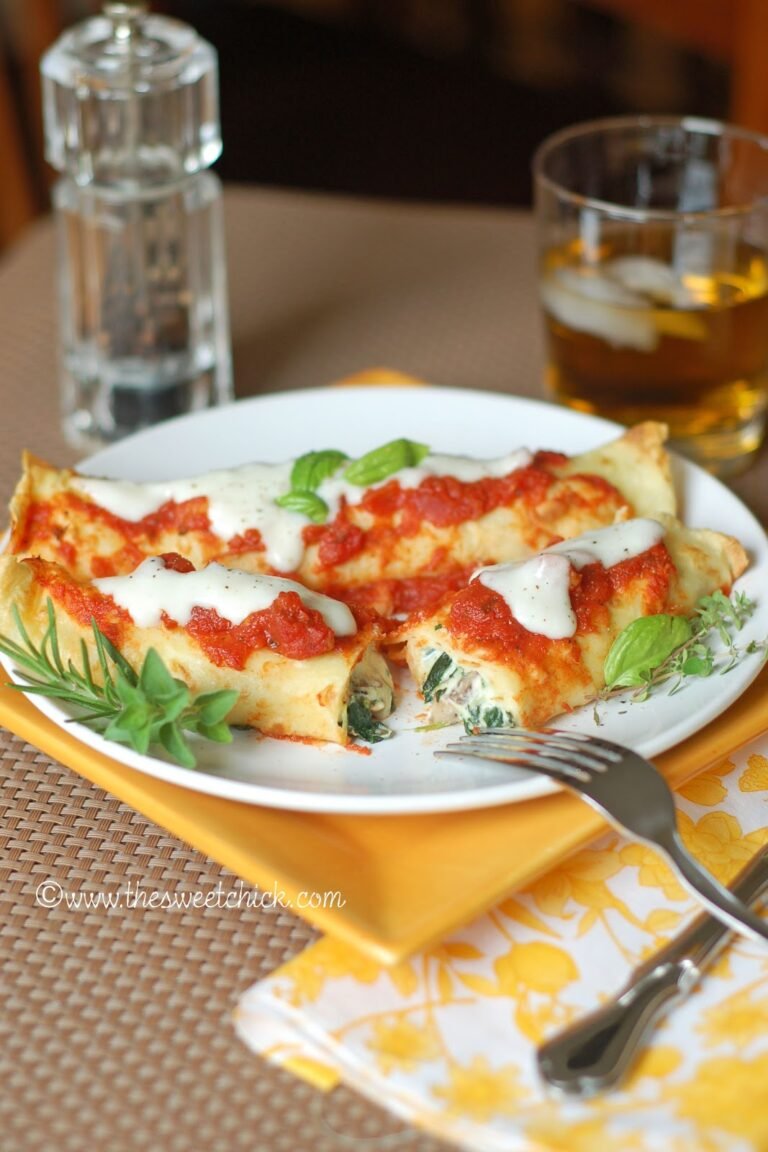

Before meeting my husband’s family, I would never have thought to use crepes for dinner. The crepes my mother made were always topped with maple syrup. That’s the Canadian way.
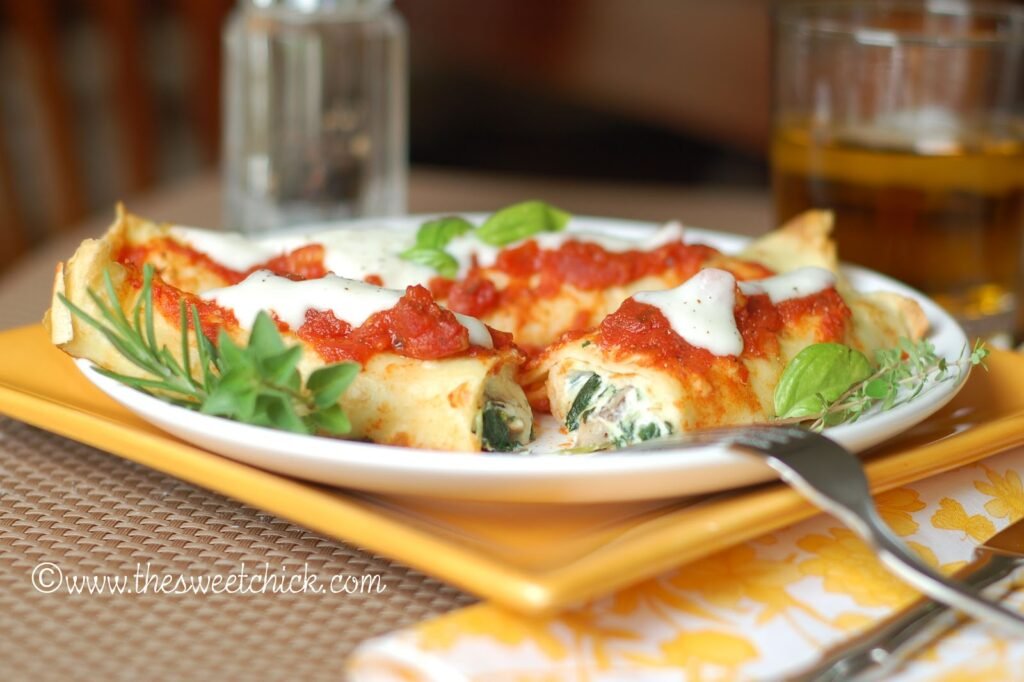
My mother-in-law, who is Argentinian from Italian descent, had different ideas. She would fill crepes with cream of corn, top it with pasta sauce and cheese. My sister-in-law, also Argentinian, would fill them with ricotta like manicotti.
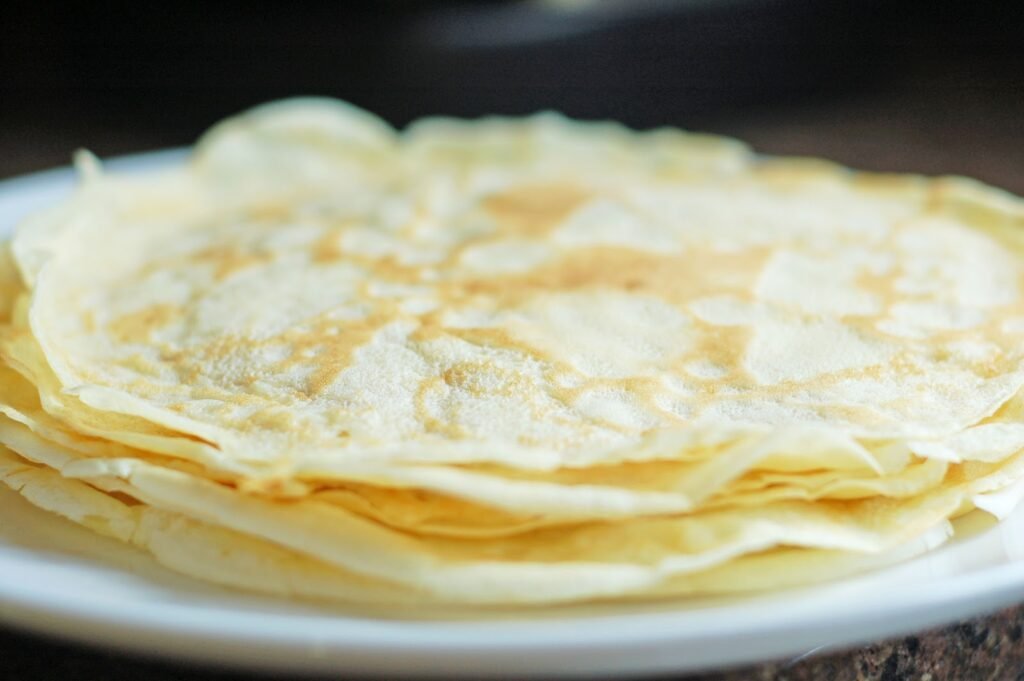
The crepes bring the whole dish to a new level. The slightly sweet flavor of the crepes taste so much better than pasta and they are much easier to fill than manicotti tubes.
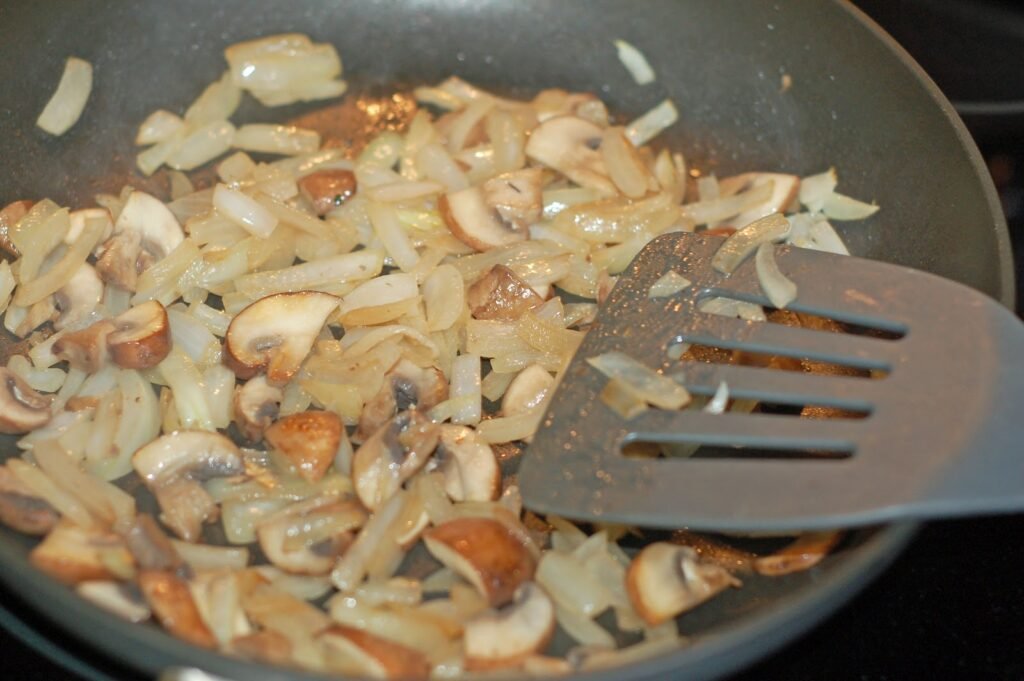
You can make this with just ricotta, spinach and herbs, but I like to add onions and mushrooms. I saute them in some butter until they are brown before adding them to the ricotta mix.
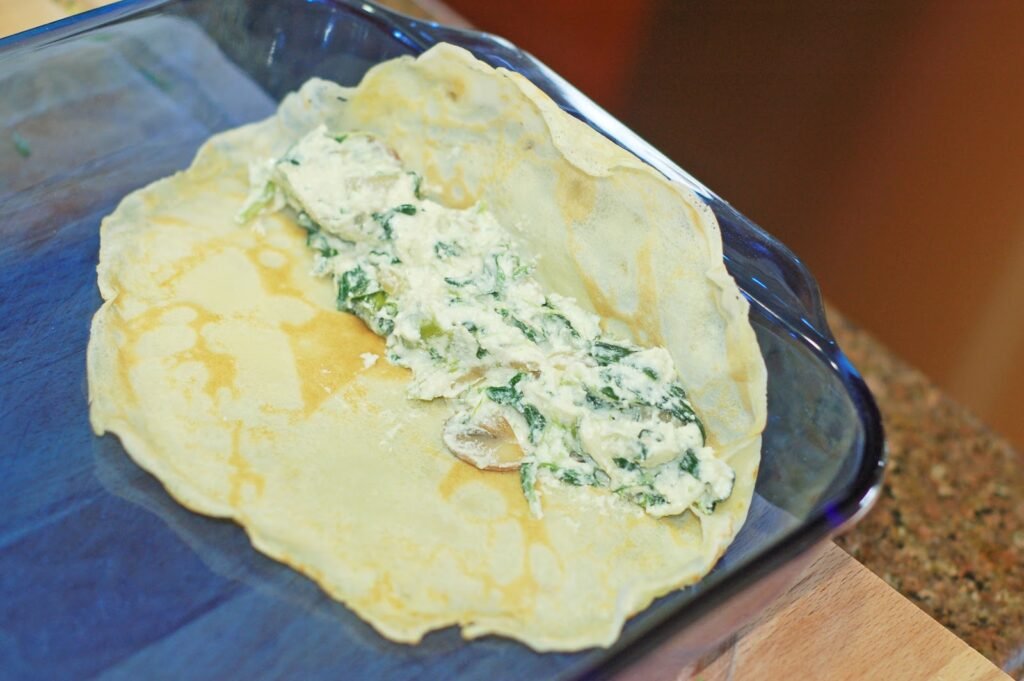
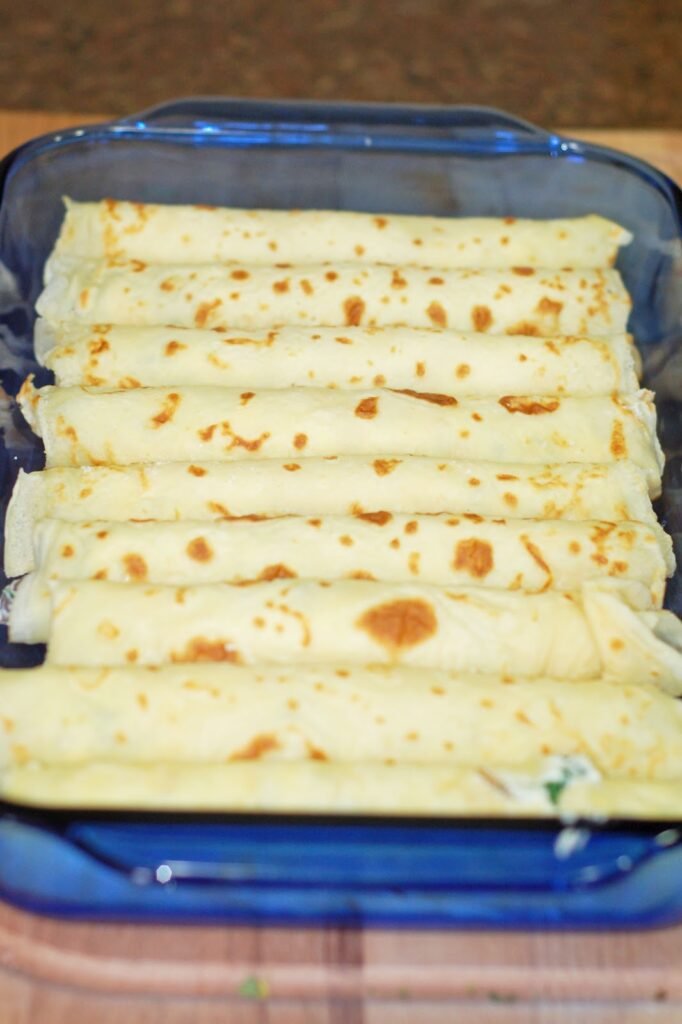
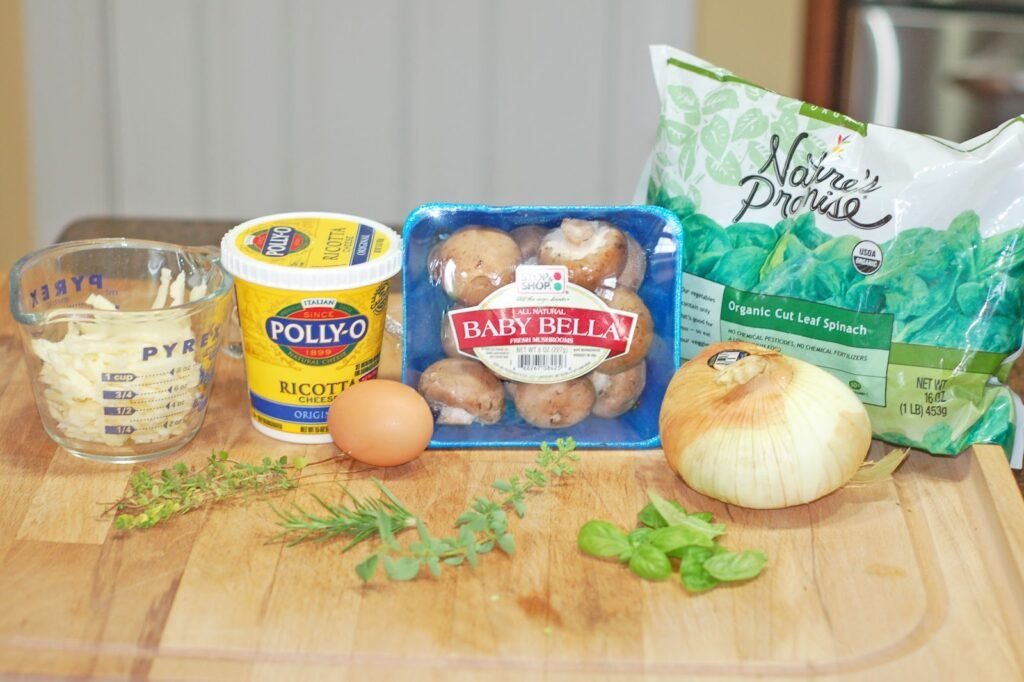
I also used fresh herbs in this recipe since I have had some success this summer with my little herb garden on my deck. But feel free to use dry herbs. Just remember 1 tablespoon fresh herbs = 1 tsp dry herbs.
Now this recipe may take a lot of time, but it is worth it. You can make the crepes ahead of time and keep them in an airtight container in the fridge. I made mine the night before. You can also skip the cheesy white sauce, but I wouldn’t. I think it compliments it well.
Ricotta, Spinach, and Mushroom Filled Crepe
by The Sweet Chick
Prep Time: 30-40 minutes
Cook Time: 20-30 minutes
Keywords: bake entree crepes ricotta spinach mushroom
Ingredients (9 filled crepes)
For the crepes
- 1 1/4 cups milk
- 1 cup all purpose flour
- 1 egg
- 1 tsp vegetable oil
- 1/4 tsp baking powder
For the filling
- 1 cup chopped fresh mushrooms ( I used Baby Bella)
- 1 cup chopped onions
- 1 teaspoon butter/margarine
- 3 cups frozen spinach
- 1 container (8 oz.) ricotta cheese
- 1 egg
- 1/2 cup grated parmesan cheese
- 1 cup shredded cheese (mozzarella, Italian blend, or Swiss)
- 2 tablespoons chopped fresh basil
- 2 tablespoons chopped fresh thyme
- 2 tablespoons chopped fresh oregano
- 1 1/2 teaspoons chopped fresh rosemary
- 1/2 teaspoon salt
- 1/4 teaspoon black pepper
For the red sauce
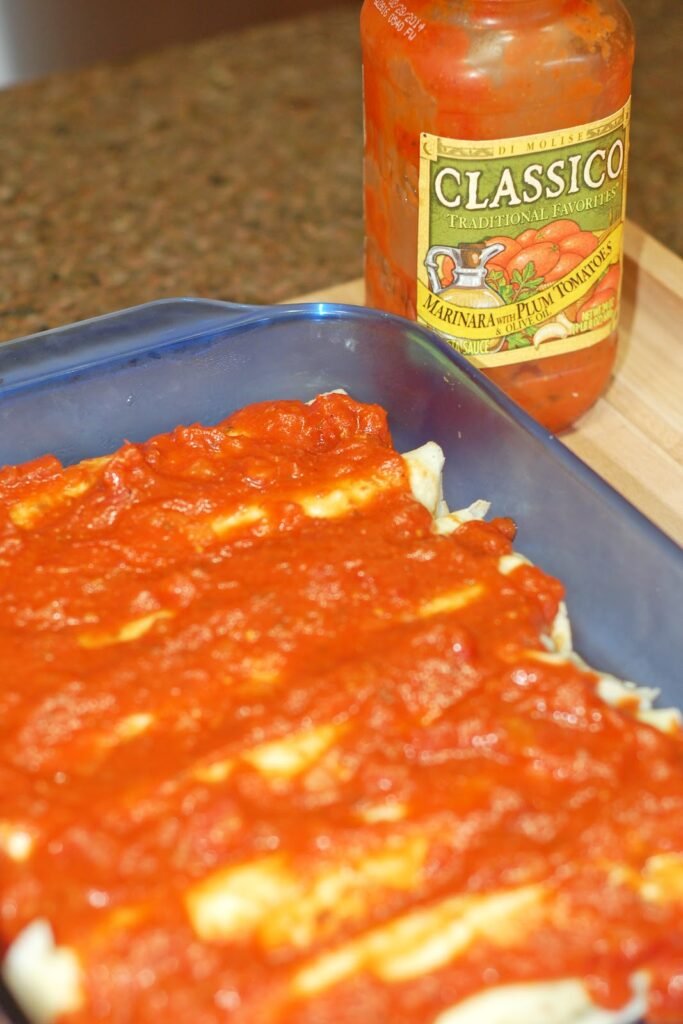
- 1 jar (24 oz.) pasta sauce (I used Classico marina sauce)
For the cheesy white sauce
- 1 cup milk
- 1 tablespoon cornstarch
- 2 tablespoons butter/margarine
- 1/4 teaspoon salt
- 1/8 teaspoon black pepper
- 1/2 cup shredded cheese (mozarella, Italian blend, or Swiss)
Instructions
For the crepes
In a blender or with hand mixer, combine all ingredients. Blend until smooth.
Heat a medium sized nonstick skillet with flared sides over medium-high heat.
Remove from heat. Pour 1/4 cup batter into skillet; lift and tilt the skillet to spread batter evenly across bottom of skillet. Don’t worry if it is not a perfect circle. They will taste just the same.
Return to heat. Cook about 1 minute or until light brown.
Flip crepe with a spatula and cook the other side for about 30 seconds.
Cool crepe on paper towels. Repeat with remaining batter.
For the filling
Heat a nonstick skillet on medium-high and add butter.
Once butter is melted, add onions and mushrooms. Saute until onions are a light golden brown and mushrooms are soft. Set aside.
In a microwaveable container, place the frozen spinach and place in microwave for 2-3 minutes until fully defrosted. Let is cool off.
Once it is cooled off, using a paper towel or a colander, squeeze out as much water as possible from the spinach.
In a medium sized bowl put in the ricotta, egg, parmesan cheese, and shredded cheese. Mix well. Then add the onions, mushroom, and spinach and mix again.
Next add the basil, thyme, oregano, rosemary, salt and pepper. Mix until everything is well blended.
Take a crepe and fill the middle with about 3 tablespoons of the filling. Roll up the crepe like a tube and place in a 9 x 13 glass Pyrex dish. Repeat with the remaining crepes.
For the red sauce
Set oven for 350º F.
Once all filled crepes are in the dish, pour the entire jar of pasta sauce over the crepes. With the back of a large spoon, spread the sauce evenly over all the crepes. Place uncovered dish in oven and bake for 20-30 minutes or until the sauce starts to bubble.
For the cheesy white sauce
While the crepes are baking, in a small saucepan, combine milk and cornstarch and stir until dissolved. Add butter/margarine, salt and pepper.
Bring to a boil, then simmer on medium heat for 1 minute stirring constantly.
Slowly add shredded cheese and whisk until all cheese is melted and sauce is smooth.
Then remove from heat, cover and set aside.
Once crepes are done baking, serve on a plate and pour a little (or a lot) white sauce over the crepes.
You can add some fresh crushed black pepper or grated parmesan on top. Voila, done. Enjoy!
Note
If you want to use dried herbs, just remember 1 tablespoon fresh herbs = 1 teaspoon dried herbs.
Update : This recipe was featured on Yummly.
Related Posts
Subscribe for New Racipies
Get mental health tips, updates, and resources delivered to your inbox.