
Caponata, And the Rainstorm of Rainstorms

Medically reviewed by Christiana George Updated Date: June 8, 2023

Remember how I said that I’d rekindled my love for eggplant? Well, part of that was helped along by some amazing caponata—an Italian eggplant appetizer—I had one tempestuous evening at a little Italian restaurant close to Lincoln Center.
There’s something so glamorous about dining al fresco during a storm. While many restaurant patrons made for drier parts, namely indoors, our table staunchly remained, seated at the threshold of getting absolutely drenched. Lightning streaked spectacularly across the sky, sideways(!), followed by the low rumbling of thunder. And the light of passing cars, refracted by the rain, shimmered like mirages, except their honking sounded all too real. I will never tire of these dramatic shows.
But back to that caponata. There we were, seated outside during a thrilling thunderstorm, sheets of rain spraying at us at oblique angles, and I was downing eggplant like there was no tomorrow. It was so flavorful, so moist! I forgot my manners. I was the only un-glamorous element of the whole setup. At least everyone was distracted by the lightning around us and a leak above one of our heads.
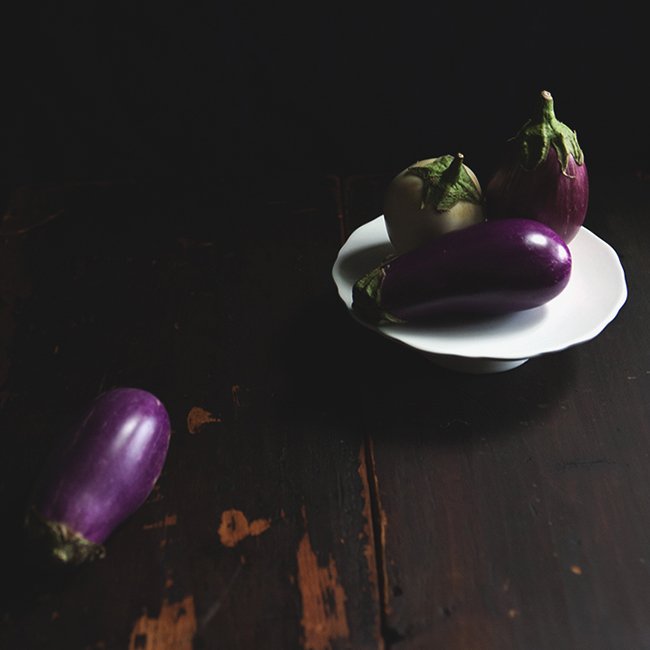
Back at home, I tried to replicate the dish, starting with choice eggplant from the Union Square Greenmarket. I will never tire of the Greenmarket. (But I can’t wait for the damn F train to get fixed so I’m not trudging 12 blocks back to the subway with quickly-wilting plant matter.)

It turns out, there’s no one recipe for caponata. At its base, it’s eggplant cooked until it’s really soft, in a tomato-y sauce. But beyond that, well, just as there are thousands of regional cuisines in Italy, there are endless variations of this classic antipasto.
I stuck with good old pantry staples.

I realize it doesn’t appear wholly appetizing, but please try not to judge it harshly. It does its best. Eggplant just sort of, well, does that wilting thing, where it turns grayish-brown and flaccid, but that doesn’t make it any less lovable. Not to me at least.
And its taste? Well, it’s not the same as what I remember. This caponata didn’t turn out as flavorful or as moist. It’s kind of a different food altogether. Less tang, more… something. I wasn’t sure what to think. But then my friend came over the other night, and we shoveled most of it down. As if there was no tomorrow. I forgot my manners. And I must’ve looked so un-glamorous. But I looked up and saw that she wasn’t noticing, because she was doing the same.

CAPONATA
Serves 6 to 8
From Bon Appetit
Ingredients:
5 Tbsp olive oil
1-1/2 pound eggplant, unpeeled, cut into 1/2 inch cubes
1 medium onion, cubed
4 large garlic cloves, chopped
1 14-1/2 ounce can diced tomatoes with Italian seasonings in juice
3 Tbsp red wine vinegar
2 Tbsp drained capers
1/3 cup chopped fresh basil
Toasted pine nuts
Directions:
Heat oil in heavy large pot over medium heat. Add eggplant, onion, and garlic cloves. Saute until eggplant is soft and brown, about 15 minutes. Add diced tomatoes with juice, then red wine vinegar and capers. Cover and simmer until eggplant and onion are very tender, stirring occasionally, about 12 minutes. Season caponata to taste with salt and pepper. Mix in fresh basil. Transfer caponata to serving bowl. Sprinkle with toasted pine nuts.
Related Posts




Subscribe for New Racipies
Get mental health tips, updates, and resources delivered to your inbox.
Is Turmeric Acidic? Turmeric and Acid Reflux

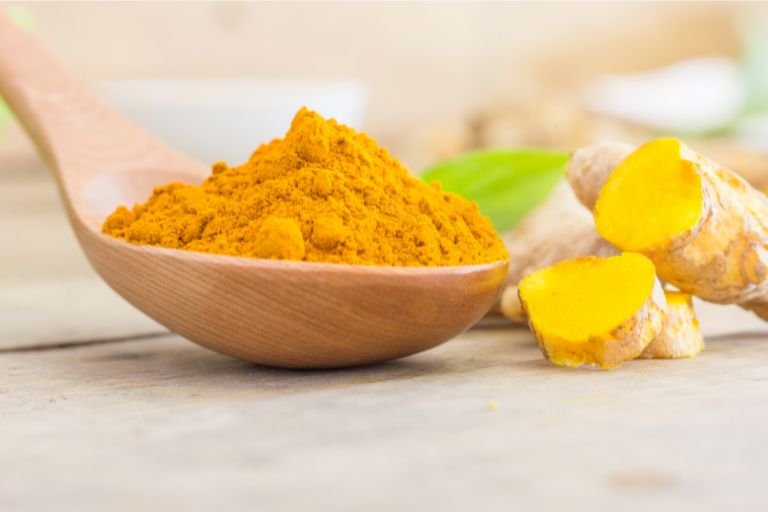
Turmeric, often referred to as the “golden spice,” is renowned for its medicinal properties and extensive culinary applications. From spicing up dishes to serving as a natural remedy for inflammation, turmeric has gained a reputation as a superfood.
However, if you’re someone who suffers from acid reflux or GERD (gastroesophageal reflux disease), you might wonder: “Is turmeric acidic, and can it help or worsen acid reflux?”
The good news is that turmeric is not highly acidic and has a pH level close to neutral. Beyond its neutral pH, turmeric’s active compound, curcumin, is well-documented for its anti-inflammatory and digestive-supporting properties, which can help manage acid reflux symptoms when used correctly.
In this article, we’ll explore turmeric’s pH level, its effects on digestion, and how it can be used safely to alleviate acid reflux.
Is Turmeric Acidic or Alkaline?
Turmeric is slightly acidic to neutral, with a pH level of around 6.0 to 7.0. Unlike foods with high acidity, such as citrus fruits or vinegar, turmeric’s pH level makes it less likely to aggravate acid reflux symptoms. In fact, turmeric is often used to balance the digestive system due to its soothing properties.
What makes turmeric unique is that it acts as an alkalizing agent once metabolized by the body, which means it can help neutralize excess stomach acid. This alkalizing effect makes turmeric a valuable addition to the diet for those managing GERD or other acid-related digestive issues.
Related to Read: Is Black Pepper Acidic?
Nutritional Profile and Benefits of Turmeric
Turmeric is more than just a spice; it’s a nutritional powerhouse with numerous health benefits. Here’s what makes turmeric a standout addition to a reflux-friendly diet:
1. Curcumin: The Star Compound
Turmeric’s active ingredient, curcumin, is a potent anti-inflammatory and antioxidant compound. It can help reduce inflammation in the esophagus caused by acid reflux and protect the stomach lining from damage.
2. Rich in Antioxidants
Turmeric is loaded with antioxidants that combat free radicals, reduce oxidative stress, and promote overall gut health.
3. Supports Digestive Health
Turmeric is often used as a digestive aid due to its ability to stimulate bile production, which helps break down fats and promote smoother digestion.
4. Anti-Inflammatory Properties
Chronic acid reflux can lead to inflammation of the esophagus. Turmeric’s anti-inflammatory effects can help soothe this irritation and support the healing process.
5. Natural Antimicrobial
Turmeric has natural antimicrobial properties that can help maintain a healthy gut microbiome by reducing harmful bacteria while promoting beneficial bacteria.
6. Low Caloric Content
Turmeric is low in calories and free of fat, making it a safe and lightweight addition to most diets.
Can Turmeric Help with Acid Reflux?
Turmeric can be beneficial for individuals with acid reflux when consumed in moderation and as part of a balanced diet. Here’s how it may help:
1. Reduces Inflammation
Acid reflux often leads to inflammation of the esophagus. The curcumin in turmeric helps reduce this inflammation, alleviating symptoms like heartburn and discomfort.
2. Soothes the Stomach Lining
Turmeric’s ability to protect the stomach lining can help prevent irritation caused by stomach acid, reducing the severity of reflux symptoms.
3. Promotes Healthy Digestion
By stimulating bile production and supporting the digestive process, turmeric can help reduce bloating and indigestion, which are common reflux triggers.
4. Fights Oxidative Stress
The antioxidants in turmeric protect the esophagus and stomach from oxidative stress caused by acid exposure, promoting tissue repair and overall gut health.
Caution with Excessive Use
While turmeric is generally safe, consuming it in excessive amounts or in concentrated forms (such as supplements) can irritate the stomach lining in some individuals, potentially worsening reflux symptoms. It’s always best to start with small amounts and monitor how your body reacts.
How to Use Turmeric Safely for Acid Reflux Relief?
To reap the benefits of turmeric without aggravating acid reflux, it’s important to use it correctly. Here are some tips:
- Start Small
Begin with small amounts of turmeric (about 1/4 to 1/2 teaspoon) in your meals and gradually increase as tolerated. - Avoid Spicy Combinations
Combining turmeric with spicy foods like chili powder can irritate the stomach. Stick to mild recipes. - Pair with Black Pepper
Adding a pinch of black pepper enhances the absorption of curcumin, making turmeric more effective. However, if you’re sensitive to black pepper, use caution, as it can also trigger reflux in some people. - Consume with Fat
Curcumin is fat-soluble, so consuming turmeric with healthy fats like olive oil, avocado, or coconut milk can improve absorption. - Opt for Golden Milk
Turmeric milk (also called golden milk) is a popular way to consume turmeric. Use almond or oat milk as a base to keep it reflux-friendly. - Avoid Concentrated Supplements
Unless advised by a healthcare provider, avoid high-dose turmeric supplements, as they can irritate the stomach in some individuals.
Turmeric Recipes for Reflux Management
Here are some simple and reflux-friendly ways to incorporate turmeric into your diet:
1. Turmeric Golden Milk
Ingredients:
- 1 cup almond or oat milk
- 1/2 teaspoon turmeric powder
- 1/4 teaspoon cinnamon (optional)
- 1/2 teaspoon honey (optional)
Instructions:
- Heat the milk in a saucepan.
- Stir in turmeric and cinnamon.
- Sweeten with honey if desired.
- Drink warm, preferably before bed, to soothe reflux symptoms.
2. Turmeric Rice
Ingredients:
- 1 cup cooked basmati rice
- 1/2 teaspoon turmeric powder
- 1 teaspoon olive oil
Instructions:
- Mix turmeric into the cooked rice.
- Drizzle with olive oil for a light, flavorful dish.
Related to Read: Is Saffron Rice Acidic?
3. Turmeric Smoothie
Ingredients:
- 1 banana
- 1/2 teaspoon turmeric powder
- 1/2 cup almond milk
- 1/4 teaspoon ginger (optional)
Instructions:
- Blend all ingredients until smooth.
- Serve as a refreshing and reflux-friendly snack.
Frequently Asked Questions About Turmeric and Acid Reflux
1. Is turmeric good for acid reflux?
Yes, turmeric can help manage acid reflux due to its anti-inflammatory and digestive-supporting properties.
2. Can turmeric worsen acid reflux?
In rare cases, excessive consumption of turmeric or concentrated supplements may irritate the stomach lining, worsening reflux symptoms. Always use turmeric in moderation.
3. Is turmeric tea safe for GERD?
Turmeric tea is generally safe for GERD sufferers when consumed in small amounts. Avoid adding spicy or acidic ingredients like lemon.
4. Can turmeric replace medications for acid reflux?
While turmeric can help manage symptoms, it should not replace medications prescribed by your doctor. Always consult a healthcare professional for personalized advice.
5. Are turmeric supplements safe for acid reflux sufferers?
High-dose turmeric supplements may irritate the stomach in some individuals. It’s best to stick to culinary turmeric unless recommended by a healthcare provider.
Final Thoughts
Turmeric is a slightly acidic to neutral spice with powerful anti-inflammatory and antioxidant properties that make it beneficial for managing acid reflux. When used in moderation and paired with reflux-friendly foods, turmeric can help soothe the esophagus, reduce inflammation, and promote healthy digestion.
Whether you’re sipping on turmeric tea, enjoying golden milk, or adding it to your favorite dishes, turmeric is a versatile and natural way to support digestive health.
However, always listen to your body and consult a healthcare professional if you’re unsure about incorporating turmeric into your acid reflux management plan.
Related Posts




Subscribe for New Racipies
Get mental health tips, updates, and resources delivered to your inbox.