
Moonshine Marshmallows

Medically reviewed by Christiana George Updated Date: June 8, 2023
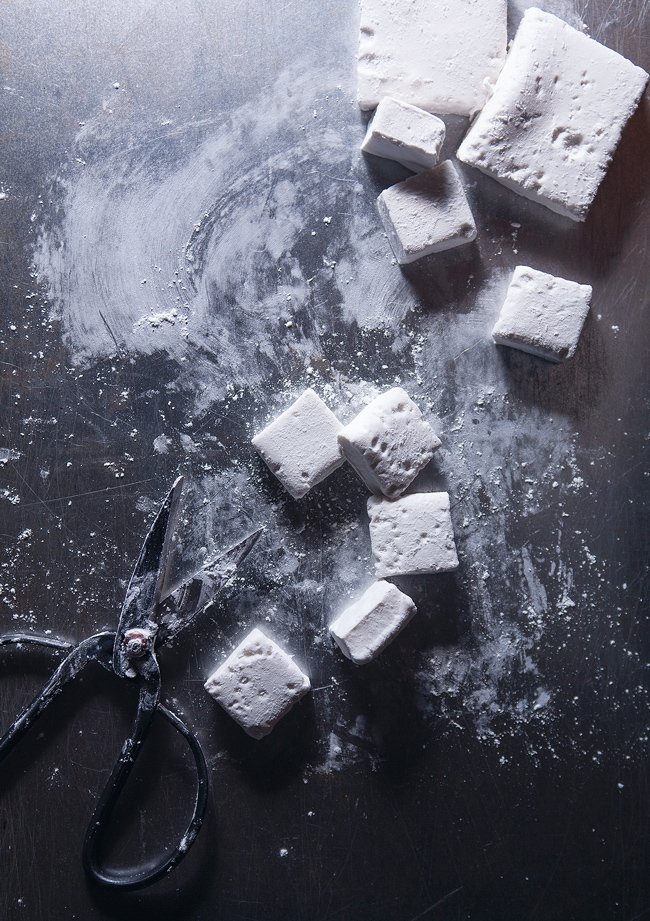
I was originally inspired by the recipe for Blue Bottle Coffee’s moonshine marshmallows, but after making it multiple times, and failing, I finally had to admit defeat. But that doesn’t mean I can’t use the name, now does it? A moonshine marshmallow certainly sounds much more intriguing than a bourbon marshmallow.
This is my first entry for a giftable holiday treat, and a winning one it is at that. These marshmallows look adorable, feel as soft as, no, wait, softer than pillows, and taste incredibly luscious.
Imagine creamy hot chocolate spiked with bourbon marshmallows… perfect for sipping in front of a wood-burning fireplace. Or for those of us who don’t have wood-burning fireplaces, our radiators. Actually, that’s the last place I want to be when it’s on; our apartment is hot enough as it is.
These also taste great in adult-flavored s’mores. (And if you use a 9-inch square baking pan instead of 8-, they cut into perfect-sized squares for the graham crackers.) To toast them, because again, there’s no wood-burning fireplace in my dinky little apartment, I pop them in the toaster oven where they do that funny expansion thing, bubbling and swelling like they’re about to come alive, and let them slowly turn buttery-brown. By then, the s’mores is a hot mess, melted chocolate and gooey marshmallow everywhere. It’s pretty much perfect.
Homemade marshmallows are pretty much perfect.

There’s no need to stick to bourbon. I imagine Bailey’s would work wonderfully. Or kahlua, or anything besides vodka (which doesn’t taste like anything except alcohol). You don’t even have to use alcohol at all—I imagine the recipe would work just as well with water—but what’s the point? Actually, scratch that. I’m not judging. I’m not the biggest fan of alcohol-tasting desserts. (But this one’s different, I swear!)
If you’re going to make substitutions with the sugar, I would advise against maple syrup. It tends to crystallize, and form razor shards. I cut myself on a piece, and it looks and feels like a paper cut. (They’re the worst!) I was initially uncomfortable with the idea of using corn syrup, but David makes a good case for it, and especially after my incident with the the maple syrup, I decided to just swallow my unease and pour it all in. The entire cupful.


MOONSHINE MARSHMALLOWS
Adapted from Epicurious
Makes 16 2×2-inch marshmallows or 64 1×1-inch marshmallows
Ingredients:
- 3 (1/4-ounce) envelopes unflavored gelatine
- 6 Tbsp bourbon, divided
- 1-1/2 cups sugar
- 1 cup light corn syrup
- 1/2 cup + 2 Tbsp water, divided
- 1/4 cup corn starch
- 1/4 cup confectioners sugar
Tools:
candy thermometer
Directions:
Line an 8-inch square baking pan with 2 sheets of parchment paper (completely covering all the edges inside the pan). Lightly oil the sides and bottom of the pan.
In a separate bowl, sift together the corn starch and confectioners sugar. Sift enough of this mixture into the prepared pan to completely and generously cover the bottom. Reserve the remaining cornstarch mixture.
Sprinkle gelatin over 3 Tbsp bourbon and 5 Tbsp water in bowl of mixer and let soften while making syrup.
Stir together sugar, corn syrup, a pinch of salt, the remaining 3 Tbsp bourbon, and the remaining 5 Tbsp water in a medium heavy saucepan (I used a 4-quart saucepan and it barely contained the liquid when it boiled up). Boil over medium heat, without stirring, until candy thermometer registers 238 to 240°F. Remove from heat.
With mixer at low speed, pour hot syrup into gelatin mixture in a slow stream down side of bowl. Increase speed to high and beat until very thick and mixture forms a thick ribbon when beater is lifted, 11 to 13 minutes.
With a lightly oiled spatula, scrape marshmallow into baking pan and smooth the top. Let stand, uncovered, at room temperature until surface is no longer sticky, 2 to 3 hours.
Remove from pan and carefully peel away the parchment paper. Dust the top and all the edges with the remaining corn starch mixture. Using a knife or scissors dusted with the corn starch mixture, cut the marshmallow into whatever shape you’d like. Dust all cut edges with the corn starch mixture to prevent sticking.
These should last for about a week or so, if kept in an airtight container at room temperature. If stacking the marshmallows, line between layers with parchment paper.
Related Posts






Subscribe for New Racipies
Get mental health tips, updates, and resources delivered to your inbox.
Is Cinnamon Acidic? Cinnamon and Acid Reflux

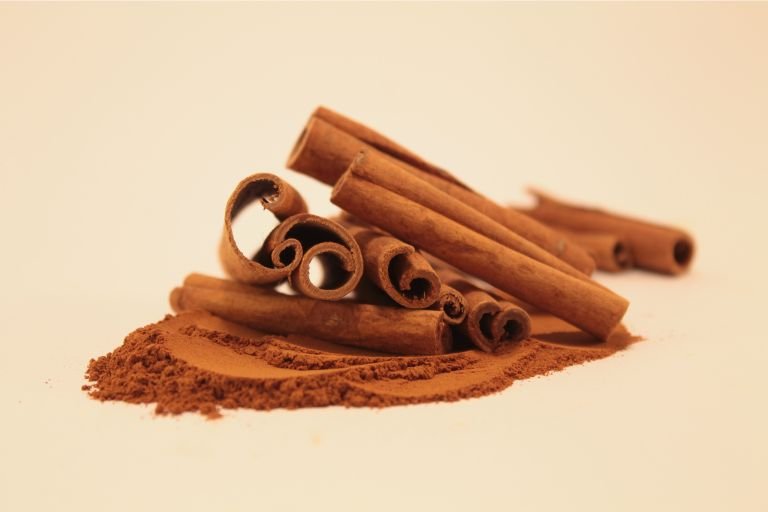
Understanding Cinnamon and Its Role in Acid Reflux
Cinnamon, a popular spice cherished for its warm, aromatic flavor, is a staple in kitchens worldwide. From baked goods to beverages, its versatility is unmatched. But for individuals with acid reflux, the question arises: Is cinnamon acidic, and can it be safely included in a reflux-friendly diet?
In this article, we’ll explore whether cinnamon is acidic, how it affects acid reflux, and the best ways to incorporate it into your diet if you’re prone to reflux symptoms. By understanding its impact, you can enjoy the benefits of cinnamon without discomfort.
What Is Acid Reflux and Why Does It Matter?
What Is Acid Reflux?
Acid reflux occurs when stomach acid flows back into the esophagus, causing irritation and discomfort. This backward flow typically happens when the lower esophageal sphincter (LES)—a muscle that seals off the stomach—weakens or relaxes inappropriately. Common symptoms of acid reflux include:
- Heartburn: A burning sensation in the chest or throat.
- Regurgitation: Sour or bitter-tasting acid backing up into the mouth.
- Bloating and Nausea: Often accompanied by burping or a feeling of fullness.
Chronic acid reflux, known as gastroesophageal reflux disease (GERD), can have more severe implications, such as damage to the esophagus if left untreated.
Why Diet Plays a Crucial Role?
Diet is a cornerstone of acid reflux management. Certain foods can worsen symptoms by:
- Increasing stomach acid production.
- Relaxing the LES.
- Irritating the esophageal lining.
Conversely, choosing reflux-friendly foods can help minimize discomfort and improve quality of life. Let’s examine where cinnamon falls on this spectrum.
Author Tip: 7-Day Meal Plan For Gastritis
Is Cinnamon Acidic or Alkaline?
The pH of Cinnamon
Cinnamon has a neutral to slightly alkaline pH, typically around 7.0-7.5. This means it is not classified as acidic, making it less likely to directly trigger acid reflux symptoms. However, its potential effects on reflux are more complex than just its pH level.
Why Cinnamon May Not Trigger Acid Reflux?
- Low Acidity: As a neutral or slightly alkaline spice, cinnamon is unlikely to irritate the esophagus like highly acidic foods (e.g., citrus or tomatoes).
- Anti-Inflammatory Properties: Cinnamon contains compounds like cinnamaldehyde, which have anti-inflammatory effects that may soothe the digestive system.
- Moderate Usage: When used sparingly, cinnamon rarely causes discomfort, even for those with acid reflux.
When Cinnamon Might Aggravate Acid Reflux?
While cinnamon itself is not acidic, certain factors can make it problematic for acid reflux sufferers:
- Consumption in Large Quantities: Overuse of cinnamon, especially in powdered form, can irritate the stomach lining.
- Pairing with Trigger Foods: Cinnamon is often combined with sugar, chocolate, or high-fat dairy—common reflux triggers.
- Individual Sensitivities: Some individuals may have a unique sensitivity to cinnamon, resulting in discomfort or reflux-like symptoms.
Health Benefits of Cinnamon
Nutritional Value of Cinnamon
Cinnamon is low in calories but packed with antioxidants and beneficial compounds. A teaspoon (2.6 grams) of cinnamon contains:
- Calories: 6
- Fiber: 1.4 grams
- Manganese: 11% of the daily recommended intake
- Calcium: 26 mg
- Potassium: 11 mg
How Cinnamon Supports Digestive Health?
- Anti-Inflammatory Properties: Reduces inflammation in the stomach and digestive tract.
- Antioxidant Power: Protects cells from oxidative stress, which can reduce overall inflammation in the body.
- Supports Metabolism: Cinnamon may help regulate blood sugar levels, promoting metabolic health.
- Promotes Healthy Digestion: Its natural carminative properties can help alleviate gas and bloating.
How Cinnamon Affects Acid Reflux?
Potential Benefits of Cinnamon for Acid Reflux
Following are the potential benefits of cinnamon for acid reflux:
- Soothing the Digestive Tract: The anti-inflammatory properties of cinnamon may provide relief for minor stomach irritation.
- Neutral pH: Being non-acidic, cinnamon does not increase stomach acidity or exacerbate reflux symptoms.
- Natural Flavor Enhancer: Cinnamon can replace acidic flavorings like vinegar or citrus in recipes, making meals more reflux-friendly.
Situations Where Cinnamon May Worsen Symptoms
- High Quantities: Excessive consumption of cinnamon, especially in powdered form, may irritate the stomach lining or esophagus.
- Combination with Triggers: When used in dishes with high-fat or high-acid ingredients, cinnamon may indirectly contribute to reflux.
- Pre-Packaged Products: Cinnamon-flavored snacks, drinks, or desserts often contain other reflux triggers like sugar, caffeine, or artificial additives.
Tips for Consuming Cinnamon Safely
1. Use in Moderation
Stick to small amounts (e.g., a teaspoon) to enjoy the flavor and benefits without risking irritation.
2. Avoid Reflux-Triggering Pairings
Combine cinnamon with reflux-friendly ingredients such as oatmeal, almond milk, or bananas, instead of high-fat or sugary foods.
3. Choose High-Quality Cinnamon
Opt for pure cinnamon (Ceylon cinnamon is preferred) over heavily processed or artificially flavored products.
4. Incorporate Into Alkaline Meals
Add cinnamon to smoothies, herbal teas, or baked goods made with alkaline ingredients to balance your meals.
Reflux-Friendly Alternatives to Cinnamon
If cinnamon doesn’t agree with your digestive system, consider these reflux-friendly alternatives:
- Nutmeg: A milder spice with a slightly sweet flavor.
- Ginger: Known for its anti-inflammatory and digestive benefits, ginger can be a great alternative.
- Cardamom: A fragrant spice that pairs well with both sweet and savory dishes.
- Cloves: Another aromatic spice with soothing properties for digestion.
Explore Cinnamon Recipes: Mini Cinnamon Egg Nog Donuts with an Egg Nog Glaze
Cinnamon Chocolate Cake with Cinnamon Mascarpone Frosting
Apple Cinnamon Raisin Pancakes
Lifestyle Changes to Manage Acid Reflux
1. Adjust Your Eating Habits
- Eat smaller, more frequent meals to avoid overloading the stomach.
- Chew food thoroughly to aid digestion.
2. Avoid Trigger Foods
Limit or eliminate foods that commonly cause reflux, such as fried foods, spicy dishes, and caffeine.
Author Tip: 7 Kinds of Foods to Avoid with GERD
3. Elevate Your Sleeping Position
Sleeping with your head elevated can help prevent nighttime reflux by keeping stomach acid down.
4. Maintain a Healthy Weight
Excess weight puts pressure on the stomach, increasing the likelihood of acid reflux.
Conclusion: Is Cinnamon Safe for Acid Reflux?
Cinnamon is not acidic and is generally safe for individuals with acid reflux when used in moderation. Its neutral pH, anti-inflammatory properties, and versatility make it a valuable addition to a reflux-friendly diet. However, it’s essential to avoid pairing it with trigger foods or consuming it in excessive amounts.
By incorporating cinnamon mindfully, you can enjoy its flavor and health benefits without aggravating reflux symptoms. For personalized dietary advice, always consult a healthcare professional.
FAQs: Cinnamon and Acid Reflux
Q1: Is cinnamon acidic or alkaline?
Cinnamon has a neutral to slightly alkaline pH, making it non-acidic.
Q2: Can cinnamon cause acid reflux?
In small amounts, cinnamon is unlikely to cause acid reflux. However, consuming it in large quantities or pairing it with trigger foods may lead to discomfort.
Q3: Is cinnamon tea good for acid reflux?
Cinnamon tea made with reflux-friendly ingredients like almond milk or water can be soothing and safe for acid reflux.
Q4: What type of cinnamon is best for acid reflux?
Ceylon cinnamon, also known as “true cinnamon,” is considered the best option due to its lower coumarin content.
Q5: What are some reflux-friendly ways to use cinnamon?
Add cinnamon to oatmeal, smoothies, or herbal teas for a safe and flavorful way to include it in your diet.
Related Posts



Subscribe for New Racipies
Get mental health tips, updates, and resources delivered to your inbox.