Nigel Slater’s Brownies
Medically reviewed by Christiana George Updated Date: June 8, 2023
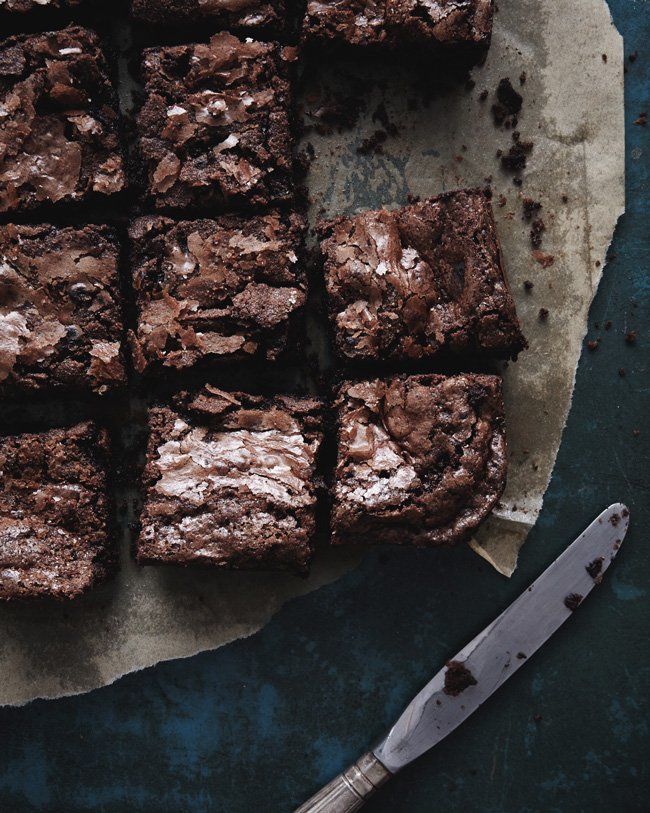
A quick appearance to say: these are the best brownies I’ve ever had.
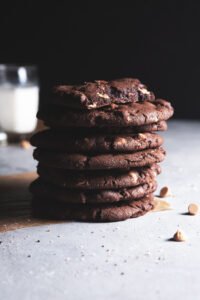
We all have different opinions on the topic, I know, but such are the power of these specimens that they shattered all my notions of what a brownie should be—and I’d been firmly in the cake-y camp, you know?—and replaced them with these burnished beauties.
In Nigel’s words, they’re as “dense and fudgy as Glastonbury Festival mud.” I like that. Why can’t we all try to be that way?


NIGEL SLATER’S BROWNIES
Makes one 9″ square pan
From The Kitchen Diaries
I’m a firm believer in weight measurements these days, and as a consequence, all the volume measurements below are approximate. In other words, I recommend getting a digital scale! It’s tremendously helpful. Also, this recipe is from the UK version of The Kitchen Diaries, hence the metric measurements. But don’t you prefer metric measurements anyway? They’re so reliable.
Ingredients:
- 60 grams (a scant 1/2 cup) all-purpose flour
- 60 grams (1/2 cup) cocoa powder
- 1/2 t baking powder
- 200 grams (1-2/3 cups, roughly chopped) semisweet or bittersweet chocolate
- 300 grams (1-1/2 cups) granulated sugar
- 250 grams (2 4-oz. sticks plus 2 T) unsalted butter, room temperature
- 3 large eggs, plus 1 egg yolk, lightly beaten
Directions:
Line a 9″ square pan with parchment paper. Preheat oven to 350 degrees F. Sift the flour, cocoa powder, and baking powder in a small bowl. Melt the chocolate and set it aside.
In a large bowl, cream the butter and sugar until soft, creamy, and a bit airy. Add the lightly beaten eggs a little at a time, incorporating them fully between each pour. Mix in the melted chocolate. Finally, fold in the flour mixture gently but firmly.
Pour the mixture into the prepared pan, smooth out the top, and bake for about 30-35 minutes. The brownie will be a bit jiggly when it comes out of the oven, but the top should have puffed slightly, and a toothpick stuck through the middle should come out sticky but without raw batter attached.
Cool for an hour, during which the brownie will solidify more fully. Cut into squares and enjoy!
Subscribe for New Racipies
Get mental health tips, updates, and resources delivered to your inbox.
Are Black Olives Acidic? Black Olives and Acid Reflux

When dealing with acid reflux, choosing the right foods can be critical. Black olives, commonly used in Mediterranean dishes and salads, often raise questions about their compatibility with an acid reflux-friendly diet. Are black olives acidic? Let’s dive into the facts and explore whether they are suitable for individuals managing acid reflux.
Are Black Olives Acidic or Alkaline?
Black olives are mildly acidic, with a pH ranging from 3.6 to 4.6, depending on how they are processed and preserved. Despite their acidity, they are generally considered safe for consumption in moderate amounts for most individuals, including those with acid reflux.
The preservation process, which often involves soaking olives in brine or vinegar, contributes to their acidity. However, once digested, black olives are thought to have a neutral to slightly alkaline effect on the body due to their rich mineral content, including magnesium and potassium.
Related to Read: Are Green Olives Acidic?
Acidic vs. Alkaline Foods and Acid Reflux
Acid reflux occurs when stomach acid flows back into the esophagus, causing discomfort and irritation. Choosing foods with alkaline properties can help neutralize excess stomach acid and soothe reflux symptoms. While black olives are not strongly alkaline, their nutritional profile provides several benefits for digestive health.
Author Tip: 7 Kinds of Foods to Avoid with GERD
Black Olives and Acid Reflux: Benefits
1. Rich in Healthy Fats
Black olives are a source of monounsaturated fats, which promote overall gut health. Unlike high-fat processed foods, these healthy fats do not typically trigger acid reflux when consumed in moderation.
2. High in Antioxidants
Black olives contain antioxidants like vitamin E and polyphenols. These compounds have anti-inflammatory properties that can protect the esophagus from irritation caused by acid reflux.
3. Good Source of Minerals
Minerals like magnesium and potassium in black olives help regulate stomach acid production, reducing the risk of reflux episodes.
4. Low in Calories
With approximately 35 calories per 10 olives, black olives are a low-calorie snack that won’t overload the stomach—a common trigger for acid reflux.
Potential Concerns with Black Olives
1. Sodium Content
Many black olives are cured or preserved in brine, which significantly increases their sodium content. High sodium intake can lead to water retention, bloating, and an increased risk of acid reflux. Opt for low-sodium or rinsed olives to reduce this risk.
2. Portion Control
Overeating black olives, like any food, can overload the stomach and increase the chances of acid reflux. Stick to moderate portions.
3. Processing Ingredients
Check for added ingredients like vinegar or spices, which can heighten acidity and potentially aggravate reflux symptoms.
How to Include Black Olives in an Acid Reflux-Friendly Diet?
- Choose Low-Sodium Options
Look for black olives labeled “low-sodium” or rinse regular olives to remove excess salt. - Pair with Alkaline Foods
Combine black olives with alkaline foods like leafy greens, cucumbers, or quinoa for a balanced meal. - Limit Processed Dishes
Avoid black olives in heavily processed dishes like pizza or nachos, as these may include high-fat and acidic ingredients that trigger reflux. - Monitor Your Reaction
Everyone’s body reacts differently. Start with small portions and observe how your body responds before making olives a regular part of your diet.
Author Tip: 7-Day Meal Plan For Gastritis
Black Olive Recipes for Acid Reflux
1. Mediterranean Black Olive Salad
Ingredients:
- 1 cup fresh spinach or arugula
- 10 sliced black olives (low sodium)
- 1/2 cup diced cucumbers
- 1 tbsp olive oil
- A pinch of salt and oregano
Instructions:
Combine all ingredients in a bowl. Toss with olive oil for a refreshing, reflux-friendly salad.
2. Black Olive Hummus
Ingredients:
- 1/2 cup black olives (rinsed)
- 1 cup cooked chickpeas
- 2 tbsp tahini
- 1 tbsp lemon juice
- 1 garlic clove (optional, depending on tolerance)
Instructions:
Blend all ingredients in a food processor until smooth. Serve with cucumber slices or whole-grain crackers
Scientific Evidence Supporting Black Olives and Acid Reflux
- Monounsaturated Fats and Digestion: Studies in the Journal of Gastrointestinal Health highlight that monounsaturated fats, such as those in black olives, improve digestion without exacerbating reflux.
- Anti-Inflammatory Benefits: Research in Nutrients (2021) emphasizes the role of polyphenols in reducing esophageal inflammation caused by reflux.
- Mineral Support: A study in the American Journal of Clinical Nutrition (2019) links magnesium and potassium intake to improved stomach acid regulation.
Final Thoughts
So, are black olives acidic? Yes, but only mildly. Their nutritional benefits, including healthy fats, antioxidants, and essential minerals, make them a potentially reflux-friendly food when consumed in moderation. By choosing low-sodium options and pairing them with alkaline foods, you can enjoy the rich flavor of black olives without aggravating acid reflux symptoms.
If you have specific dietary concerns, consult a healthcare professional or dietitian for personalized guidance. With mindful eating, black olives can be a flavorful and healthy addition to your diet.
Subscribe for New Racipies
Get mental health tips, updates, and resources delivered to your inbox.