
Churro Puff Pastry

Medically reviewed by Christiana George Updated Date: January 6, 2026
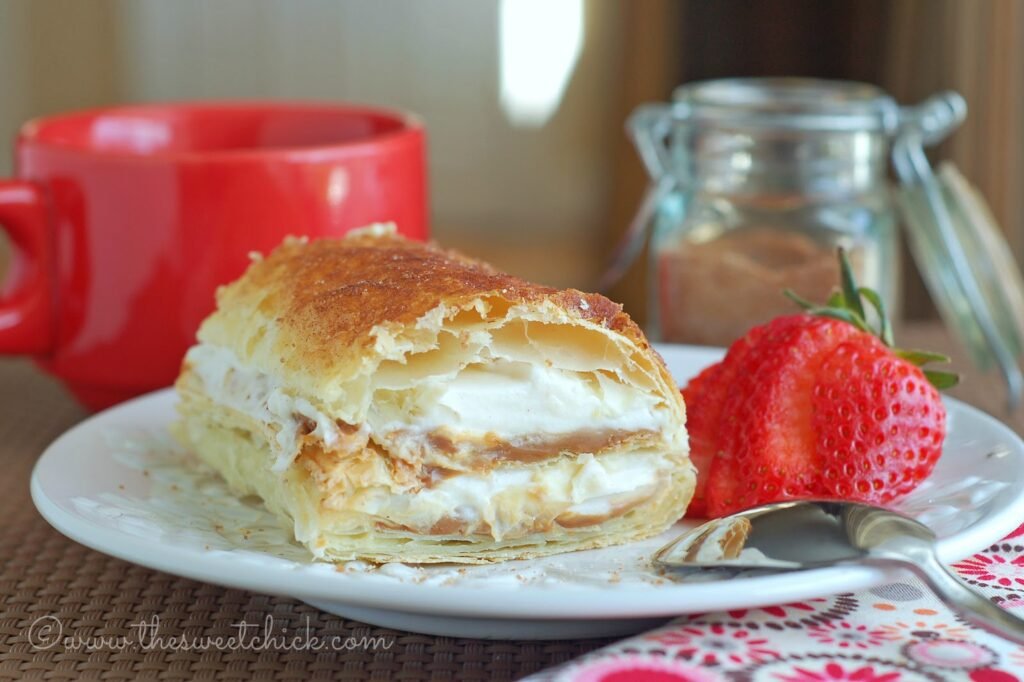

I am still looking for Spring. We saw it peek it’s head out a week or so ago, but not it has disappeared again. Today was windy and chilly. The skies were cloudy all day. All I want it some warm weather so we can spend some time outside for a change. I hate being trapped in the house. But I supposed the only good thing to come out of this, is more baking for me. Last week I made six jars of dulce de leche. I had some recipe testing to do. The first two recipes didn’t go so well, but this one came out just right.
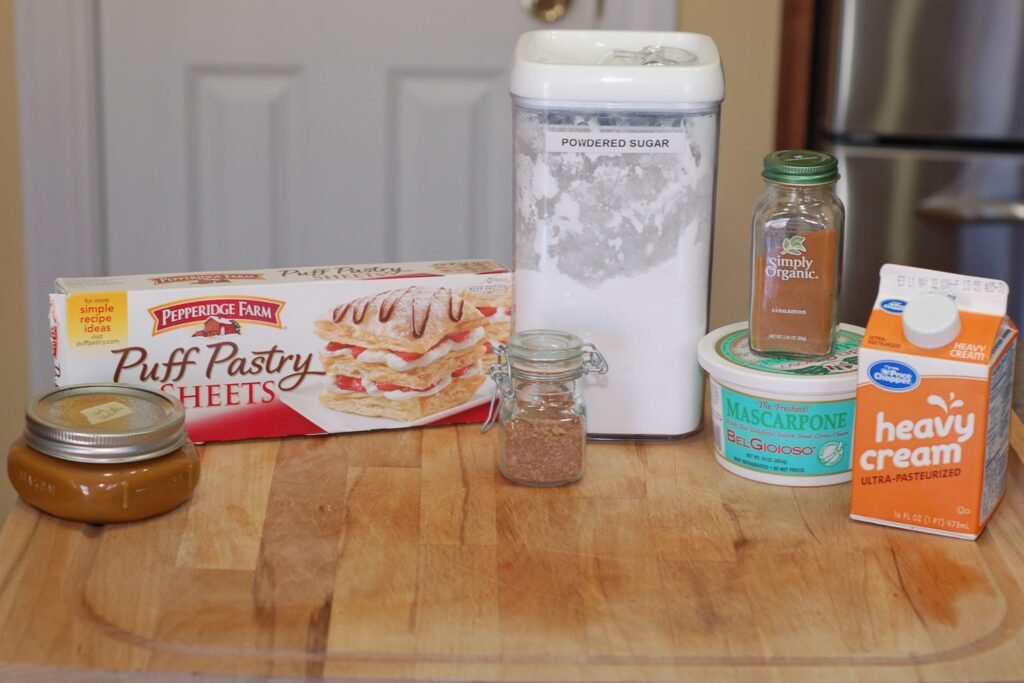
I had never used puff pastry before, so I thought I would try something new. The instructions on the box seemed fairly easy. Just unfold the dough, thaw it for 40 minutes at room temperature, then bake and decorate.

I sprinkled some cinnamon sugar on the dough before baking. I always keep a jar on hand. It’s great to sprinkle on french toast, crepes, waffles, cupcakes, etc.
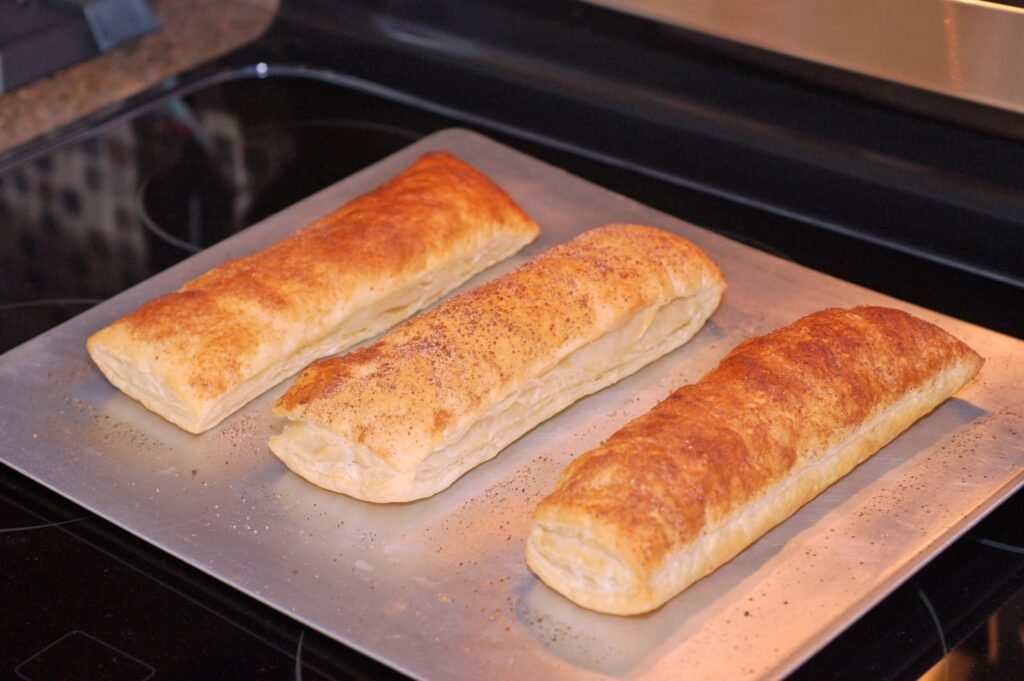
The dough only takes 15 minutes to bake. You can whip up your cream for the filling while the dough cools.

Then comes the best part, the filling. I used my homemade dulce de leche (but you can use store bought) and made some whipped cinnamon mascarpone frosting that I also used for my Churro Cupcakes, Cinnamon Chocolate Cake, and my Pumpkin Spice Crepes. It’s great as a frosting or filling. I love it!
The pastry dough it so light and flaky. The mix of the dulce the leche with the cinnamon mascarpone frosting tones down the sweetness of the dulce de leche. Overall, it’s like eating a cloud. A soft, fluffy, sweet cloud. You don’t feel heavy or guilty after eating this. But it tastes superb. I am going to have to make some more desserts with puff pastry now.
Churro Puff Pastry
by The Sweet Chick
Prep Time: 1 1/2 hours
Cook Time: 15 minutes
Keywords: bake dessert snack dulce de leche mascarpone cheese puff pastry cinnamon Cinco de Mayo puff pastry
Ingredients (6 servings)
For the puff pastry
- 1 box ready to bake puff pastry sheets
- 8 tablespoons dulce de leche, divided
- 1 1/2 teaspoons cinnamon sugar (see recipe below)
- 1/2 cup heavy cream
- 4 ounces mascarpone cheese, room temperature
- 1/4 cup confectioners’ sugar, sifted
- 1/8 tsp. cinnamon
For the cinnamon sugar
- 1/2 cup sugar
- 1 tablespoon cinnamon
Instructions
For the puff pastry
Preheat oven to 400ºF.
Remove 1 sheet of puff pastry and place on a plate. Thaw at room temperature for about 30-40 minutes, or until it is pliable.
Unfold pastry sheet on a lightly floured surface and cut into 3 strips at the folds. Sprinkle the strips evenly with 1 teaspoon cinnamon sugar.
Place the strips on a greased baking sheet. Bake for 15 minutes, or until the tops are golden brown.
Carefully remove the puff pastry from the baking sheet and place on a cooling rack and prepare cream filling.
With an electric mixer or stand mixer on medium speed, whisk heavy cream until stiff peaks form (be careful not to overbeat, or cream will be grainy).
In another bowl, whisk together mascarpone, cinnamon and confectioners’ sugar until smooth. Gently fold whipped cream into mascarpone mixture until completely incorporated.
Now that the puff pastry has cooled, cut each into 2 layers lengthwise, for a total of 6 layers.
Sprinkle the remaining 1/2 teaspoon cinnamon sugar onto the three bottom layers.
Then spread 2 tablespoons of dulce de leche on four of the layers (keep 2 nice looking pieces for the tops). And spread the mascarpone filling evenly over the dulce de leche.
Next begin layering. You are making two “sandwiches”, so each “sandwich” should have a bottom puff pastry and a middle one with filling, and the top one which is bare.
Place the two desserts in the fridge for a 1/2 hour to an hour to set before cutting.
Once set, cut each dessert into three squares with a wet serrated knife, for easier slicing. Top with strawberries or fresh whipped cream. Enjoy!
For the cinnamon sugar
Mix together the sugar and cinnamon until well blended. Keep remaining mixture in an airtight container and use to sprinkle on french toast, oatmeal, yogurt, waffles, crepes, etc.
Related Posts
Subscribe for New Racipies
Get mental health tips, updates, and resources delivered to your inbox.
9 Boozy St. Paddy’s Day Treats

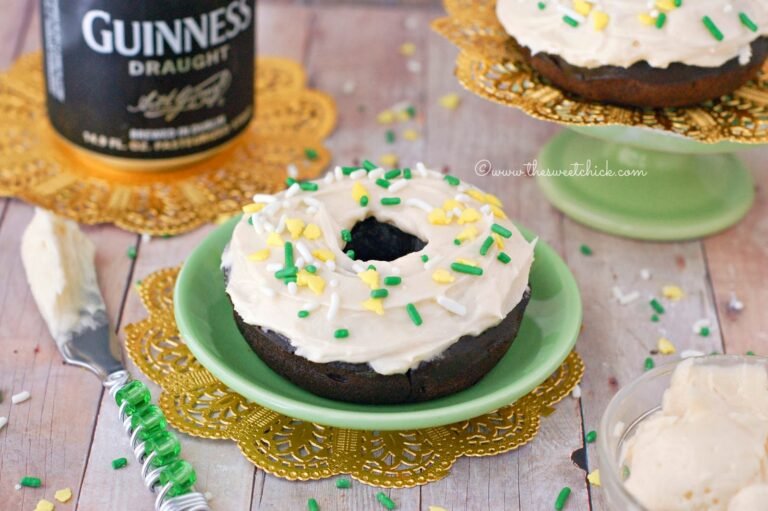

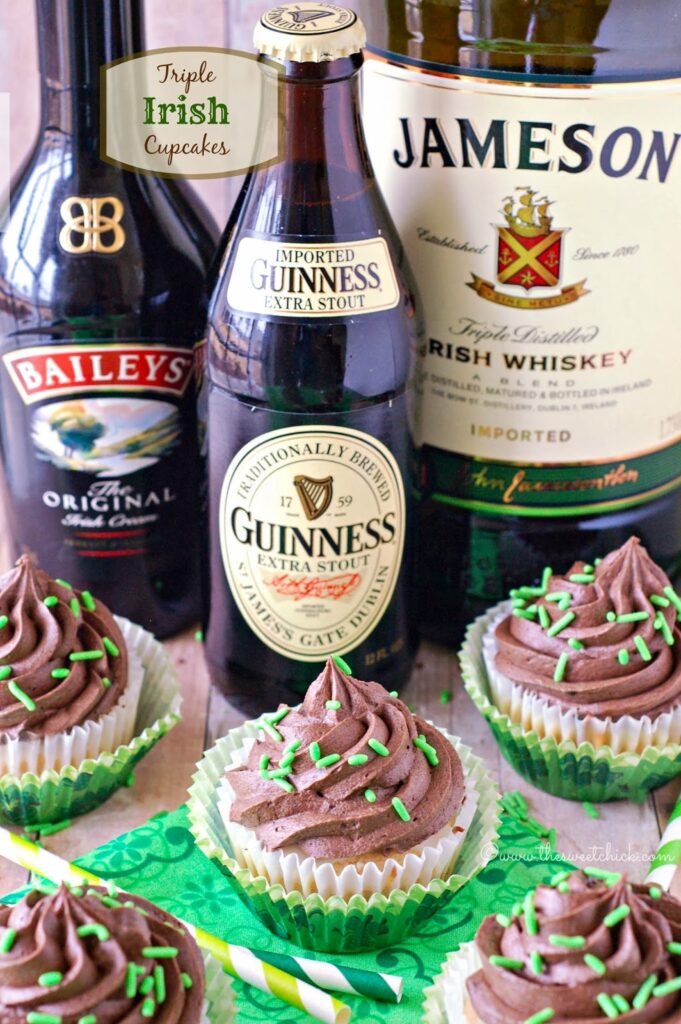
Looking for some St. Patrick’s Day treats with a little bit of spunk? Well, you’ve come to the right place. I love enhancing my treats with a little bit of beer or liquor now and then. St. Patrick’s Day give me an excuse to do just that. Guinness and dark chocolate was my favorite combo until I tried Baileys with white chocolate. Oh it’s heaven. Even if you don’t drink Guinness beer or Bailey’s Irish Cream you made just like it in your sweets. The ingredients all blend well together creating a smooth overall flavor. Everyone is a little bit Irish on St. Patrick’s Day.
I’ve rounded up some of my boozy treats from the past couple of years. I did a lot of Guinness recipes in the past, but this year I ventured out into trying Baileys and even a bit of Jameson Whiskey. Just click on the links below for the recipes. Bake responsibly, these are for adults, not kids. Enjoy!

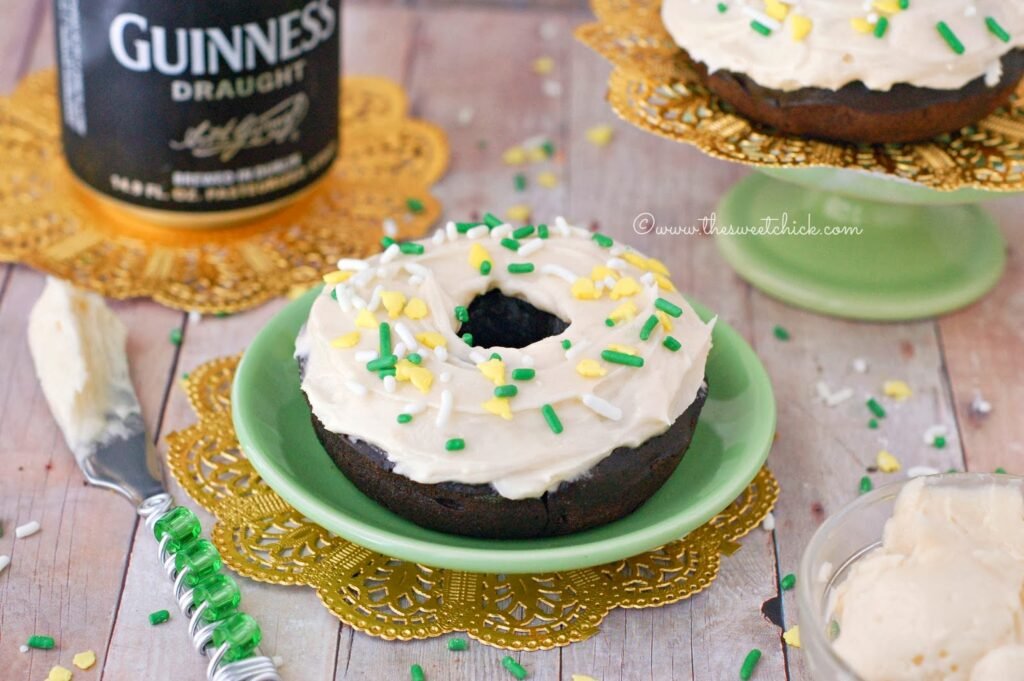
Dark Chocolate Guinness Donuts with Baileys Buttercream frosting
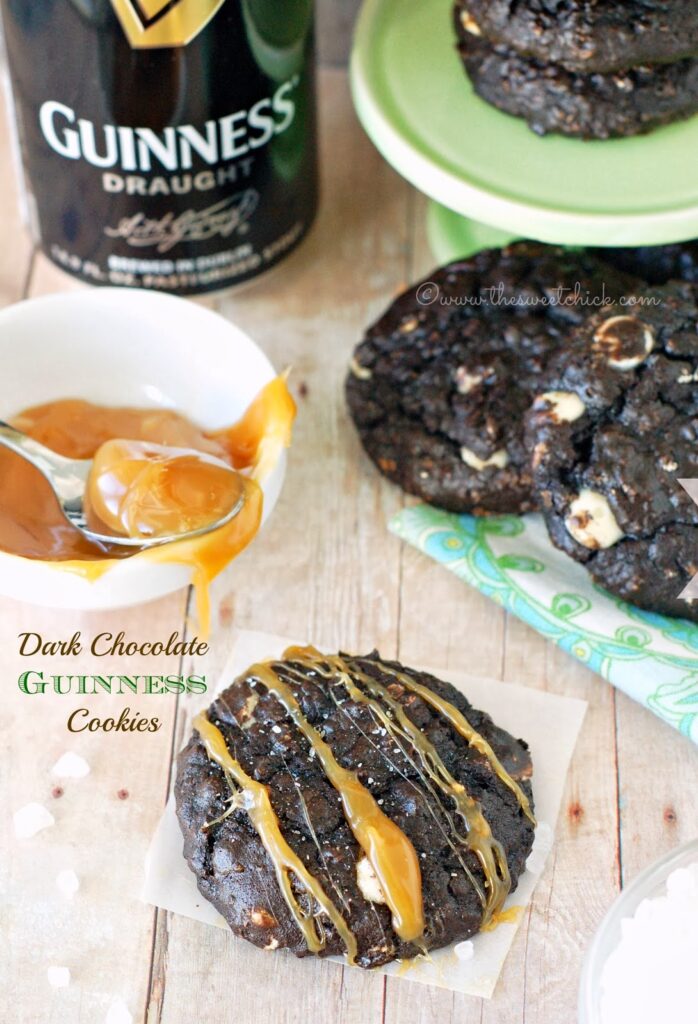
Dark Chocolate Guinness Cookies
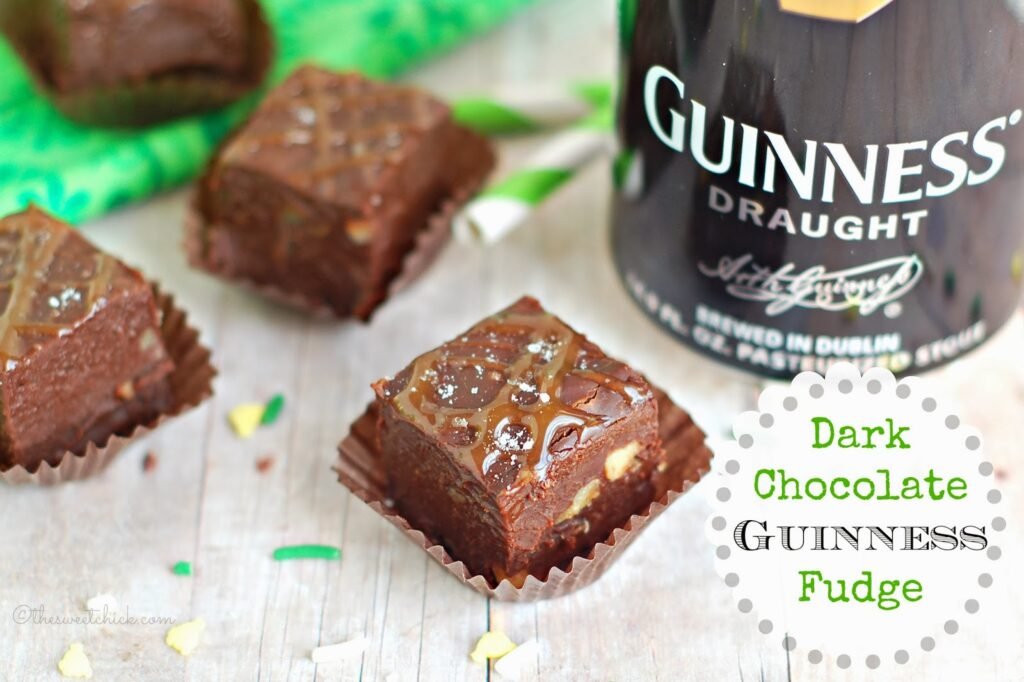
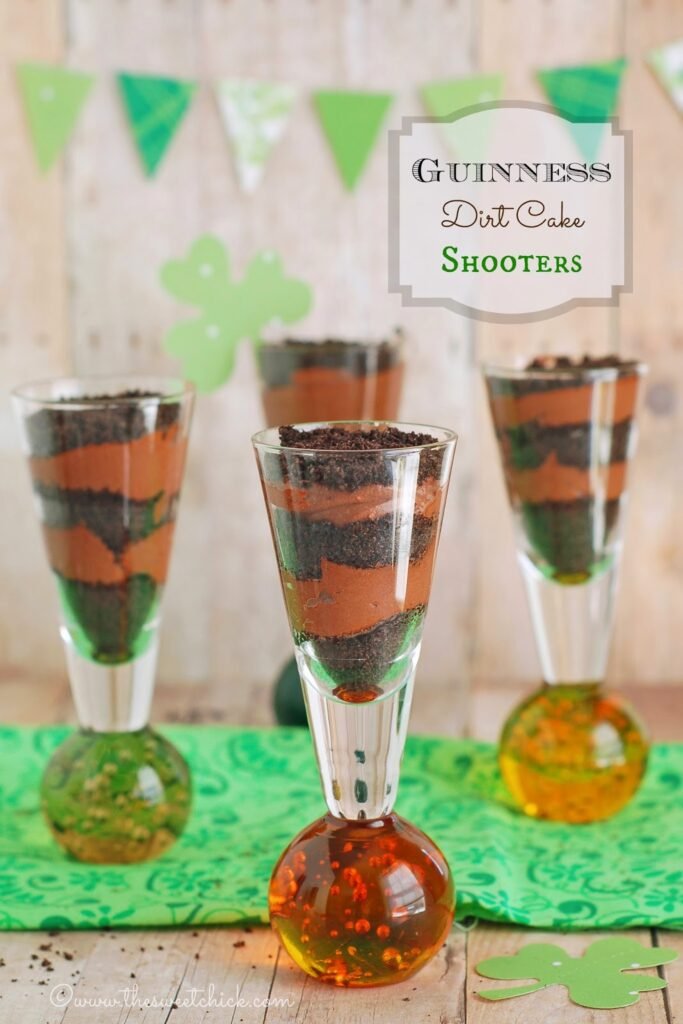

Guinness Chocolate Cupcakes with Peanut Butter Fluff Frosting

Dark Chocolate Guinness Rice Krispie Treats
What are your plans for St. Patrick’s Day this year? Do you have any special treats that you bake for the occasion?
Related Posts
Subscribe for New Racipies
Get mental health tips, updates, and resources delivered to your inbox.