
7 Kinds of Foods to Avoid with Gerd: A Complete Guide!

Medically reviewed by Christiana George Updated Date: January 7, 2026

It’s very difficult to find a person who hasn’t gone through GERD symptoms in a lifetime. People tend to ignore those symptoms.
GERD can be a serious issue when you don’t concentrate on it. But you can keep GERD in control just by cutting off some specific foods.
So, now the concern is what foods to avoid with GERD.
Foods that are high in fat and cholesterol should not stay in your diet in order to reduce GERD symptoms. Moreover, citrus fruits, spicy foods, and fried foods trigger heartburn which is a common symptom of GERD. Caffeine also increases the burning sensation in the chest.
| Chocolate | Spicy foods | Garlic | Onions |
| Fried food | Tomatoes | Acidic drinks or foods | Potato chips |
| Carbonated beverages | Citrus fruits | Peppermint | Cheese |
| Alcohol | Fatty foods | Beverages | Processed foods |
| Caffeine | Mint | Dairy product | Whole milk |
The article gives a deep insight into foods you shouldn’t consume with GERD symptoms. So, read the article to enlighten yourself.
What Makes Food Bad for GERD
When the eaten contents pull back into the food pipe from the stomach regularly is known as GERD. It is also referred to as acid reflux or heartburn.
However, this situation can be improved by avoiding certain foods. Many cases of GERD can be successfully treated by making dietary and lifestyle adjustments.
There are some food properties that trigger GERD symptoms. Let’s focus on those substances first.
High in Fat
Having more than 20 g of fat per day can trigger GERD symptoms very badly. The stomach feels constricted due to the additional belly fat. As a result, more liquid ascends and enters your esophagus.
So you’re more prone to develop GERD and stomach acid leakage. Fatty foods remain in the stomach for a long time because of the digestive process.
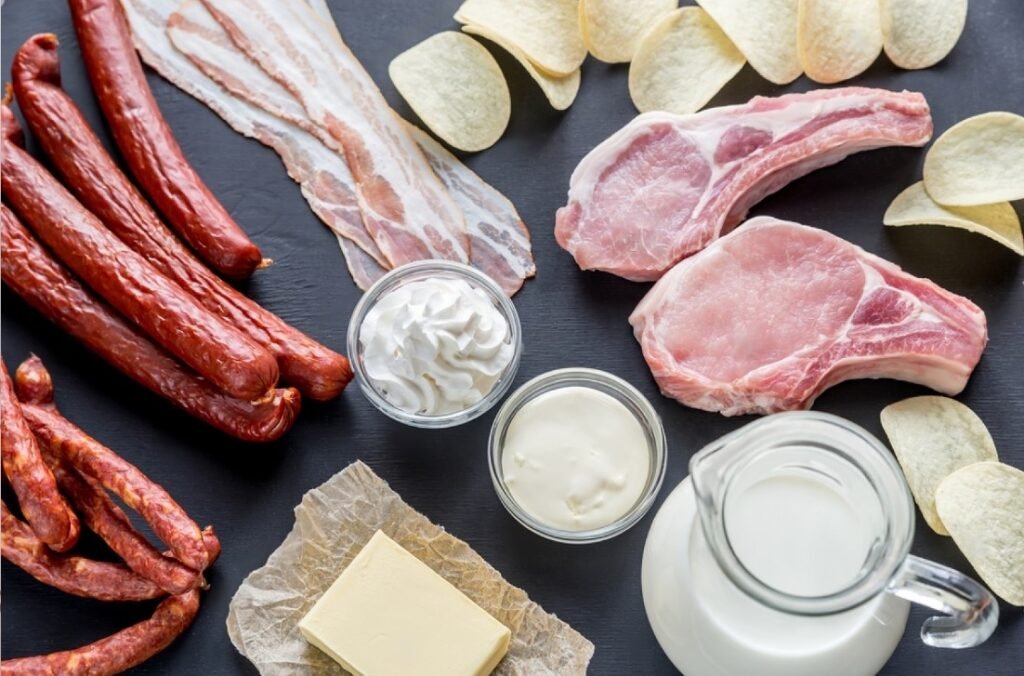
High cholesterol
Diet consists of high cholesterol that can cause GERD symptoms frequently. Intaking more than 200 mg of cholesterol is significantly linked to rising GERD symptoms. In fact, increasing GERD symptom intensity was linked to bad cholesterol scores.
Caffeine
Caffeine has been identified as a positive trigger for acid reflux. It relaxes the lower esophageal sphincter pressure also known as LES. LES becoming lower results in GERD symptoms.
A person should consume under 400mg of caffeine per day. Let’s look at some data on the regular types of coffees and teas you intake.
| Type of Coffee | Caffeine ( per 8 oz serving) |
| Black Coffee | 95 to 165 mg |
| Instant Black Coffee | 63 mg |
| Latte | 63 to 126 mg |
| Decaf Coffee | 2 to 5 mg |
| Black Tea | 25 to 48 mg |
| Decaf Black Tea | 2 to 5 mg |
| Green Tea | 25 to 29 mg |
Spicy Contents
Spicy foods contain chilies that are loaded with capsaicin. A South Korean study shows that hot, spicy stews and noodles are regular gastrointestinal offenders. Cayenne, curry powder and cloves exacerbate acid reflux symptoms.
Acidic Contents
Lemon and tangerine, these citrus fruits contain water-soluble ascorbic acid and citric acid. These acidic contents lower the ph level of your stomach drastically. A normal esophageal pH is close to 7.0. The lower threshold is 4.0 for us. An intraesophageal ph of less than 4.0 is directly related to GERD symptoms.
Foods to Avoid with GERD
It’s time to know the exact foods which are not friendly with GERD. Let’s sort them out one by one.
Vegetables, Herbs, and Spices to Avoid with GERD
| Vegetables | Why bad for GERD | Alternatives |
| Onions | Stimulate gastric acid in Stomach | green onions and milder shallots |
| Black pepper | Acid properties | White pepper |
| Cinnamon | Spicy properties | Cloves |
| Garlic | Acidic | Ginger |
| Oregano | Spicy properties | Basil |
| Wasabi | Spicy flavor | English mustard powder |
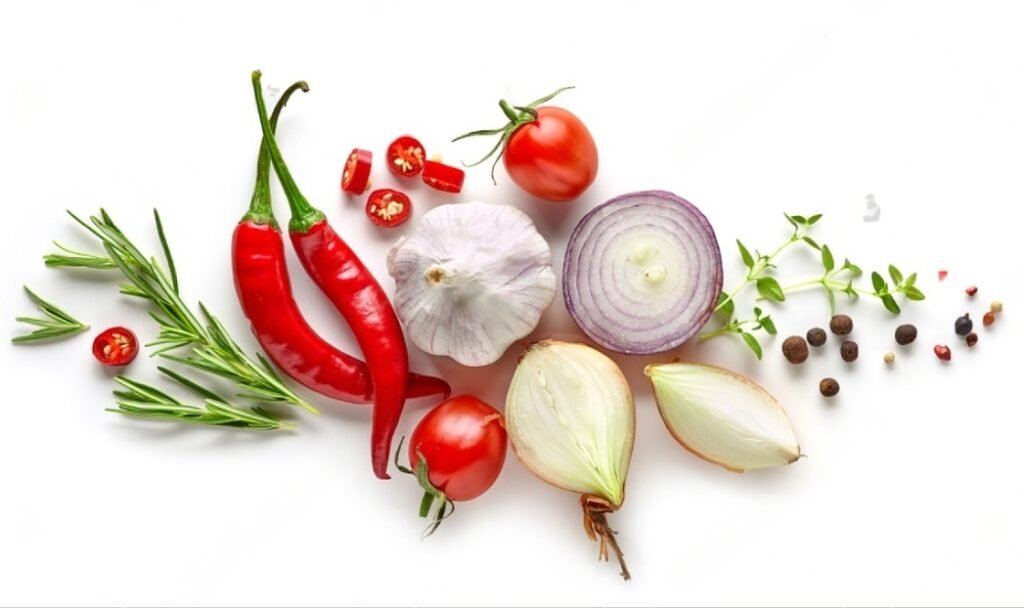
Is Cabbage Bad for GERD
Cabbage is generally considered to be a low-acidic vegetable and is not known to be a common trigger for gastroesophageal reflux disease (GERD) in most people.
In fact, cabbage is often considered to be a beneficial food for GERD and acid reflux sufferers due to its potential alkalizing effects and high fiber content, which may help to promote digestion and reduce symptoms.
Cabbage, particularly when cooked, is typically well-tolerated by most people with GERD.
However, eating large amounts of raw cabbage or consuming cabbage in combination with other trigger foods or beverages, such as spicy or fatty foods, citrus fruits, or alcohol, may potentially trigger GERD symptoms in some individuals.
Is Black Pepper Bad for GERD
Spicy substances are a great trigger for GERD. So, food items with black pepper frequently have acid reflux or GERD. Naturally, black pepper is acidic which is responsible for worsening GERD symptoms.
Rather you can use white or bell pepper in your cuisine. These are anti-inflammatory and don’t trigger your heartburn sensation. White pepper also helps to reduce blood pressure and control blood flow.
Related Article: Are Bell Peppers Acidic? Are Bell Peppers Bad for Acid Reflux?
Is Cinnamon Bad for GERD
Spice cinnamon can cause GERD symptoms. Especially, when you have it regularly more than ½ teaspoon, it can worsen acid reflux. But occasional consumption may not harm you that much.
In fact, you can have cinnamon tea which is overall healthy. But don’t forget to consult with your medical provider before intaking it.
Is Garlic Bad for GERD
Garlic triggers GERD symptoms in many people. People who have no heartburn issues may remain safe. However, enough people are impacted by them that the medical adviser advises keeping note of these meals in your diary.
Since raw garlic is extremely acidic, make sure they’re entirely cooked before eating. And it may reduce your feelings of heartburn.
Is Oregano Bad for GERD
Having red-hot salsa is tempting and mouth-watering. But it can be a serious issue for you if you have GERD.
Your stomach can be upset due to consuming big amounts of oregano. Rather go for cayenne and nutmeg which work best as spices.
Is Peppermint Bad for GERD
If you’re struggling with GERD don’t consume peppermint and drink peppermint tea. Because the sphincter that separates the stomach and esophagus might weaken due to peppermint consumption.
It can even enable stomach acids back into the esophagus.
Is Paprika Bad for GERD
Eating too much paprika can cause GERD and pressurize the lining of the stomach. Mostly hot paprika worsens the condition of heartburn. Especially, staying away from having paprika on an empty stomach, can lead to certain gastric problems.
Is Wasabi Bad for GERD
Wasabi has a pungent and spicy flavor which can be a trigger for people with ulcers, gastritis, heartburn, and digestive disorders. Especially pregnant women must avoid wasabi due to its gas-forming profile.
Is Onions Bad for GERD?
Onions are known to be a common trigger for gastroesophageal reflux disease (GERD) symptoms in some individuals. Onions are a member of the allium family of vegetables, which also includes garlic, shallots, and leeks. These vegetables are known to contain fermentable carbohydrates and volatile oils that can potentially contribute to GERD symptoms, such as heartburn and regurgitation, in susceptible individuals.
Fruits to Avoid with GERD
| Fruits | Why bad for GERD | Alternatives |
| Jackfruit | Acidic | Breadfruit |
| Organe | Acidic | Grapefruit |
| Pineapple | Acid contents | papaya, mangoes |
| Tomato | Acidic | Olives |
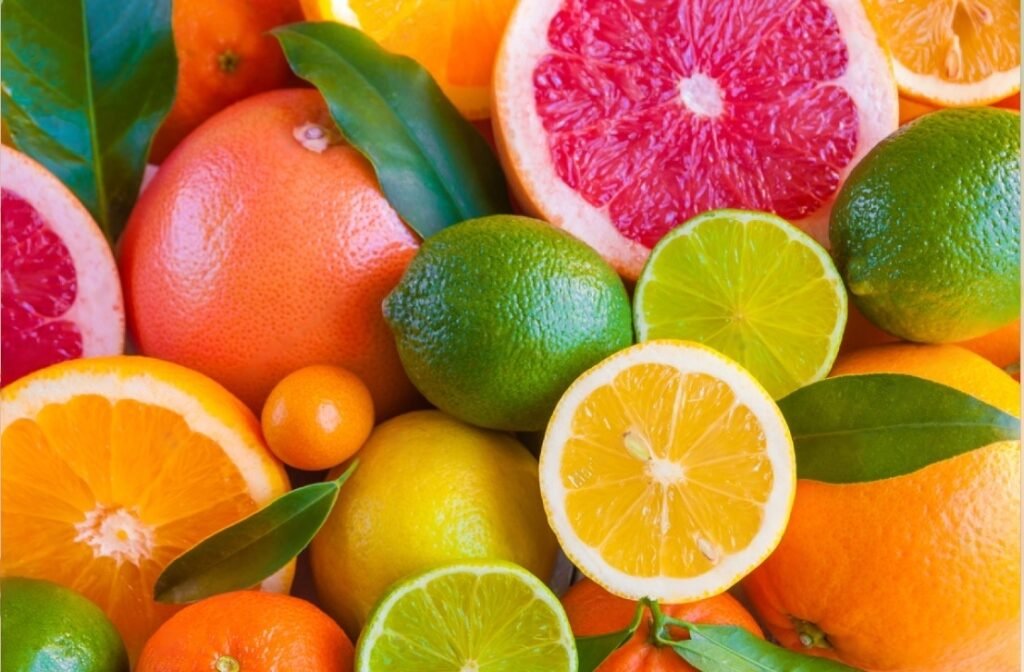
Is Jackfruit Bad for GERD
Naturally jackfruit is acidic. So too much consumption of jackfruit can lead to GERD. Again it contains high fiber which can lead to the indigestible syndrome.
As a result, it remains in the stomach for a long period of time and creates heartburn. You can rather eat apples, pears, bananas, and stone fruit.
Is Orange Bad for GERD
As a citrus fruit oranges contain citric acid which is not friendly for GERD. Orange contains strong acid which opens the esophageal sphincter and aggravates symptoms. However, your stomach becomes more full as a result, increasing the risk of reflux.
Also, you should cut off orange juice if you find a correlation with your symptoms.
Is Lemon/Lemon Juice Bad for GERD
Lemon is also considered a citrus fruit that contains acidic properties. Excessive consumption of lemon can trigger acid reflux.
On the other hand, lemon juice can cause heartburn as well. Especially acid reflux, vulnerable people should stay away from drinking it.
Is Pineapple Bad for GERD
Fruits with acid contents are known as harmful for acid reflux. And pineapple contains a high amount of acid. So, the consumption of pineapple can trigger heartburn. Pineapple eating especially can be worse when you have it on an empty stomach.
Hence, make sure you’re avoiding pineapple and pineapple juice if you’re inclined to heartburn.
Is Tomatoes Bad for GERD
Tomatoes come up with savory flavor and work as a staple in many food items. We can’t think about pasta, pizza, or lasagna without tomato sauce. Though tomatoes are high in vitamin C and antioxidants, they’re also high in acid.
However, people who struggle with GERD should steer clear of tomatoes. Because your stomach’s acidity will rise as a result of tomato acids.
Dairy to Avoid with GERD
| Diaries | Why bad for GERD | Alternative |
| Milk | High in fat | Oat milk, almond milk |
| Butter | High in saturated fat | Ghee |
| Cheese | High in saturated fat | Pesto, cashew cheese |
| Ice cream | High in added sugar | Greek yogurt ice cream |
| Chocolate | Caffeine | Organic peanut butter |

Is Milk Bad for GERD
Naturally milk consists of high fat which can aggravate heartburn badly. Also, milk produces gas which can create an irritating sensation in your chest. So, keep your diet milk free if you have GERD symptoms quite often.
Along with that, milk has lactose which doesn’t have a friendly relationship with acid reflux or heartburn.
Is Butter Bad for GERD
Though butter is mildly acidic, it is high in saturated fat. Our body definitely needs fat to function properly. But having more than 20 g of saturated fat can cause GERD symptoms to worsen.
So, remove butter from your daily meals, instead have healthy unsaturated fat like olive oil or avocados.
Is Cheese Bad for GERD
Cheese is a full-fat dairy product that secretly contributes to creating GERD symptoms. Cheese tends to sit in your stomach for a long time that’s why the digestion process has been delayed.
Again, 100g of regular cheese contains 21g of saturated fat which can cause GERD symptoms. Because fat hinders the stomach’s ability to empty.
Is Chocolate Bad for GERD
Caffeine which relaxes the LES, is present in chocolate and is responsible for raising GERD symptoms. Another acidic ingredient that might elevate stomach acid is cocoa powder.
Also, serotonin is also released by eating chocolate which is a mood-regulating hormone. Therefore, serotonin can soften the LES which raises the risk of acid reflux.
Is Ice Cream Bad for GERD
Ice cream and other cold dairy items can actually weaken and damage the lower esophageal sphincter’s ability to function.
Consequently, it is considerably simpler for stomach acid to backwash up into the esophagus. So, try to kill your ice cream cravings if you’re experiencing GERD symptoms frequently.
Grains to Avoid with GERD
| Grains | Why bad for GERD | Alternatives |
| White bread | Refined carbs | Brown bread |
| Ramen | Too much spicy | Shirataki noodles |
| Wheat | Gluten | Almond flour |
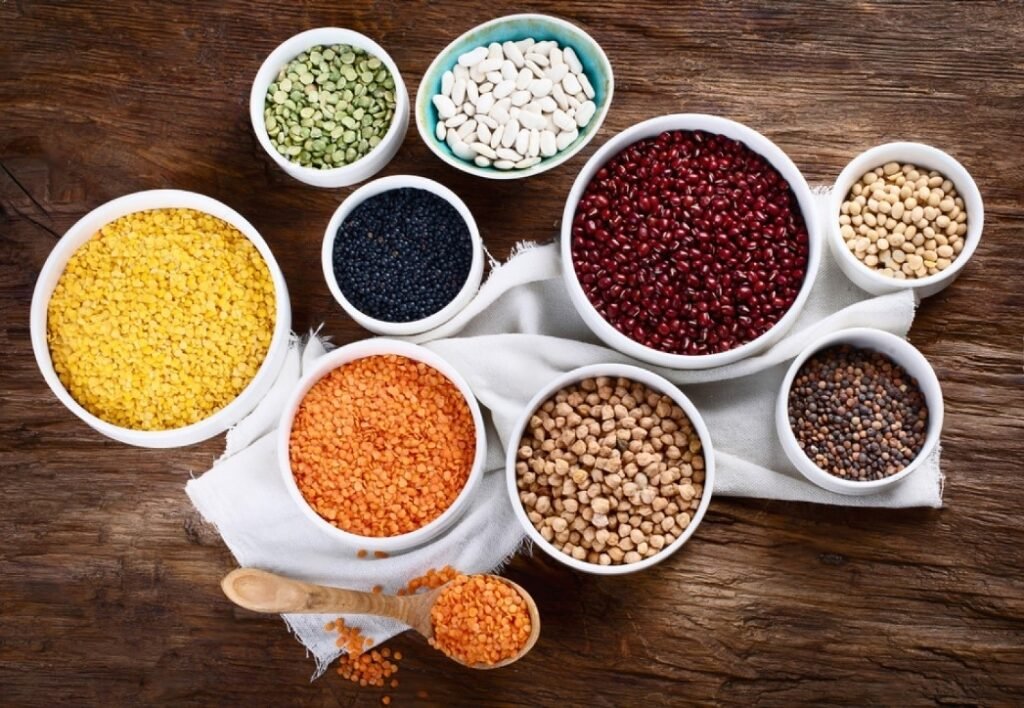
Is Bread Bad for GERD
White bread is not recommended for people who face GERD symptoms 2-3 times a week. Since refined grains contain very low fiber, you should avoid these foods due to their acid reflux aggravating nature.
Rather you can simply go with whole-grain bread. It’s not only full of vitamins and minerals but a decent choice for GERD patients.
Is Ramen Noodles Bad for GERD
Instant noodles like ramen are supremely spicy and fatty at the same time. It’ll be disheartening to ramen lovers that it causes increasing GERD symptoms.
Nevertheless, ramen has acidifying qualities while having a neutral pH level. As a result of digestion in your stomach, it turns acidic and stimulates the formation of stomach acid.
Is Wheat Bad for GERD
Since wheat is full of gluten, it can induce GERD symptoms. Though it’s not proven that wheat is fully responsible to make you a GERD sufferer. But people who already face acid reflux should avoid wheat.
So whole wheat bread, cakes, and pasta can bring a certain discomfort gas in your stomach.
Protein to Avoid with GERD
| Protein | Why bad for GERD | Alternatives |
| Beef | High in saturated fat and cholesterol | Ostrich |
| Pork | High in saturated fat and cholesterol | Chicken |
| Mayonnaise | High in saturated fat and cholesterol | Greek yogurt |
| Egg | High in fat | Yolkless egg |
| Bacon | Fat properties | Mushroom |

Is Bacon Bad for GERD
If you’re suffering from GERD symptoms regularly, bacon shouldn’t be on your breakfast table. It’s considered highly bad for activating acid reflux due to its fat content. Nevertheless, the lower esophageal sphincter(LES) relaxes as a result of an oily and fatty diet.
Because it permits extra acid to pass back up into the esophagus. Though the pH level of bacon is high, it turns into an acidic form after digestion.
Is Egg Bad for GERD
Egg yolks are high in fat which can trigger GERD flare-ups. So, cut off the yummy yolks if you don’t want to have further heartburn from your breakfast meal.
But you can have egg white as much as you want. Because egg white is full of protein and has low acidity. It can improve your stomach’s digestion and can soothe acid reflux.
Is Beef Bad for GERD
High saturated fat present in beef tends to aggravate acid reflux. Also, high-fat properties can slow down digestion and loosen the sphincter at the bottom of the esophagus.
From 100g of beef, you can have 15g of fat which is difficult to digest for a GERD sufferer.
Is Pork Bad for GERD
Like beef, pork contains high saturated fat which remains in the stomach for a long period. So eating pork can raise the risk of getting acid reflux.
Rather try to eat lean protein religiously like chicken, turkey, and fish. These will serve your body with a vast amount of protein without increasing GERD symptoms.
Is Mayonnaise Bad for GERD
You should cut off mayonnaise if you’re going through severe GERD symptoms. Mayonnaise is highly processed and contains high fat which can trigger acid reflux.
If your diet still urges for mayonnaise, choose a low-fat one that doesn’t tend to create irritation on your chest.
Is Fried Chicken Bad for GERD
When chicken turns into fried chicken it becomes the worst food for acid reflux. Actually, the greasiness of fried chicken leads to heartburn. Greasy foods tend to digest slowly and remain in the stomach for much longer.
In fact, they keep the lower esophageal sphincter from closing completely. And it leaves a gap for stomach acids to pass through.
Are Nuggets Bad for GERD
Nuggets are full of fat which causes heartburn frequently. If you’ve 100g of nuggets, you’ll have 20g of fat which may not serve you positively.
Since nuggets are processed food, they contain multiple chemicals and additives. People who are non-tolerant can go through GERD flare-up symptoms.
Drinks to Avoid with GERD
| Drinks | Why bad for GERD | Alternatives |
| Alcohol | Forms gas and damages esophageal | Virgin mojito |
| Coffee | Caffeine | Green tea |
| Gatorade | Citric acid | Watermelon water |
| Kombucha | Caffeine | Quinoa |
| Soda | Excessive sugar | Maple water |
Is Alcohol Bad for GERD
Alcohol habit brings no good for your esophageal. Your GERD symptoms can increase due to consuming alcohol. On the other hand, alcohol is a sedative that makes you excrete more frequently.
In fact, you can experience dehydration which exacerbates the symptoms of acid reflux. Also, alcohol may also contribute to LES disruption, which heightens acid reflux symptoms.
Is Coffee Bad for GERD
Coffee triggers GERD symptoms due to its caffeine content. Since caffeine irritates the esophagus and relaxes the LES, it back pushes stomach content which can cause heartburn.
Try to limit your coffee intake to lessen the GERD symptoms. Instead, you can have green tea to cater to your coffee cravings.
Is Gatorade Bad for GERD
I hate to tell you that your favorite Gatorade contains citric acid and it can activate acid reflux. Also, it is full of added sugar. You’ll get 34 grams of sugar from having a 20-ounce Gatorade bottle.
To keep yourself hydrated, consume water as much as you can rather than having Gatorade.
Is Kombucha Bad for GERD
Kombucha also contains caffeine which is a big no for people with GERD symptoms. Also, acid and alcohol contents have been found in kombucha.
Each content of kombucha annoys the food pipe and worsens GERD symptoms. Drinking kombucha in vast amounts can increase the acidity of the stomach.
Is Soda Bad for GERD
Sugar and caffeine may be found in sodas. The more frequently you consume caffeinated and sugary drinks, your LES functionality decreases.
Nevertheless, the stomach interior pressure rises as a result of the carbonation in sodas. Reflux becomes common when the pressure buildup and caffeine’s LES relaxing properties are combined.
Other Foods to Avoid with GERD
Here I am mentioning some popular foods you should avoid if you are suffering from GERD:
Are Deep-fried Foods Bad for GERD
Naturally deep-fried foods contain a lot of saturated fat which sits longer in the stomach. Also, fried and fatty foods break down very slowly.
So, your stomach will release extra acid to dissolve these complex lipids. As a result, your stomach will consequently feel fuller and the probability of reflux will rise.
Is Fish Oil Bad for GERD
Fish is not an enemy of GERD, but fish oil can set off various gastrointestinal issues. If you face GERD symptoms regularly, don’t consume fish oil. Better you take counsel from your doctor before having fish or fish oil.
Is Hummus Bad for GERD
Hummus is bad for people who are acid reflux sufferers. Consuming hummus can cause chest pain and heartburn. Chickpeas and beans are the main ingredients of hummus which are known as acid reflux potential items.
Sometimes hummus also contains sesame seeds paste which is a great trigger for heartburn.
Is Nutella Bad for GERD
Since Nutella contains cocoa powder, it can increase your acid reflux symptoms. Cocoa powder is acidic, better if you avoid it during GERD flare-ups. Rather you can choose creamy peanut butter.
Is Pizza Bad for GERD
Who doesn’t love a slice of savory pizza? But you should watch out for your GERD symptoms. Because most of the ingredients of pizza trigger acid reflux. Cheese, oregano, and sauce are largely responsible for increased heartburn.
So, do avoid pizza to stay healthy. If you really want to have one choose goat cheese pizza.
Is Ranch Bad for GERD
Ranch salad is yummy but it is acidic due to its 4.5 pH level. Though it doesn’t cause you inviting heartburn, those who are already experiencing acid reflux should avoid ranch.
But occasional consumption might not cause any harm. Whatever, consult with your medical provider before eating.
A Proper Healthy Diet Plan for GERD
Maintaining a proper healthy diet can help to get rid of unwanted GERD issues. So, I am providing you with a mind-blowing diet chart that is full of nutrients. Also, you’ll be safe from acid reflux.
| Daily Meal Plan | Meal Options | Food Options |
| Breakfast | Breakfast 1 | 1 yolkless boiled egg with 1 cup of ginger tea and 1 granola bar |
| Breakfast 2 | 1 glass of smoothie(1 banana, 2 cups of grapes, and 2 cups of almond milk) with 1 English muffin | |
| Breakfast 3 | Tropical oatmeal (1 cup oatmeal, ½ oat milk, ½ banana, ½ cup of papaya slice with margarine 1 tablespoon) | |
| Lunch | Lunch 1 | 1 cup of brown rice with 1 oven-roasted chicken breast |
| Lunch 2 | Baked shrimp and veggies(carrots, spinach with olive oil) | |
| Lunch 3 | Tuna salad on pita( 1 cup of tuna tossed with ½ of nonfat yogurt with a slight touch of mustard with 1 pita bread) | |
| Evening Snacks | Evening Snack 1 | 1 finely chopped apple with peanut butter |
| Evening Snack 2 | Cashew cheese with whole grain crackers | |
| Evening Snack 3 | 1 cup of cherries with greek yogurt | |
| Dinner | Dinner 1 | 1 maple barbeque salmon with roasted salad |
| Dinner 2 | Apricot turkey thighs with carrots, beets and sweet potato | |
| Dinner 3 | Baked chicken meatballs |
FAQs
Is apple and apple cider vinegar bad for GERD?
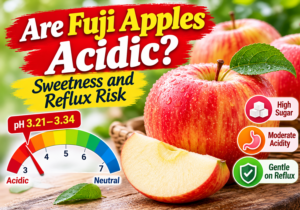
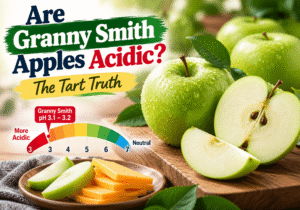
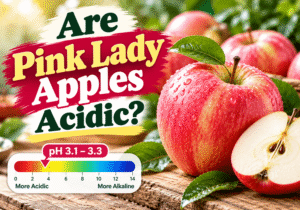
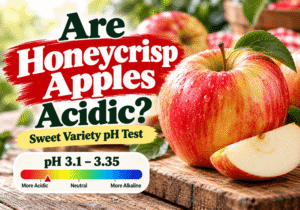
Apple is not bad for GERD sufferers. In fact, apples help to reduce gastroesophageal reflux disease. But you should stay away from intaking apple cider vinegar due to its acidic substances. Along with that, apple cider vinegar moves up gastric acid and forms gas.
Is cranberry bad for GERD?
Cranberry in solid form isn’t supposed to be bad for GERD. but when it comes in a juice form, it becomes acidic. The pH value of cranberry juice is around 2.3 to 2.5. So, it’s better not to drink cranberry juice.
Are nuts bad for GERD?
Nuts are full of fats. Though the fats are unsaturated, they still can be triggers for GERD. Acid reflux happens especially when nuts have been taken before bedtime. If your diet demands nuts, choose almonds. Because peanuts, cashews, and walnuts are maximumly responsible for arising GERD symptoms
Conclusion
Hopefully you’ve perceived each food you need to avoid with GERD.
Actually, it’s not a tough job to keep your GERD symptoms in control by maintaining a healthy lifestyle. Adjustments in your diet can be hugely effective for controlling acid reflux symptoms. Moreover, you should seek help from your doctor in order to add any food to your diet.
So, it’s time to sign off here. I’ll be back with other queries. Till then stay safe and healthy.
Related Posts

Subscribe for New Racipies
Get mental health tips, updates, and resources delivered to your inbox.
Mini Chocolate Peanut Butter Donuts w/ Peanut Butter Glaze

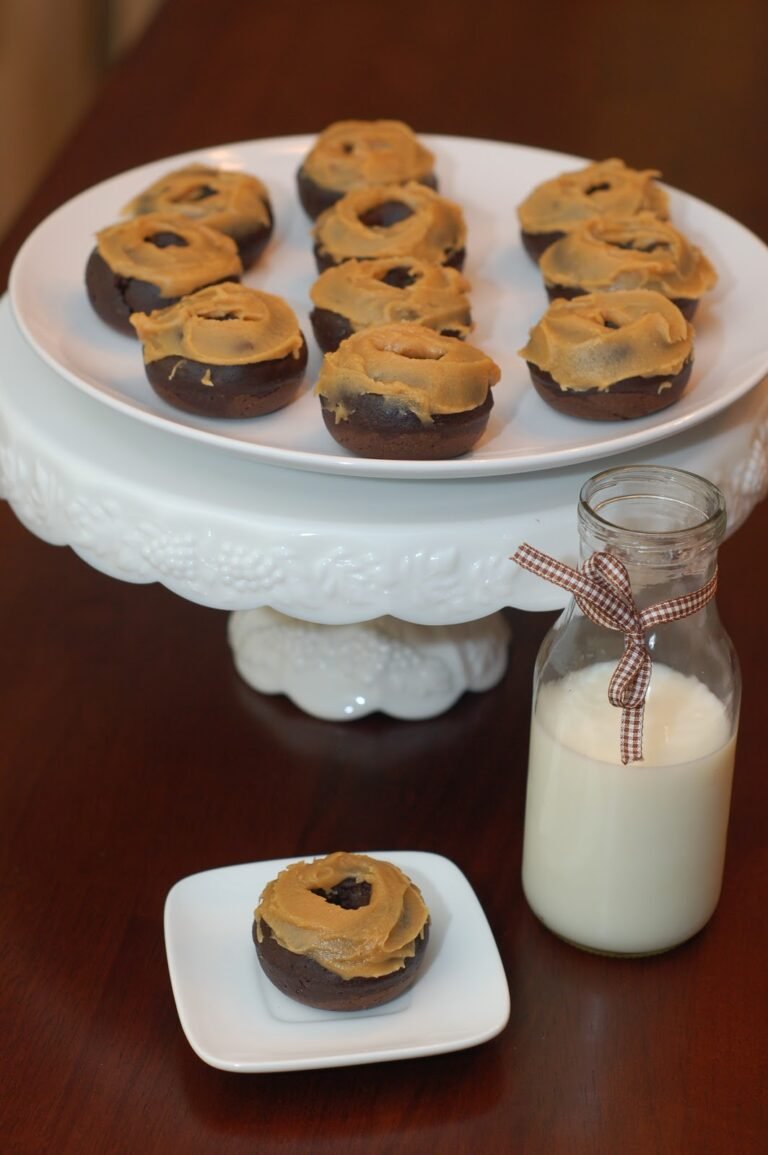

Whew! It’s been crazy busy in this neck of the woods these past couple of weeks. Between trying to do some Christmas shopping, celebrating Thanksgiving twice, decorating for Christmas, packing for vacation, going on vacation, unpacking from vacation, doing some more Christmas shopping and taking pictures of the kids for our Christmas cards, I have not had much time to sit. So now that I have a little time, I wanted to post another donut recipe I made before all the hoopla took place. Averie from healthyfoodforliving.com/recipes/ said I should try her donut recipes, so I chose to try the Peanut Butter Chocolate ones. I love chocolate and peanut butter together. These little gems satisfy my craving without feeling guilty. They are so light and fluffy, they don’t feel like a brick on your stomach like regular fried donuts. I am really getting some use out of my babycakes machine.

Mini Chocolate Peanut Butter Donuts
by loves veggies and yoga
Ingredients
- 2 tbsp butter, melted
- 2 tbsp peanut butter, melted
- 3/4 cup flour
- 1/3 cup granulated sugar
- 1/4 cup cocoa
- 1 tsp baking powder
- 1/4 tsp cinnamon
- 1/2 cup buttermilk ( I didn’t have any, so used reg. milk)
- 1 egg
- 1/2 tsp vanilla extract
Cooking Directions
- In a small bowl, soften/melt the butter and peanut butter in the microwave, about 15- 30 seconds. Stir.
- In a large bowl, mix together flour, cocoa powder, sugar, baking powder, cinnamon, buttermilk, egg, and vanilla. Mix well.
- Add the butter/peanut butter mixture and stir together until well blended.
- Fill each cooking reservoir with about 2 tbsp of batter.
- Bake 2-4 minutes or until toothpick inserted in donut comes out clean. Makes about 12 mini donuts.

Peanut Butter Glaze
by loves veggies and yoga
Ingredients
- 1 tbsp butter, melted
- 2 tbsp peanut butter, melted
- 1/3 cup powdered sugar
- 1/2 tsp vanilla extract
- 1 tbsp milk
Cooking Directions
- Mix the melted butter and peanut butter. Then add the powdered sugar and vanilla.
- Slowly add the water or milk, one teaspoon at a time, until desired consistency is achieved.

For some reason I am having trouble getting the glaze to adhere to the donuts, so I end up having to make the recipe a little thincker and put it on as more of a frosting. I wonder if the machine gives the donuts a slicker finish than if I baked them in the oven? I guess I will find out when I finally get to buy my pans. Maybe Santa will bring me some for Christmas.
Related Posts



Subscribe for New Racipies
Get mental health tips, updates, and resources delivered to your inbox.