
Fresh Fig Tartlets, or Using up the Fridge

Medically reviewed by Christiana George Updated Date: January 1, 2026

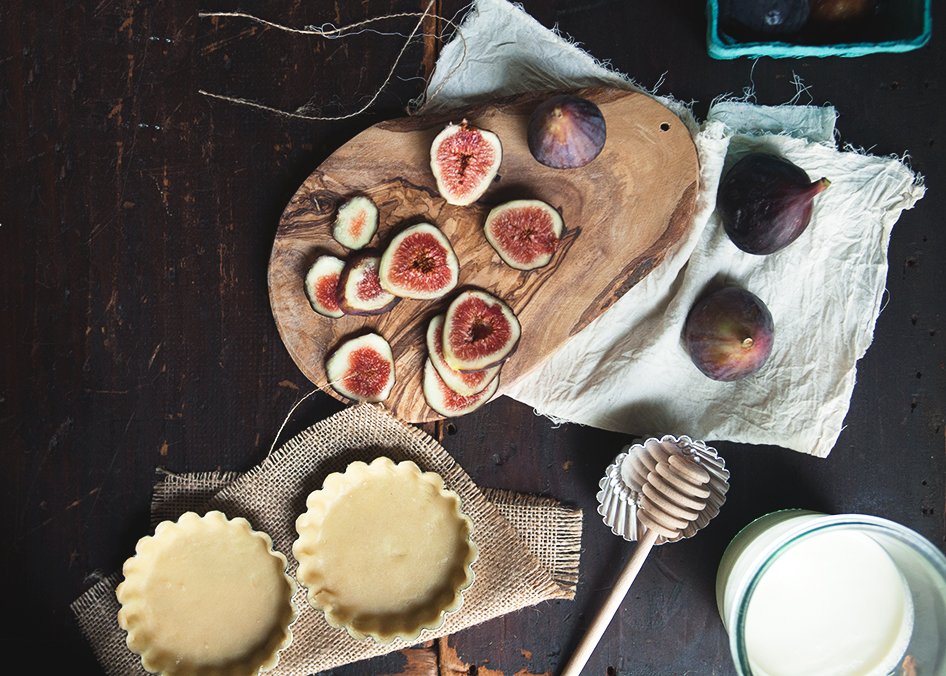
How can I put this? These tartlets are prettier than they taste.
There. I said it. Is it horrible for me to admit that? I mean, what kind of food blogger am I if I’m posting only subpar recipes on my blog?
I can’t help it that figs are so goddamn gorgeous!
On the other hand, the filling, goat cheese flavored, was kind of jarring, a little too weird I guess. I like the fig/goat cheese combination, but as a dessert, I’m afraid I cannot endorse the flavors.

So please, pretend I made this instead. I was originally intending to—I love mascarpone in desserts—but there was an open carton of heavy cream, a package of goat cheese, and some leftover sweet tart dough in the fridge that seemed on the verge of expiring. And when it’s My Stomach vs. The Garbage, I’d much rather the former win, wouldn’t you?
I keep hoping that over time, I’ll learn to be a more prudent shopper. The kind who knows what she’s going to cook in the upcoming week. The kind who doesn’t end up tossing moldy bread and vegetables that have turned to mush and strange-smelling leftovers into the garbage. The kind who knows how to jie jue, get rid of. My dad always used to use this phrase whenever there was something that was on the verge of going bad that absolutely had to be eaten. He would make us feel guilty when he sacrificed his stomach for the higher cause of Food Conservation. The guilt didn’t stick, evidently.

I shouldn’t be too hard on myself because I’m not that bad. Has anyone mastered the art of not wasting food, completely and utterly? I dare you to say yes—and then to explain how you do it. Like, what would you do if you had, say, half a can of canned tomatoes and coconut milk that had been sitting around for awhile, a half bag of brownish green beans, a few stalks of withering scallions, a moldy hunk of cheddar, a bagful of sludge-y mixed greens, and about-to-expire whole milk to get rid of?
That’s not hypothetical by the way.

As far as these fig tartlets are concerned, they tasted alright, especially within the first couple hours of the figs being sliced and filling being made. To improve their taste, here’s what I would do: increase the honey by a significant amount until it almost masks the flavor of the goat cheese. (I ran out of honey, go figure.)
Or I would just make the mascarpone filling. But only if you’ve got some around that needs to be used up.


FRESH FIG TARTLETS
Sweet tart dough recipe from Tartine
Makes roughly 6 4-inch tartlets, though you may have leftover filling
Ingredients:
For the tart dough:
1/2 cup + 1 Tbsp unsalted butter, at room temperature
1/2 cup sugar
1/8 tsp salt
1 large egg, room temperature
1-3/4 cups all-purpose flour
For the filling:
2 cups heavy cream, cold
4 oz. goat cheese, room temperature
1/4 cup honey (I would recommend using more, to taste)
1/2 tsp vanilla extract
8 to 10 fresh figs
Directions:
For the tart dough:
Using a stand mixer, mix on medium speed the butter, sugar, and salt until smooth. Mix in the egg. Stop the mixer and scrape down the sides of the bowl. Add the flour all at once and mix on low speed until just incorporated.
On a lightly floured work surface, divide the dough into 2 equal balls and shape each into a disk of about 1/2 inch thick. Wrap in plastic wrap and chill for at least 2 hours or overnight.
When you’re ready to line a tart pan, on a lightly floured surface, roll out a disk until it’s about 1/8 inch thick. Work quickly so the dough doesn’t become too warm and unworkable. (Refrigerate it for about 10 minutes when this happens.) Cut out a circle larger than the mold, then ease the circle lightly onto the pan. Gently press in the sides, but try not to stretch the dough too much or it’ll shrink during baking. Refrigerate the shell for about 15 minutes until it is firm. (At this point, you can store your dough in the fridge for later use.)
Start preheating your oven at 325 degrees. Dock (make small holes using a fork) the bottom of the tart shell. Bake them in the oven for 10 to 12 minutes until golden brown. Set aside to cool.
For the filling:
In the bowl of a stand mixer outfitted with the whisk attachment, whip the cream to medium stiff peaks. In another bowl, mix the goat cheese, honey, and vanilla and gently fold in the whipped cream.
To assemble:
Spoon the filling into the cooled shell. Slice the figs into sixths and arrange on top of the filling.
Related Posts





Subscribe for New Racipies
Get mental health tips, updates, and resources delivered to your inbox.
Are Broccoli Acidic? Broccoli and Acid Reflux

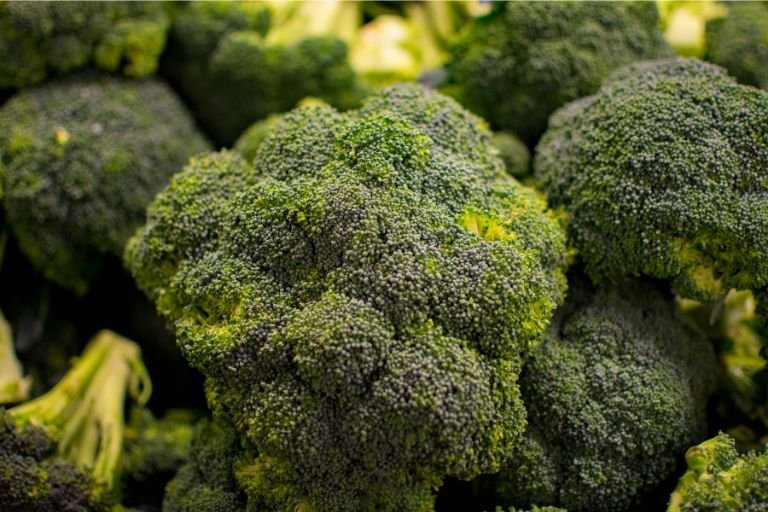
Broccoli is widely regarded as one of the healthiest vegetables, offering an abundance of vitamins, minerals, and antioxidants. However, for individuals dealing with acid reflux or GERD, questions arise about its acidity and whether it’s a safe food to consume. Does broccoli trigger acid reflux? Or could it actually help manage symptoms?
In this article, we’ll break down the acidity of broccoli, its effects on acid reflux, and practical tips for incorporating this superfood into your diet safely. Read on to discover everything you need to know about broccoli and its role in managing acid reflux.
Exploring Broccoli’s Acidity: Is Broccoli Acidic or Alkaline?
Broccoli has long been celebrated as a highly nutritious vegetable, but understanding its pH level is crucial for those managing acid reflux.
1. The pH Level of Broccoli
Broccoli is classified as a mildly alkaline food, with a pH level ranging between 6.5 and 7.5. This makes it slightly above neutral on the pH scale. Unlike acidic foods, broccoli is less likely to aggravate acid reflux and may even help balance stomach acidity.
2. Why Broccoli Is Alkaline
- Low Natural Acidity: Unlike citrus fruits or tomatoes, broccoli contains minimal natural acids.
- Rich in Minerals: Minerals like magnesium and calcium contribute to broccoli’s alkalizing effect in the body, helping neutralize stomach acid.
In summary, broccoli is an alkaline vegetable, making it a favorable option for individuals seeking reflux-friendly foods.
The Nutritional Benefits of Broccoli for Acid Reflux
Broccoli’s nutritional profile offers significant health benefits, including its ability to support digestive health. Here’s why broccoli can be a great addition to your diet:
1. High Fiber Content
Broccoli is an excellent source of dietary fiber, which helps promote smooth digestion. Fiber prevents constipation and reduces the risk of bloating, both of which can exacerbate acid reflux symptoms.
2. Anti-Inflammatory Properties
This green vegetable is packed with antioxidants like sulforaphane, which reduce inflammation in the digestive tract. A less inflamed esophagus can lead to fewer acid reflux episodes.
3. Vitamins and Minerals
Broccoli is rich in essential nutrients, including:
- Vitamin C: Helps heal damaged tissues in the esophagus caused by acid reflux.
- Vitamin K: Plays a role in maintaining healthy digestion.
- Magnesium: Known to help balance stomach acid levels.
4. Low Fat and Calories
Unlike fatty foods, broccoli is low in fat and calories, making it a safe and light choice for those prone to reflux.
Can Broccoli Cause Acid Reflux? Debunking Common Myths
Although broccoli is generally considered safe for acid reflux, there are instances where it may cause discomfort. Let’s explore the circumstances under which broccoli could potentially lead to acid reflux.
1. Overeating Broccoli
Consuming large quantities of broccoli in one sitting can cause bloating and gas, putting pressure on the lower esophageal sphincter (LES) and triggering reflux symptoms.
2. Raw Broccoli vs. Cooked Broccoli
- Raw Broccoli: The high fiber content in raw broccoli can be harder to digest for some individuals, leading to bloating or gas.
- Cooked Broccoli: Steamed or boiled broccoli is easier to digest and less likely to cause discomfort.
3. Individual Sensitivities
Some people may be sensitive to cruciferous vegetables like broccoli, which can lead to mild digestive discomfort. However, this varies from person to person and is not indicative of the vegetable being acidic.
How to Incorporate Broccoli into a Reflux-Friendly Diet?
To enjoy broccoli without triggering acid reflux, it’s essential to prepare and pair it appropriately. Follow these tips for a reflux-safe experience:
1. Opt for Gentle Cooking Methods
- Steaming: Steamed broccoli retains most of its nutrients while being easier on the stomach.
- Boiling: Lightly boiled broccoli is soft and gentle on the digestive system.
- Roasting: Roasting broccoli with a drizzle of olive oil and mild spices can add flavor without increasing acidity.
2. Avoid Over-Seasoning
Spicy or acidic seasonings like chili powder, garlic, or vinegar should be avoided, as they can irritate the stomach and trigger reflux. Instead, use reflux-friendly seasonings like dill, parsley, or turmeric.
3. Pair with Alkaline Foods
Combine broccoli with other reflux-friendly, alkaline foods such as:
- Quinoa or brown rice
- Sweet potatoes
- Leafy greens like spinach or kale
4. Control Portion Sizes
Stick to moderate portions to avoid overeating, which can put pressure on the LES and worsen reflux symptoms.
Related To Read: Are Salads Healthy?
Broccoli Recipes for Acid Reflux Sufferers
1. Steamed Broccoli with Olive Oil and Lemon-Free Dressing
- Ingredients: Fresh broccoli, olive oil, salt, and pepper.
- Instructions: Steam broccoli for 5-7 minutes, drizzle with olive oil, and season lightly with salt and pepper for a quick, reflux-friendly side dish.
2. Broccoli and Quinoa Bowl
- Ingredients: Steamed broccoli, cooked quinoa, cucumber slices, and a light yogurt dressing.
- Instructions: Mix all ingredients in a bowl and top with a yogurt-based dressing for a healthy, acid reflux-friendly meal.
3. Broccoli and Sweet Potato Mash
- Ingredients: Boiled broccoli, steamed sweet potatoes, and a pinch of salt.
- Instructions: Blend the ingredients into a smooth mash for a hearty, alkaline-rich dish.
Recipe: Broccoli Rabe & Egg Pizza
Tips for Managing Acid Reflux When Eating Broccoli
Even reflux-friendly foods like broccoli should be consumed mindfully. Here are some additional tips to ensure comfort while eating broccoli:
1. Chew Thoroughly
Properly chewing your food aids digestion and reduces the likelihood of gas or bloating.
2. Avoid Eating Late at Night
Finish meals at least 2-3 hours before bedtime to minimize nighttime reflux.
3. Maintain an Upright Position After Meals
Sitting or standing after eating helps keep stomach acid from flowing back into the esophagus.
4. Listen to Your Body
If you notice that broccoli consistently causes discomfort, try smaller portions or switch to alternative vegetables like zucchini or carrots.
FAQs About Broccoli and Acid Reflux
1. Is broccoli acidic or alkaline?
Broccoli is alkaline, with a pH level between 6.5 and 7.5.
2. Can broccoli trigger acid reflux?
While broccoli is generally safe, overeating or consuming it raw may cause bloating or gas, which can indirectly trigger reflux.
3. Is steamed broccoli good for acid reflux?
Yes, steamed broccoli is a gentle and reflux-friendly preparation method.
4. Are other cruciferous vegetables safe for acid reflux?
Most cruciferous vegetables like cauliflower and Brussels sprouts are safe when cooked but may cause gas or bloating in sensitive individuals.
5. Can broccoli help reduce acid reflux symptoms?
Broccoli’s alkaline nature and anti-inflammatory properties can help reduce reflux symptoms for many individuals.
Conclusion
Broccoli is a mildly alkaline, nutrient-rich vegetable that can be safely enjoyed by most individuals with acid reflux. By preparing it with gentle cooking methods, avoiding acidic or spicy seasonings, and pairing it with alkaline foods, you can incorporate broccoli into a reflux-friendly diet without discomfort.
As with any food, portion control and individual sensitivities are key. If you’ve been avoiding broccoli due to acid reflux concerns, this guide offers you practical tips and recipes to enjoy its numerous health benefits worry-free.
Feel free to share this article with others and explore more of our acid reflux-friendly content for tips on maintaining a healthy and comfortable diet!
Related Posts


Subscribe for New Racipies
Get mental health tips, updates, and resources delivered to your inbox.