
Are Red Peppers Acidic? Red Peppers and Acid Reflux Explained

Medically reviewed by Aneeza Pervez Updated Date: January 2, 2026
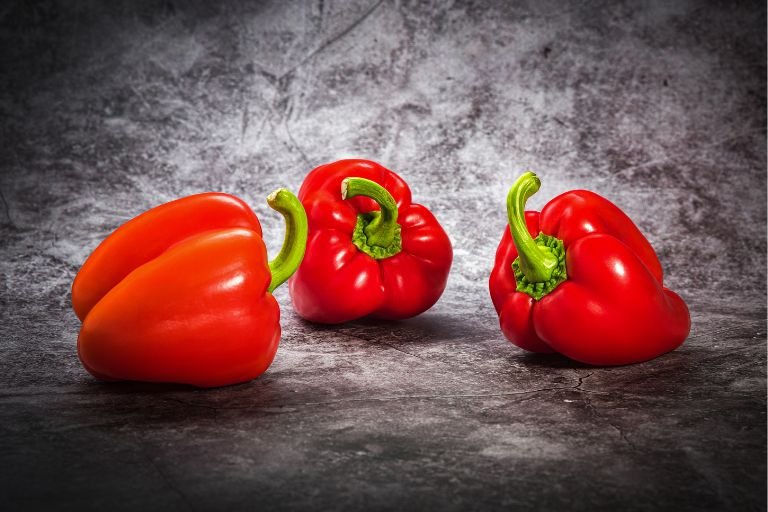
If you’re someone who struggles with acid reflux or GERD (Gastroesophageal Reflux Disease), you might be looking for ways to control your symptoms through diet.
Acid reflux occurs when stomach acid flows backward into the esophagus, causing discomfort, heartburn, and even chest pain. One common question that comes up is whether certain foods, like red peppers, contribute to acid reflux.
In this article, we’ll take a closer look at whether red peppers are acidic, how they affect your stomach, and whether they are safe to eat if you have acid reflux.
First, Let’s Look at What is Acid Reflux?
Acid reflux is a condition where stomach acid or bile irritates the food pipe (esophagus). Normally, a ring of muscle (the lower esophageal sphincter, or LES) keeps acid from backing up into the esophagus. But when the LES is weak or relaxes abnormally, acid can flow upward, leading to symptoms like heartburn, regurgitation, and even a sour taste in the mouth.
GERD (Gastroesophageal Reflux Disease) is a more severe, chronic form of acid reflux. Many people with acid reflux try to manage their symptoms by adjusting their diet, avoiding trigger foods, and seeking remedies to soothe discomfort.
The Nutritional Profile of Red Peppers
Before diving into whether red peppers are acidic, it’s helpful to understand their nutritional value. Red peppers, also known as bell peppers, are packed with vitamins and antioxidants. They are a rich source of Vitamin C, Vitamin A, and Vitamin B6. In fact, one red bell pepper contains more Vitamin C than an orange!
They are also a low-calorie, high-water content food, making them a healthy choice for many people. Additionally, red peppers contain a compound called capsaicin, which is responsible for the spicy flavor in certain peppers. However, red bell peppers are typically not spicy compared to other varieties, such as chili peppers.
But how do these nutritional aspects relate to acid reflux?
Are Red Peppers Acidic?
Red peppers are considered to be mildly acidic but not as acidic as other fruits like tomatoes or citrus. The pH of red bell peppers generally ranges from 4.8 to 5.2, meaning they are slightly acidic but not strongly so.
Acidity in foods is often a concern for people with acid reflux because highly acidic foods can trigger the LES to relax, leading to acid backflow. However, the acidity of red peppers is relatively low compared to other common acidic foods like citrus fruits, tomatoes, or vinegar. Still, some individuals may experience irritation due to their specific sensitivity, especially when eaten raw.
Related to Read: Are Bell Peppers Bad for Acid Reflux?
Is Red Bell Pepper Acidic or Alkaline?
It’s important to distinguish between acidity and alkalinity when talking about foods. While red bell peppers have a low pH, they are considered alkaline-forming in the body after digestion. This is because, once metabolized, bell peppers can have an alkalizing effect on the stomach.
Many people with acid reflux seek foods that help alkalize the body, as they may neutralize stomach acid and reduce symptoms. Red peppers fit into this category, as they help balance acidity levels after digestion.
Do Red Pepper Trigger Acid Reflux?
While red peppers are not considered highly acidic, their effects on acid reflux can vary from person to person. Some individuals may find that even mildly acidic foods, such as red peppers, can trigger symptoms like heartburn or regurgitation. This is because of the capsaicin content, which can irritate the digestive tract in sensitive individuals.
It’s important to note that eating raw red peppers may cause more irritation due to their fiber content and the raw form of capsaicin. On the other hand, cooked red peppers may be easier on the stomach and less likely to cause discomfort.
If you have acid reflux, you might need to experiment with cooked red peppers to see if they work for you. Cooking peppers can break down the fiber and may make them gentler on your digestive system.
What About Other Bell Peppers?
Bell peppers come in different colors, and you might wonder if red peppers are more acidic than yellow or green bell peppers. In general, all bell peppers have a similar level of acidity. However, red bell peppers tend to be sweeter and lower in acidity compared to green bell peppers, which are harvested before they ripen.
Yellow and orange peppers are also relatively mild and may be less irritating for people with acid reflux compared to red or green peppers.
Which Vegetables Are Best for Acid Reflux?
If you’re looking to manage acid reflux through your diet, it’s important to choose vegetables that are low in acid and easy on your digestive system. Here are some of the best vegetables to include in an acid reflux-friendly diet:
- Leafy Greens: Spinach, kale, and lettuce are great choices because they are low in acidity.
- Cucumbers: With their high water content, cucumbers are soothing to the digestive tract.
- Broccoli: Packed with fiber, broccoli is another non-acidic vegetable that can help digestion.
- Cauliflower: Another alkaline-forming vegetable that is mild and easy to digest.
Avoid vegetables like tomatoes, onions, and spicy peppers, as these can trigger acid reflux in many individuals.
Can You Eat Red Peppers If You Have Acid Reflux?
The answer depends on your personal sensitivity to red peppers. If you’re unsure whether red peppers cause you discomfort, start by eating them in small amounts and cooked. Cooking can reduce the harshness of raw vegetables and may make them easier on your stomach. If you notice symptoms like heartburn or indigestion, it might be best to avoid them.
For people with acid reflux who can tolerate red peppers, they can be a healthy addition to your diet. Just be mindful of how they are prepared and consider pairing them with other alkaline or low-acid foods like rice, avocados, or cooked potatoes.
Common Questions About Red Peppers and Acid Reflux
1. Is black pepper good for acid reflux?
Black pepper can be a trigger for some people with acid reflux, as it contains piperine, a compound that may relax the LES and allow stomach acid to flow back into the esophagus. If you have acid reflux, it may be best to limit or avoid black pepper.
2. Does black pepper cause acid reflux?
Yes, black pepper can irritate the digestive system and cause acid reflux in some individuals, especially in large amounts. People with GERD are often advised to avoid spicy and peppery foods to reduce symptoms.
3. Why do red bell peppers give me heartburn?
If you experience heartburn after eating red bell peppers, it could be due to their mildly acidic nature, fiber content, or the capsaicin. Every individual’s digestive system is different, so some may be more sensitive to red peppers than others.
4. Can I eat tomatoes if I have acid reflux?
Tomatoes are a common trigger for acid reflux because they are highly acidic. If you have acid reflux, it’s often recommended to avoid tomatoes and foods made with tomatoes, such as tomato sauce.
Conclusion
Red peppers are a healthy, nutrient-dense food that offers many benefits, including high levels of Vitamin C and antioxidants. While they are not highly acidic compared to other fruits and vegetables, they can still irritate the digestive system in some people with acid reflux. If you have acid reflux, you might want to experiment with cooked red peppers in moderation to see if they cause any discomfort.
Remember that everyone’s body reacts differently to foods, and managing acid reflux often involves a combination of dietary changes and lifestyle adjustments. If you’re uncertain about including red peppers or any other foods in your diet, it’s always a good idea to consult a healthcare professional or a dietitian for personalized advice.
If you’re looking for more tips on managing acid reflux through diet, subscribe to our newsletter or explore our other resources on acid reflux-friendly meals.
Related Posts



Subscribe for New Racipies
Get mental health tips, updates, and resources delivered to your inbox.
Dulce De Leche Rice Krispie Treats



This idea popped into my head the other day on my way to work. Rice Krispie treats with a new twist. I love Rice Krispie treats and I know they have been done several ways, but I don’t think anyone has used dulce de leche before, so I wanted to be the first.

Dulce de Leche Rice Krispie Treats

by The Sweet Chick
Prep Time: 15-20min
Cook Time: 5 min
Keywords: no bake dessert rice krispies dulce de leche white chocolate chips
Ingredients (12 servings)
- 3 tbsp butter or margarine
- 1pkg (10 oz.) regular marshmallows or
- 4 cups mini marshmallows
- 1/2 cup dulce de leche
- 6 oz. white chocolate chips
- 6 cups Rice Krispies cereal
- 4 squares (4 oz.) Baker’s semi-sweet baking chocolate
Instructions
In a large sauce pan, melt butter and marshmallows over low heat. Stir until completely melted.
Remove from heat. Add dulce de leche and stir until all incorporated. Then add Rice Krispies cereal.
Add white chocolate chips and carefully blend into the Rice Krispies mixture. Some of the chocolate may melt.
Pour the mixture into a greased 9 x 13 pan or a cookie sheet and spread it evenly with a piece of waxed paper.
Place in fridge to cool.
When cooled, melt chocolate squares per directions on package and place in a piping bag or Ziplock bag with tip snipped off. Drizzle the melted chocolate in diagonal pattern across the Rice Krispie treats.
Place the treats back in the fridge to cool.
The combination of the dulce de leche and the white chocolate was fantabulous. And with just that hint of semi-sweet chocolate…perfection! They were a big hit in my household and also at the office. I will definitely be making these again. They are not too sweet and very light. You can’t help but eat more than one.
For Nutritional Information click on the magic button.
Related Posts





Subscribe for New Racipies
Get mental health tips, updates, and resources delivered to your inbox.