
Is Bell Pepper Juice Acidic? Its Role in Managing Acid Reflux

Medically reviewed by Aneeza Pervez Updated Date: January 7, 2026
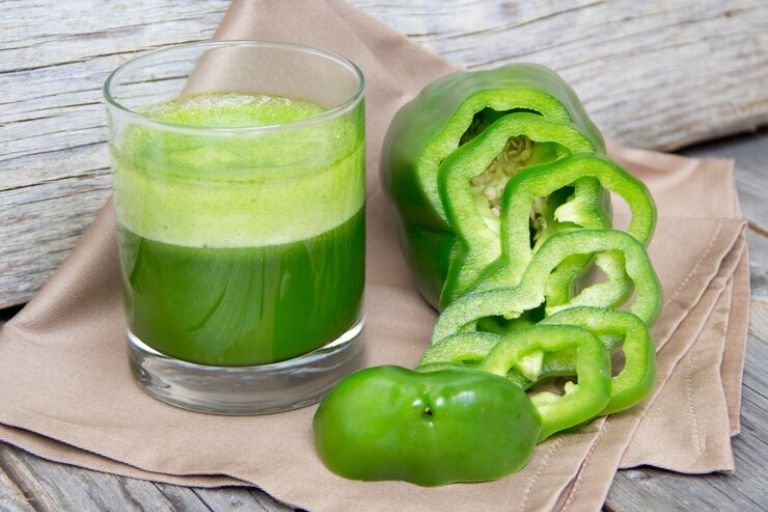
Bell peppers, often celebrated for their vibrant colors and rich nutrient profile, have become a popular ingredient in juices. But if you’re someone who struggles with acid reflux, you may wonder: Is bell pepper juice acidic, and can it fit into an acid reflux-friendly diet? In this article, we’ll explore the acidity of bell pepper juice, its nutritional benefits, and whether it’s a good choice for managing acid reflux.
Is Bell Pepper Juice Acidic?
To determine whether bell pepper juice is acidic, we need to understand its pH level. The pH scale ranges from 0 (highly acidic) to 14 (highly alkaline), with 7 being neutral.
- Bell peppers, especially red and yellow varieties, are naturally low in acidity, with a pH range of approximately 5 to 6. This places them on the less acidic side compared to other vegetables and fruits.
- When juiced, bell peppers retain their relatively low acidity, making bell pepper juice a gentler option for individuals with acid reflux compared to citrus juices or tomato-based beverages.
Nutritional Benefits of Bell Pepper Juice
Bell pepper juice is not only low in acidity but also packed with essential nutrients that can support overall health and digestion. Here are the key nutrients:
1. Vitamin C
Bell peppers are an excellent source of vitamin C, which supports immune function and helps repair tissues. Unlike citrus fruits, their vitamin C content is less likely to irritate the stomach lining.
2. Antioxidants
Bell peppers contain antioxidants like beta-carotene and flavonoids that help reduce inflammation in the body. Chronic inflammation can exacerbate acid reflux, so consuming anti-inflammatory foods may provide relief.
3. Low-Calorie Option
If you’re managing your weight to reduce acid reflux symptoms, bell pepper juice is a low-calorie beverage that can be included in your diet without adding excess calories.
4. Fiber Content
While juicing removes some fiber, bell pepper juice still retains trace amounts that can promote better digestion and gut health.
Bell Pepper Juice and Acid Reflux: Is It Safe?
For individuals with acid reflux, diet plays a pivotal role in symptom management. Here’s why bell pepper juice might be a good addition to your diet:
1. Low Acidity
As mentioned earlier, the low acidity of bell pepper juice makes it less likely to trigger reflux symptoms compared to highly acidic beverages.
2. Anti-Inflammatory Properties
The antioxidants in bell peppers can help combat inflammation, potentially soothing the esophagus and reducing discomfort caused by acid reflux.
3. Gentle on the Stomach
Bell pepper juice lacks the irritants found in spicy or overly acidic foods, making it a gentler choice for those with sensitive stomachs.
How to Prepare Bell Pepper Juice for Acid Reflux Relief
To maximize the benefits of bell pepper juice while minimizing potential triggers, follow these tips:
Ingredients:
- 1-2 fresh bell peppers (red, yellow, or orange)
- 1 cucumber (optional, for added hydration)
- A small piece of ginger (optional, for its digestive benefits)
- Water (as needed)
Preparation Steps:
- Wash the bell peppers thoroughly and remove the seeds and stems.
- Chop the bell peppers into smaller pieces for easier blending.
- Add the bell peppers, cucumber, and ginger to a blender.
- Blend until smooth, adding water if needed to adjust the consistency.
- Strain the juice if you prefer a smoother texture, or leave it as is for more fiber.
- Serve immediately for maximum freshness and nutrient retention.
Tips for Enjoying Bell Pepper Juice Safely
- Avoid Adding Acidic Ingredients: Refrain from adding lemon juice or vinegar, as these can increase the acidity and potentially worsen reflux symptoms.
- Drink in Moderation: While bell pepper juice is gentle, consuming it in large quantities may still lead to discomfort for some individuals.
- Pair with Reflux-Friendly Foods: Combine bell pepper juice with alkaline snacks like oatmeal, bananas, or whole-grain crackers to create a balanced meal.
- Monitor Your Symptoms: Everyone’s tolerance is different. If you experience any discomfort after consuming bell pepper juice, consider reducing the portion size or consulting a healthcare professional.
Other Acid Reflux-Friendly Juices
If you’re looking to diversify your options, here are some other juices that are generally safe for acid reflux sufferers:
- Aloe Vera Juice: Known for its soothing properties.
- Carrot Juice: Mild and rich in nutrients.
- Cucumber Juice: Hydrating and alkaline.
- Melon Juice: Low in acidity and refreshing.
Foods to Avoid with Bell Pepper Juice
To maintain an acid reflux-friendly diet, avoid pairing bell pepper juice with the following:
- Spicy foods
- Fried or greasy snacks
- Acidic fruits like oranges or grapefruits
- Carbonated beverages
Frequently Asked Questions
1. Is bell pepper juice suitable for everyone?
Bell pepper juice is generally safe for most individuals. However, those with specific allergies or sensitivities to bell peppers should avoid it.
2. Can bell pepper juice replace meals?
While bell pepper juice is nutritious, it should complement a balanced diet rather than replace meals. Pair it with other healthy foods for optimal benefits.
3. Which color bell pepper is best for juicing?
Red, yellow, and orange bell peppers are sweeter and less acidic than green ones, making them better choices for juicing, especially for those with acid reflux.
Conclusion: Is Bell Pepper Juice Acidic?
Bell pepper juice is mildly acidic, with a pH that makes it a gentle option for most individuals, including those with acid reflux. Its rich nutrient profile, anti-inflammatory properties, and low acidity make it a valuable addition to an acid reflux-friendly diet.
By preparing bell pepper juice thoughtfully and monitoring your body’s response, you can enjoy this vibrant beverage while keeping acid reflux symptoms at bay. As always, consult a healthcare provider for personalized dietary advice tailored to your specific needs.
Related Posts



Subscribe for New Racipies
Get mental health tips, updates, and resources delivered to your inbox.
Split Pea Soup, Round And Whole And Filling

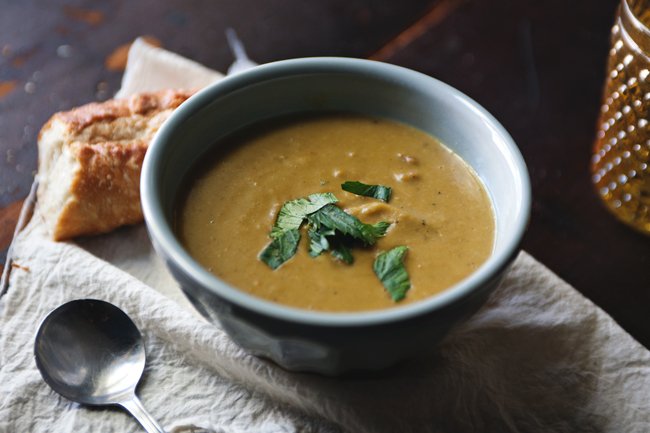
Chris and I split a can of clam chowder the other day. You know, the readymade stuff. I’d forgotten how convenient it was to prepare. You just slap it into a pot and let it come to a boil, and then it’s ready. I’d also forgotten how much I liked it. I hope you’re not shaking your head, shuddering at all the preservatives and chemicals we consumed. Seriously, when you’re in the need for a quick soup fix, canned clam chowder always hits the spot.
And with that, soup season officially began.
After the clam chowder, I immediately found myself craving split pea soup, which I didn’t realize involved tossing a part of a pig into a pot to simmer alongside green split peas and other ingredients. There’s something elusively tantalizing about the smell of smoked meat—it feels round. Round and whole and filling. I think it strikes an instinctual cord in me, the part that huddles as close to a fire as possible until the flames practically lick my hands. No, maybe not that close. I’m a tiny bit afraid of fire.

This soup is a mishmash of legume and vegetables, too. You know what they do? They soften, and sort of melt. The immersion blender finishes the job. The result reminds me of baby food. Green pea puree or something along those lines. Soupy mush in that rare not-quite-yellow, not-quite-green color. Winsome description, I know. But the flavor! I’m not so sure a baby would be able to handle such a taste explosion; it would be too much to process.
I hope you make a huge pot of this soup on a chilly day. You might want to open a couple windows, you’ll be so warmed to the soul.

SPLIT PEA SOUP
Adapted from Bon Appétit
Serves 6
Ingredients:
2 Tbsp butter
1 medium onion
2 cloves garlic
1 cup chopped celery
1 cup chopped peeled carrots
1-1/2 lbs. smoked pork hocks
2 tsp dried marjoram
1 tsp dried oregano
2 cups green split peas
6 cups water
Directions:
Melt butter in heavy large pot or Dutch oven over medium-high heat. Add onion, garlic, celery, and carrots. Sauté until vegetables begin to soften, about 8 minutes. Add pork, marjoram, and oregano; stir 1 minute. Add peas, then water, and bring to boil.
Reduce heat to medium-low. Partially cover pot; simmer soup until pork and vegetables are tender peas are falling apart, stirring often, about 1 hour and 10 minutes.
When ready, remove hocks. Using an immersion blender or regular blender (being careful not to overfill it), puree the soup. Cut pork off bones, dice it, and return to soup. Season with salt and pepper.
Related Posts

Subscribe for New Racipies
Get mental health tips, updates, and resources delivered to your inbox.