
Are Almond Cookies Acidic? Almond Cookies and Acid Reflux

Medically reviewed by Aneeza Pervez Updated Date: January 2, 2026

Almond cookies, beloved for their nutty flavor and crumbly texture, are a popular treat worldwide. Whether enjoyed with tea, coffee, or as a standalone snack, these cookies are a staple in many households. However, for individuals managing acid reflux, the question arises: Are almond cookies acidic, and can they trigger reflux symptoms? Understanding the ingredients and their effects on digestion is essential for those seeking a reflux-friendly diet.
Acid reflux, also known as gastroesophageal reflux disease (GERD), occurs when stomach acid flows back into the esophagus, causing discomfort and irritation. Dietary choices play a crucial role in managing this condition, and certain foods are more likely to exacerbate symptoms. Almond cookies, while seemingly innocent, contain ingredients that can affect their acidity and impact on reflux. This article delves into the acidity of almond cookies, their nutritional profile, and practical tips for enjoying them without triggering reflux symptoms.
Are Almond Cookies Acidic or Alkaline?
Almond cookies can be slightly acidic, primarily due to the ingredients used in their preparation. Almonds themselves are mildly acidic, with a pH ranging from 6.0 to 7.0, making them relatively neutral compared to other nuts. However, the addition of other ingredients like sugar, butter, and flour can influence the overall acidity of the cookies.
- Almonds: While almonds are mildly acidic, they are considered alkaline-forming after digestion, meaning they can help balance the body’s pH levels.
- Sugar and Butter: These ingredients are more acidic and may contribute to acid production in the stomach. Excessive consumption of sugary or buttery foods can lead to digestive discomfort.
- Flour: Refined white flour, commonly used in cookies, is also mildly acidic and can contribute to reflux symptoms in sensitive individuals.
The overall impact of almond cookies on acid reflux largely depends on portion size, functional food, individual tolerance, and the specific recipe. Homemade almond cookies with minimal sugar and butter may be less likely to trigger reflux than store-bought varieties laden with additives.
Almond Cookies and Acid Reflux: The Connection
1. Ingredients and Their Impact on Reflux
Almond cookies typically contain ingredients like almonds, sugar, butter, eggs, and flour. Each of these components can influence acid reflux:
- Almonds: As mentioned earlier, almonds are mildly acidic but become alkaline-forming after digestion. They also contain healthy fats that can help coat the stomach lining, potentially reducing acid reflux symptoms.
- Sugar: High sugar content can stimulate acid production in the stomach, increasing the likelihood of reflux symptoms.
- Butter and Fat: Foods high in fat, like butter, can relax the lower esophageal sphincter (LES), allowing stomach acid to flow back into the esophagus.
- Refined Flour: This ingredient can spike blood sugar levels and contribute to digestive discomfort in some individuals.
Author Tip: 7 Kinds of Foods to Avoid with GERD
2. Portion Control and Timing
Even if almond cookies are made with reflux-friendly ingredients, consuming large quantities or eating them late at night can increase the risk of acid reflux. The body’s ability to digest and metabolize food slows down during the evening, making it important to eat smaller portions earlier in the day.
Tips for Enjoying Almond Cookies Without Triggering Reflux
1. Opt for Homemade Recipes
Preparing almond cookies at home allows you to control the ingredients. Use:
- Whole almonds or almond flour for a healthier base.
- Natural sweeteners like honey or maple syrup instead of refined sugar.
- Plant-based oils like coconut or olive oil instead of butter.
2. Pair with Alkaline Foods
To neutralize the acidity of almond cookies, pair them with alkaline foods like:
- Unsweetened almond milk.
- Fresh fruits like bananas or melons.
- Herbal teas, such as chamomile or ginger.
3. Limit Portion Sizes
Stick to one or two small cookies per serving to avoid overloading your stomach. Overeating can increase pressure on the LES and lead to reflux symptoms.
4. Avoid Eating Before Bed
Allow at least 2-3 hours between eating almond cookies and lying down to give your body enough time to digest and reduce the risk of nighttime reflux.
Author Tip: 7-Day Meal Plan For Gastritis
Health Benefits of Almond Cookies
Almond cookies offer several health benefits when consumed in moderation:
- Rich in Nutrients: Almonds are a great source of Vitamin E, magnesium, and healthy fats.
- Energy Boost: The combination of almonds and natural sweeteners provides a quick energy boost, making them an ideal snack.
- Gluten-Free Options: Almond flour can be used to make gluten-free almond cookies, suitable for those with gluten intolerance.
- Supports Heart Health: The healthy fats in almonds can help lower bad cholesterol levels and improve heart health.
Final Thoughts
Are almond cookies acidic? While they do contain mildly acidic ingredients, their overall impact on acid reflux depends on the recipe, portion size, and individual sensitivity. Almonds, the primary ingredient, are alkaline-forming after digestion and can offer health benefits when incorporated into a balanced diet.
To enjoy almond cookies without triggering reflux, opt for homemade recipes with natural sweeteners and minimal butter. Pair them with alkaline foods, control portions, and avoid late-night snacking. By making mindful choices, almond cookies can be a delicious and reflux-friendly treat for those managing acid reflux.
Related Posts



Subscribe for New Racipies
Get mental health tips, updates, and resources delivered to your inbox.
Split Pea Soup, Round And Whole And Filling

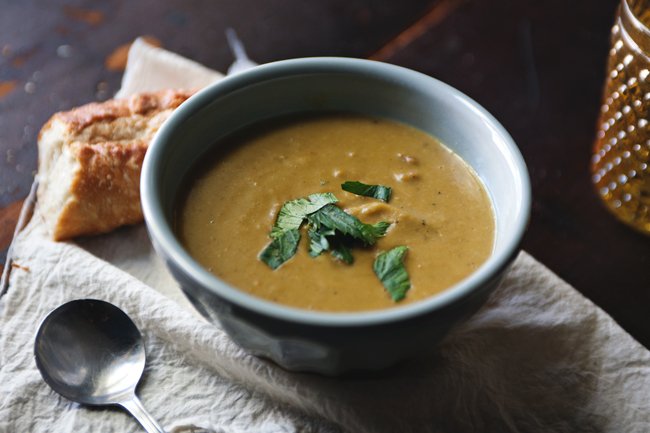
Chris and I split a can of clam chowder the other day. You know, the readymade stuff. I’d forgotten how convenient it was to prepare. You just slap it into a pot and let it come to a boil, and then it’s ready. I’d also forgotten how much I liked it. I hope you’re not shaking your head, shuddering at all the preservatives and chemicals we consumed. Seriously, when you’re in the need for a quick soup fix, canned clam chowder always hits the spot.
And with that, soup season officially began.
After the clam chowder, I immediately found myself craving split pea soup, which I didn’t realize involved tossing a part of a pig into a pot to simmer alongside green split peas and other ingredients. There’s something elusively tantalizing about the smell of smoked meat—it feels round. Round and whole and filling. I think it strikes an instinctual cord in me, the part that huddles as close to a fire as possible until the flames practically lick my hands. No, maybe not that close. I’m a tiny bit afraid of fire.

This soup is a mishmash of legume and vegetables, too. You know what they do? They soften, and sort of melt. The immersion blender finishes the job. The result reminds me of baby food. Green pea puree or something along those lines. Soupy mush in that rare not-quite-yellow, not-quite-green color. Winsome description, I know. But the flavor! I’m not so sure a baby would be able to handle such a taste explosion; it would be too much to process.
I hope you make a huge pot of this soup on a chilly day. You might want to open a couple windows, you’ll be so warmed to the soul.

SPLIT PEA SOUP
Adapted from Bon Appétit
Serves 6
Ingredients:
2 Tbsp butter
1 medium onion
2 cloves garlic
1 cup chopped celery
1 cup chopped peeled carrots
1-1/2 lbs. smoked pork hocks
2 tsp dried marjoram
1 tsp dried oregano
2 cups green split peas
6 cups water
Directions:
Melt butter in heavy large pot or Dutch oven over medium-high heat. Add onion, garlic, celery, and carrots. Sauté until vegetables begin to soften, about 8 minutes. Add pork, marjoram, and oregano; stir 1 minute. Add peas, then water, and bring to boil.
Reduce heat to medium-low. Partially cover pot; simmer soup until pork and vegetables are tender peas are falling apart, stirring often, about 1 hour and 10 minutes.
When ready, remove hocks. Using an immersion blender or regular blender (being careful not to overfill it), puree the soup. Cut pork off bones, dice it, and return to soup. Season with salt and pepper.
Related Posts

Subscribe for New Racipies
Get mental health tips, updates, and resources delivered to your inbox.