
Is Almond Milk Acidic? Exploring Its Impact on Acid Reflux

Medically reviewed by Aneeza Pervez Updated Date: January 2, 2026
Almond milk has become a popular alternative to dairy milk, thanks to its rich flavor, nutritional benefits, and suitability for various dietary restrictions. But if you’re managing acid reflux or concerned about food acidity, you might wonder: Is almond milk acidic? This article dives deep into almond milk’s acidity, its role in an acid reflux-friendly diet, and how it compares to other types of milk.
In this comprehensive guide, we’ll explore almond milk’s pH level, its effect on digestion, and its compatibility with those who experience acid reflux. Whether you’re looking for a dairy alternative or simply curious about its properties, this article provides everything you need to know about almond milk and its potential benefits.
Is Almond Milk Acidic or Alkaline?
Studies at The American College of Healthcare Science’s mentioned that Almond milk is considered alkaline-forming rather than acidic. While its pH level typically ranges from 6.0 to 8.4, depending on the brand and additives, almond milk’s overall effect on the body is alkalizing.
Why Almond Milk is Alkaline-Forming?
- Natural Composition: Almonds, the primary ingredient in almond milk, are inherently alkaline-forming.
- Low Acidity: Unlike dairy milk, almond milk lacks lactose, a sugar that can contribute to acidity.
- Fortified Nutrients: Most almond milk brands are fortified with calcium and vitamin D, supporting an alkaline balance in the body.
Almond Milk and Acid Reflux
Almond milk is often recommended for individuals with acid reflux. Its natural alkalinity helps neutralize stomach acid, reducing heartburn and discomfort. Here’s why almond milk is a go-to option for those managing GERD or acid reflux:
Benefits for Acid Reflux Sufferers
- Alkalizing Effect: Helps balance pH levels in the stomach.
- Low Fat Content: High-fat foods can exacerbate reflux, but almond milk is naturally low in fat.
- Lactose-Free: Unlike cow’s milk, almond milk doesn’t contain lactose, which can be difficult to digest for some people.
How to Use Almond Milk for Acid Reflux Relief?
- Add almond milk to smoothies with alkaline fruits like bananas.
- Use it as a base for oatmeal or cereals.
- Replace dairy milk in coffee or tea to reduce acidity.
Author Tip: Are Almond Milk Good for Acid Reflux?
Comparing Almond Milk to Other Milk Alternatives
When choosing milk for acid reflux, it’s essential to consider acidity levels and how each type of milk interacts with your digestive system. Below is a comparison of almond milk with other popular milk options:
| Type of Milk | pH Level | Effect on Acid Reflux |
| Almond Milk | 6.0–8.4 | Alkaline-forming; soothing for acid reflux |
| Cow’s Milk (Whole) | 6.5 | Neutral to slightly acidic; high-fat content can trigger reflux |
| Oat Milk | 6.0–7.0 | Neutral; may be suitable for acid reflux sufferers |
| Soy Milk | 7.0–8.0 | Neutral to slightly alkaline; can be reflux-friendly |
| Coconut Milk | 6.1–7.0 | Neutral; high-fat content may aggravate reflux |
Related to Read: Is Goat Milk Acidic?
Nutritional Benefits of Almond Milk
Almond milk is not only gentle on the stomach but also packed with essential nutrients:
| Nutrient | Amount per 1 Cup (240ml) | Health Benefit |
| Calcium | 450 mg | Strengthens bones |
| Vitamin D | 2.5 mcg | Supports immune function |
| Vitamin E | 7.5 mg | Acts as an antioxidant |
| Low Calories | 30–60 calories | Aids in weight management |
Tips for Choosing the Best Almond Milk
When buying almond milk, consider these tips to maximize its benefits for acid reflux:
- Choose Unsweetened Varieties: Avoid added sugars, which can contribute to acidity.
- Check for Fortification: Opt for brands fortified with calcium and vitamin D.
- Avoid Additives: Some almond milk contains preservatives or flavorings that may irritate the stomach.
Author Tip: 7-Day Meal Plan For Gastritis
FAQs About Almond Milk and Acidity
Is almond milk OK for acid reflux?
Yes, almond milk is an excellent option for acid reflux sufferers. Its alkaline properties help neutralize stomach acid, and its low-fat, lactose-free nature makes it easy to digest.
Does almond milk have high acidity?
No, almond milk does not have high acidity. It is slightly alkaline-forming and is considered one of the least acidic milk alternatives.
What kind of milk is the least acidic?
Almond milk and soy milk are among the least acidic milk options, making them ideal choices for individuals with acid reflux.
Is almond alkaline or acidic?
Almonds and almond milk are considered alkaline-forming. They help balance the body’s pH levels and are less likely to cause acid reflux.
Conclusion: Is Almond Milk a Good Choice for Acid Reflux?
Almond milk’s alkaline properties and low-fat content make it an excellent choice for managing acid reflux. Its nutritional benefits and versatility further enhance its appeal, whether used as a dairy substitute or consumed on its own. When choosing almond milk, opt for unsweetened, minimally processed varieties to maximize its positive impact on digestion and overall health.
By incorporating almond milk into your diet, you can enjoy a flavorful, reflux-friendly alternative that supports your digestive health.
Related Posts





Subscribe for New Racipies
Get mental health tips, updates, and resources delivered to your inbox.
Grandma Old Fashioned Sweet Potato Pie Recipe


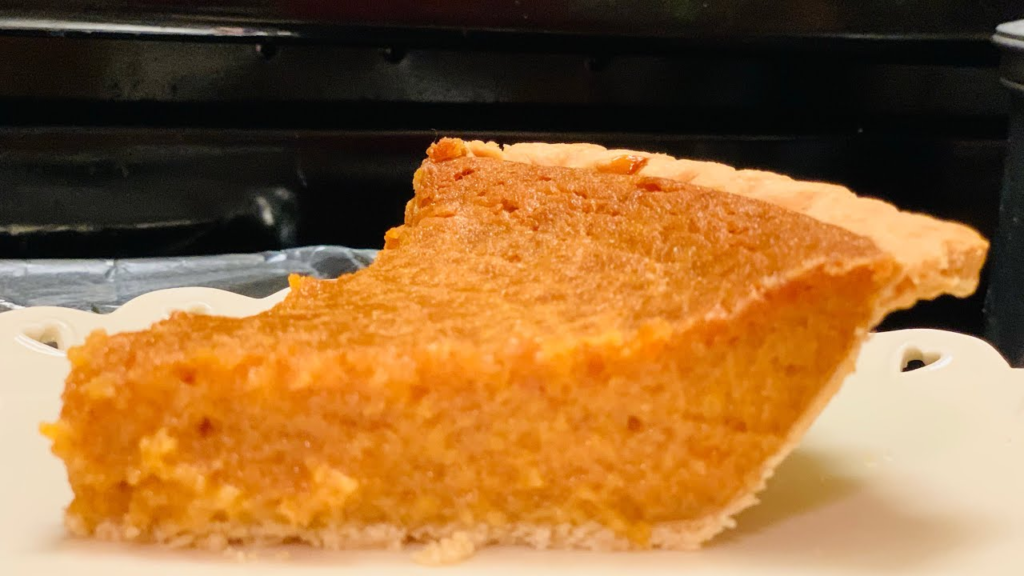
Few things conjure up feelings of warmth and nostalgia like an Old Fashioned Sweet Potato Pie, a classic favorite that has been cherished in family gatherings for generations. This delicious dessert often brings to mind cozy family dinners, laughter around the table, and stories from the past.
What if you could recreate this mouthwatering delight, just like grandma used to make? Today, we’re going to do just that! This article will introduce you to Grandma’s old-fashioned sweet potato pie recipe that will bring you back to those beautiful memories of yesteryears.
Grandma’s Recipe
A Culinary Journey into the Past: We know that the best recipes are those that have stood the test of time, and grandma’s old-fashioned sweet potato pie is a shining example. This delicacy is not just a pie; it’s a narrative of generations, woven with love, warmth, and of course, unbeatable flavors.
How Sweet Potato Pie Became a Classic?
Sweet potato pie is a Southern delicacy that has been loved for centuries. It’s believed to have originated from African-American culture during the era of slavery, as an alternative to the European-style pumpkin pie. Over the years, it has become a favorite, especially during holidays like Thanksgiving and Christmas. Grandma’s old-fashioned sweet potato pie recipe is a testament to this culinary tradition.
How to Make Grandma’s Old Fashioned Sweet Potato Pie?
Creating this nostalgic treat is a labor of love, as it involves careful preparation and attention to detail. Here’s a step-by-step guide to making your own old-fashioned sweet potato pie, inspired by grandma’s recipe.
Ingredients:
- 2 cups mashed sweet potatoes (about 3-4 medium-sized sweet potatoes)
- 1 cup granulated sugar
- 1/2 cup unsalted butter, melted
- 1/2 cup milk
- 2 large eggs
- 1 teaspoon vanilla extract
- 1/2 teaspoon ground cinnamon
- 1/4 teaspoon ground nutmeg
- 1/4 teaspoon salt
- 1 unbaked 9-inch pie crust
For the whipped cream (optional):
- 1 cup heavy cream
- 2 tablespoons powdered sugar
- 1/2 teaspoon vanilla extract
Instructions:
- Preheat your oven to 350°F (175°C).
- Peel the sweet potatoes and cut them into chunks. Place them in a large pot of boiling water and cook until tender, about 15-20 minutes. Drain the sweet potatoes and mash them using a potato masher or fork until smooth. Let them cool for a few minutes.
- In a large mixing bowl, combine the mashed sweet potatoes, sugar, melted butter, milk, eggs, vanilla extract, cinnamon, nutmeg, and salt. Stir well until all the ingredients are fully combined and the mixture is smooth.
- Place the unbaked pie crust in a 9-inch pie dish. Pour the sweet potato mixture into the pie crust, smoothing the top with a spatula or the back of a spoon.
- Bake the pie in the preheated oven for about 55-60 minutes or until the center is set and the pie is golden brown. You can test for doneness by inserting a toothpick into the center of the pie – if it comes out clean, the pie is ready.
- Remove the pie from the oven and let it cool completely on a wire rack. Once cooled, refrigerate for a few hours or overnight to allow the flavors to meld together.
- If desired, prepare the whipped cream. In a chilled bowl, beat the heavy cream, powdered sugar, and vanilla extract together using an electric mixer on medium-high speed until soft peaks form.
- Serve the sweet potato pie chilled or at room temperature, topped with a dollop of whipped cream if desired. Enjoy your grandma’s old-fashioned sweet potato pie!
Note: This recipe is for a single 9-inch pie. If you want to make multiple pies, you can adjust the ingredient quantities accordingly.
Conclusion
There you have it, Grandma’s old-fashioned sweet potato pie recipe! This isn’t just any dessert—it’s a piece of history, a comforting treat that carries the flavors of love, tradition, and nostalgia. Whether you’re a novice baker or a seasoned chef, this recipe will help you create a timeless delicacy that is sure to impress. From the aroma that fills your kitchen to the sweet, rich taste in every bite, you’ll see why this pie has been a cherished dessert for generations.
Remember, like any traditional recipe, you can add your own touch to this old-fashioned sweet potato pie. Maybe you’ll even start a new family tradition. We’d love to hear about your experience and how you made this recipe your own. So, put on your apron and get ready to enjoy the taste of tradition—happy baking!
Related Posts






Subscribe for New Racipies
Get mental health tips, updates, and resources delivered to your inbox.