
How Much Caffeine Is in a Bubblr? (Caffeine Content, Ingredients & Health Guide)

Medically reviewed by Dr. Aris Thorne Updated Date: May 3, 2026
Many patients visit my clinic complaining about sudden fatigue or severe midday energy crashes. They frequently bring trendy functional beverages directly into the exam room. Therefore, they often ask me exactly how much caffeine is in a Bubbl’r.
As a medical doctor focusing on public health, I constantly analyze popular dietary supplements. I evaluate these daily habits to protect my patients’ cardiovascular systems. You might wonder if this trendy carbonated drink fits safely into your daily diet.
Specifically, we need to understand the physiological effects of its unique ingredient profile. Furthermore, we must separate clever marketing claims from actual clinical evidence. So, let us examine the nutritional facts together. This comprehensive guide will break down the exact stimulant content and overall health profile.
TL;DR: Quick Overview
- A standard 12-ounce can contains approximately 69 milligrams of active stimulants.
- The manufacturer derives this energy naturally from white tea and guarana seed extracts.
- This amount provides less stimulation than traditional coffee but more than standard cola.
- The beverage utilizes erythritol and stevia, keeping actual sugar content incredibly low.
- Healthy adults can generally consume this functional beverage safely in moderation.
Understanding the Stimulant Amount in This Drink
Many modern consumers actively seek healthier alternatives to heavily processed sodas. Consequently, understanding the exact nutritional profile of your daily beverage becomes crucial. A standard twelve-ounce can contains approximately 69 milligrams of stimulating compounds.
This specific dosage falls firmly into the moderate category for dietary supplements. In my daily clinical practice, I regularly evaluate how these moderate doses affect heart rates. For most healthy adults, this specific amount provides a gentle, manageable energy boost.
Furthermore, this moderate dosage remains highly consistent across all of their different flavor profiles. You will not experience sudden spikes if you switch from one flavor to another. Therefore, it offers a highly predictable physiological response for your daily routine.
Does This Sparkling Beverage Contain Stimulants?
People frequently confuse flavored sparkling waters with completely decaffeinated seltzers. However, you must read the nutritional labels very carefully before consuming them. Yes, this specific brand definitely contains active, stimulating ingredients within every single can.
The company specifically formulated this product to function as an energy-boosting hybrid. Consequently, it specifically targets individuals looking for a midday mental lift. If you actively avoid all stimulants due to medical reasons, you must skip this beverage.
As a public health specialist, I always advise patients to track all liquid energy sources. Many people accidentally consume hidden stimulants throughout their busy workdays. Recognizing that this sparkling water contains active ingredients helps you manage your overall daily intake.
The Specific Type of Energy Sourced
Not all dietary stimulants affect your central nervous system in the exact same way. Many cheap commercial drinks utilize harsh, synthetically manufactured chemicals created in a laboratory. In contrast, this specific brand utilizes a completely natural botanical source.
The manufacturer derives its active ingredients primarily from natural guarana seed extract. Guarana represents a fascinating climbing plant native to the Amazon basin. Biologically, these natural seeds contain specific complex molecules called tannins.
These complex molecules actively slow down the release of energy into your human bloodstream. Consequently, patients rarely report the sudden, uncomfortable jitters associated with synthetic alternatives. Therefore, this natural extraction provides a much smoother, sustained feeling of mental alertness.
Classifying the Beverage: Energy Drink or Sparkling Water?

Consumers often struggle to categorize these modern, functional hybrid products accurately. Traditional energy drinks usually contain massive chemical doses and heavy artificial syrups. Conversely, standard sparkling waters typically contain zero calories and zero active ingredients.
This particular product brilliantly bridges the gap between these two massive beverage categories. First of all, it utilizes a crisp, highly carbonated water base for hydration. Simultaneously, it infuses that base with a scientifically measured dose of botanical energy.
Therefore, medical professionals generally classify it as a functional, caffeinated sparkling water. It provides the refreshing physical sensation of seltzer alongside the functional benefits of an energy product. Ultimately, it represents a significantly lighter alternative to aggressive, traditional energy brands.
Comparing the Energy Level to Soda and Coffee
To truly understand the dosage, we must compare it to familiar household staples. Visualizing these differences helps my patients make safer, more informed dietary choices. Please review this clinical comparison table for exact measurements.
| Beverage Type | Average Serving Size | Approximate Stimulant Content |
| Bubbl’r | 12 oz can | ~69 mg |
| Standard Cola | 12 oz can | ~30–40 mg |
| Home Brewed Coffee | 8 oz cup | ~95 mg |
As you can clearly see, it sits perfectly in the middle of the spectrum. It delivers almost double the energy of a standard canned soda. However, it still falls significantly short of a standard morning cup of coffee. If you prefer to pair your morning caffeine with a baked treat, like no-bake mochaccino cookies, this sparkling beverage offers a much lighter liquid alternative to heavily creamed coffees.
Analyzing the Nutritional Sugar Profile
Excessive dietary sugar represents one of the biggest public health crises in modern medicine. When patients ask about carbonated beverages, I immediately check the carbohydrate profile. Traditional sodas often contain upwards of 39 grams of highly processed, dangerous syrups.
To put that into clinical perspective, drinking a heavy soda is the metabolic equivalent of eating several mini hot chocolate donuts or triple chocolate nutella cookies in one sitting. Fortunately, this specific functional beverage takes a vastly different nutritional approach. The manufacturer uses a specialized blend of natural stevia leaf extract and erythritol. Erythritol functions as a natural sugar alcohol that your body cannot fully metabolize.
Consequently, the physical label typically lists about five grams of total carbohydrates per can. However, these specific carbohydrates do not violently spike your blood glucose levels. Therefore, it offers a significantly safer metabolic profile than traditional, heavy sodas.
Medical Perspective: Is This Beverage Safe for You?
Safety always depends heavily on your individual physiological baseline and personal medical history. However, for the average healthy adult, this specific product appears quite safe. The moderate botanical dosage rarely triggers severe adverse cardiac events.
Furthermore, the complete lack of heavy, processed sugar drastically improves its safety profile. I frequently treat patients suffering from severe metabolic syndrome and prediabetes. For these specific individuals, swapping sugary sodas for this beverage represents a massive clinical improvement.
In addition, the manufacturer fortifies the water with several essential B-complex vitamins. These added nutrients support natural cellular energy production within your body. Consequently, from a broad public health perspective, it functions as a reasonably safe dietary choice.
Potential Health Risks to Consider
Despite the overall positive profile, you must still practice strict personal moderation. Consuming any active stimulant carries inherent physiological risks if you abuse it. Overconsumption can easily lead to highly uncomfortable, and sometimes dangerous, physical side effects.
If you rapidly drink several cans, you will likely experience severe nervous system agitation. Patients frequently report intense anxiety, rapid heart rates, and frustrating muscle tremors. Furthermore, drinking this beverage late in the afternoon will absolutely disrupt your normal sleep cycles.
I constantly remind my patients that functional beverages do not replace pure water. You must never rely on these products for your primary daily hydration. Relying solely on carbonated, caffeinated drinks will eventually stress your kidneys over time.
Clinical Effects of Stimulants on the Body

To understand these risks, you must understand how these molecules actually work. Your brain constantly produces a specific chemical compound called adenosine. As the day progresses, this chemical naturally builds up and makes you feel tired.
Active stimulants physically cross your blood-brain barrier and block these specific adenosine receptors. Therefore, your brain simply cannot receive the chemical signals telling it to sleep. As a result, you temporarily experience increased mental focus and heightened physical energy.
However, once the botanical molecules finally metabolize, the accumulated adenosine floods your brain. This specific biological mechanism causes the notorious afternoon energy crash. Therefore, you must time your consumption strategically to avoid feeling completely exhausted later.
FDA Guidelines for Daily Intake
The United States Food and Drug Administration provides very clear, medically sound guidelines. They heavily research how these compounds affect the general population over time. According to the FDA, healthy adults can safely consume up to 400 milligrams daily.
This specific limit generally prevents severe cardiovascular toxicity and nervous system damage. A single can of this sparkling beverage contains roughly 69 milligrams. Therefore, one serving accounts for only seventeen percent of your maximum daily limit.
Consequently, you could technically drink a few cans without exceeding the federal safety guidelines. However, you must aggressively track all other sources throughout your day. Your morning coffee, an afternoon tea paired with lemon thyme scones with a lemon cream cheese glaze, and certain medications all contribute to this total daily limit.
Who Needs to Limit Their Consumption?
While generally safe for many, specific populations must strictly avoid these functional products. As a physician, I heavily caution pregnant individuals about any unnecessary chemical intake. High consumption actively restricts vital blood flow to the developing fetus.
Furthermore, growing children and young adolescents must completely avoid these products. Their developing neurological systems remain incredibly sensitive to artificial chemical stimulation. In addition, individuals struggling with diagnosed anxiety disorders should drastically limit their overall intake.
Finally, patients with established cardiovascular conditions must consult their primary cardiologist immediately. If you suffer from high blood pressure or chronic arrhythmias, this product might trigger severe episodes. Always prioritize direct medical advice over clever beverage marketing campaigns.
Complete Ingredient Overview
Transparency remains crucial when evaluating any modern dietary product or functional supplement. Beyond the primary botanical extracts, we must examine the entire ingredient list thoroughly. The foundation consists simply of purified, highly carbonated sparkling water.
Next, the company utilizes natural flavors derived directly from real fruit extracts. They strictly avoid using synthetic food dyes or harsh artificial coloring agents. This specifically appeals to consumers actively avoiding heavy, unnatural chemical additives.
Finally, the formula includes a significant blend of added B-vitamins. You will find specific additions like Vitamin B6, Niacin, and Vitamin B12. These specific vitamins medically assist your body in converting raw food into usable cellular energy.
Evidence-Aligned Clinical Benefits
When consumed responsibly, this product does offer several medically recognized benefits. First of all, the extremely low sugar content protects your long-term metabolic health. It successfully satisfies your afternoon sweet cravings without triggering dangerous insulin spikes—much safer than snacking on highly caloric desserts like dark chocolate cherry M&M cookies.
Secondly, the moderate botanical dose safely enhances short-term cognitive function. Peer-reviewed clinical studies consistently show improved reaction times and better memory recall. This makes it a highly effective tool for busy professionals needing afternoon focus.
Finally, the underlying water base does contribute positively to your total daily fluid intake. While pure water remains superior, this beverage helps chronically dehydrated individuals consume more liquids. Therefore, it provides mild hydration alongside its primary energy benefits.
Important Limitations and Medical Considerations
You must realistically understand the clinical limitations of this specific functional product. The manufacturer aggressively markets it as a perfectly healthy lifestyle choice. However, you must remember that it still contains active, mind-altering compounds.
Furthermore, the added vitamins do not replace a balanced, nutrient-dense diet. You cannot simply drink fortified water and ignore fresh vegetables or lean proteins, nor does it replace the nutritional foundation of a wholesome breakfast, even something as simple as maple apple muffins. Your body absorbs vitamins much more efficiently from solid, whole foods.
Finally, you must actively monitor your own personal physiological tolerance levels. Every human body metabolizes these specific botanical compounds at entirely different speeds. If you feel dizzy, severely anxious, or nauseous, you must stop consuming it immediately.
Frequently Asked Questions
What kind of energy source does this drink use?
The manufacturer primarily utilizes a natural botanical extract derived from guarana seeds. This specific plant provides a much slower, more sustained physiological release. Consequently, it rarely causes the sudden jitters associated with cheap synthetic alternatives.
Does this beverage contain a lot of artificial sugar?
No, this specific formulation completely avoids using heavy, dangerous high-fructose corn syrups. Instead, the company sweetens the liquid using a natural blend of stevia and erythritol. Therefore, it contains almost zero functional carbohydrates that impact your blood glucose.
Can I safely drink this beverage every single day?
Yes, healthy adults can generally consume one or two cans daily without major issues. However, you must aggressively monitor your total intake from all other dietary sources. Always ensure your combined daily total stays strictly below the 400-milligram federal limit.
Will this product disrupt my normal sleep schedule?
Yes, consuming this functional beverage late in the afternoon will absolutely disrupt your sleep. The active molecules actively block the specific brain receptors that make you feel tired. Therefore, I strongly advise patients to stop consuming it at least six hours before bedtime.
Is this a good hydration alternative to plain water?
While it does contain water, it should never replace your primary daily hydration habits. The active stimulating ingredients act as mild natural diuretics within your kidneys. Consequently, you must still drink plenty of pure, unflavored water throughout your busy day.
Conclusion
Navigating the modern beverage aisle often feels incredibly overwhelming and medically confusing. Clever marketing campaigns constantly obscure the actual nutritional truth behind popular products. However, analyzing the scientific facts allows you to make significantly safer dietary choices.
This specific hybrid beverage successfully bridges the gap between traditional sodas and aggressive energy brands. It provides a highly manageable, naturally sourced mental boost without dangerous blood sugar spikes. For the average healthy adult, it functions perfectly well within a balanced, moderate diet.
Ultimately, your long-term cardiovascular health heavily depends on strict personal awareness. You must continuously monitor your physiological reactions to different botanical compounds. When you track your daily intake responsibly, you can easily avoid dangerous side effects.
If you ever experience strange heart palpitations, please consult your primary physician immediately. Understanding the actual clinical data empowers you to protect your long-term vitality. Now, you finally know exactly how much caffeine is in a bubblr.
Evidence-Based References:
- U.S. Food and Drug Administration — Spilling the Beans: How Much Caffeine is Too Much?
- MedlinePlus — Caffeine
- Centers for Disease Control and Prevention — The Buzz on Energy Drinks
- World Health Organization — Sugars intake for adults and children
- Mayo Clinic — Caffeine content for coffee, tea, soda and more
- The American College of Obstetricians and Gynecologists — Moderate Caffeine Consumption During Pregnancy
- National Library of Medicine — Caffeine effects on sleep taken 0, 3, or 6 hours before going to bed
- American Heart Association — Added Sugars
- European Food Safety Authority — Scientific Opinion on the safety of caffeine
- National Library of Medicine — Effects of caffeine on human behavior
Related Posts




Subscribe for New Racipies
Get mental health tips, updates, and resources delivered to your inbox.
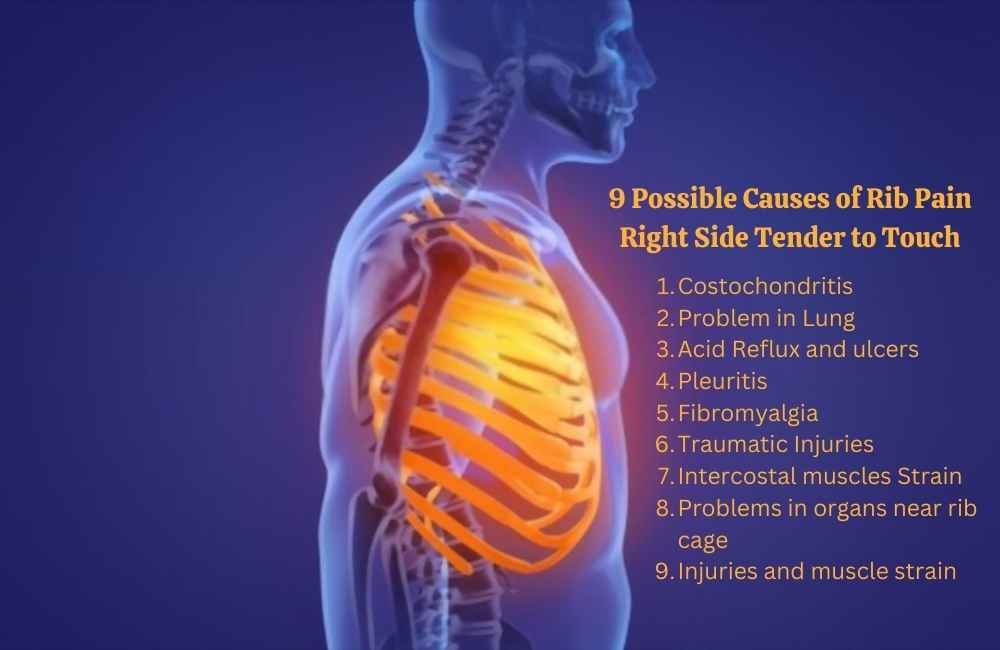
9 Possible Causes of Rib Pain Right Side Tender to Touch


Are you having pain in the rib, and you can’t even bend down or do simple chores? Let me explain the real cause of rib pain on the right side and its treatment; hang in there.
Two main factors cause rib pain- internal injuries and bruises to inflammation in the pleura. In addition, it indicates conditions like cancer and cardiac problems.
Dealing with rib pain is no joke! The type of pain that’s experienced can be achy, sharp, dull, or tender to the touch. So keep on reading to know everything about rib pain.
Rib Cage Pain: Overview
Nowadays, people often struggle with rib pain. Depending on the category, this pain can be sharp, dull, and sore. Here are 9 reasons that are responsible for rib pain tender to touch. These include some past injuries, lung cancer, or some inflammatory disease.
However, pain on the right rib can be tricky to diagnose. This is because different diseases have different kinds of symptoms. So doctors have to run tests to identify the cause.
Some causes of rib pain that are tender to touch are more common than others. Let’s take a look at them.
Causes of Rib Pain Right Side Tender to Touch
Pain around the ribs and back symptoms can indicate several conditions. That’s why analyzing the causes of this is very important. Here are the possible causes of rib pain:
Cause 1 of 9: Costochondritis
This is the most common cause of rib pain right side tender to touch. The name ‘costochondritis’ says all you need to know about this condition. ‘Costo’ refers to the bony portion of your ribs. And ‘chondro’ refers to the cartilage attached to the rib. These are the cartilages that connect the front part of your bony ribs to the sternum.
Doctors use the suffix ‘itis’ to indicate inflammation. So, costochondritis is the inflammation of the costal cartilages. As you’ve read, these cartilages connect your breast bone to the ribs. And they are just beneath your skin. So, any inflammation here will cause rib pain which is tender to the touch.
Specific arthritis, virus, and situations like tuberculosis create this condition. Trauma to the chest and strain due to heavyweights lifting also trigger the causes of Costochondritis.
People diagnosed with Costochondritis usually experience pain across the upper rid. But in severe cases, the pain can run through the back and the abdomen. The pain can be severe to mild and tender to touch depending on the density of the pain.
Cause 2 of 9: Lung Problem
Various lung diseases can be the cause of rib cage pain. These include pneumonia, bronchitis, and lung cancer. In these conditions, the lung tissue and pleura are affected. And this might cause rib pain.
Lung cancer can be fatal. So, you should be on the lookout for its symptoms. These include Chest pain, cough mixed with blood, breathing difficulties, pain under the right rib when breathing, and coughing.
Though the majority of death numbers are more in lung cancer compared to others, early-stage treatment can cure it. So, if you have any of these symptoms, see a doctor immediately.
Pulmonary embolism can cause pain too. Here, blood clots from the legs can travel up to the lungs through the veins. This can make you feel intense chest pain.
Cause 3 of 9: Digestive issues
Heartburn due to Gastroesophageal reflux diseases can make you feel pain in the chest and ribs. You’ll also experience bloating and nausea. The pain can get worse after heavy meals.
In more serious cases, you might develop gastritis and peptic ulcers. These ulcers in the stomach lining can make you suffer from these terrible symptoms like vomiting with blood, and sudden severe abdomen pain. In this case, look for medical help without any delay.
Related Articles:
- Is Tea Acidic? 5 Non-acidic Alkaline Tea for You!
- Are pears acidic? 5 Reasons to add pears in your diet
- Are Apples Acidic? Apples for Acid Reflux [Good or Bad]
- Are Cherries Acidic? Cherries and GERD [Good or Bad]
Cause 4 of 9: Pleuritis
Pleuritis is an inflammation of the pleura. The pleura is a thin double-layered membrane surrounding the lungs. This membrane separates the lungs from the chest wall. This allows your lungs to expand and contract with minimum friction.
In pleuritis, rubbing those inflamed lines can create real deal pain in the chest. Patients get normal within two to 12 days on their own. That’s why you don’t need to worry about which doctor to consult for rib cage pain in this case. However, if the pain is too severe, you might opt to see a doctor.
Cause 5 of 9: Fibromyalgia
Fibromyalgia is a chronic condition presenting with burning, stabbing, or throbbing rib pain. Study shows that women are more likely to get this condition.
Though Fibromyalgia is a very common cause of rib pain, it is hard to treat and diagnose. Rib cage and sometimes chest pain, fatigue, morning stiffness, and mental fog are the symptoms to look for.
Cause 6 of 9: Traumatic Injuries
Trauma to the rib cage can give you serious rib pain on the left side or right side. Breakage, bruises, and even broken ribs due to falling while running on the ground, or car accidents can be the causes.
Swelling and sore pain while touching are the symptoms of traumatic rib injuries. So, if you are wondering, what makes ribs sore to touch? It’s probably an injury.
Cause 7 of 9: Intercostal muscles Strain
There are intercostal muscles inside our rib cage. These muscles can get strained due to heavy physical activities and injuries.
It can cause rib pain and tenderness in the affected area.This acute pain can get worse while deep breathing, or bending over.
You can face back rib pain even for a simple reason like wrong posture and exercise.
Cause 8 of 9: Problems in organs near the rib cage
Problems related to areas near the rib cage like gallstones, liver, kidney, or pancreatitis can lead to referred rib pain. Pain around the ribs and back symptoms can be an underlying situation for cardiac issues.
The pain under the right rib cage when bending over or doing household chores can be a heart attack indicator. Consult a doctor without any delay.
Cause 9 of 9: Problems in the ribs themselves
Some diseases affect the bones of your body. The common one is osteoporosis. In this condition, the calcium of your bones gradually decreases and makes your bones weaker.
Osteoporosis doesn’t cause any bone pain. However, it can make the bones brittle. So, they can fracture easily, sometimes even without trauma. So, if you had osteoporosis, then you might develop rib pain due to bone injury.
Different types of cancers can affect the bone too. Sometimes, these can cause rib cage pain too. But there will be other symptoms as well. But these are quite rare.
When to seek medical help for rib pain?
Rib pain could be an underlying symptom of conditions like heart attack and severe injuries. If you are thinking that you can get away without a doctor’s help, then you are wrong.
Seek medical help right away If you have any accidents or injuries. Minor accidents like falling or strain from over-exercising can lead to major damage.
Though in some cases you might get better with time. But if you are doubting any of the following symptoms, then take immediate action without further delay.
- Sharp pain while breathing or moving
- Shortage of breath
- High fever and loss of appetite
- The pain gets worse at night
- Pain traveling through the shoulder to arm
- Severe leg pain
- Light-colored stool or yellowish urine
- Cough mixed with blood
- Sudden weight loss
Rib cage pain treatments
Rib pain right side tender to touch treatment depends on the cause of the pain. However, to reduce pain, doctors use two types of methods. Have a look-
Pain due to Costochondritis
In the case of Costochondritis which means rib cartilage inflammation, the doctor can use a cold compress to reduce that and suggest over-the-counter medicines.
If the pain isn’t significant, then they might prescribe you anti-inflammatory medicines like NSAIDs. Other treatments involve injecting steroids into the affected spot.
Pain due to bone cancer
The doctor will run a couple of tests and apply different procedures to bone cancer patients. Because treatment for this depends on the origin and type of cancer.
Bone cancer can spread from the rib as well as other parts of your body. So after the determination of the actual origin, the doctor might suggest a removal surgery or biopsy of abnormal growths.
If the surgery radiates any risk factors or is impossible for you, then your doctor may perform chemotherapy or radiation therapy to shrink them first to do the surgical removal later on.
7 Prevention ways of rib cage pain
Though some advice can help you to prevent rib pain, remember to consult a doctor before taking any initiative. If you are looking for how to prevent rib cage pain at home, then your doctor might suggest:
- Take your medicines within time.
- Do a little stretching warm-up to strengthen your muscles before lifting heavy weights or any exercises.
- If you have a smoking habit, try to quit it to avoid cancer and lung issues that can trigger rid cage pain.
- Sanitize your hands frequently to prevent germs from getting into the body and give you diseases that can cause rib pain.
- Take care of yourself at home according to the doctor’s advice. Like, Taking an ice bag to injuries and showering with lukewarm water to soothe the pain.
- If you are experiencing rib pain because of internal injuries, muscle strain, or rib fracture, then give your body proper rest for a healthy recovery.
- Have a proper conversation before taking any steps.
Also, health screening is another best way to stay healthy and get actual health conditions before getting worse.
Conclusion
Rib pain at night or anytime can be a huge obstacle for you to finish your day-to-day task. In severe cases, It’s difficult to move or even breathe while having pain.
Whether the pain is due to serious injuries, inflammation, or pulled muscles, don’t try anything at home without consulting a doctor. Hope this article was helpful to you.
Related Posts



Subscribe for New Racipies
Get mental health tips, updates, and resources delivered to your inbox.