
What Soda Has the Most Caffeine? (Top 10 Highest Caffeine Sodas Ranked + Sugar Comparison)

Medically reviewed by Dr. Aris Thorne Updated Date: May 3, 2026
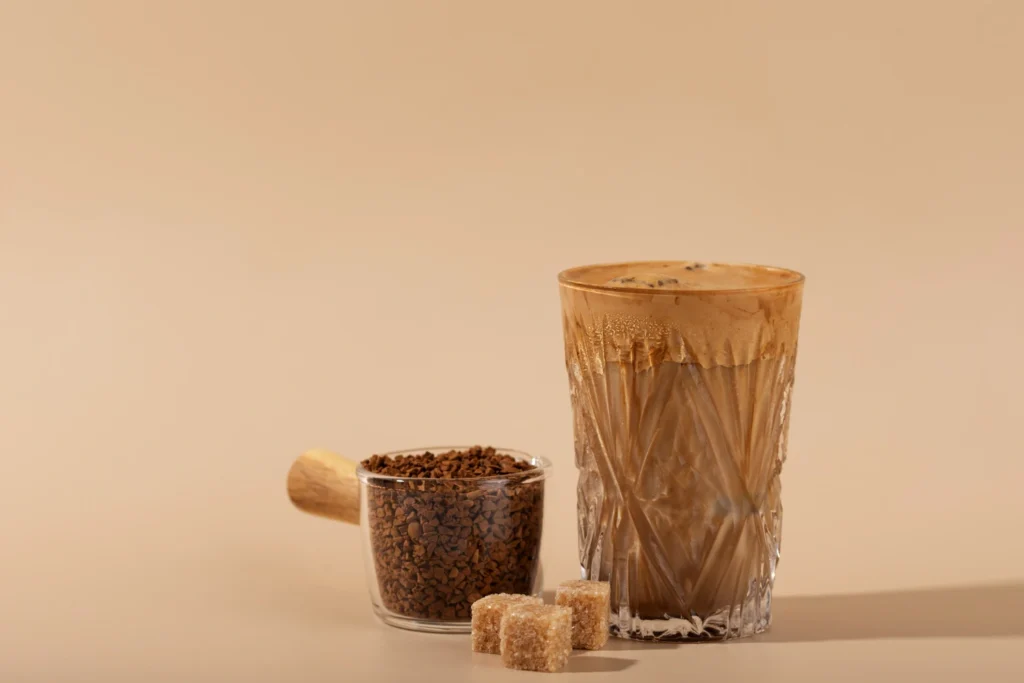
Have you ever wondered exactly what soda has the most caffeine when you need a quick energy boost? Perhaps you find yourself staring at the convenience store drink aisle, trying to decide between a citrus soda or a classic cola. Maybe you want to know if Coke or Pepsi will wake you up faster.
As a physician, I frequently talk to patients about their daily beverage choices, and many are completely unaware of the hidden caffeine and sugar lurking in their favorite drinks. We will explore the highest caffeinated options available today.
In this article, you will discover the exact milligram counts for popular brands. Furthermore, we will compare sugar content and discuss how these beverages impact your overall health. Let us dive into the ultimate ranking to answer what soda has the most caffeine.
TL;DR: Quick Overview
- Citrus and energy-style sodas dominate: Mountain Dew variants and energy-hybrid sodas usually hold the top spots, reaching around 70 mg of caffeine per 12 oz serving.
- Colas are moderate: Most traditional colas, such as Coke and Pepsi, contain about 30 to 40 mg per 12-ounce can.
- Coffee is still king: An average cup of coffee delivers roughly 95 mg, easily beating almost every traditional soda on the market.
- Beware of the sugar crash: High-caffeine sodas almost always contain massive amounts of added sugars, leading to sharp energy spikes and subsequent crashes.
- Safety matters: Medical guidelines recommend keeping total daily caffeine intake below 400 mg for healthy adults.
The Quick Answer: Identifying the Most Caffeinated Options
People often ask me what soda has the most caffeine in it during routine physicals. The quick answer is that citrus-flavored sodas and energy-soda hybrids consistently rank the highest. These specialty drinks are engineered specifically to provide a jolt of energy.
Standard colas rely on the kola nut extract, which naturally contains mild caffeine. However, citrus sodas and energy drinks utilize synthesized or heavily concentrated caffeine additives. You will typically find about 50 to 70 mg of caffeine in a 12-ounce serving of these highly caffeinated options. In contrast, regular dark sodas hover in the 30 to 40 mg range. Therefore, if you are strictly looking for an afternoon wake-up call, reach for a neon-colored citrus beverage rather than a traditional brown cola.
Top 10 Ranked Beverages with the Highest Caffeine
Here is a breakdown of the top 10 most caffeinated sodas. These measurements are based on a standard 12-ounce (355 ml) can.
- High-Caffeine Citrus Hybrids (~70 mg): Energy-style citrus sodas hold the absolute top spot. Brands like Mountain Dew Energy or specific limited-edition gaming sodas pack up to 70 mg per can. They are designed for maximum alertness.
- Cola Energy Hybrids (~65 mg): Beverage companies often release “max” or “energy” versions of their classic colas. These drinks infuse extra caffeine into the traditional formula. They usually offer around 65 mg per 12 oz.
- Mountain Dew Original (~54 mg): This is the classic heavyweight champion of mainstream sodas. A standard can of Mountain Dew contains 54 mg of caffeine. This amount is significantly higher than almost any regular cola on the market.
- Diet Mountain Dew (~54 mg): Interestingly, the diet version of this popular citrus drink retains the exact same caffeine profile as the original. You avoid the calories, but you still get a substantial 54 mg of caffeine.
- Dr Pepper (~41 mg): Many people are surprised to learn that Dr Pepper outranks the major cola brands. A 12-ounce can delivers roughly 41 mg of caffeine. This gives it a slight edge for a midday energy lift.
- Diet Dr Pepper (~41 mg): Similarly, Diet Dr Pepper maintains the same caffeine dosage as its sugary counterpart. It provides 41 mg of caffeine.
- Pepsi (~38 mg): Pepsi holds a respectable middle ground in the cola wars. It provides about 38 mg of caffeine per can. This is enough for a mild boost without causing immediate jitters.
- Diet Pepsi (~35 mg): Diet Pepsi drops the caffeine content slightly compared to regular Pepsi. It offers around 35 mg per 12 oz.
- Coca-Cola (~34 mg): The most famous soda in the world actually ranks fairly low on the caffeine scale. A classic Coke contains about 34 mg. This is relatively mild compared to citrus alternatives.
- Caffeinated Orange Sodas (~30 mg): While many orange sodas are completely caffeine-free, a few specific brands add it in. These caffeinated fruit sodas generally hover around the 30 mg mark.
Examining the Highest Caffeine per 12 oz.
Which soda has the most caffeine per 12 oz? As our ranking shows, the citrus-based energy hybrids win this category easily. They push the absolute limit of what the FDA generally recognizes as safe for a standard soft drink classification.
On the opposite end of the spectrum, many popular sodas contain absolutely zero caffeine. Root beers, ginger ales, and clear lemon-lime sodas usually fall into this zero-caffeine category. Therefore, if you want to avoid stimulants entirely, you should stick to these lighter, non-caffeinated options—perhaps enjoyed alongside a fresh breakfast of chocolate ginger crepes.
Alternatives: What Drink Tops the List Besides Mountain Dew?
Patients often tell me they want a strong energy boost, but they strongly dislike the taste of Mountain Dew. If you are looking for alternatives, you have a few good choices.
First, consider the “Zero Sugar” or “Energy” variants of major cola brands. These are specifically formulated to rival citrus sodas in stimulant power. Also, several boutique brands now make caffeinated sparkling waters. These provide a clean energy lift without the heavy syrups. If you want a milder morning lift, pairing a lighter tea or decaf coffee with freshly baked maple bacon scones can offer a natural energy boost without the jittery crash.
Coke vs Pepsi vs Dr Pepper: The Ultimate Cola Comparison
The battle between the big three dark sodas is a classic debate. Let us look at the exact numbers for a 12-ounce serving:
- Coca-Cola: ~34 mg
- Pepsi: ~38 mg
- Dr. Pepper: ~41 mg
The winner is Dr Pepper. It contains significantly more caffeine than Coca-Cola and slightly more than Pepsi. Therefore, if you are forced to choose between the three for an early morning boost, Dr Pepper is your strongest option.
Comparing the Giants: Pepsi or Coke?
Which soda has the most caffeine between the two biggest rivals? Pepsi takes the crown here. With roughly 38 mg per can, it edges out Coca-Cola’s 34 mg. While a 4 mg difference might seem small, it can add up if you consume multiple cans a day. This slight difference is due to the proprietary flavor formulas that each company has guarded closely for decades.
The 20 oz Bottle Breakdown
Most people do not stop at a 12-ounce can. They frequently buy 20-ounce bottles at gas stations. When you scale up the volume, the numbers become much more significant.
A 20-ounce bottle of a high-caffeine citrus soda can contain between 90 and 115 mg of caffeine. This puts it squarely in the territory of a strong cup of coffee. Meanwhile, a 20-ounce bottle of regular cola will deliver roughly 60 to 70 mg. You must account for this larger serving size when tracking your daily stimulant intake.
Which Beverages Have the Most Sugar?
We cannot discuss caffeinated beverages without addressing the massive sugar content. What soda has the most sugar? Unfortunately, the drinks with the highest stimulants also tend to pack the most sweeteners.
A standard 12-ounce can of Mountain Dew contains a staggering 46 grams of added sugar. Regular colas are not far behind, usually hovering around 39 to 41 grams per can. Drinking that much liquid sugar is metabolically similar to eating a plate of mini hot chocolate donuts in a matter of minutes. This far exceeds the American Heart Association’s recommended daily limit for added sugars.
The Danger of Combining High Stimulants and High Sugar
In my clinic, I frequently see the negative health impacts of heavy soda consumption. Sugar-sweetened beverages are a leading source of added sugars in American diets, and their consumption is heavily linked to adverse metabolic outcomes.
When you combine rapid-absorbing simple sugars with high caffeine, you create a perfect storm for your body. First, you experience a sharp spike in blood glucose—similar to eating a batch of rich triple chocolate nutella cookies on an empty stomach. This is immediately followed by an exaggerated insulin release. Consequently, you suffer a dramatic energy crash a few hours later. Furthermore, drinking these liquid calories daily significantly increases your risk of weight gain, insulin resistance, and type 2 diabetes.
Exactly How Much Stimulant is in Coke?
Because it is the most popular soft drink globally, people frequently ask about its exact stimulant profile. A standard 12-ounce can of Coca-Cola contains 34 mg of caffeine.
If you upgrade to a 20-ounce bottle, you will consume roughly 57 mg. If you order a large fountain drink at a fast-food restaurant (which is often 30 ounces or more), you could easily consume over 85 mg in a single sitting.
How These Drinks Affect Your Body
Caffeine is a central nervous system stimulant. When you drink a caffeinated beverage, the chemical rapidly absorbs into your bloodstream through the stomach and small intestine.
Once in the brain, it blocks adenosine receptors. Adenosine is a neurotransmitter that makes you feel tired. By blocking it, the stimulant increases alertness and wards off drowsiness. Furthermore, it triggers the release of adrenaline. This can increase your heart rate, elevate your blood pressure slightly, and prepare your muscles for action.
Health Considerations from a Medical Perspective
As a physician, I want to emphasize that moderate consumption is generally safe for most healthy people. However, you must be mindful of your total daily limits.
Safe Daily Intake Limits
The FDA states that healthy adults can safely consume up to 400 mg of caffeine per day without severe, negative side effects. This equals about four cups of brewed coffee or roughly seven cans of Mountain Dew.
For teenagers, the American Academy of Pediatrics recommends a much stricter limit. Adolescents should consume no more than 100 mg per day. Unfortunately, drinking just two cans of a highly caffeinated citrus soda easily pushes a teen past this safe daily limit.
Recognizing the Risks of Overconsumption
Exceeding the 400 mg daily limit can lead to several uncomfortable and potentially harmful side effects. Excessive intake is known to cause cardiovascular issues like tachycardia (rapid heart rate) and increased blood pressure.
Additionally, drinking highly caffeinated sodas late in the day disrupts your sleep architecture just as badly as eating sugary snacks like dark chocolate cherry M&M cookies right before bed. It prevents you from entering deep, restorative sleep phases. Over time, this chronic sleep deprivation worsens anxiety and leads to persistent fatigue. Finally, the high acidity and sugar content in these drinks will rapidly erode your dental enamel, leading to cavities and tooth decay.
Who Should Completely Avoid These Beverages?
Certain populations should strictly limit or completely avoid caffeinated soft drinks:
- Pregnant individuals: Limit intake to less than 200 mg per day, as stimulants can cross the placenta.
- Children under the age of 12: Avoid these drinks entirely. Their developing nervous systems are highly sensitive to stimulants.
- Patients with diagnosed anxiety disorders: High doses of stimulants can trigger panic attacks and worsen generalized anxiety.
- Individuals with heart conditions: Anyone with preexisting heart issues or severe hypertension should consult their cardiologist before consuming high-caffeine beverages.
Comparing Soft Drinks to Other Beverages

To put these numbers into perspective, let us look at how soft drinks compare to other popular beverages.
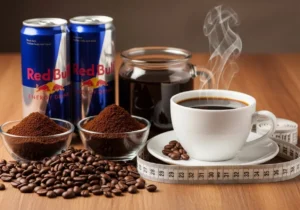
A standard 12-ounce soda ranges from 30 to 70 mg of caffeine. In contrast, an average 8-ounce cup of home-brewed coffee contains roughly 95 mg. Therefore, coffee is significantly more potent.
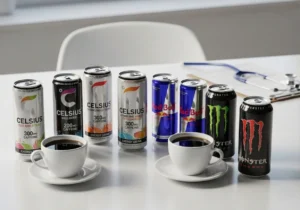
Energy drinks are even stronger. A standard 16-ounce energy drink usually contains between 140 mg and 300 mg of caffeine. This massive dose is why medical professionals frequently warn against regular energy drink consumption, especially for young adults.
Frequently Asked Questions
What soda has the most caffeine?
Citrus-flavored hybrids and energy-style sodas typically contain the highest amounts. Brands like Mountain Dew and specific energy colas usually pack between 54 mg and 70 mg per 12-ounce serving.
Which soda has the most caffeine per 12 oz?
High-caffeine citrus drinks lead this category easily with roughly 70 mg per 12 oz. Following them, regular Mountain Dew sits at 54 mg, while Dr Pepper leads the darker sodas with 41 mg.
What soda has the most caffeine, Coke or Dr. Pepper?
Dr Pepper contains slightly more of the stimulant. A 12-ounce can of Dr Pepper has about 41 mg, whereas a 12-ounce can of Coca-Cola has approximately 34 mg.
What soda contains caffeine?
Most traditional colas (like Coke and Pepsi) and many citrus sodas (like Mountain Dew and Sun Drop) contain added stimulants. However, clear sodas like Sprite and most root beers are generally stimulant-free.
What soda has the most sugar?
Many regular, highly caffeinated sodas are also extremely high in sugar. A standard 12-ounce can of Mountain Dew contains roughly 46 grams of sugar, which far exceeds daily health recommendations.
Conclusion
Understanding exactly what soda has the most caffeine is crucial for managing your daily energy levels and your long-term health. We have learned that neon-colored citrus drinks and energy hybrids pack the strongest punch, often reaching up to 70 mg per can. We also discovered that Dr Pepper edges out both Pepsi and Coke in the great cola debate.
However, as a medical professional, I must remind you that these beverages are not just simple pick-me-ups. They are complex chemical cocktails loaded with stimulants and massive amounts of refined sugar. Consuming them daily can lead to blood sugar volatility, weight gain, and disrupted sleep patterns.
If you truly need a morning energy boost, black coffee or plain green tea remain far healthier choices. They provide the necessary stimulants without the devastating metabolic effects of liquid sugar.
The next time you reach into the cooler at the grocery store, you now have the exact data needed to make an informed, healthy decision. Always monitor your total daily intake, and remember to keep your consumption below the recommended 400 mg daily limit.
Evidence-Based References:
- U.S. Food and Drug Administration — Spilling the Beans: How Much Caffeine is Too Much?
- Mayo Clinic — Caffeine content for coffee, tea, soda and more
- MedlinePlus — Caffeine
- MedlinePlus — Caffeine in the diet: MedlinePlus Medical Encyclopedia
- MedlinePlus — Caffeine overdose: MedlinePlus Medical Encyclopedia
- American Diabetes Association — Potential Health Risks From Beverages Containing Fructose Found in Sugar or High-Fructose Corn Syrup
- World Health Organization — Sugars intake for adults and children
- American Heart Association — Added Sugars
- The American College of Obstetricians and Gynecologists — Moderate Caffeine Consumption During Pregnancy
- Nutrients — Caffeine as a Factor Influencing the Functioning of the Human Body—Friend or Foe?
- Frontiers in Psychiatry — The Safety of Ingested Caffeine: A Comprehensive Review
Related Posts

Subscribe for New Racipies
Get mental health tips, updates, and resources delivered to your inbox.
No Bake Dulce de Leche Cheesecake


I hope everyone made it through the holiday and the crazy shopping days safe and sound. I did not go out on Black Friday. I refuse to go out on Black Friday. After working 10 years in retail, I know when to stay away from the stores. Instead I stayed home and put up my Christmas tree with my daughter. The extra long weekend was mostly relaxing and very much needed.
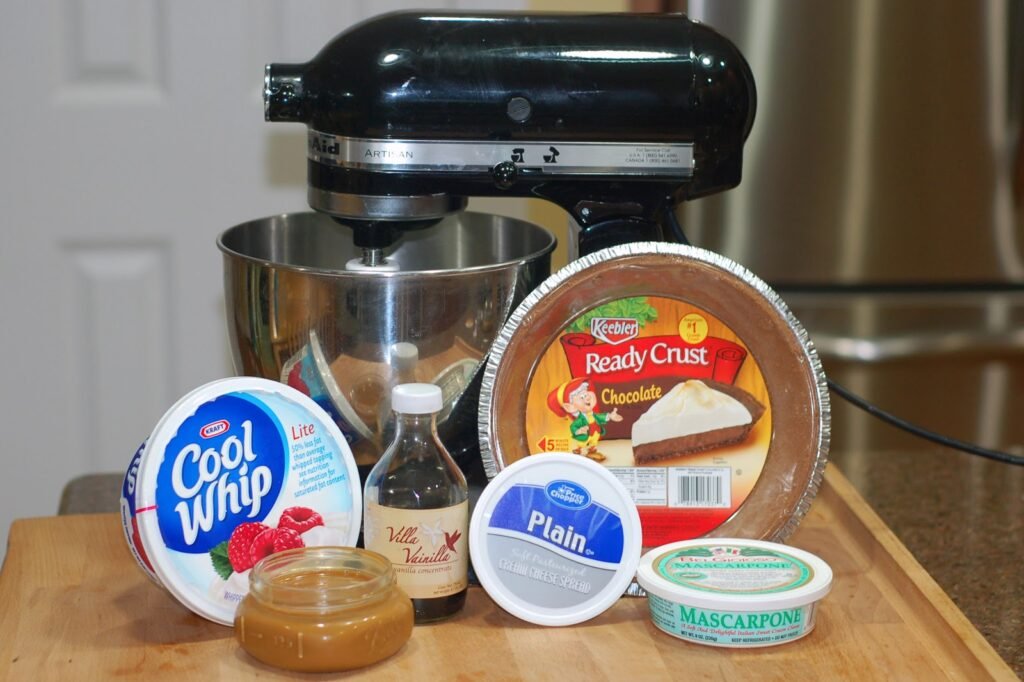
For Thanksgiving Day we went to my in-laws and I made this delightfully easy cheesecake to bring to with me. It was well received.
I made it using the homemade dulce de leche I whipped up the other day in the slowcooker and both cream cheese and mascarpone cheese.
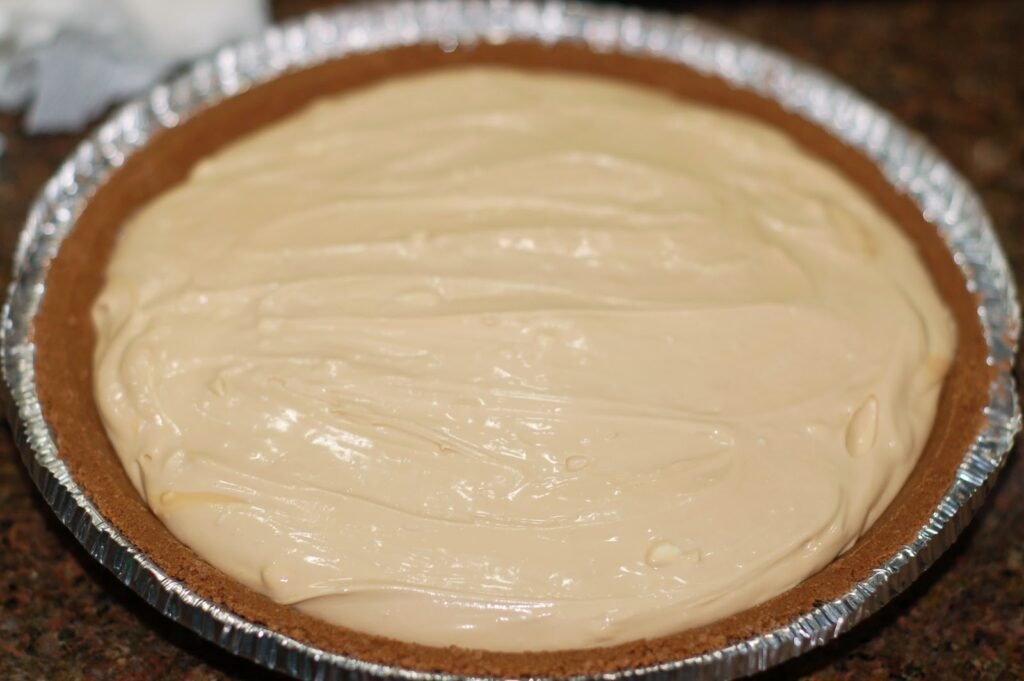
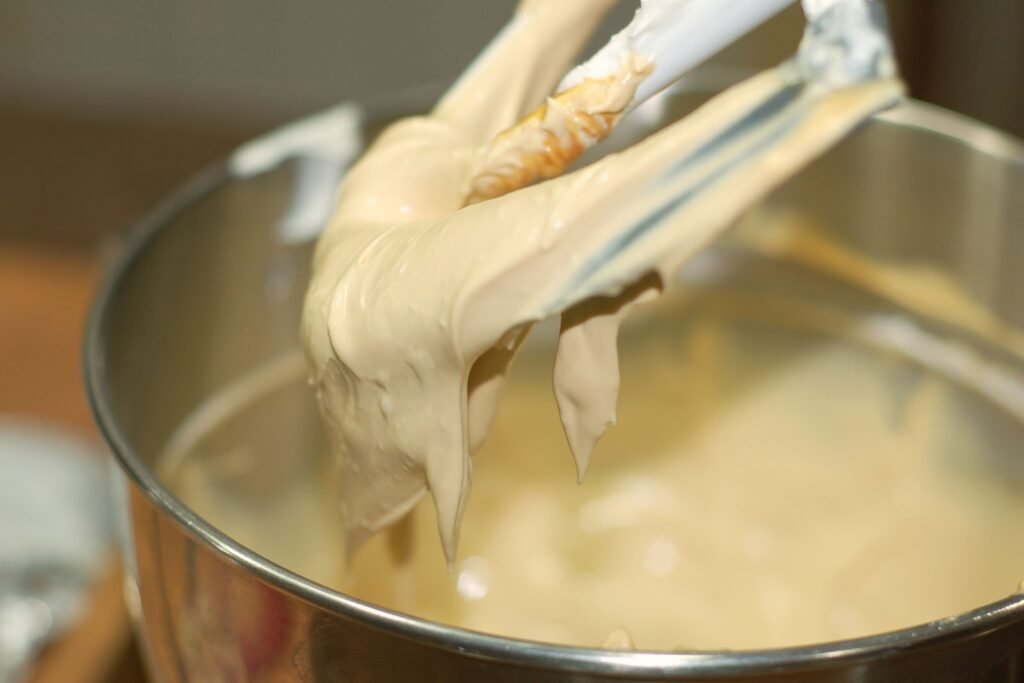
All you have to do is mix all the ingredients together, dump it in the ready made pie crust and throw it in the fridge for a bit.
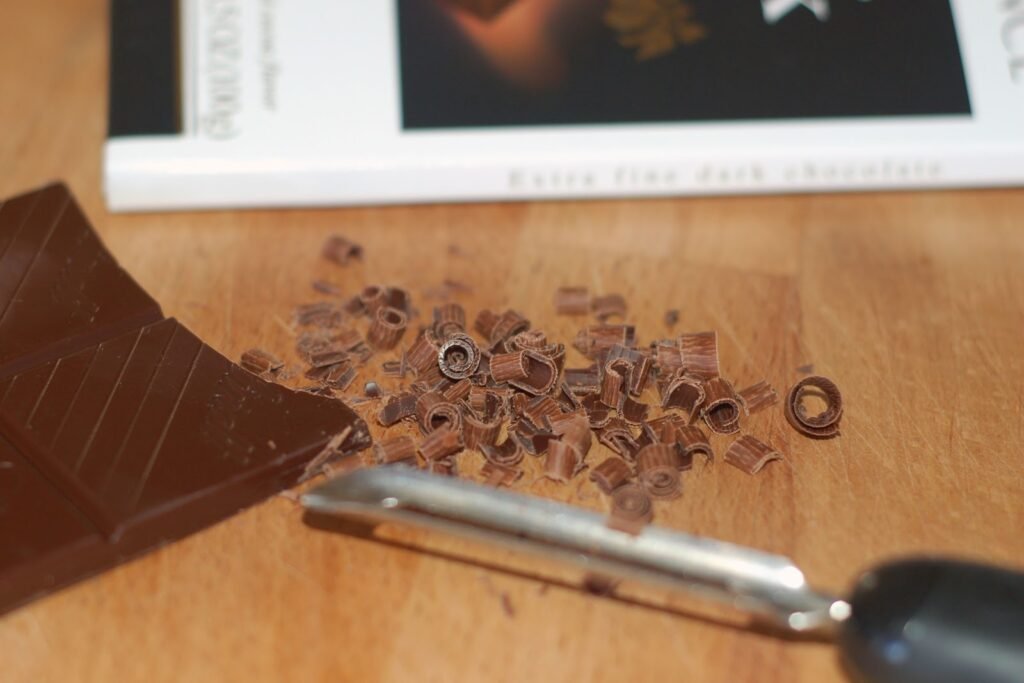
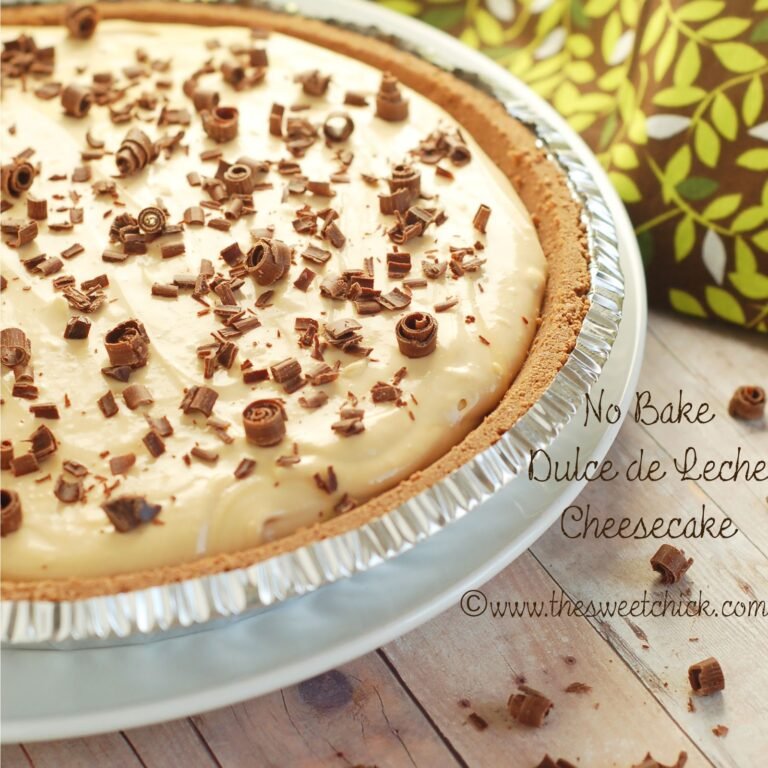
I was going to spread some of the leftover Cool Whip on top, but not everyone is found of cream. Instead I used my vegetable peeler to shave a bar of dark chocolate into little chocolate curls and sprinkled it on top of the cheesecake. I really love the mix of cream cheese and dulce de leche. Sweet and cheesy!
No Bake Dulce de Leche Cheesecake
by The Sweet Chick
Prep Time: 10 minutes
Cook Time: none
Keywords: no bake dessert dulce de leche cream cheese mascarpone cheese Cool Whip cheese cake pie
Ingredients (8- 10 servings)
- 1 pkg (8 oz.) cream cheese
- 1 pkg (8 oz.) mascarpone cheese
- 1 cup dulce de leche
- 1 cup Cool Whip whipped topping
- 1 teaspoon vanilla extract
- 1 Keebler Ready Crust (any flavor)
Instructions
In a stand mixer, cream together the cream cheese, mascarpone cheese, and dulce de leche.
Then add in the whipped topping and vanilla extract. Mix on low until all combined.
Pour the mixture into the pie crust and place in fridge for 2-3 hours to set.
Before cutting a slice you can top the pie off with extra whipped topping, chocolate shavings, or sprinkles.
Enjoy!
Related Posts




Subscribe for New Racipies
Get mental health tips, updates, and resources delivered to your inbox.