
Mug Root Beer Caffeine Content: Official PepsiCo Data, Ingredients & Nutrition Guide

Medically reviewed by Dr. Aris Thorne Updated Date: May 3, 2026
If you love a classic, frosty soda with your weekend burger and baked sweet potato fries, you might find yourself wondering about the hidden energy boosters inside it. Many of my clinic patients ask me about their favorite beverages, especially when trying to improve their sleep habits. Recently, a patient asked me specifically about the exact mug root beer caffeine content because she was dealing with late-night restlessness.
It is completely normal to question what goes into our daily drinks. Furthermore, navigating the soda aisle can feel overwhelming with so many confusing labels and hidden ingredients.
Therefore, I decided to break down the facts completely for you. In this guide, we will explore everything from official ingredient lists to how this classic drink stacks up against other popular brands on the market. Let’s dive right in!
TL;DR: Quick Overview
- Mug Root Beer is completely caffeine-free, containing 0 mg per serving.
- Both regular and diet versions contain zero stimulants.
- Popular competitors like Barq’s actually contain a small amount of stimulants.
- The beverage contains a high amount of sugar, requiring careful moderation.
- Official PepsiCo data confirms these nutritional statistics for 2026.
Official Corporate Data on Stimulant Levels
When analyzing our diets, we must always look at the manufacturer’s verified data. The official PepsiCo product catalog provides a very clear answer for consumers. Specifically, the beverage contains absolutely zero milligrams of active stimulants.
Consequently, you can confidently enjoy this drink without worrying about sudden energy spikes. The company formulates this specific product to be entirely free of nervous system stimulants. Thus, it remains a safe option for evening consumption or family gatherings where you might be sharing sweet treats like monkey bread.
Analyzing the 12 Oz Serving Size
Many people specifically ask about the standard can size found in vending machines. The mug root beer caffeine content per 12 oz is exactly 0 mg. Furthermore, this ratio applies consistently across all their packaging variations.
Whether you buy a large two-liter bottle or a small glass bottle, the formulation remains the same. Therefore, you do not need to calculate any hidden numbers when pouring a larger glass. The recipe simply lacks the ingredient entirely.
Does the Diet Version Differ?
Patients managing their weight often switch to zero-calorie alternatives. They frequently wonder if the diet mug root beer caffeine content differs from the original. Fortunately, the diet version also contains zero milligrams of stimulants.
Beverage companies sometimes add stimulants to diet drinks to compensate for flavor changes. However, PepsiCo chose to keep their diet root beer completely free of these additives. As a result, it is an excellent choice for diabetic patients seeking a late-night treat without the stimulant effects you’d find in something like a chocolate coffee bundt cake.
A Deep Dive into the Core Ingredients
Understanding what you consume is vital for long-term health and wellness. In my practice as a preventive medicine physician, I recently interviewed a patient struggling with prediabetes. We reviewed her daily beverage intake meticulously to identify hidden health risks. She was surprised to learn exactly what makes up her favorite dark soda. Therefore, I want to break down the Mug Root Beer ingredients clearly for you.
First of all, the primary ingredient is naturally carbonated water. This provides the classic fizz and bubbly texture that we all love. Secondly, the formulation relies heavily on high fructose corn syrup for its intense sweetness. This specific type of liquid sugar digests extremely quickly in your stomach. Consequently, it causes a rapid spike in your blood glucose levels.
Furthermore, the iconic dark brown color does not come from natural roots or bark. Instead, the company utilizes artificial caramel color to achieve that classic visual appeal. While generally recognized as safe, some health advocates suggest limiting artificial colorings. Additionally, the unique flavor profile comes from a proprietary blend of natural and artificial flavors. The company tightly guards this specific blend to protect their signature taste.
Finally, they add a small amount of quillaia extract to the mixture. This unique botanical ingredient creates the thick, foamy head when you pour the soda into a glass. Also, they use citric acid to balance the extreme sweetness with a tiny bit of tartness. In conclusion, while the drink lacks stimulants, it contains several highly processed components. You should always read these labels carefully to manage your overall dietary health.
Nutrition Facts and Caloric Load
Beyond the ingredients, we must look at the actual macronutrients. A standard 12 oz can contains approximately 150 calories. Most noteworthy, all of these calories come directly from carbohydrates.
Specifically, you will consume roughly 40 grams of added sugar in a single serving. This amount exceeds the daily recommended sugar limit for most adults. Therefore, I always advise my patients to treat this beverage as an occasional dessert, much like a rich slice of devil’s food cake, rather than a daily staple.
Clarifying Alcohol and Energy Drink Myths
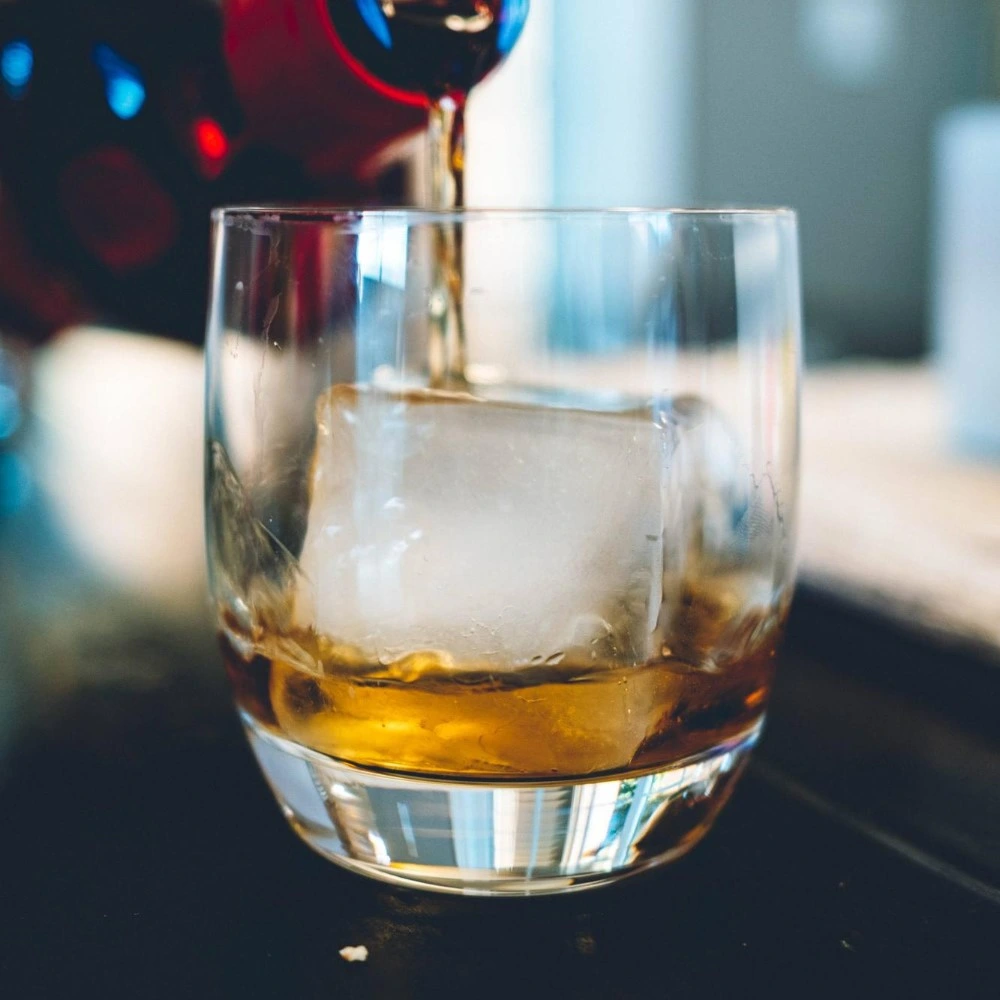
Some consumers get confused by the word “beer” in the product name. Does Mug Root Beer have alcohol? No, it is a completely non-alcoholic soft drink suitable for all ages.
Similarly, people often wonder if it functions like a modern energy drink. It absolutely does not contain any taurine, guarana, or other energy-boosting compounds. It simply functions as a traditional, sweet, carbonated refreshment.
Historical Formulation Trends
If you look at the history of this popular beverage, the recipe remains remarkably consistent. Historically, the brand has always promoted a stimulant-free product. Even looking at current data for 2026, no major formulation changes have occurred.
The parent company clearly understands their target audience prefers a relaxing, decaffeinated soda. Thus, you can expect this classic recipe to remain unchanged for the foreseeable future.
Comparing Popular Root Beer Brands
When standing in the soda aisle, you have several major brands to choose from. Many patients ask me, which root beer has caffeine? The answer varies drastically depending on the specific brand you select. Therefore, understanding these differences is crucial for anyone with sensitivities. Let us break down the most popular options available nationwide.
First, let us look at A&W, another massive player in the soda market. The A&W root beer caffeine content is identical to Mug. Namely, it is completely free of any stimulants. This brand focuses heavily on a smooth, vanilla-forward flavor profile rather than an energy bite. Consequently, it remains a very popular choice for creating classic ice cream floats (or even paired with unique flavors like melty chai ice cream).
In contrast, we must discuss Barq’s, which stands out from the competition. Does Barq’s root beer have caffeine? Yes, it absolutely does. A standard 12 oz can of Barq’s contains roughly 22 mg of stimulants. The company intentionally adds this compound to give their beverage a sharper “bite.” Therefore, if you drink Barq’s before bed, you might actually struggle to fall asleep.
Finally, regional favorites like Culver’s also follow the traditional recipe route. Culver’s root beer is generally caffeine-free, focusing on a rich, sweet flavor. To make this comparison as simple as possible, I created a quick reference guide below.
| Brand Name | Stimulant Content (per 12 oz) |
| Mug | 0 mg |
| A&W | 0 mg |
| Barq’s | ~22 mg |
| Culver’s | 0 mg |
Clearing Up Common Misconceptions
Interestingly, I sometimes hear patients confuse botanical names during consultations. They occasionally ask if “mugwort beer” contains stimulants. Mugwort is an entirely different herbal plant used in traditional medicine.
Mug root beer does not contain any mugwort plant extracts. Furthermore, the commercial soda is simply named “Mug” as a branding choice. Always ensure you are looking at the correct product name when researching health information.
Health Perspective and Dietary Risks
As a medical professional, I must evaluate the total health impact of this beverage. On one hand, the lack of stimulants makes it very safe for people with anxiety or heart palpitations. You will not experience a racing heart or jittery hands after drinking it.
However, the massive sugar content presents a severe, long-term health risk. Consuming 40 grams of liquid sugar rapidly spikes your insulin levels. Over time, this dietary habit strongly contributes to insulin resistance and weight gain. If you are trying to improve your diet, focus on nutrient-dense meals like a fresh fava bean salad instead of liquid sugar.
Who Should Limit Their Intake
Certain individuals need to be especially careful with high-sugar beverages. First of all, anyone diagnosed with Type 1 or Type 2 diabetes must strictly monitor their intake. Drinking a full can will cause an immediate and dangerous blood sugar spike.
Secondly, parents should significantly limit this beverage for young children. Liquid calories do not provide satiety, leading to overeating and pediatric obesity. Instead, consider offering water flavored with fresh fruit, or a refreshing homemade glass of gin thyme lemonade (minus the gin for the kids!), for a healthier alternative.
Frequently Asked Questions
Q1: Is this specific soda completely free of stimulants?
Yes, it contains zero milligrams of stimulants. Both the regular and diet versions are completely free of energy-boosting compounds.
Q2: Does this drink contain any alcohol?
No, it is a traditional soft drink. Despite the word “beer” in the name, it is completely non-alcoholic.
Q3: Why does Barq’s have an energy boost while others do not?
Barq’s intentionally adds stimulants to their recipe to create a sharper flavor profile. They market this specific formulation as having a unique “bite.”
Q4: Are there any hidden energy ingredients in the diet version?
No, there are no hidden stimulants. The diet version relies entirely on artificial sweeteners for flavor, not energy additives.
Q5: Is it safe to drink this beverage right before going to sleep?
While it will not keep you awake like coffee, the high sugar content might cause mild restlessness. However, it will not cause true stimulant-induced insomnia.
Conclusion
Understanding the exact contents of your favorite beverages is a massive step toward better health. Today, we thoroughly answered your questions regarding the mug root beer caffeine content. We confirm that this classic, frosty beverage is entirely free of any nervous system stimulants.
Therefore, you can safely enjoy it during movie nights without worrying about ruining your sleep schedule. We also discovered that you must check individual brand labels carefully, as competitors like Barq’s do sneak stimulants into their recipes. Most importantly, while the lack of energy boosters is great, the sugar content remains a significant concern.
As a physician, I highly encourage you to enjoy these sweet treats purely in moderation. Tracking your liquid calories and added sugars will drastically improve your metabolic health over time. Keep making smart, informed choices about your diet. The next time you grab a cold one from the fridge, you will know exactly what is inside!
Evidence-Based References:
- U.S. Food and Drug Administration — Spilling the Beans: How Much Caffeine is Too Much?
- Mayo Clinic — Caffeine content for coffee, tea, soda and more
- American Heart Association — Added Sugars
- World Health Organization — Sugars intake for adults and children
- National Library of Medicine — Soft drink consumption and risk of developing cardiometabolic risk factors and the metabolic syndrome in middle-aged adults in the community
- MedlinePlus — Caffeine
- European Food Safety Authority — Scientific Opinion on the safety of caffeine
- Nutrients — Caffeine as a Factor Influencing the Functioning of the Human Body—Friend or Foe?
- The American College of Obstetricians and Gynecologists — Moderate Caffeine Consumption During Pregnancy
- Frontiers in Psychiatry — The Safety of Ingested Caffeine: A Comprehensive Review
Related Posts
Subscribe for New Racipies
Get mental health tips, updates, and resources delivered to your inbox.
Pumpkin Pops

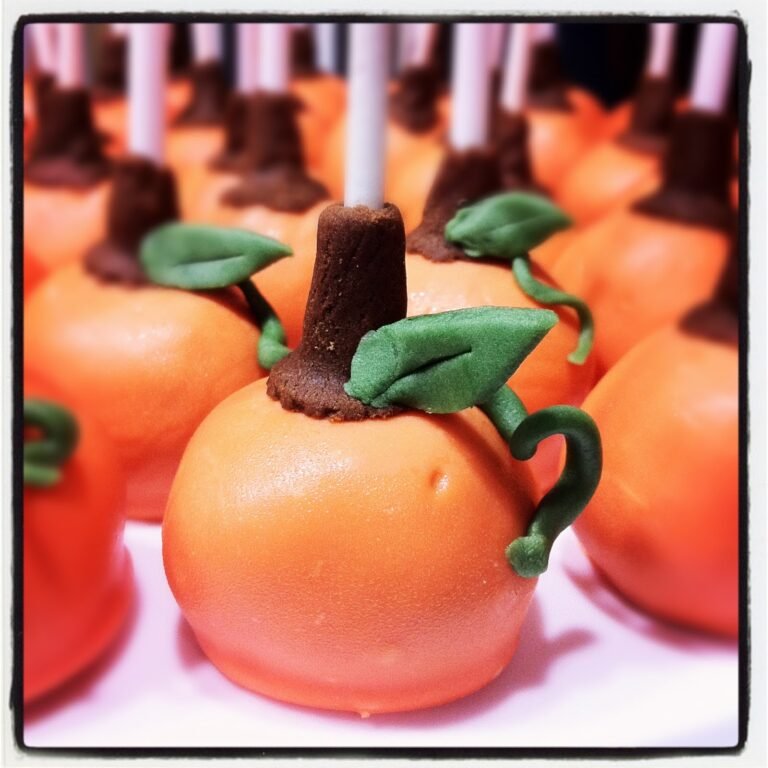

My daughter needed to do a project about pumpkins for school, so I decided to do a remake of pumpkin pops I made a while back. Instead of making cake balls, I used the Oreo and cream cheese recipe from the Cupcake Pops I previously made.
Pumpkin Pops
adapted from My Little Cupcake and Bakerella
Supplies:
1 pkg. Oreo cookies
1 – 8 oz. pkg. cream cheese
Orange candy melt
Lollipop sticks
Brown fondant
Green fondant
Directions:
Grind Oreo cookies in a food processor and hand mix or use stand mixer to combine with cream cheese until it becomes a dough like consistency. Roll Oreo mixture into quarter size balls and place in airtight container lined with wax paper. Places the container in the refrigerator overnight to set.
After the balls are set, melt candy in the microwave as per directions on package. (30 second intervals , stirring in between)
Remove Oreo balls from the refrigerator and insert lollipop sticks into each ball. Dip the Oreo balls into candy coating until all covered. Once covered, remove and softly tap and rotate until excess candy melt falls off. Don’t tap too hard or the Oreo ball will fall off , too. Then place pops on wax paper, stick facing upwards.
Once candy melt has hardened, it is time to decorate. Use brown fondant to create a stem for the pumpkin. Shape by hand. Cut green fondant into leaves and strips that can be rolled into vines. Carefully attach leaves and vines to the stems.
Makes about 24 pops. Pumpkin Pops can be made ahead of time and refrigerated for 3-4 days.
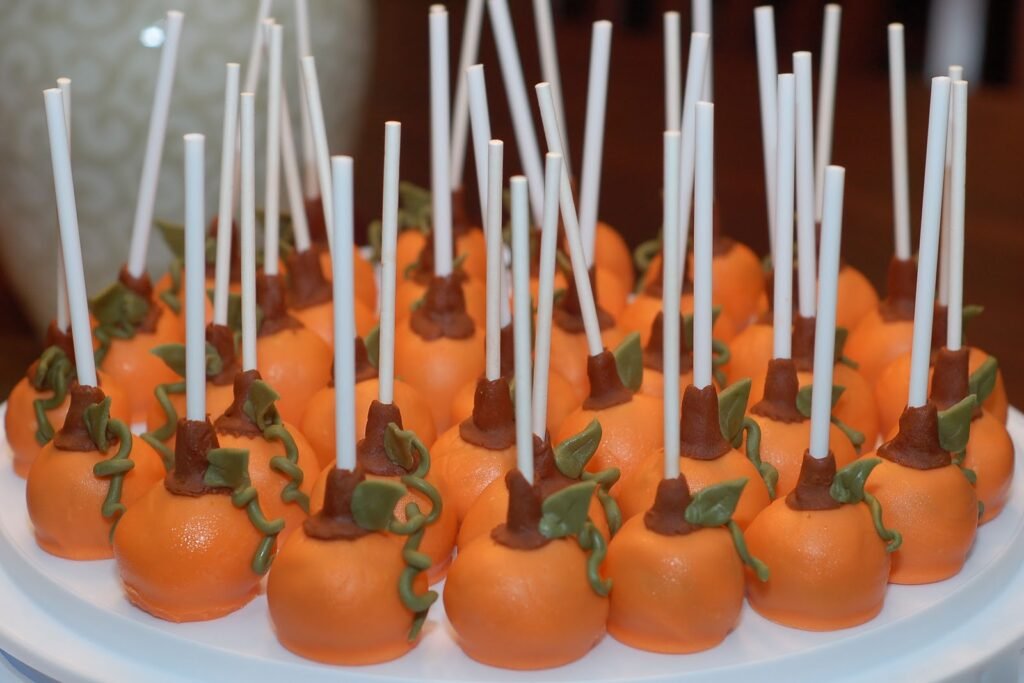
They taste delicious and all the kids in my daughter’s class loved them. I think I like them better with Oreos and cream cheese.
Related Posts
Subscribe for New Racipies
Get mental health tips, updates, and resources delivered to your inbox.