
Is Pine Nut Acidic? Pine Nut and Acid Reflux

Medically reviewed by Aneeza Pervez Updated Date: January 2, 2026
Introduction to Pine Nuts – What Are Pine Nuts?
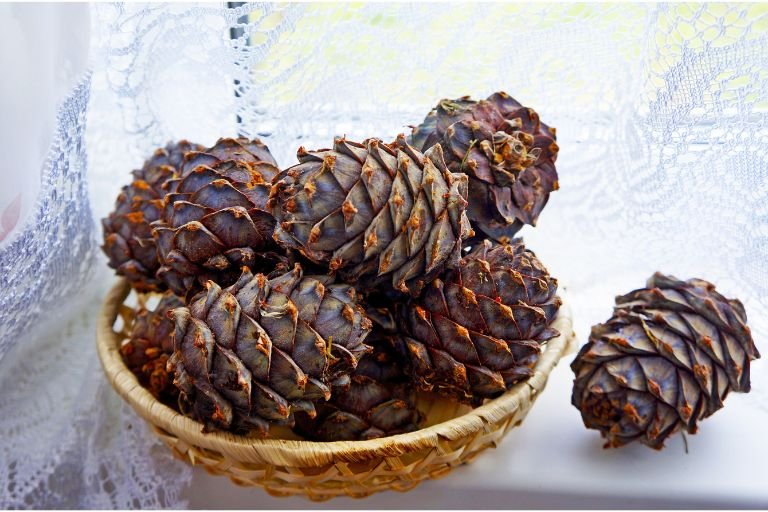
Pine nuts, also known as piñón or pignoli, are edible seeds extracted from pine cones. These small, cream-colored seeds have been a dietary staple for centuries, often prized for their buttery texture and nutty flavor. Harvested primarily from stone pine and Korean pine trees, pine nuts are found in various regions, including the Mediterranean, Asia, and North America.
They are commonly used in culinary dishes like pesto, salads, and desserts. Despite their tiny size, pine nuts pack a hefty nutritional punch, making them a popular choice for health-conscious individuals.
Nutritional Profile of Pine Nuts
Pine nuts are nutrient-dense and loaded with essential vitamins and minerals. A typical serving of pine nuts (about 28 grams) contains:
- Healthy fats: Primarily monounsaturated fats that support heart health.
- Protein: Approximately 4 grams per serving, aiding muscle repair and growth.
- Vitamins: Rich in vitamin E, vitamin K, and B-complex vitamins.
- Minerals: High in magnesium, phosphorus, zinc, and manganese.
- Antioxidants: Combat oxidative stress and inflammation in the body.
Understanding Acidity in Foods
What Does “Acidic” Mean?
In the context of foods, acidity refers to a food’s pH level, which measures its hydrogen ion concentration. Foods with a pH level below 7 are considered acidic, while those above 7 are alkaline. The lower the pH value, the more acidic the substance.
The body maintains a tightly regulated pH balance. However, consuming highly acidic foods can sometimes influence acid production in the stomach, potentially triggering symptoms like acid reflux.
The pH Scale and Food Acidity
The pH scale ranges from 0 to 14:
- Acidic: pH 0–6.9 (e.g., lemon juice, vinegar)
- Neutral: pH 7 (e.g., water)
- Alkaline: pH 7.1–14 (e.g., spinach, almonds)
Understanding where pine nuts fall on this spectrum helps determine their potential impact on acid reflux and overall digestive health.
Are Pine Nuts Acidic or Alkaline?
pH Level of Pine Nuts
Pine nuts are considered mildly acidic to neutral, with a pH level hovering around 6.0 to 6.8. This places them closer to the neutral range compared to other nuts. Their relatively low acidity makes them a better option for individuals looking to manage acid reflux or maintain a low-acid diet.
Factors Affecting Acidity of Pine Nuts
The perceived acidity of pine nuts can vary depending on several factors:
- Processing methods: Roasting pine nuts can alter their pH slightly.
- Freshness: Stale or rancid pine nuts may taste more acidic.
- Combination with other foods: Pairing pine nuts with acidic ingredients like tomatoes may increase overall meal acidity.
Pine Nuts and Acid Reflux
What Is Acid Reflux?
Acid reflux occurs when stomach acid flows back into the esophagus, causing irritation. Common symptoms include heartburn, chest pain, and a sour taste in the mouth. This condition, often associated with gastroesophageal reflux disease (GERD), can be aggravated by certain foods and lifestyle habits.
Common Trigger Foods for Acid Reflux
Some foods are notorious for triggering acid reflux, including:
- Spicy dishes
- Caffeine and carbonated beverages
- Citrus fruits
- Tomatoes and tomato-based sauces
- High-fat or fried foods
How Pine Nuts Impact Acid Reflux?
Pine nuts, being mildly acidic, are generally well-tolerated by individuals with acid reflux when consumed in moderation. Their healthy fats can soothe the digestive tract, but overeating them might trigger symptoms due to their fat content. Pairing pine nuts with non-acidic foods can minimize the risk of discomfort.
Health Benefits of Pine Nuts
According to the health experts, following are some benefits of pine nuts:
Rich Source of Healthy Fats
Pine nuts contain monounsaturated fats, which are known to lower bad cholesterol (LDL) levels while boosting good cholesterol (HDL). These fats support heart health and reduce inflammation, a key factor in many chronic diseases.
Packed with Antioxidants
Pine nuts are loaded with antioxidants, including vitamin E and phenolic compounds. These nutrients protect cells from oxidative stress and help combat inflammation, promoting overall well-being.
Supports Heart Health
The magnesium and potassium in pine nuts help regulate blood pressure, while their healthy fat profile reduces the risk of cardiovascular diseases. Incorporating pine nuts into a balanced diet is a simple yet effective way to support heart health.
How to Safely Consume Pine Nuts with Acid Reflux?
Portion Control
Eating small amounts of pine nuts (about 1 ounce per serving) is key to preventing acid reflux symptoms. Overeating, even healthy foods, can put pressure on the stomach and worsen reflux.
Pairing with Non-Acidic Foods
Combine pine nuts with alkaline or neutral foods like spinach, cucumbers, or whole grains. This reduces the overall acidity of the meal and makes it easier on the digestive system.
Timing of Consumption
Consume pine nuts as part of a main meal rather than a late-night snack. Eating close to bedtime can exacerbate acid reflux symptoms due to lying down soon after eating.
Other Nuts and Their Acidity Levels
Comparison with Almonds, Walnuts, and Cashews
- Almonds: Slightly alkaline, making them an excellent choice for acid reflux sufferers.
- Walnuts: Mildly acidic and rich in omega-3 fatty acids.
- Cashews: Neutral to slightly acidic, but their creamy texture makes them easy to digest.
Related to Read: Are Walnuts Healthy?
Are Almond Milk Good for Acid Reflux?
Best Nut Choices for Acid Reflux
Almonds and pine nuts are top picks for individuals with acid reflux due to their lower acidity. Avoid highly salted or flavored varieties, as they may irritate the digestive tract.
Cooking and Recipes with Pine Nuts
Incorporating Pine Nuts into Meals
Pine nuts are versatile and can be added to salads, pasta dishes, or blended into pesto. They enhance the flavor and nutritional value of meals without overwhelming the palate.
Recipe Ideas for Sensitive Stomachs
- Spinach and Pine Nut Salad: Toss fresh spinach, pine nuts, and olive oil for a simple, reflux-friendly dish.
- Quinoa with Pine Nuts and Veggies: A hearty, low-acid meal perfect for dinner.
- Pine Nut Oatmeal: Add roasted pine nuts to oatmeal for a protein-packed breakfast.
Related to Read: Are Salads Healthy?
Tips for Reducing Acid Reflux Symptoms
Dietary Changes
- Avoid trigger foods like caffeine, citrus, and spicy dishes.
- Incorporate alkaline foods like leafy greens and bananas.
Lifestyle Modifications
- Eat smaller, more frequent meals.
- Avoid lying down immediately after eating.
- Elevate your head while sleeping.
When to See a Doctor?
If acid reflux symptoms persist despite dietary and lifestyle changes, consult a healthcare professional. Chronic reflux may indicate GERD or other underlying conditions.
Conclusion
Pine nuts are a nutritious, mildly acidic food that can generally be enjoyed by individuals with acid reflux when consumed in moderation. Their health benefits, including heart support and antioxidant properties, make them a valuable addition to a balanced diet. Pairing them with non-acidic foods and practicing portion control ensures they remain a reflux-friendly choice.
FAQs
Are pine nuts safe for people with acid reflux?
Yes, when eaten in moderation, pine nuts are generally safe for individuals with acid reflux.
Can pine nuts trigger heartburn?
Overeating pine nuts or consuming them with highly acidic foods may trigger heartburn in some individuals.
How should I store pine nuts to maintain their quality?
Store pine nuts in an airtight container in the refrigerator to prevent them from becoming rancid.
Are roasted or raw pine nuts better for acid reflux?
Raw pine nuts are less likely to irritate the digestive system compared to roasted ones with added oils or spices.
Can pine nuts be included in a low-acid diet?
Yes, their mild acidity makes them a suitable option for a low-acid diet.
Related Posts



Subscribe for New Racipies
Get mental health tips, updates, and resources delivered to your inbox.
9 Possible Causes of Rib Pain Right Side Tender to Touch

Are you having pain in the rib, and you can’t even bend down or do simple chores? Let me explain the real cause of rib pain on the right side and its treatment; hang in there.
Two main factors cause rib pain- internal injuries and bruises to inflammation in the pleura. In addition, it indicates conditions like cancer and cardiac problems.
Dealing with rib pain is no joke! The type of pain that’s experienced can be achy, sharp, dull, or tender to the touch. So keep on reading to know everything about rib pain.
Rib Cage Pain: Overview
Nowadays, people often struggle with rib pain. Depending on the category, this pain can be sharp, dull, and sore. Here are 9 reasons that are responsible for rib pain tender to touch. These include some past injuries, lung cancer, or some inflammatory disease.
However, pain on the right rib can be tricky to diagnose. This is because different diseases have different kinds of symptoms. So doctors have to run tests to identify the cause.
Some causes of rib pain that are tender to touch are more common than others. Let’s take a look at them.
Causes of Rib Pain Right Side Tender to Touch
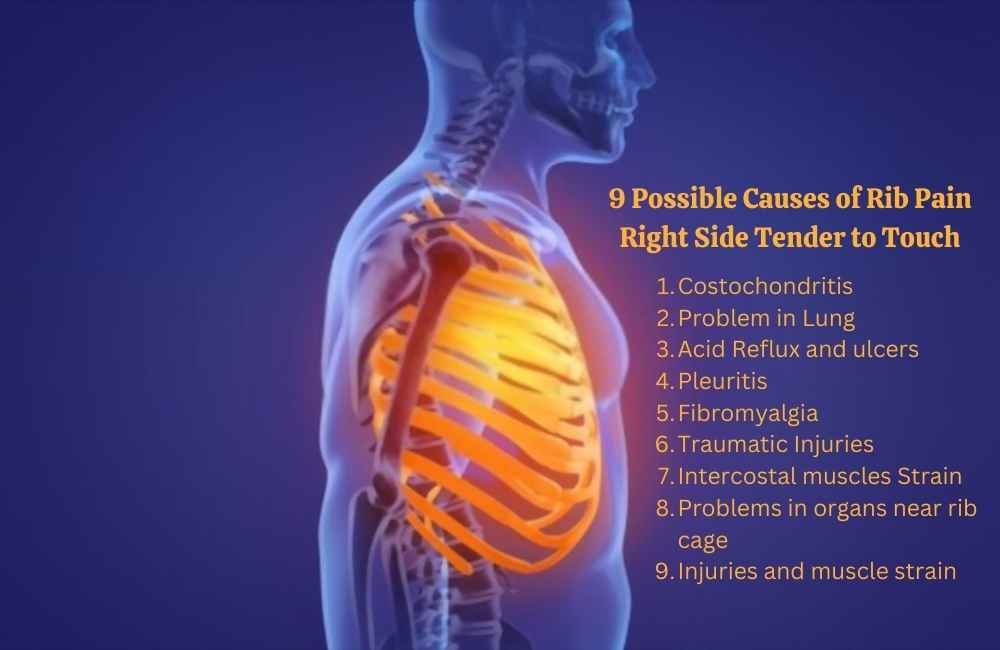
Pain around the ribs and back symptoms can indicate several conditions. That’s why analyzing the causes of this is very important. Here are the possible causes of rib pain:
Cause 1 of 9: Costochondritis
This is the most common cause of rib pain right side tender to touch. The name ‘costochondritis’ says all you need to know about this condition. ‘Costo’ refers to the bony portion of your ribs. And ‘chondro’ refers to the cartilage attached to the rib. These are the cartilages that connect the front part of your bony ribs to the sternum.
Doctors use the suffix ‘itis’ to indicate inflammation. So, costochondritis is the inflammation of the costal cartilages. As you’ve read, these cartilages connect your breast bone to the ribs. And they are just beneath your skin. So, any inflammation here will cause rib pain which is tender to the touch.
Specific arthritis, virus, and situations like tuberculosis create this condition. Trauma to the chest and strain due to heavyweights lifting also trigger the causes of Costochondritis.
People diagnosed with Costochondritis usually experience pain across the upper rid. But in severe cases, the pain can run through the back and the abdomen. The pain can be severe to mild and tender to touch depending on the density of the pain.
Cause 2 of 9: Lung Problem
Various lung diseases can be the cause of rib cage pain. These include pneumonia, bronchitis, and lung cancer. In these conditions, the lung tissue and pleura are affected. And this might cause rib pain.
Lung cancer can be fatal. So, you should be on the lookout for its symptoms. These include Chest pain, cough mixed with blood, breathing difficulties, pain under the right rib when breathing, and coughing.
Though the majority of death numbers are more in lung cancer compared to others, early-stage treatment can cure it. So, if you have any of these symptoms, see a doctor immediately.
Pulmonary embolism can cause pain too. Here, blood clots from the legs can travel up to the lungs through the veins. This can make you feel intense chest pain.
Cause 3 of 9: Digestive issues
Heartburn due to Gastroesophageal reflux diseases can make you feel pain in the chest and ribs. You’ll also experience bloating and nausea. The pain can get worse after heavy meals.
In more serious cases, you might develop gastritis and peptic ulcers. These ulcers in the stomach lining can make you suffer from these terrible symptoms like vomiting with blood, and sudden severe abdomen pain. In this case, look for medical help without any delay.
Related Articles:
- Is Tea Acidic? 5 Non-acidic Alkaline Tea for You!
- Are pears acidic? 5 Reasons to add pears in your diet
- Are Apples Acidic? Apples for Acid Reflux [Good or Bad]
- Are Cherries Acidic? Cherries and GERD [Good or Bad]
Cause 4 of 9: Pleuritis
Pleuritis is an inflammation of the pleura. The pleura is a thin double-layered membrane surrounding the lungs. This membrane separates the lungs from the chest wall. This allows your lungs to expand and contract with minimum friction.
In pleuritis, rubbing those inflamed lines can create real deal pain in the chest. Patients get normal within two to 12 days on their own. That’s why you don’t need to worry about which doctor to consult for rib cage pain in this case. However, if the pain is too severe, you might opt to see a doctor.
Cause 5 of 9: Fibromyalgia
Fibromyalgia is a chronic condition presenting with burning, stabbing, or throbbing rib pain. Study shows that women are more likely to get this condition.
Though Fibromyalgia is a very common cause of rib pain, it is hard to treat and diagnose. Rib cage and sometimes chest pain, fatigue, morning stiffness, and mental fog are the symptoms to look for.
Cause 6 of 9: Traumatic Injuries
Trauma to the rib cage can give you serious rib pain on the left side or right side. Breakage, bruises, and even broken ribs due to falling while running on the ground, or car accidents can be the causes.
Swelling and sore pain while touching are the symptoms of traumatic rib injuries. So, if you are wondering, what makes ribs sore to touch? It’s probably an injury.
Cause 7 of 9: Intercostal muscles Strain
There are intercostal muscles inside our rib cage. These muscles can get strained due to heavy physical activities and injuries.
It can cause rib pain and tenderness in the affected area.This acute pain can get worse while deep breathing, or bending over.
You can face back rib pain even for a simple reason like wrong posture and exercise.
Cause 8 of 9: Problems in organs near the rib cage
Problems related to areas near the rib cage like gallstones, liver, kidney, or pancreatitis can lead to referred rib pain. Pain around the ribs and back symptoms can be an underlying situation for cardiac issues.
The pain under the right rib cage when bending over or doing household chores can be a heart attack indicator. Consult a doctor without any delay.
Cause 9 of 9: Problems in the ribs themselves
Some diseases affect the bones of your body. The common one is osteoporosis. In this condition, the calcium of your bones gradually decreases and makes your bones weaker.
Osteoporosis doesn’t cause any bone pain. However, it can make the bones brittle. So, they can fracture easily, sometimes even without trauma. So, if you had osteoporosis, then you might develop rib pain due to bone injury.
Different types of cancers can affect the bone too. Sometimes, these can cause rib cage pain too. But there will be other symptoms as well. But these are quite rare.
When to seek medical help for rib pain?
Rib pain could be an underlying symptom of conditions like heart attack and severe injuries. If you are thinking that you can get away without a doctor’s help, then you are wrong.
Seek medical help right away If you have any accidents or injuries. Minor accidents like falling or strain from over-exercising can lead to major damage.
Though in some cases you might get better with time. But if you are doubting any of the following symptoms, then take immediate action without further delay.
- Sharp pain while breathing or moving
- Shortage of breath
- High fever and loss of appetite
- The pain gets worse at night
- Pain traveling through the shoulder to arm
- Severe leg pain
- Light-colored stool or yellowish urine
- Cough mixed with blood
- Sudden weight loss
Rib cage pain treatments
Rib pain right side tender to touch treatment depends on the cause of the pain. However, to reduce pain, doctors use two types of methods. Have a look-
Pain due to Costochondritis
In the case of Costochondritis which means rib cartilage inflammation, the doctor can use a cold compress to reduce that and suggest over-the-counter medicines.
If the pain isn’t significant, then they might prescribe you anti-inflammatory medicines like NSAIDs. Other treatments involve injecting steroids into the affected spot.
Pain due to bone cancer
The doctor will run a couple of tests and apply different procedures to bone cancer patients. Because treatment for this depends on the origin and type of cancer.
Bone cancer can spread from the rib as well as other parts of your body. So after the determination of the actual origin, the doctor might suggest a removal surgery or biopsy of abnormal growths.
If the surgery radiates any risk factors or is impossible for you, then your doctor may perform chemotherapy or radiation therapy to shrink them first to do the surgical removal later on.
7 Prevention ways of rib cage pain
Though some advice can help you to prevent rib pain, remember to consult a doctor before taking any initiative. If you are looking for how to prevent rib cage pain at home, then your doctor might suggest:
- Take your medicines within time.
- Do a little stretching warm-up to strengthen your muscles before lifting heavy weights or any exercises.
- If you have a smoking habit, try to quit it to avoid cancer and lung issues that can trigger rid cage pain.
- Sanitize your hands frequently to prevent germs from getting into the body and give you diseases that can cause rib pain.
- Take care of yourself at home according to the doctor’s advice. Like, Taking an ice bag to injuries and showering with lukewarm water to soothe the pain.
- If you are experiencing rib pain because of internal injuries, muscle strain, or rib fracture, then give your body proper rest for a healthy recovery.
- Have a proper conversation before taking any steps.
Also, health screening is another best way to stay healthy and get actual health conditions before getting worse.
Conclusion
Rib pain at night or anytime can be a huge obstacle for you to finish your day-to-day task. In severe cases, It’s difficult to move or even breathe while having pain.
Whether the pain is due to serious injuries, inflammation, or pulled muscles, don’t try anything at home without consulting a doctor. Hope this article was helpful to you.
Related Posts
Subscribe for New Racipies
Get mental health tips, updates, and resources delivered to your inbox.