
Are Cashews Good for GERD?

Medically reviewed by Aneeza Pervez Updated Date: January 2, 2026
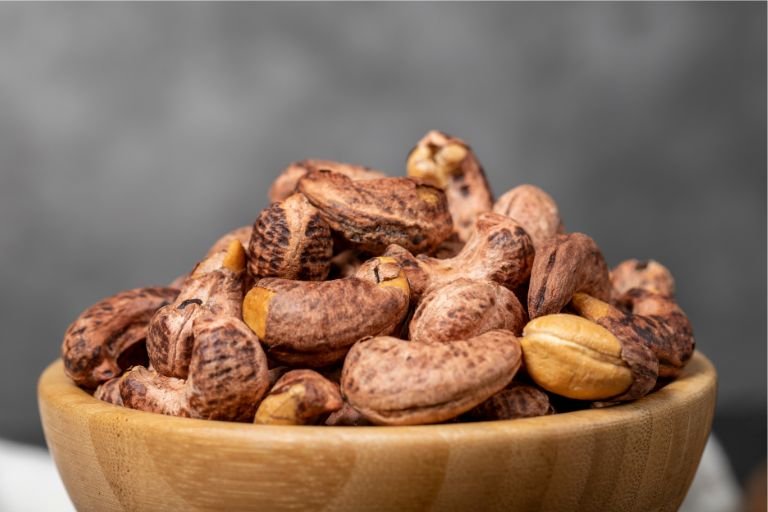
Cashews, with their creamy texture and rich flavor, are a popular snack and ingredient in many dishes. Known for their nutritional benefits, cashews are often included in healthy diets. But for individuals with GERD (gastroesophageal reflux disease) or acid reflux, the question arises: “Are cashews good for GERD?”
The short answer is: Cashews can be good for GERD if consumed in moderation, but they may not be suitable for everyone. While cashews are nutrient-dense and rich in healthy fats, their fat content—albeit healthy—can sometimes trigger reflux symptoms in sensitive individuals. The key to safely consuming cashews with GERD lies in portion control, preparation, and individual tolerance.
In this article, we’ll explore the benefits and potential drawbacks of cashews for those with GERD, their nutritional profile, and tips for incorporating them into a reflux-friendly diet.
Are Cashews Acidic or Alkaline?
Cashews are considered neutral to mildly alkaline, with a pH level that ranges between 6.1 and 6.5. This makes them less likely to contribute to stomach acidity compared to acidic foods like citrus fruits or coffee.
While cashews are not acidic, their effect on GERD symptoms depends more on their fat content and how they are consumed than their pH level.
Author Tip: Are Pecans Good for Acid Reflux? A Guide to GERD-Friendly Nuts
Nutritional Profile of Cashews
Cashews are a nutrient-dense food, providing essential vitamins, minerals, and healthy fats. Here’s a breakdown of their key nutritional components:
1. High in Healthy Fats
- Cashews contain monounsaturated and polyunsaturated fats, which are heart-healthy and anti-inflammatory. One ounce of cashews (about 18 nuts) provides approximately 12 grams of fat, mostly from healthy sources.
2. Source of Plant-Based Protein
- Cashews are a good source of protein, with about 5 grams per ounce, making them a satisfying snack that helps prevent overeating—a common trigger for GERD.
3. Rich in Magnesium
- Cashews are packed with magnesium, which helps relax the muscles of the digestive tract, including the lower esophageal sphincter (LES), reducing reflux episodes.
4. Contains Fiber
- One ounce of cashews provides about 1 gram of fiber, which supports healthy digestion and prevents constipation and bloating.
5. Loaded with Antioxidants
- Cashews are rich in antioxidants like vitamin E and zinc, which reduce inflammation and promote healing in the esophagus.
6. Low in Sugar
- Cashews are naturally low in sugar, making them a better snack option than sugary treats that can exacerbate GERD symptoms.
Related to Read: Are Hazelnuts Good for Acid Reflux?
Can Cashews Trigger GERD Symptoms?
While cashews are generally considered a healthy food, their fat content can sometimes trigger GERD symptoms in certain individuals. Here’s why:
1. High Fat Content
- Even though the fats in cashews are healthy, all fats—whether healthy or not—can relax the lower esophageal sphincter (LES), which separates the stomach from the esophagus. A relaxed LES increases the likelihood of stomach acid flowing back into the esophagus, causing reflux.
2. Overeating
- Eating large portions of cashews can overwhelm the stomach, leading to bloating and increased pressure on the LES. This can exacerbate GERD symptoms.
3. Individual Sensitivities
- Some people may have difficulty digesting nuts, including cashews, and experience symptoms like bloating, gas, or reflux.
Benefits of Cashews for GERD
When consumed in moderation and as part of a balanced diet, cashews can offer several medicinal benefits for individuals with GERD:
1. Prevents Overeating
- Cashews are satisfying and filling, thanks to their protein and healthy fat content. This can help prevent overeating, which is a common trigger for reflux symptoms.
2. Supports Muscle Function
- The magnesium and potassium in cashews help support proper muscle function, including the LES, which is responsible for keeping stomach acid from flowing back into the esophagus.
3. Anti-Inflammatory Properties
- Cashews contain antioxidants and anti-inflammatory compounds that may help soothe irritation in the esophagus caused by stomach acid.
4. Low Glycemic Index
- Cashews provide sustained energy without causing blood sugar spikes, which can indirectly help manage reflux symptoms.
5. Promotes Healthy Digestion
- The fiber content in cashews supports healthy digestion, which can reduce bloating and gas that may contribute to reflux.
Tips for Eating Cashews Safely with GERD
If you enjoy cashews and want to include them in your diet without triggering GERD symptoms, follow these tips:
1. Stick to Small Portions
- Limit your serving size to 1 ounce (about 18 nuts) per sitting. Eating large quantities can increase stomach pressure and exacerbate reflux.
2. Choose Unsalted, Plain Cashews
- Opt for raw or dry-roasted cashews without added salt, sugar, or flavorings that can irritate the stomach.
3. Avoid Eating Late at Night
- Refrain from consuming cashews or other snacks within 2–3 hours of bedtime to reduce the risk of nighttime reflux.
4. Chew Thoroughly
- Chewing cashews thoroughly aids digestion and reduces the likelihood of bloating or discomfort.
5. Monitor Your Body’s Reaction
- Pay attention to how your body reacts to cashews. If you notice symptoms like bloating, heartburn, or discomfort, it’s best to limit or avoid them.
Reflux-Friendly Ways to Enjoy Cashews
1. Cashew and Banana Smoothie
Ingredients:
- 1 cup unsweetened almond milk
- 1 ripe banana
- 1 tablespoon cashew butter
- 1 teaspoon honey (optional)
Instructions:
- Blend all ingredients until smooth.
- Serve as a soothing, reflux-friendly snack or breakfast.
2. Cashew Oatmeal
Ingredients:
- 1/2 cup oats
- 1 cup unsweetened almond milk
- 1 tablespoon chopped cashews
- 1/2 teaspoon cinnamon
Instructions:
- Cook oats in almond milk as directed.
- Top with chopped cashews and sprinkle with cinnamon.
- Serve warm for a hearty, reflux-friendly breakfast.
3. Cashew and Spinach Salad
Ingredients:
- 2 cups fresh spinach
- 1/4 cup chopped cashews
- 1/2 cup diced cucumber
- 1 tablespoon olive oil
Instructions:
- Combine spinach, cashews, and cucumber in a bowl.
- Drizzle with olive oil and toss to combine.
- Serve as a light and nutritious lunch or side dish.
Frequently Asked Questions About Cashews and GERD
1. Are cashews good for GERD?
Yes, cashews can be good for GERD if consumed in moderation. Their healthy fats, magnesium, and protein make them a nutrient-dense option, but large portions may trigger reflux symptoms in some individuals.
2. Can cashews cause acid reflux?
Cashews can cause reflux in some individuals if consumed in excess due to their fat content, which may relax the LES.
3. Are raw or roasted cashews better for GERD?
Both raw and dry-roasted cashews are good options for GERD. However, avoid heavily salted or flavored varieties, as they may irritate the stomach lining.
4. How many cashews can I eat if I have GERD?
Stick to a serving size of 1 ounce (about 18 nuts) to minimize the risk of triggering reflux symptoms.
5. Are other nuts better than cashews for GERD?
Almonds are often considered the most reflux-friendly nut due to their slightly alkaline nature and lower fat content. Walnuts, pistachios, and sunflower seeds may also be good options in moderation.
Final Thoughts
Cashews can be a healthy and satisfying snack for individuals with GERD when consumed in moderation. Their magnesium, protein, and healthy fats make them a nutritious choice, but their fat content can trigger reflux symptoms in some individuals if eaten in large quantities.
By choosing plain, unsalted cashews and sticking to small portions, you can enjoy the benefits of this nutrient-dense food without aggravating your GERD symptoms. As always, monitor your body’s reaction and adjust your intake accordingly to find what works best for you.
Related Posts



Subscribe for New Racipies
Get mental health tips, updates, and resources delivered to your inbox.
Matchstick Fries, and Lately I’ve Been Loving, Part 2


Apologies to those who want me to get straight to the food commentary. (Although it’s becoming apparent that I’m always kind of long-winded when it comes to writing about food, isn’t it?) Feel free to jump past this section, of course.
To all you others, lately I’ve been loving…
– Jeni’s Splendid Ice Cream, lemon and blueberry fro-yo to be exact. I had the pleasure of trying the salted caramel flavor this weekend, and while it was delicious and pleasantly salty, the lemon was stunning. Luckily the recipe can be found online.
– Niagara grapes, a replacement to the Muscats I can’t get on this coast.
– The perfect wedding ring has been found. It was love at first sight; I was mesmerized by the shine and didn’t want to take it off.
– The Book Thief may fall in the YA category, but it was so creative and lovingly written. Apparently, 1,249 people agreed, yowza.
– Fashion Week street style. I can’t help loving the grand display those fashion insiders put on twice a year.
– Jeanne Damas. Specifically, I love her hair. So much so, I was inspired to carve out a set of bangs for myself the other day. It soon became clear that I’m rusty in the bangs-cutting department. They turned out shorter than I would’ve liked. A LOT shorter, and crooked too. This is why there are professionals to do this sort of thing—but surely I’m not the only person in the world staunchly opposed to forking over money simply to get my bangs cut?
And the latest Pinterest love:
– This photo pretty much captures love, don’t you think?
– The perfect wedding takes place in the forests of Northern California. (I want a forest wedding!)
– This wedding veil is utterly romantic. I must get it.
– One of my favorite food photos as of late. It is so moody and evocative.

On to today’s recipe. Chris and I got home famished, after an afternoon rummaging through the Brooklyn Flea. I remembered that we had been given a bunch of potatoes, big dusty Idahos, that had been sitting on the counter for awhile. We hardly ever have potatoes in the house, because neither of us really like them except when they’re deep-fried.
So that’s what I decided to do. I whipped up a batch of these matchstick fries in no time, doused them in salt, pulled out a couple beers from the fridge, and suddenly, happy hour had been transported home with us. Minus the lack of seats.
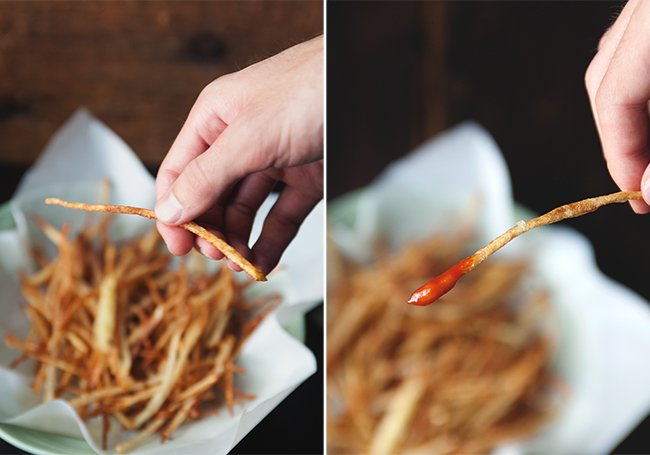
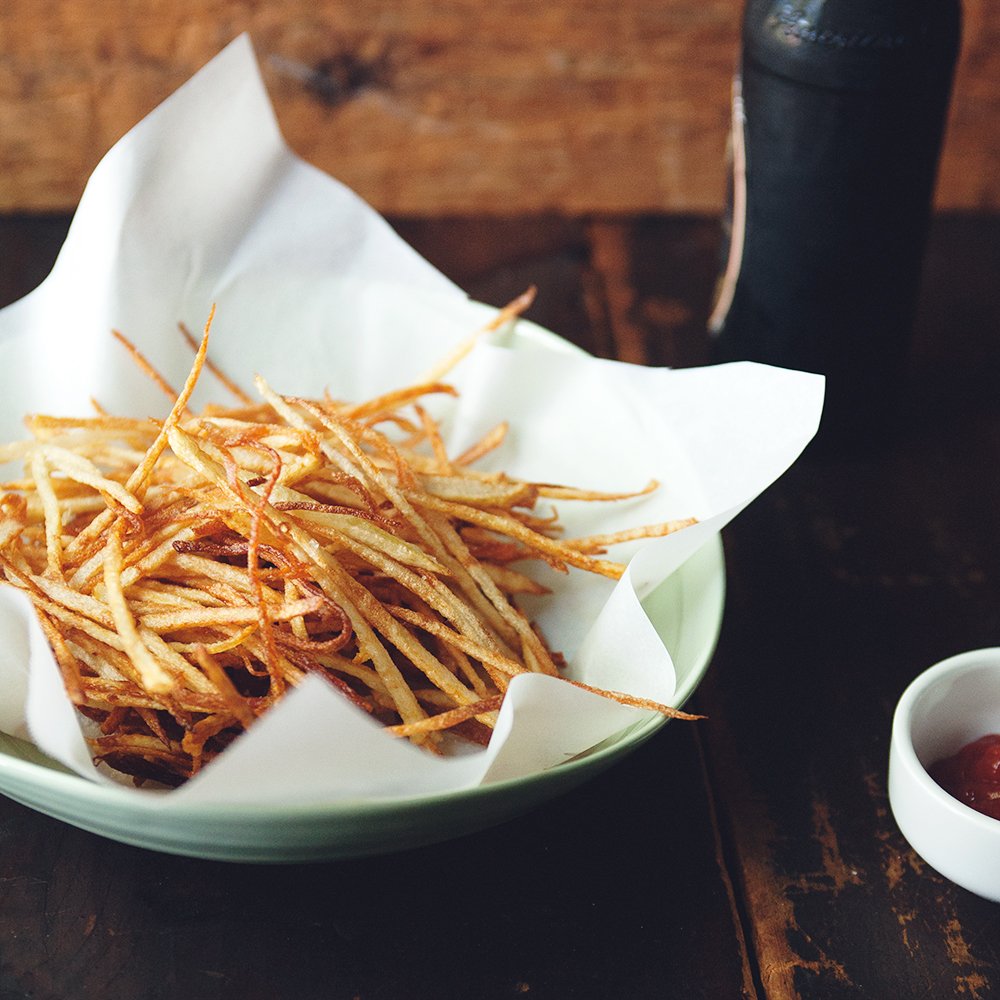
MATCHSTICK FRIES
Recipe adapted from Barefoot Contessa
Serves 2
Ingredients:
Vegetable oil
1 Idaho potato, peeled
Salt
Directions:
Slice the potato into matchsticks of about 1/8″ thick. You can use a mandoline, but I just hand-sliced without too much difficulty.
Heat about 1/2-inch of oil on medium heat in a medium saucepan with steep sides.
When the oil starts to shimmer, gently drop enough potatoes in the pan so it’s full but not overcrowded (overcrowding will cause the potatoes to stick together). Cook until they turn golden brown, about 5 minutes. Remove them with a slotted spoon and drain them on a paper towel. Continue cooking batches until you run out of potatoes.
Serve with your favorite condiments. Chris likes them as simple as can be, amply salted, and I like them with ketchup.

Related Posts

Subscribe for New Racipies
Get mental health tips, updates, and resources delivered to your inbox.