
Are Toasts Acidic? Understanding Toasts and Acid Reflux

Medically reviewed by Aneeza Pervez Updated Date: January 2, 2026

For individuals managing acid reflux or heartburn, it’s crucial to be mindful of the foods consumed. While many may assume bread and toast are neutral or safe, it’s important to understand how toasts impact acid reflux. Are toasts acidic? In this article, we will explore the relationship between toasts and acid reflux, their pH levels, and how to make toast a more reflux-friendly food.
The Acidity of Toasts: How Bread Affects pH Levels
The acidity of foods can play a significant role in managing acid reflux. Bread, including toasts, is often considered a low-acid food. The pH of toast typically ranges between 5.0 and 6.0, which makes it more on the neutral to slightly alkaline side. Toast, as a form of bread, doesn’t generally contribute to stomach acid production, and it’s unlikely to trigger heartburn for most individuals.
However, the way toast is prepared can influence its potential to cause reflux symptoms. For instance, when bread is toasted, the process removes moisture, which can change its texture but not significantly affect its acidity. It’s important to understand that while bread itself is low-acid, its toppings or what you pair it with can make a big difference. Butter, oil, or acidic spreads like ketchup can potentially aggravate acid reflux symptoms.
Author Tip: 7 Kinds of Foods to Avoid with GERD
How Toasts Interact with the Digestive System?
When you consume toast, it enters the digestive system as a carbohydrate, which is easy for the stomach to process. Toast, especially when made from whole-grain bread, provides a good amount of fiber. Fiber is beneficial for digestion, as it helps move food through the gastrointestinal system and prevents constipation, which is often linked to acid reflux flare-ups.
Toast is not known to relax the lower esophageal sphincter (LES), which is the muscle that prevents stomach acid from entering the esophagus. Foods that relax the LES, such as high-fat or spicy foods, can worsen reflux symptoms. Fortunately, toast doesn’t have this effect and can be part of a heartburn-friendly diet when consumed with care.
Do Toasts Trigger Acid Reflux?
While toast itself is generally considered safe for those with acid reflux, certain factors can contribute to discomfort. The biggest concern with toast for acid reflux sufferers is the toppings and accompaniments. Butter, jam, peanut butter, or even cheese can all potentially contribute to acid reflux by increasing fat intake or causing irritation. Additionally, white bread toast, although still low in acid, may cause some people to experience bloating or indigestion due to its higher glycemic index and refined carbohydrates.
However, whole-grain toast tends to be a better option for those with acid reflux, as it contains more fiber and nutrients, which help support digestion and reduce the risk of reflux. As long as you avoid acidic or fatty toppings, toast can be a gentle option for breakfast or as a snack.
How to Make Toast More Reflux-Friendly?
To make toast a part of a reflux-safe diet, it’s important to pay attention to how it’s prepared. Here are some tips to help you enjoy toast without the risk of acid reflux:
- Choose Whole-Grain Bread: Opt for whole-grain or sourdough bread rather than refined white bread, which can cause bloating or indigestion. Whole grains provide more fiber and have a lower glycemic index, making them easier to digest.
- Avoid Acidic or Spicy Toppings: Be cautious with spreads like tomato-based sauces, mustard, or vinegar, as they can trigger heartburn. Instead, use mild, heartburn-friendly spreads such as almond butter, avocado, or a light drizzle of olive oil.
- Limit High-Fat Toppings: Fatty spreads like butter or margarine can relax the LES, increasing the chances of acid reflux. Opt for lighter alternatives or simply enjoy toast plain.
- Pair with Non-Acidic Foods: Combine toast with non-acidic foods like bananas, leafy greens, or low-fat yogurt to create a more balanced, reflux-safe meal.
By making these simple modifications, you can enjoy toast without worrying about triggering acid reflux.
Author Tip: Are Avocado Toasts Acidic?
Are Toasts Safe for a Low-Acid Diet?
Toast can be a safe and comfortable food for those following a low-acid diet. Since it has a neutral pH, it doesn’t contribute to acid buildup in the stomach or irritate the esophagus. Additionally, toast can serve as a good base for meals, allowing you to pair it with digestive-friendly foods such as lean proteins, vegetables, or smooth nut butters.
For those on a GERD (gastroesophageal reflux disease) diet, toast can be part of a balanced meal, especially when paired with foods that are known to reduce reflux symptoms. Whole-grain toast can be more beneficial than white bread toast because of its additional fiber and nutritional content, which can help keep the digestive system functioning properly.
Frequently Asked Questions (FAQs)
1. Are toasts acidic?
Toasts are generally low-acid foods, with a pH range of 5.0 to 6.0, making them neutral to slightly alkaline. This means they are typically safe for those managing acid reflux.
2. Can I eat toasts if I have acid reflux?
Yes, toast is usually safe for acid reflux sufferers, especially when made from whole-grain bread. However, be mindful of the toppings you choose to avoid triggering symptoms.
3. Does toast cause heartburn?
Toast itself does not typically cause heartburn, as it has a neutral pH. However, fatty or acidic toppings like butter, jam, or ketchup can potentially trigger heartburn or reflux symptoms.
4. Is whole-grain toast better than white toast for acid reflux?
Yes, whole-grain toast is often a better choice for acid reflux sufferers. It contains more fiber and nutrients, which help with digestion and may reduce the risk of reflux compared to white bread.
5. How should I prepare toast to avoid acid reflux?
To avoid acid reflux, choose whole-grain bread, avoid acidic toppings like tomato or vinegar, and limit high-fat spreads like butter. Pair with non-acidic foods like avocado or almond butter.
6. Is toast good for a low-acid diet?
Yes, toast is a good option for a low-acid diet. It has a neutral pH, making it unlikely to cause discomfort for those managing acid reflux.
7. Can I eat toast every day if I have acid reflux?
Toast can be part of your daily diet, but it’s important to keep variety in your meals. Choose whole-grain bread, avoid fatty or acidic toppings, and pair it with digestive-friendly foods.
8. Can toast help with digestion?
Toast, especially whole-grain bread, is digestive-friendly because of its fiber content. Fiber helps with digestion by promoting regular bowel movements and reducing constipation, which can exacerbate acid reflux.
Conclusion: Can You Enjoy Toast with Acid Reflux?
Toasts, particularly when made from whole-grain bread, are generally safe for acid reflux sufferers due to their neutral pH and easy digestibility. The main concern for those managing acid reflux lies in the toppings and the types of bread used. By making mindful choices, such as opting for whole-grain bread, avoiding acidic or fatty spreads, and pairing your toast with reflux-safe ingredients, you can enjoy toast without the worry of triggering heartburn.
Related Posts



Subscribe for New Racipies
Get mental health tips, updates, and resources delivered to your inbox.
Are Apples Good for Diabetics? The Definitive Nutrition Guide


For the millions of people living with diabetes or prediabetes, the produce aisle can be a confusing place. We are told to eat fresh foods, but we are also told to watch our sugar intake. This creates a natural paradox when it comes to fruit.
Fruits are healthy, but they are also sweet. This leads to one of the most common questions in the world of blood sugar management: Are apples good for diabetics?
The short answer is a resounding yes.
However, the long answer involves nuance. It depends on the type of apple, the portion size, what you eat with it, and your specific type of diabetes. While apples contain natural sugar (fructose), they are also packed with fiber, antioxidants, and essential nutrients that can actually help improve insulin sensitivity rather than harm it.
In this deep-dive guide, we will peel back the layers on the relationship between apples and blood sugar. We will analyze specific varieties (from Granny Smith to Honeycrisp), look at the difference between Type 1 and Type 2 diabetes management, and bust the myths surrounding fruit consumption.
Nutritional Profile of Apples (Why They Matter for Diabetics)
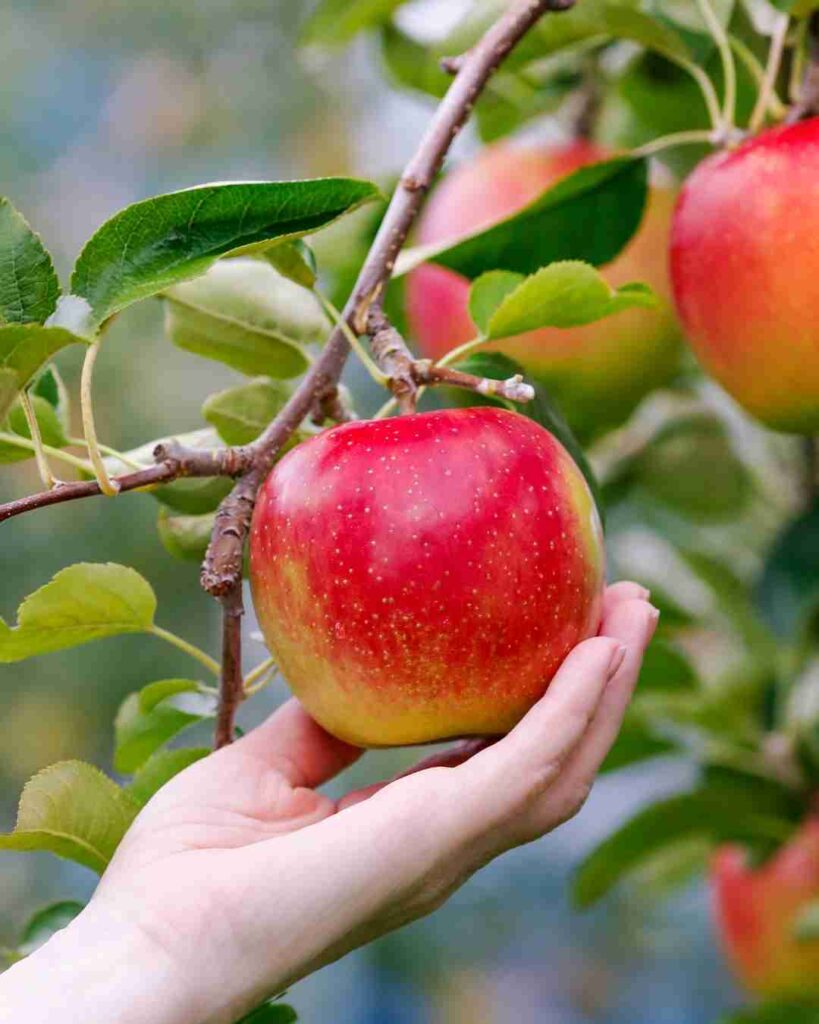
To understand why are apples good for diabetics, we must look beyond just the sugar content and analyze the fruit as a whole package. A medium-sized apple (about 180 grams) is a nutritional powerhouse disguised as a simple snack.
The Magic of Pectin (Fiber)
The most critical component of an apple for a diabetic is fiber. A medium apple provides about 4 to 5 grams of fiber, a significant portion of which is pectin.
Pectin is a soluble fiber found in the skin and flesh of the apple. When you eat it, pectin dissolves in water to form a gel-like substance in your digestive tract. This “gel” slows down the digestion of food and the absorption of sugar into the bloodstream.
This means that while are apples a good snack for diabetics? Yes, because the fiber acts as a natural brake system, preventing the rapid blood sugar spikes associated with candy or juice.
Glycemic Index (GI) and Glycemic Load (GL)
When managing diabetes, the Glycemic Index (GI) is a vital tool. It measures how quickly a food raises blood sugar levels.
- Low GI: 55 or less
- Medium GI: 56–69
- High GI: 70+
Apples typically have a Glycemic Index ranging from 36 to 40. This is considered low. Compared to watermelon (GI of ~72) or a banana (GI of ~51), an apple causes a much slower, more manageable rise in glucose.
Antioxidants and Insulin Sensitivity
Apples are rich in polyphenols, specifically flavonoids like quercetin. Research suggests that quercetin may help protect pancreatic beta cells (which produce insulin) from damage and improve insulin sensitivity. This means eating apples might help your body use the insulin it produces more effectively.
Are Apples Good for Type 2 Diabetics?
Type 2 diabetes is characterized by insulin resistance—the body produces insulin but doesn’t use it well. The dietary goal for Type 2 diabetics is to maintain stable blood sugar levels and manage weight. So, are apples good for diabetics type 2?
Insulin Resistance and Fiber
Because fiber bypasses digestion, it satisfies hunger without adding a heavy caloric load or a massive glucose spike. For Type 2 diabetics, increasing soluble fiber intake is often a primary recommendation from dietitians. The slow-release energy provided by an apple helps avoid the “crash” that leads to sugar cravings later in the day.
Apple Consumption and HbA1c
Several large-scale studies have shown an inverse relationship between apple consumption and Type 2 diabetes risk. A study involving over 38,000 women found that those who ate one or more apples a day had a 28% lower risk of developing Type 2 diabetes compared to those who didn’t.
For those already diagnosed, are apples good for type 2 diabetics to maintain HbA1c? Yes. Replacing high-GI snacks (like crackers or cookies) with apples helps lower overall blood sugar averages over time.
Portion Timing
For Type 2 diabetics, when you eat the apple matters.
- As a Snack: Eating an apple between meals can prevent hypoglycemia (low blood sugar) if you are on medication, or prevent overeating at the next meal due to extreme hunger.
- With Meals: If your post-meal numbers are usually high, you might want to save the apple for a snack rather than adding it to a carb-heavy dinner.
Are Apples Good for Type 1 Diabetics?
Managing Type 1 diabetes is a different mathematical challenge, involving the precise calculation of insulin to cover carbohydrates. Are apples good for type 1 diabetics? Absolutely, but they require calculation.
Carbohydrate Counting
For a person with Type 1 diabetes, knowing the exact carb count is non-negotiable.
- Small Apple (tennis ball size): ~15 grams of carbs.
- Medium Apple: ~20–25 grams of carbs.
- Large Apple: ~30+ grams of carbs.
Because apples contain fiber, some Type 1 diabetics subtract the fiber from the total carbohydrates to get “net carbs,” though this varies by individual treatment plans.
Insulin Dosing Considerations
Is apple good for type 1 diabetes in terms of blood sugar predictability? Generally, yes. Because apples are low-GI, the glucose enters the bloodstream slowly.
- The Challenge: If you take a fast-acting insulin bolus for an apple, the insulin might peak before the sugar from the apple fully hits your system (due to the fiber slowing digestion). This can sometimes cause a temporary low followed by a high.
- The Strategy: Many Type 1 diabetics find apples easier to manage than tropical fruits (like pineapple) because the “spike” is actually a gentle curve, making it easier to match with insulin profiles.
Raw vs. Cooked
Type 1 diabetics should be aware that cooked apples (like applesauce) digest faster. If you treat low blood sugar, apple juice or applesauce is effective. If you want a stable snack, raw with skin on is superior.
Are Apples Good for Prediabetics?
Prediabetes is the warning zone—blood sugar is high, but not yet in the Type 2 range. The goal here is reversal. Are apples good for pre diabetics?
Preventing Blood Sugar Spikes
The primary goal for a prediabetic is to stop the pancreas from overworking. Every time you eat a high-carb food, the pancreas must pump out massive amounts of insulin. Because apples digest slowly, they demand less insulin from the pancreas than refined starches.
The Role of Fiber-Rich Fruits
Diets high in plant-based fiber are strongly correlated with the reversal of prediabetes. An apple provides 15–20% of the recommended daily fiber intake. By simply adding one apple a day and removing one processed snack (like chips or a granola bar), a prediabetic can significantly reduce their glycemic load.
Which Apples Are Best for Diabetics? (Major Varieties Explained)
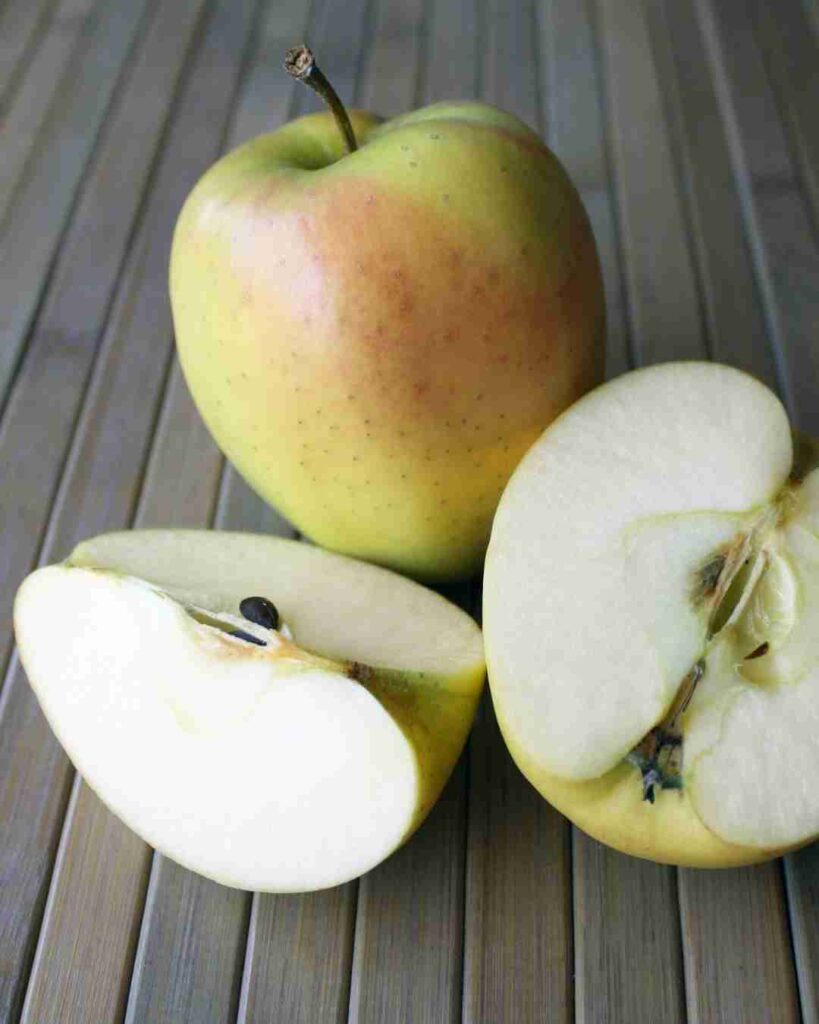
Not all apples are created equal. While they all share similar DNA, the sugar-to-fiber ratio varies between varieties. When you ask which apples are good for diabetics or what kind of apples are good for diabetics, the general rule is: The more tart the apple, the better.
Here is a breakdown of what type of apples are good for diabetics based on variety.
Granny Smith Apples
Are Granny Smith apples good for diabetics?
Yes, they are widely considered the gold standard for diabetics.
- Profile: Tart, crisp, thick skin.
- Why: They typically have lower sugar content and higher acidity than sweeter varieties. The acidity can actually further slow digestion.
- Best For: Dipping in peanut butter or slicing into salads.
Fuji Apples
Are Fuji apples good for diabetics?
Fuji apples are incredibly popular because they are sweet and crunchy, but they are higher on the sugar spectrum.
- Profile: Very sweet, firm texture.
- Why: While they have more fructose, their dense fiber structure still keeps them in the “safe” zone if portion-controlled.
- Best For: A dessert replacement.
Gala Apples
Are Gala apples good for diabetics?
Gala apples sit in the middle ground.
- Profile: Mildly sweet, thinner skin, softer flesh.
- Why: They are smaller on average than Fuji or Honeycrisp, which naturally helps with portion control.
- Best For: A quick, on-the-go snack for kids or adults.
Honeycrisp Apples
Are Honeycrisp apples good for diabetics?
These are the “candy” of the apple world. They are huge, juicy, and very sweet.
- Profile: Explosive crunch, high juice content.
- Why: Honeycrisp apples are often very large. One large Honeycrisp can contain 30g+ of carbohydrates.
- Verdict: They are fine to eat, but you must watch the size. Consider eating only half or sharing it.
Red vs. Green Summary
When asking are red apples good for diabetics versus are green apples good for diabetics, the green apple usually wins on strict sugar numbers. However, red apples (especially the skin) are often higher in anthocyanins (antioxidants). Both are acceptable, but green is the “safer” bet for tight control.
Green Apples vs Red Apples: Which Is Better for Diabetes?
The debate of are green apples good for diabetics versus red apple is good for diabetes is common. Let’s look at the science.
Sugar Content Comparison
- Green Apples (Granny Smith): A medium green apple contains roughly 17g of sugar.
- Red Apples (Fuji/Delicious): A medium red apple can contain 21g to 23g of sugar.
The difference is about one teaspoon of sugar. For a non-diabetic, this is negligible. For a diabetic, specifically one who is extremely insulin sensitive or strictly low-carb, green apples offer a slight advantage.
Acidity and Digestion
Green apples are more acidic. Acid can delay gastric emptying (the speed at which food leaves the stomach). This delay means glucose enters the bloodstream even more slowly.
However, red apples are often more palatable for people who dislike sour flavors. The best apple for a diabetic is the one they will eat instead of a candy bar. If you hate green apples, don’t force them. A red apple is still vastly superior to processed sweets.
How Many Apples Can a Diabetic Eat Per Day?
Portion control is the difference between medicine and poison. How many apples a day can a diabetic eat?
The General Guideline
For most people with well-managed diabetes, one medium apple per day is an excellent addition to the diet.
Some active diabetics or those with higher carb allowances can handle two, but they should be spaced out (e.g., one mid-morning, one mid-afternoon).
Size Matters
In modern agriculture, apples have grown in size. A “serving” of fruit is technically a small-to-medium apple (tennis ball size).
Many apples sold in supermarkets today are the size of softballs. These can contain double the carbohydrates of a standard serving.
- Tip: If you buy large apples, slice them and eat half. Save the other half for later or share it.
Daily Carb Balance
If you are on a strict Keto diet (under 20g carbs/day), an apple might take up your entire daily allowance. If you are on a standard ADA diet (45-60g carbs per meal), an apple fits easily as a snack or part of lunch.
Are Apples Good for Diabetics Trying to Lose Weight?
Weight loss is often a primary treatment goal for Type 2 diabetes. Are apples good for diabetics to lose weight?
Satiety & Calorie Density
Apples are a “high volume, low calorie” food. You can eat a large amount of food for very few calories (approx 80-95 calories per apple).
The high water and fiber content trigger satiety hormones. Eating a whole apple before a meal has been shown to reduce total calorie intake at that meal by up to 200 calories.
Apples as Low-GI Snacks
When you are trying to lose weight, insulin management is key. High insulin levels promote fat storage. Because apples are low-GI, they don’t spike insulin as sharply as processed “low-fat” snacks (which are often high sugar).
Are apples good for diabetics diet plans? Yes, they satisfy the craving for “crunch” and “sweet” simultaneously, which are the two cravings that usually derail diets.
Are Apples and Peanut Butter Good for Diabetics?
This is arguably the most famous diabetic snack hack. Are apples and peanut butter good for diabetics?
The Power of Pairing
When you eat a carbohydrate (an apple) alone, it digests at a certain speed.
When you pair that carbohydrate with healthy fat and protein (peanut butter), the digestion slows down significantly. The fat coats the stomach lining and delays gastric emptying, leading to a much flatter blood sugar curve.
Best Peanut Butter Choices
Not all peanut butters are safe.
- Avoid: “No Stir” or highly processed brands often contain added sugar and hydrogenated oils.
- Choose: Natural peanut butter (ingredients should be just peanuts and salt) or almond butter.
- Portion: Stick to 1-2 tablespoons. Nuts are high in calories, so while they help control blood sugar, overeating them can hinder weight loss.
The Verdict
Yes, pairing apples with nut butter is one of the smartest strategies for blood sugar management. It turns a simple carb snack into a balanced mini-meal.
Apples vs Other Fruits for Diabetics
If apples are good, are others better? What is the best fruit for a diabetic to eat?
While berries often get the title of what is the one fruit that lowers blood sugar (due to their incredibly low glycemic load), apples hold their own. Let’s compare.
| Fruit | Glycemic Index (GI) | Carb Count (per serving) | Verdict for Diabetics |
| Apple (with skin) | 36 (Low) | ~20g | Excellent. High fiber, portable. |
| Berries (Blueberry/Raspberry) | 25-50 (Low) | ~15g (per cup) | Superior. Highest antioxidants, lowest sugar. |
| Orange | 43 (Low) | ~15g | Good. Good fiber, but avoid juice. |
| Pear | 38 (Low) | ~20g | Excellent. Very similar profile to apples. |
| Banana (Ripe) | 51-60 (Medium) | ~27g | Caution. Can spike sugar faster. |
| Watermelon | 72 (High) | ~11g | Caution. High GI, spikes sugar quickly. |
Are apples and oranges good for diabetics? Yes, both are great citrus/pome options. Are oranges good for diabetics? Yes, but apples generally have more pectin fiber, which makes them slightly more filling.
When looking for the 5 best fruits for diabetics, the list usually includes:
- Berries (all types)
- Apples
- Pears
- Cherries (Tart)
- Grapefruit
Are Cooked Apples Good for Diabetics?

Autumn brings pies, crisps, and sauces. Are cooked apples good for diabetics?
The Chemistry of Cooking
Heat breaks down the cellular structure of the fruit. This partially “predigests” the fiber. While the fiber content remains physically there, it is less effective at slowing down sugar absorption compared to raw fiber.
Consequently, cooked apples have a slightly higher Glycemic Index than raw apples.
Applesauce vs. Baked Apples
- Applesauce: Usually digests very fast. Commercial brands are often loaded with high-fructose corn syrup. Even unsweetened applesauce can spike sugar faster than a raw apple.
- Baked Apples: If you bake a whole apple with the skin on, it retains more structural integrity than sauce.
The Verdict
Raw is best. If you eat cooked apples (like in a healthy crumble), ensure there is no added sugar and eat it alongside protein (like Greek yogurt) to buffer the spike.
Apples for Diabetics: UK & Reddit Perspectives
Dietary advice can vary by region and community.
Are Apples Good for Diabetics UK Perspective
In the UK, the NHS strongly promotes the “5 A Day” campaign. Diabetes UK explicitly lists apples as a “fruit to enjoy.” They emphasize that the sugar in whole fruit is not the same as “free sugars” (added sugars). UK guidance focuses heavily on portion control rather than fruit avoidance.
Are Apples Good for Diabetics Reddit Perspective
If you search Are apples good for diabetics Reddit, you will find a mix of Type 1 and Type 2 experiences.
- Common Thread: “Apples are my go-to low-crash snack.”
- The CGM Data: Many users with Continuous Glucose Monitors (CGMs) share that apples cause a “gentle hill” rather than a “mountain spike” on their graphs.
- The Controversy: Some Keto-focused diabetics on Reddit avoid all fruit. However, the consensus among moderate low-carb communities is that apples are the most “worth it” fruit due to the crunch and fiber.
Common Myths About Apples and Diabetes
Let’s debunk the misinformation circulating about why are apples good for diabetics (or bad).
Myth 1: “Diabetics Cannot Eat Any Sugar, So No Fruit.”
Fact: The body processes natural fructose in a fiber matrix (fruit) very differently from refined sucrose (table sugar). The fiber in apples slows absorption. Avoiding fruit entirely deprives diabetics of essential vitamins and heart-healthy antioxidants.
Myth 2: “Green Apples Have Zero Sugar.”
Fact: This is false. Green apples have less sugar than red ones (maybe 3-5g less), but they are not sugar-free. You still need to count the carbs.
Myth 3: “Peeling the Apple Reduces the Sugar.”
Fact: Peeling the apple removes the fiber (pectin) and the antioxidants. It essentially leaves you with the sugary flesh. Peeling an apple actually raises its Glycemic Index. Always eat the skin.
Myth 4: “Apple Juice is Just as Good as the Fruit.”
Fact: Apple juice is essentially sugar water. It lacks the fiber necessary to slow digestion. A glass of apple juice can spike blood sugar as fast as a soda. Diabetics should generally avoid juice unless treating hypoglycemia.
Frequently Asked Questions
Are apples good for diabetics?
Yes. Apples are low-glycemic, high in fiber, and rich in antioxidants, making them an excellent snack for managing blood sugar levels when eaten in moderation.
Which apples are best for diabetics?
Tart apples like Granny Smith are generally best because they have slightly lower sugar content and higher acidity. However, Gala and Fuji are also safe if portion-controlled.
Are apples good for Type 2 diabetes?
Yes. The soluble fiber (pectin) in apples helps reduce insulin resistance and improve blood sugar control. Regular consumption is linked to a lower risk of developing Type 2 diabetes.
How many apples can a diabetic eat a day?
Most diabetics can safely eat one medium-sized apple per day. It is best to space fruit intake out rather than eating multiple servings at once.
Are apples better than oranges for diabetics?
Both are healthy, but apples generally have a lower Glycemic Index (36 vs. 43) and contain pectin fiber, which is superior for gut health and blood sugar management.
Final Verdict: Are Apples Good for Diabetics?
After reviewing the nutritional data, glycemic response, and expert guidelines, the verdict is clear: Are apples good for diabetics? Yes, they are one of the best fruit choices you can make.
Apples offer a unique combination of sweetness, crunch, and medical benefits. The soluble fiber helps manage glucose trends, the antioxidants protect heart health, and the bulk helps with weight management.
Summary of Best Practices:
- Eat the Skin: Never peel your apple; that’s where the diabetes-fighting fiber lives.
- Pair It Up: Eat your apple with peanut butter, cheese, or a handful of walnuts to blunt the sugar spike.
- Choose Wisely: Opt for tart varieties like Granny Smith if you want the lowest sugar option.
- Watch the Size: Stick to small or medium apples, or share a large one.
By following these simple rules, an apple a day might not keep the doctor away entirely, but it will certainly help keep high blood sugar at bay.
Disclaimer: This content is for informational purposes only and does not constitute medical advice. Always consult with your doctor or a registered dietitian before making significant changes to your diet, especially if you are managing Type 1 or Type 2 diabetes.
References
1. Clinical Studies & Meta-Analyses (Diabetes Risk)
- Journal of Clinical Endocrinology & Metabolism: Associations Between Fruit Intake and Risk of Diabetes. Higher consumption of whole fruits (specifically apples, blueberries, and grapes) is associated with a significantly lower risk of developing Type 2 diabetes.
- Harvard T.H. Chan School of Public Health: Fruit Consumption and Risk of Type 2 Diabetes. Specific whole fruits, including apples, are associated with a lower risk of type 2 diabetes, while fruit juice is associated with a higher risk.
2. Glycemic Index & Nutrition Data
- University of Sydney (GI Database): Glycemic Index of Apples. Lists the Glycemic Index of a raw apple at roughly 36, classifying it as a low-GI food.
- USDA FoodData Central: Apple Nutrition Profile. Detailed breakdown of fiber (pectin), sugar (fructose), and calorie counts for various apple sizes.
3. Physiological Mechanisms (Pectin & Quercetin)
- National Institutes of Health (PMC): Quercetin Potentiates Insulin Secretion and Protects Beta-Cells. Research shows how Quercetin (found in apple skin) helps protect pancreatic beta-cells from oxidative damage.
- Diabetes UK: Fruit and Diabetes Guidelines. Explains why the sugar in whole fruit is different from free sugars and recommends apples as a healthy snack.
Related Posts






Subscribe for New Racipies
Get mental health tips, updates, and resources delivered to your inbox.