
Is Greek Yogurt Acidic? Greek Yogurt and Acid Reflux

Greek yogurt has gained immense popularity for its creamy texture, tangy taste, and numerous health benefits. But have you ever wondered whether this beloved superfood is acidic? For people suffering from acid reflux or related digestive issues, the acidity of foods plays a significant role in managing symptoms.
Acidity in foods refers to their pH levels, which determine whether they are acidic, neutral, or alkaline. Greek yogurt, known for its rich nutrient profile and probiotic content, falls on the acidic side of the spectrum. This raises an important question: is it helpful or harmful for those dealing with acid reflux? Let’s dive into the details to better understand the relationship between Greek yogurt, its acidity, and its effects on acid reflux.
The pH of Greek Yogurt
Understanding pH Levels and Acidity
pH levels are used to measure how acidic or alkaline a substance is. The scale ranges from 0 to 14, where 7 is neutral. Anything below 7 is acidic, and anything above is alkaline. Greek yogurt typically has a pH level between 4 and 5, making it mildly acidic. This acidity is primarily due to the fermentation process that converts lactose into lactic acid.
Is Greek Yogurt Acidic or Alkaline?
While Greek yogurt is acidic in nature, its acidity isn’t extreme. Compared to other acidic foods like citrus fruits or vinegar, Greek yogurt has a milder impact on the stomach. The probiotics present in Greek yogurt can actually help balance stomach acid levels, which may benefit those dealing with mild reflux symptoms.
How Fermentation Impacts Acidity in Yogurt?
Fermentation is the process that gives yogurt its characteristic tanginess. During fermentation, beneficial bacteria break down lactose, reducing sugar content while increasing acidity. This process enhances the yogurt’s shelf life and probiotic content, which are key contributors to its health benefits.
Author Tip: Is Almond Yogurt Acidic?
Nutritional Profile of Greek Yogurt
Key Nutrients in Greek Yogurt
Greek yogurt is a nutrient-dense food packed with protein, calcium, and probiotics. A single serving provides about 10-20 grams of protein, which helps with muscle repair and satiety. It’s also an excellent source of calcium, essential for strong bones and teeth.
Comparison with Regular Yogurt
Compared to regular yogurt, Greek yogurt contains less sugar and more protein. Its thicker texture is due to the straining process that removes excess whey, concentrating the nutrients. However, this also contributes to its slightly higher acidity.
How the Acidity Contributes to Its Health Benefits?
The mild acidity of Greek yogurt plays a role in supporting digestive health. It creates an environment conducive to the growth of probiotics, which can enhance gut flora and improve digestion. Additionally, its acidity can help increase the bioavailability of calcium, making it easier for the body to absorb this vital mineral.
Greek Yogurt and Digestive Health
The Role of Probiotics in Greek Yogurt
Probiotics are live bacteria that promote a healthy gut. Greek yogurt is rich in these beneficial microorganisms, which can improve digestion, reduce bloating, and even support immune function.
Acidity and Its Effects on Gut Health
The acidity of Greek yogurt can support the gut by maintaining a balanced pH environment. This is crucial for the survival and activity of probiotics, which thrive in slightly acidic conditions.
Can Greek Yogurt Balance Stomach Acid?
Interestingly, while Greek yogurt is acidic, it may help neutralize excessive stomach acid due to its soothing properties and probiotic content. This makes it a potentially good option for people with occasional acid reflux.
Understanding Acid Reflux
What Causes Acid Reflux?
Acid reflux occurs when stomach acid flows back into the esophagus, causing symptoms like heartburn and indigestion. Common causes include overeating, obesity, and consuming trigger foods.
Common Triggers of Acid Reflux
Certain foods and beverages, including spicy foods, caffeine, alcohol, and high-fat meals, are known to exacerbate reflux symptoms. Stress and poor eating habits can also contribute.
Foods to Avoid with Acid Reflux
Individuals with acid reflux should steer clear of highly acidic foods, such as citrus fruits, tomatoes, and fried foods. Understanding personal triggers is key to managing this condition effectively.
Is Greek Yogurt Good or Bad for Acid Reflux?
How Greek Yogurt Might Soothe Acid Reflux Symptoms?
Greek yogurt can be a double-edged sword for those with acid reflux. On one hand, it is rich in probiotics, which help balance gut flora and support digestive health. For some people, this can alleviate reflux symptoms by aiding digestion and reducing inflammation in the digestive tract.
Additionally, the creamy texture and cooling nature of Greek yogurt can coat the stomach lining, potentially soothing irritation caused by excess stomach acid. Choosing a low-fat or non-fat variety is essential, as high-fat foods are known to worsen acid reflux symptoms.
Situations Where Greek Yogurt Might Worsen Reflux
For others, the natural acidity of Greek yogurt might trigger discomfort. If eaten in large quantities, it can contribute to an already acidic environment in the stomach. People with lactose intolerance or sensitivity to fermented foods may also experience bloating, gas, or exacerbated reflux symptoms after consuming Greek yogurt.
Individual Differences and Tolerances
Everyone’s digestive system is different. While some people find Greek yogurt beneficial for managing acid reflux, others may need to avoid it altogether. The key is to monitor your body’s response and adjust your diet accordingly.
Benefits of Greek Yogurt for Overall Health
High Protein Content and Satiety
Greek yogurt stands out for its high protein content, which helps keep you full for longer periods. This is particularly useful for weight management, as overeating can contribute to acid reflux.
Calcium for Bone Health
A single serving of Greek yogurt provides a significant portion of your daily calcium needs, which supports strong bones and teeth. Calcium also plays a role in nerve function and muscle health.
Impact on Immune System Through Probiotics
Probiotics in Greek yogurt not only aid digestion but also enhance immune function. A healthy gut microbiome is closely linked to overall immunity, helping your body fight off infections and illnesses.
Tips for Eating Greek Yogurt with Acid Reflux
Choosing Low-Fat or Non-Fat Options
Full-fat dairy products can aggravate acid reflux symptoms due to their higher fat content, which relaxes the lower esophageal sphincter (LES). Opt for low-fat or non-fat Greek yogurt to minimize this risk while still reaping the benefits.
Incorporating Greek Yogurt Into a Reflux-Friendly Diet
Greek yogurt pairs well with alkaline or low-acid foods, such as bananas, oatmeal, or honey. These combinations can help neutralize the yogurt’s acidity, making it a safer option for reflux sufferers.
Moderation and Portion Control
Even with its potential benefits, consuming Greek yogurt in moderation is crucial. Stick to small portions, especially if you’re uncertain about how your body will react. Eating too much yogurt in one sitting can overload the stomach and worsen reflux symptoms.
Author Tip: 7-Day Meal Plan For Gastritis
Alternatives to Greek Yogurt for Acid Reflux
Non-Dairy Yogurt Options
For those who find Greek yogurt too acidic or have a dairy intolerance, plant-based yogurts made from almond, soy, or coconut milk can be excellent alternatives. These options are typically less acidic and easier on the stomach.
Other Soothing Foods for Reflux Sufferers
Consider incorporating other reflux-friendly foods into your diet, such as oatmeal, ginger, melons, and leafy greens. These foods are known for their ability to calm the stomach and reduce acid production.
Why Variety Matters in a Reflux-Friendly Diet?
A varied diet helps ensure you get all the nutrients your body needs while avoiding over-reliance on any single food. Experiment with different options to find what works best for your symptoms.
Debunking Myths About Greek Yogurt and Acidity
Is All Yogurt Acidic?
While most yogurts are acidic, their impact on the stomach can vary. Factors such as fat content, sugar levels, and fermentation play a role in determining how acidic a yogurt is.
Can Greek Yogurt “Neutralize” Acid?
Some people believe that Greek yogurt can neutralize stomach acid. While it doesn’t neutralize acid directly, its probiotics and soothing properties can help reduce reflux symptoms for some individuals.
The Importance of Understanding Your Body’s Reactions
There’s no one-size-fits-all answer to whether Greek yogurt is good for acid reflux. Paying attention to your body and consulting with a healthcare professional can help you make informed decisions about including it in your diet.
How to Make Greek Yogurt Less Acidic?
Homemade Greek Yogurt Tips
Making Greek yogurt at home gives you control over the fermentation process, which determines acidity. Shortening fermentation time can result in a less tangy, milder yogurt.
Pairing Yogurt With Alkaline Foods
Combine Greek yogurt with alkaline foods like bananas or cucumbers to balance its acidity. These foods can help create a more reflux-friendly meal or snack.
Sweeteners and Mix-Ins to Balance Acidity
Adding natural sweeteners like honey or incorporating gentle fruits like berries can tone down the tanginess of Greek yogurt, making it more palatable and less irritating for the stomach.
Greek Yogurt and Long-Term Acid Reflux Management
Consistency in Diet Choices
Maintaining a consistent, reflux-friendly diet is key to managing symptoms over time. Greek yogurt, when incorporated wisely, can be a valuable part of this plan.
Consulting a Healthcare Professional
If you’re unsure about how Greek yogurt affects your acid reflux, speak with a doctor or dietitian. They can provide personalized recommendations based on your symptoms and dietary needs.
The Role of Lifestyle Changes in Managing Reflux
In addition to dietary adjustments, lifestyle changes such as eating smaller meals, avoiding late-night snacking, and maintaining a healthy weight can significantly reduce acid reflux symptoms.
FAQs About Greek Yogurt and Acid Reflux
- Can Greek yogurt trigger acid reflux?
- For some individuals, the acidity of Greek yogurt might trigger reflux symptoms, but it often helps others due to its probiotics.
- Is full-fat or low-fat Greek yogurt better for reflux?
- Low-fat or non-fat Greek yogurt is a better option for those with acid reflux to minimize potential triggers.
- How often can I eat Greek yogurt with reflux?
- Start with small portions a few times a week and monitor your body’s response to determine your tolerance.
- Can children with acid reflux eat Greek yogurt?
- Yes, but it’s important to choose plain, low-fat Greek yogurt and consult a pediatrician for tailored advice.
- What are other probiotic-rich foods for reflux?
- Kefir, miso, and sauerkraut are excellent alternatives that can support gut health without being overly acidic.
Conclusion
Greek yogurt, while mildly acidic, can be a beneficial addition to a reflux-friendly diet for many people. Its probiotics, nutrients, and soothing properties make it a versatile food, but individual tolerances vary. By incorporating it wisely and pairing it with low-acid foods, Greek yogurt can support digestive health without aggravating reflux symptoms.
Gluco6 Reviews
ProstaVive Reviews
Mitolyn Reviews
Nagano Tonic Reviews
Nerve Fresh
Lipozem Reviews
Sugar defender
CelluCare Reviews
Nitric Boost Ultra Reviews
Pineal XT Reviews

Related Posts


Subscribe for New Racipies
Get mental health tips, updates, and resources delivered to your inbox.
Are Nutri Grain Bars Healthy? Expert Insights and Nutrition Analysis

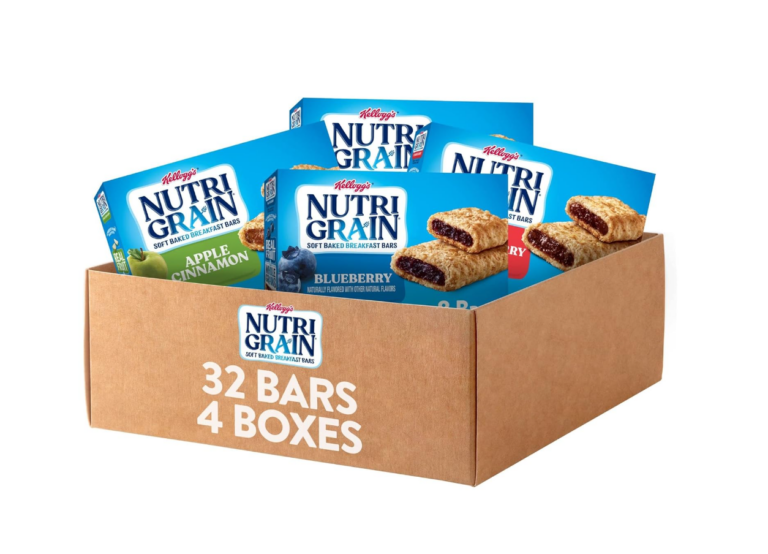
‘Nutri’ and ‘grain’- reading this, you might be wondering if all the healthy stuff is infused in Nutri Grain bars, right? Nutri Grain bars are indeed one of the most popular snack food items on the market right now, but are Nutri Grain bars healthy as you might think?
Nutri Grain bars are marketed as nutritious, low-calorie snacks that contain lots of essential vitamins and minerals, like calcium and iron. Yet Nutri Grain bars aren’t as healthy as you might think; in fact, their high calorie and sugar content can do more harm than good if you eat them regularly.
Here are some reasons Nutri Grain bars may not be as healthy as you think they are and some healthier alternatives to fill you up!
Are Nutri Grain Bars Healthy?

Who doesn’t know the Nutri Grain bars you find at the grocery store? They’re those delicious, crunchy little bars made of whole grains and nuts that are supposedly good for you, right? However, it turns out not so much.
Here are a few reasons Nutri Grain bars may not be as healthy as you think they are
- Excess Sugar, High Fructose Corn Syrup, And Hydrogenated Vegetable Oils
Many people think that just because it’s healthy to eat whole grains like oatmeal or wheat toast, it must be good for you to eat Nutri Grain bars as well.
While Nutri-Grain bars contain some whole grains, they also contain a lot of sugar, high fructose corn syrup, and hydrogenated vegetable oils. These ingredients can offset any health benefits that whole grains might provide.
- Inclusion Of Unnecessary Ingredients
While some of the ingredients in Nutri Grain bars are healthy, like whole grains and dried fruit, there are also a lot of unnecessary ingredients like added sugars and artificial flavors. And while they may be advertised as all-natural, the ingredient list proves otherwise.
For example, one bar includes a natural maple flavor but also contains monosodium glutamate (MSG) as well as partially hydrogenated soybean oil.
- Additives Contain Questionable Ingredients
If you take a look at the list of ingredients on a Nutri Grain bar, you’ll notice that many of them are additives. Additives are substances added to food to enhance its flavor, texture, or shelf life. These preservatives can be harmful to your health and may offset any benefits you would get from eating whole grains.
Some people avoid these additives because they may be unnatural and unhealthy. In fact, artificial sweeteners have been linked to an increased risk for cancer and neurotoxicity in lab animals!
- Contains Low Protein And Fiber Content
Although Nutri Grain bars contain negligible vitamins and minerals, they lack protein and fiber. Protein and fiber are essential nutrients that help keep you feeling full and satisfied after eating.
Low-quality protein also means a reduced ability to build muscle, repair tissues, and fight inflammation. On the other hand, fiber helps with digestion and may also help regulate blood sugar levels by slowing down the release of sugar into the bloodstream.
Related Article: Are Waffles Healthy? Exploring Expert Insights for Nutritious Choices
Nutritional Value of Nutri Grain Bars
Let’s look at the nutritional value of nutri-grain bars.
Nutritional fact of kellog’s Nutri Grain bar Mixed berry – 1 bar (116 g)
| Calories | 130 |
| Total fatSaturated fat | 3 g0.5 g |
| Cholesterol | 0 mg |
| Sodium | 105 mg |
| Potassium | 85 mg |
| Total carbsDietary fiberSugar | 25 g2 g13 g |
| Protein | 2 g |
| CalciumIron. | 2%4% of DV. |
While Nutri-Grain bars may be marketed as a healthy snack option, they may not be as healthy as you think.
For one, they are high in sugar. In fact, a single Nutri Grain bar can have up to 16 grams of sugar. All other flavors of these bars contain the same amount of sugar – plain strawberry (12 g), blueberry (13 g), and apple cinnamon (13 g).

Nonetheless, they also often contain large amounts of artificial sweeteners like sucralose, which may provide instant energy but has been linked to liver toxicity and stomach ulcers in the long run.
Moreover, there is no ingredient in the bars rich in protein, for which the protein content is equivalent to 1 g. It is not an ideal energy snack when you are on a diet or doing heavy workouts.
Finally, the fats found in many Nutri-Grain bars are typically unhealthy saturated fats that increase the risk of heart disease and stroke.
Related Article: Are Ritz Crackers Healthy? Expert Insights and Tips
Side Effects of Over Consuming Nutri Grain Bars
One mixed berry Nutri Grain bar from Kellogg’s contains 13 grams of sugar! Plus, the artificial ‘blueberry’ filling contains many additives. So, imagine what if you consume 4 bars at a time every day- that’s nearly 54 grams of added sugar, which is over the limit of the daily value (25-36 grams).
Compared to the number of calories in a single bar, which is 130-140, this much sugar content is insane.
Moreover, there is an unacceptable amount of sodium content in a single bar. The American Heart Association used to recommend 2300 mg of sodium daily in a normal adult’s diet, but now they recommend 1500 mg.
Covered by the sweetness of the bars, you may feel like there is no sodium in them. But unknowingly, you are consuming the same amount of salt as compared to a salty snack.
Sugar and salt are already slow poison that leads to many short- and long-term health problems.
Some side-effects of over-consuming Nutri-Grain bars include:
- Spike in blood sugar
- Abdominal pain
- Allergic reactions
- Weight gain/ obesity
- Diabetes
- Lower immune system
- Spike in blood pressure.
You won’t see these side effects in a single day or two unless you don’t overeat these unhealthy Nutri-Grain bars.
Who Should Avoid Nutri Grain Bars
Don’t worry; Nutri-Grain bars are not fatal and won’t kill you! Since it contains many unhealthy ingredients and somewhat allergic ones, some people should eat it as little as possible or even avoid it.
- People with celiac disease or gluten intolerance should avoid eating Nutri Grain bars as they contain gluten in the form of enriched flour to obtain that chewy texture.
- Additionally, people with nut allergies should avoid them as they contain nuts.
- Those following a vegan diet may also want to stay away from these bars as they may contain animal products like milk and eggs.
- Even though Nutri-Grain bars are marketed as a healthy snack, they may not be the best choice for diabetic patients. This is because Nutri-Grain bars are high in sugar and carbs, which can cause blood sugar levels to spike. If you have diabetes, limit your Nutri Grain bar consumption to one or two bars a week.
Related Article: Are Pretzels Healthy? – Pros, Cons and Healthy Alternative
Healthy Alternatives to Nutri Grain Bars
If you’re looking for a healthier alternative to Nutri-Grain bars, try making your own granola bars at home. Plenty of recipes online use healthy ingredients like oats, honey, and dried fruit. Not only are they filling, but nutritious too. With a few variations in flavor, it’s easy to make them taste just the way you want.
Meal-replacement shakes can also be an excellent option if you need something filling but don’t have time to prepare food. It takes just seconds to blend up a shake with yogurt, milk, protein powder (whey or soy), fruit, peanut butter or almond butter, and ice cubes. The options are limitless!
FAQs
Are Nutri-Grain bars good for weight loss?
Nutri Grain bars may not be the best choice if you’re trying to lose weight. Though they’re convenient and easy to eat on the go, they’re often high in sugar and calories, which can lead to weight gain. In the long run, if you continue to eat them on a daily basis, you may be able to gain weight instead of losing it.
Are Nutri-Grain bars vegan?
While many Nutri-Grain bars are vegan, some contain honey, which is a non-vegan ingredient. In addition, some of the flavors of Nutri-Grain bars contain dairy and other animal-based products.
So, it is always better to read the labels to see what ingredients are your preferred bars made of.
Are Nutri-Grain bars healthy for toddlers?
If you’re looking for a healthy snack for your toddler, Nutri Grain bars may not be the best choice. Because they’re high in sugar, the ingredients aren’t natural, there’s no nutritional value in the sugar, and they contain artificial flavors.
Moreover, they’re loaded with fats that raise cholesterol levels and increase the risk of heart disease and stroke. And finally, they don’t give children enough vitamins and minerals that they need to grow up strong and healthy!
Are Nutri-Grain bars good for diabetics?
While Nutri-Grain bars may be marketed as a healthy snack option, they may not be the best choice for people with diabetes. This is because Nutri-Grain bars are high in sugar and added sugar, which can cause blood sugar levels to spike.
Final Thought
If you are thinking – are Nutri Grain bars healthy – it’s time to throw out Nutri-Grain bars from your regular diet. The high sugar and calorie content can offset any nutritional benefits, and the processed ingredients may not be ideal for everyone.
However, there is no harm in treating yourself with one bar once in a while. The bottom line is that there are healthier options out there than Nutri-Grain bars.
Related Posts






Subscribe for New Racipies
Get mental health tips, updates, and resources delivered to your inbox.