
Lamb’s Quarters Frittata, Or Spinach’s Hillbilly Cousin

Medically reviewed by Christiana George Updated Date: June 8, 2023

First, a confession: this frittata was merely a convenient way for me to consume my latest discovery, lamb’s quarters.
I picked up lamb’s quarters from the Union Square Greenmarket last weekend completely on a whim. I’d simply stood in front of a row of bins of greens and picked the one with the most appealing name. Lamb’s quarters is a pretty cute name, isn’t it? Apparently, it’s also known as pigweed. If I had seen that on the sign, well, you wouldn’t be reading a blog post about pigweed.
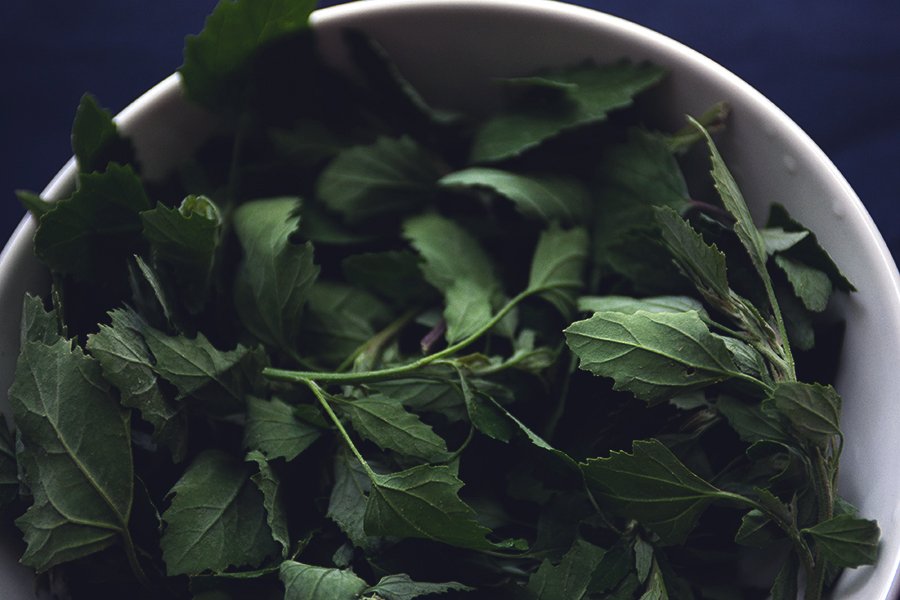
Lamb’s quarters is my introduction to the world of wild edibles… otherwise known as weeds. Hahaha. But seriously, I actually really love the idea of eating the stuff because I see them as just another form of heirlooms. Because they’re considered noxious, they’re underrated, local, not mass-farmed, not cultivated in any way… and the properties about them which make them unique are preserved. The purity of their taste, smell, feel, appearance is retained.
I intend to explore this plant realm more fully.

Lamb’s quarters actually grows like crazy. Apparently it’s all over Central Park, although it’s easily confused with epazote, which is toxic if eaten in large quantities. It’s incredibly healthy, full of beta carotene, calcium, potassium, iron. It even leaves behind that same chalky feeling on your teeth after you eat spinach. Coincidentally, it’s often referred to as wild spinach and is said to taste like it. I wouldn’t agree exactly; it’s definitely more of an acquired taste, especially when eaten raw.
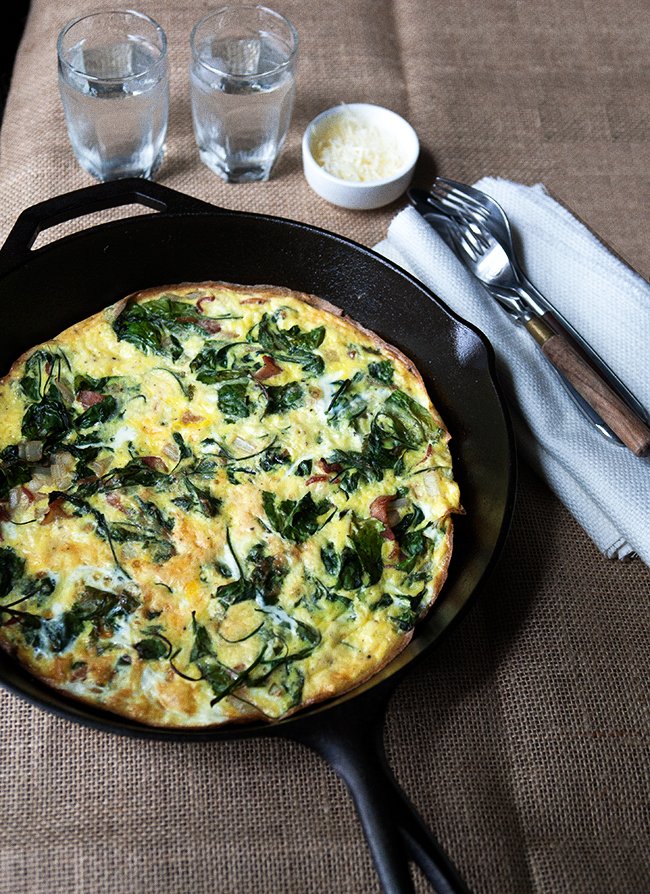
But in a frittata, it’s excellent. Its lovely, fuzzy, silvery leaves turn a bright green when sauteed, and it shrinks dramatically, just like, yup, that’s right, spinach. But it’s hardier, with sturdier stems, so less can go a longer way than its domesticated cousin. Because we’re talking frittatas here, you can throw in just about anything to accompany the lamb’s quarters. I decided to throw in some bacon at the last minute, which sort of clashed with the romano cheese—perhaps cheddar might be a better complement. Whatever the case, treat the plant like spinach and you’ll be eating it like a pro!

LAMB’S QUARTERS FRITTATA
Basic recipe adapted from Alton Brown’s frittata recipe
Serves 4
Ingredients:
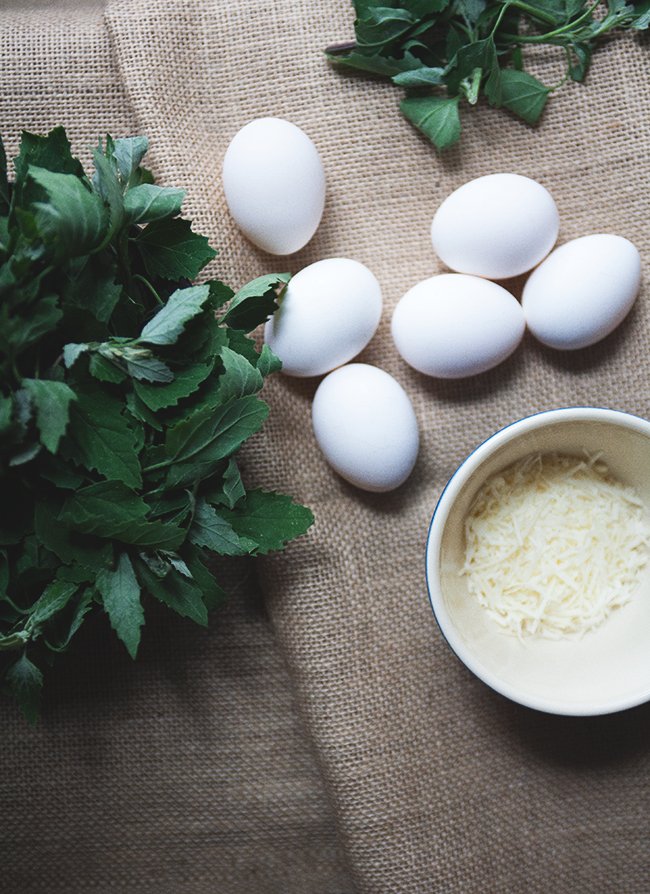
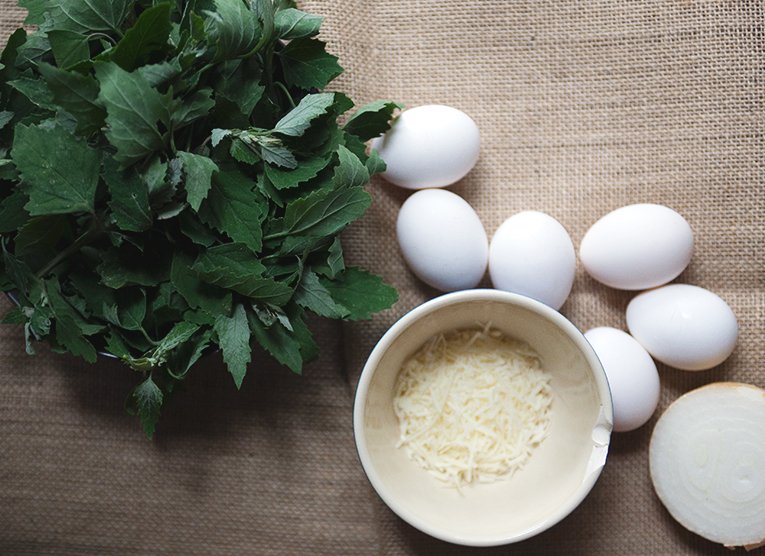
- 6 large eggs
- 5 Tbsp grated cheese (I used romano)
- Salt and pepper to taste
- 1 Tbsp butter
- 1/2 onion
- 3 strips bacon, cooked and roughly chopped
- 1/4 lb. lamb’s quarters, with tough stems removed (you can substitute spinach, but you’ll need more, 1/2 lb. or so)
Directions:
Turn oven on to broil. Whisk together eggs, cheese, salt, and pepper in a medium bowl, then set aside.
In an oven-safe 12-inch skillet (I used my cast-iron), saute onions until translucent (2 to 3 minutes), then add bacon and saute another minute. Add the lamb’s quarters and cook until wilted, 2 minutes or so. Spread out the contents of the pan so it’s even across the pan. Pour the egg mixture in, and spread it across the pan with a spatula. Cook for a few minutes until the egg mixture has set on the bottom and is beginning to set on top.
Transfer the skillet into the oven and broil for 3 or 4 minutes until top is lightly browned.
Have a Great Day!
Related Posts

Subscribe for New Racipies
Get mental health tips, updates, and resources delivered to your inbox.
Red Velvet Cake Balls


I hope everyone had a lovely Christmas. I sure did, although it was quite hectic. I was planning on talking about cake balls before the holiday, but just didn’t have time. But now I have some time to share this great recipe.
I have been making Red Velvet Cake Balls for the past 2 years now, since I found them on Red Velvet Cake Balls. They are pretty simple to make and I always get compliments on them. Bakerella is a very talented woman. It is amazing what she can do with cake balls. Check out her site, if you haven’t already.
There are not many ingredients. A cake mix, pre-made frosting, and some candy melt. Easy peasy.


So far I have found that only Duncan Hines makes a Red Velvet Cake Mix and Cream Cheese Frosting and not all stores carry them. I always find mine at Price Chopper.

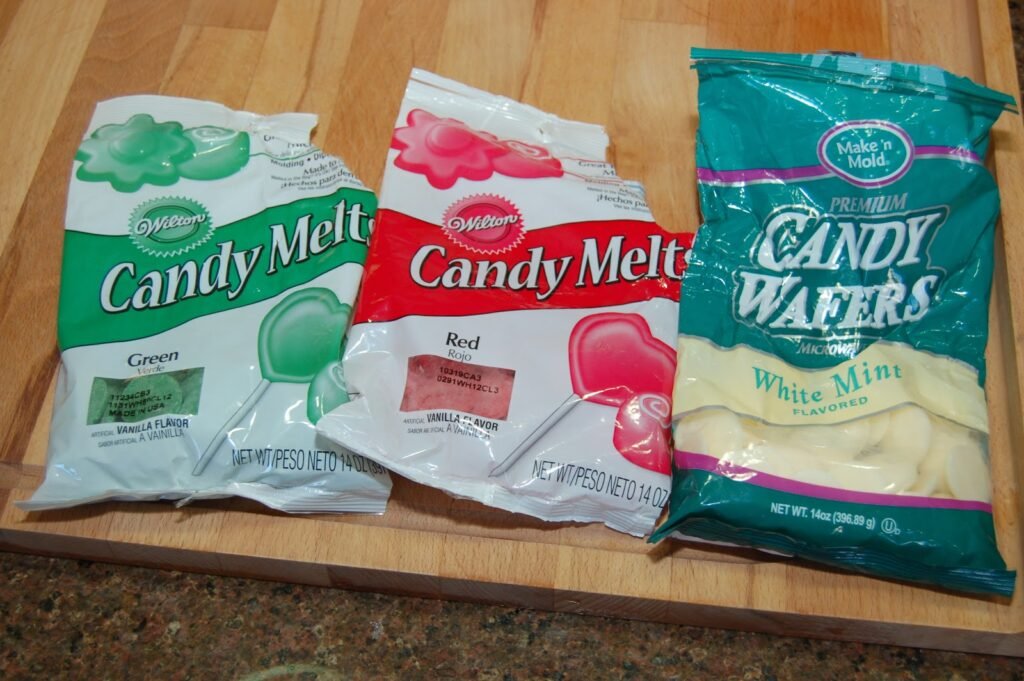
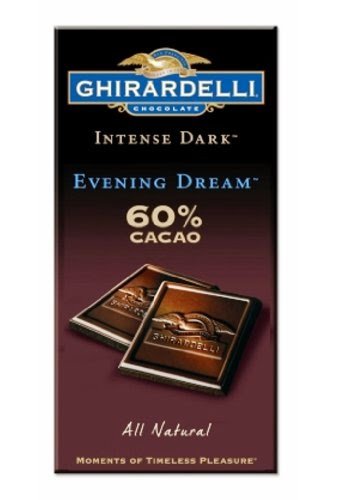
I usually dip the cake balls is a mix of dark cocoa candy melt and a bar of dark chocolate like Ghiradelli for a more intense chocolate taste, but a hard candy coating. And since I usually do mine around the holidays, I buy colored candy melts to decorate.
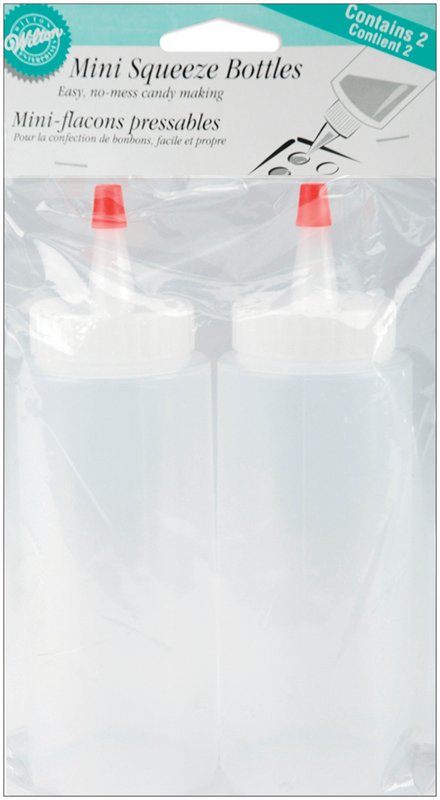
Last year for decorating, I used my cake decorating bags and tips, but this year I decided to try squeeze bottles. The squeeze bottle has more control, but I like the smaller holes on the cake decorating tips. Either way, everyone loves them. Adults and kids. The taste is incredible and they are so moist. I get compliments every year. I had to make a double batch this year to please everyone.

Red Velvet Cake Balls
Ingredients
- 1 pkg red velvet cake mix
- 1 container (16 oz) cream cheese frosting
- 1 pkg (14 oz) dark cocoa candy melt
- 1 large bar dark chocolate
- 1 pkg (14 oz) red candy melt
- 1 pkg (14 oz) green candy melt
- 1 pkg (14 oz) white candy melt
- optional sprinkles
Cooking Directions
- Bake the cake mix as per instructions on the box for a 9 x 13 cake.
- Once cake is completely cooled, crumble it by hand into a large bowl.
- Then add in the cream cheese frosting and mix well. This can be done by hand or throw the crumbled cake and the frosting into a large mixer and mix on low.
- Then take a scoop at a time of the mix and roll into small balls about the size of a quarter. This will be very messy and you may have to wash your hands several times. But please refrain from licking them!
- Place the balls in a freezer friendly container lined with parchment/wax paper.
- When all balls are complete, place them in the freezer overnight or until you have time to do the rest of the recipe.
- When you are ready to dip, melt the dark cocoa candy melt and the dark chocolate together in a deep bowl in the microwave 30 seconds at a time until all melted.
- Dip the cake balls in the chocolate mixture and place on parchment/wax paper until chocolate has hardened. ( I use a fork to dip, roll, and shake off any extra chocolate.) If you want you may add fun holiday sprinkle before the chocolate hardens.
- In separate bowls, melt the red, green, and white candy melt and place in the squeeze bottles. Then decorate with any patterns you like. Or if you want, dip some of the balls in the colored candy melt instead of the chocolate.
- Makes about 50 cake balls.

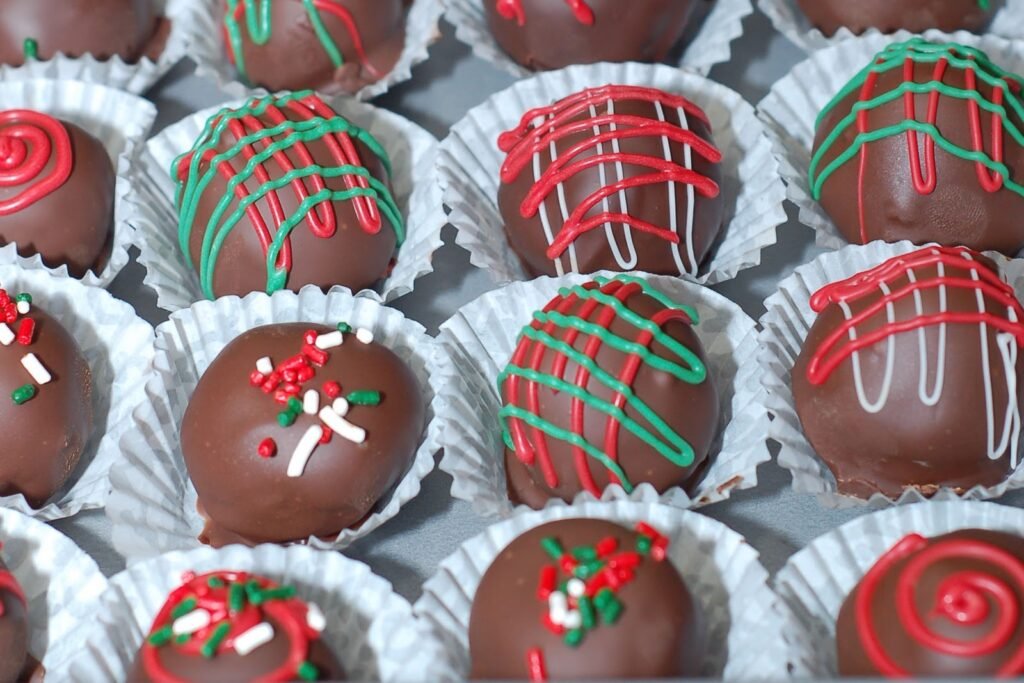
I did buy pretty boxes to place the cake balls in to give as gifts for my daughter’s teachers and a few other people, but I was so busyI forgot to take pictures of the boxes all tied up with a nice ribbon and tag. But here are what the balls looked like decorated.

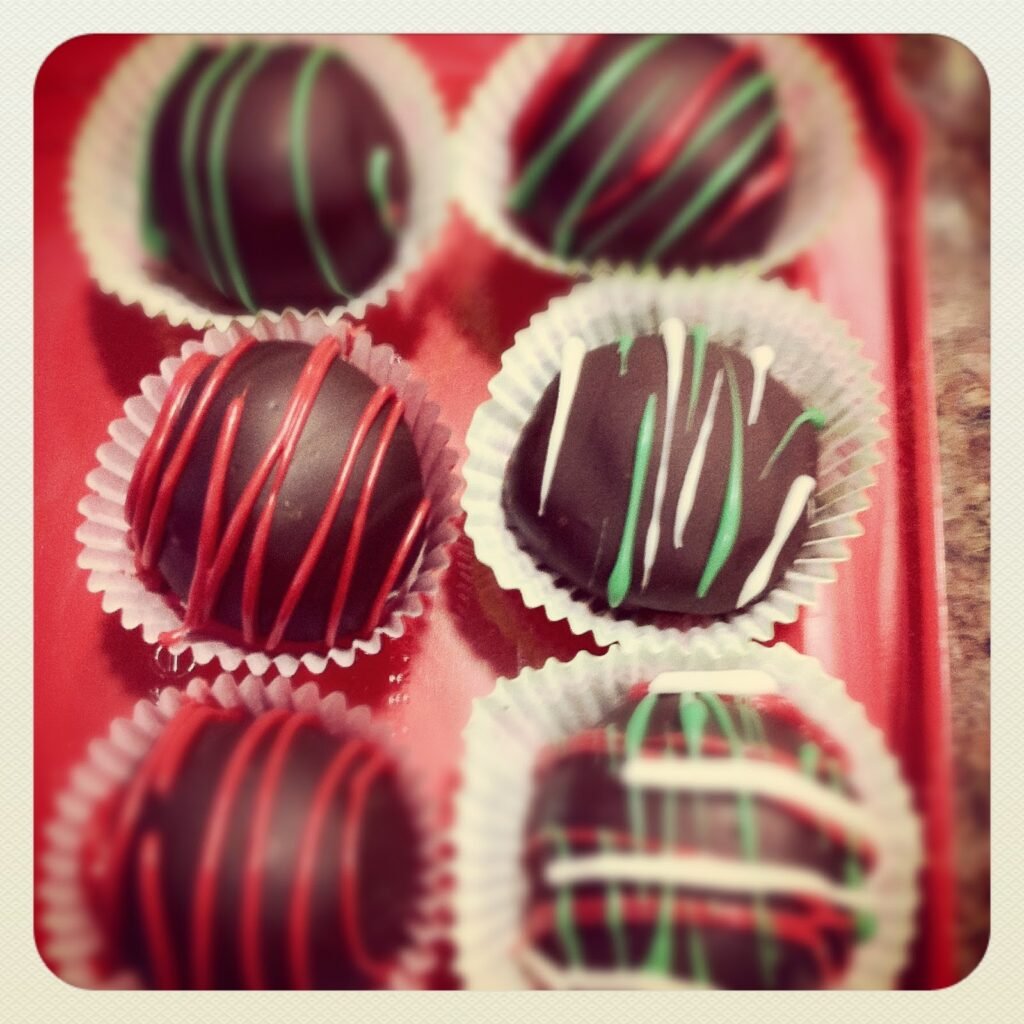
Last year I put them in tins to give out as gifts. Here is what they looked like. I placed the cake balls in mini cupcake liners to they don’t stick together and they look pretty. There are so many ways to decorate the cake balls and many different varieties of cake mixes and frosting to use.

The best part of the recipe is that it can be done in stages. One night I bake the cake. Another night I crumble and mix with the frosting and make the balls. I freeze them until I have the time to finish. I had them in there for a week and no worries. I think I will make some again for Valentine’s day.
Related Posts
Subscribe for New Racipies
Get mental health tips, updates, and resources delivered to your inbox.