
Baked Sweet Potato Fries

Medically reviewed by Christiana George Updated Date: June 8, 2023
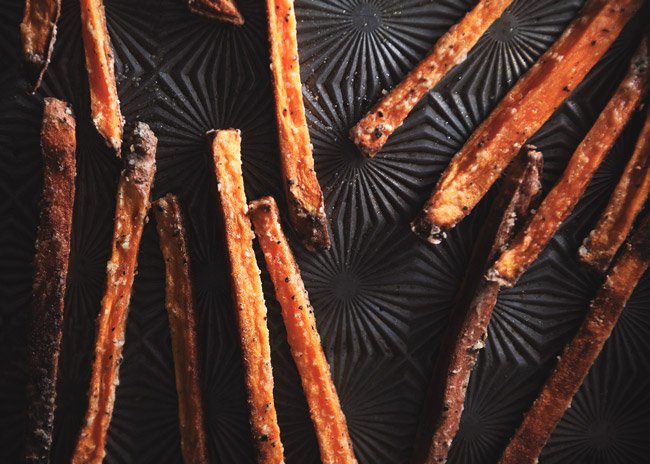
I started wearing close-toed shoes a couple weeks ago. If that’s not a sign that fall has arrived, I don’t know what is.
Unfortunately, I’ve been in something of a denial about the season up until now, mostly revolving around the (very very bitter) fact that I didn’t get my fill of summer produce (seeing that most of the season was spent eating Trader Joe’s-branded cereal). I wanted to be a glutton come summer, you know?
Eat way more tomatoes than my stomach could possibly bear, stuff myself with watermelon, incorporate corn and zucchini and eggplant into every single meal. That sort of thing. Because that’s what you’re supposed to do when nature presents you with all this amazing stuff ONCE a year. No, I don’t feel I reached my potential.
What turned me around in the end was these. Did I ever mention how much I love fall fashion? I’m pretty certain everyone loves fall fashion, but in my case, a beautiful pair of boots is enough to get me excited about the chilly days ahead.
I’m also deliciously contemplating a new coat, the excuse to whip out leather gloves, and woolly socks! Don’t get me started on how much I love my woolly socks. I also can’t wait to head upstate to see the fall foliage (which was beautiful last year), take brisk walks through Central Park (so quintessentially New York, no?), and sip on cups of hot apple cider while strolling through the farmer’s market.

I’m also finding myself drawn to using my oven once more. It’s funny how something as innocent as the temperature of the air can dictate one’s desires. I couldn’t have imagined anything more unpleasant than turning on the oven just a couple months back—like NO foods were worth it, not even cookies—and yet, here I am, craving oven-baked sweet potato fries.
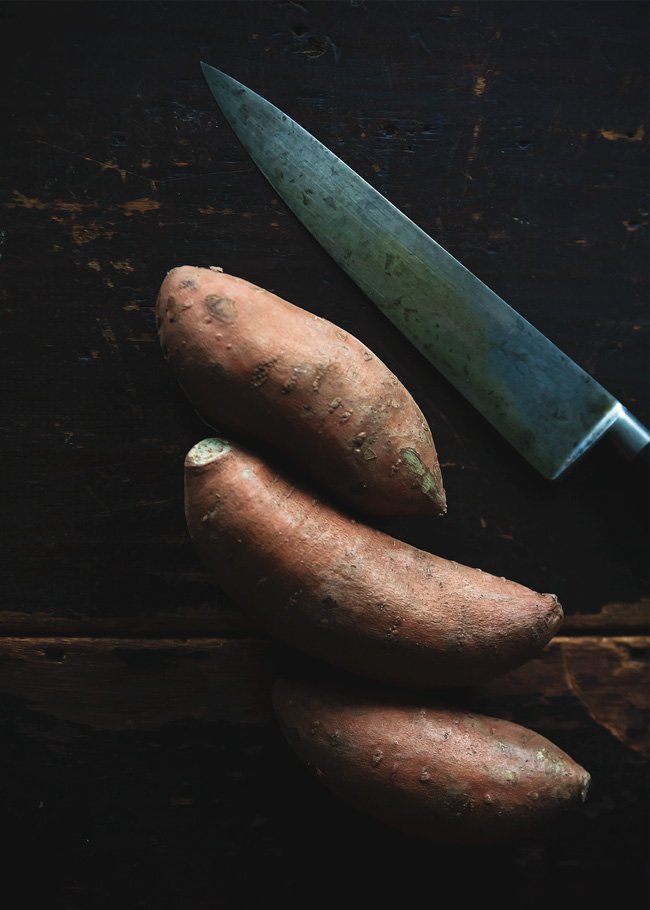
My head is a jumble of half-thought-out recipes, but before we get to the aspirational ones, let’s focus, for once, on what I actually eat pretty regularly, or rather, started eating pretty regularly (well, until summer hit, ha) after Amy laid out the steps to the best baked sweet potato fries half a year ago.
There is so much discussion on the web about how to achieve that Platonian ideal of the faux-deep-fried sweet potato fry. I’m actually more opposed to the mess caused by deep-frying than anything else. It’s a proven fact that oil spatters rise (or else explain to me why the things I store above the cabinets are perennially covered in a layer of grime), and I try to make it easy for my better half (better because he does the cleanup, you see) so I’ll save deep-frying for things like, I dunno, donuts? Churros? They’re worth the grease-stained stovetop.
Anyway, I got a taste of this raging debate after Googling the topic. Let me tell you, it is clearly the heyday of the sweet potato fry. People have thought of everything! To the mushy fry, space them apart while baking, to the soggy fry, rinse and let them dry before tossing them with oil and seasonings, to the burned fry and the undercooked fry, cut all your fries the same size. And most importantly, coat them! Coat them with a thin layer of corn starch or cornmeal or semolina, which tricks your tastebuds into believing you’re actually eating something really crispy and, therefore, fried, even if you’re not. Honestly, I don’t have much more to add. Just follow Amy’s advice. Although I do love the cornmeal/semolina coating just as much as the corn starch because it creates this texturally pleasing layer that crunches inside your mouth.
Now that I feel I’ve finally made peace with fall, I’ve got some season-appropriate recipes to start planning!
P.S. Yogurt + honey + a pinch of cinnamon makes a damn good dip.


BAKED SWEET POTATO FRIES
Adapted from The Moveable Feasts
Serves 1, generously
Ingredients:
1 sweet potato, washed and scrubbed
2 Tbsp olive oil
1 Tbsp corn starch, semolina, or cornmeal
salt, pepper, and other spices (paprika, cayenne pepper, cinnamon, cumin, etc.) to flavor
Directions:
Preheat your oven to 400 degrees F.
Slice the sweet potato into sticks that are about the same in size (I aim for more than 1/4″ but less than 1/2″ square cross sections). Rinse them in a bowl of water and lay them out to dry. When dry, toss the fries in olive oil, corn starch/semolina/cornmeal, salt, and whatever other spices you’re using. Lay them out on a baking sheet in one layer (I don’t bother with parchment paper or anything), leaving a little space around each one. Bake about 30 minutes.
Simple dipping sauce: 1/4 cup Greek yogurt, 1 heaping tsp honey, a pinch of cinnamon
Related Posts

Subscribe for New Racipies
Get mental health tips, updates, and resources delivered to your inbox.
Triple Irish Cupcakes

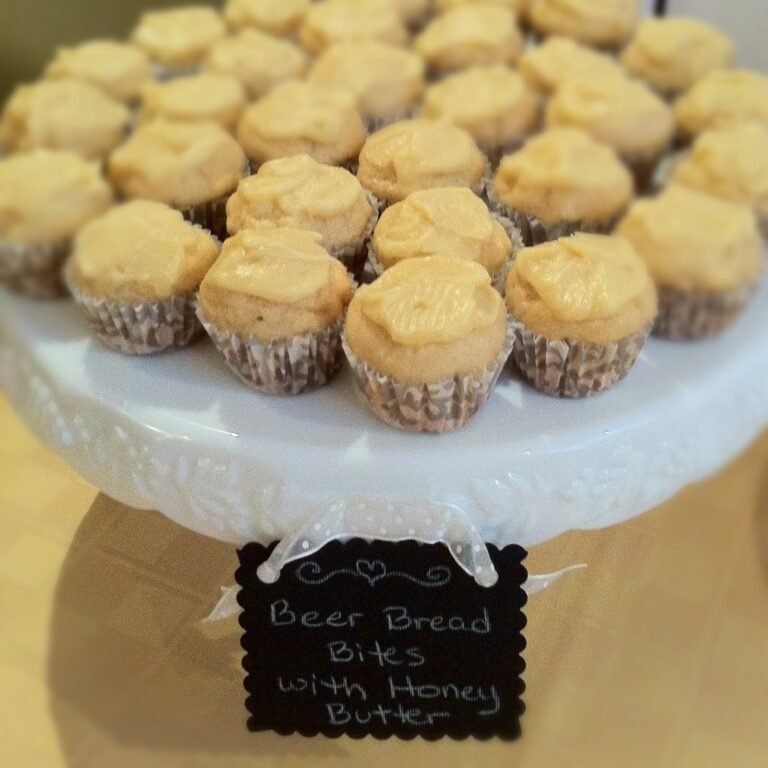

Sometimes things don’t exactly go as planned. My first attempt at the Baileys cupcakes led to a more bread like consistency. Which is fine if that was what I was going for, but I wanted a more cake like consistency. So back to the drawing board I went. Got it right the second time. Then I had to wait for my neighbor to give me some of his Jameson Irish Whiskey so I could make the filling. I also was out of Guinness (I wonder why?) and had to wait for my husband to go to the package store. So long story short, this took all week. Have no fear, it was all worth the wait.
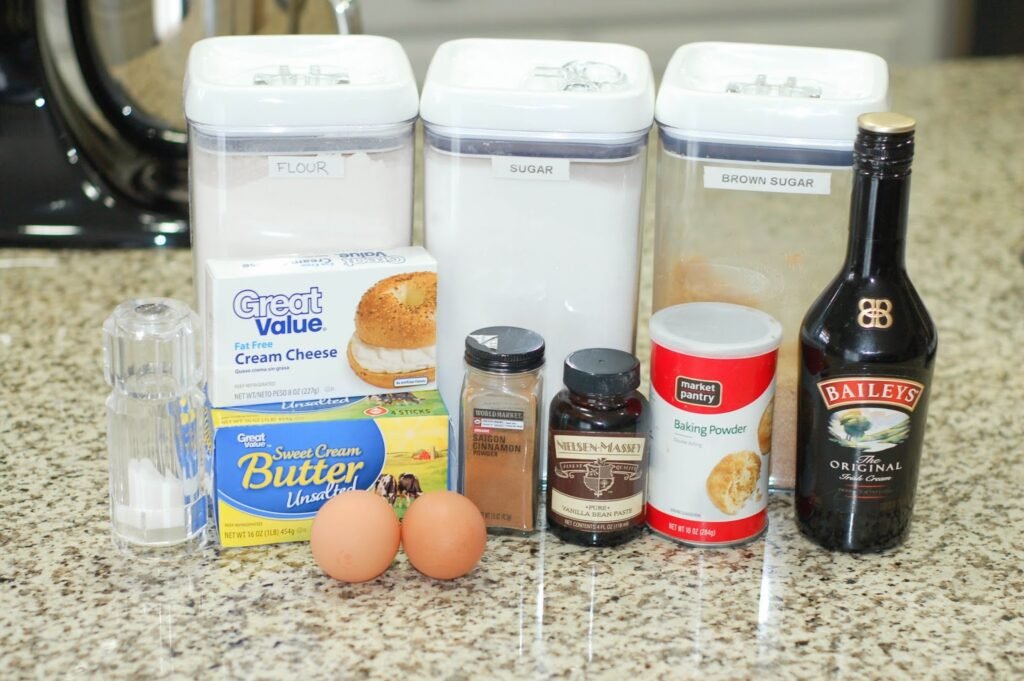
The original recipe for the cupcakes used cake flour, but I wanted to use all purpose flour. Perhaps that is why the first batch came out so thick. After a little adjusting, I was able to make it work with all purpose flour.
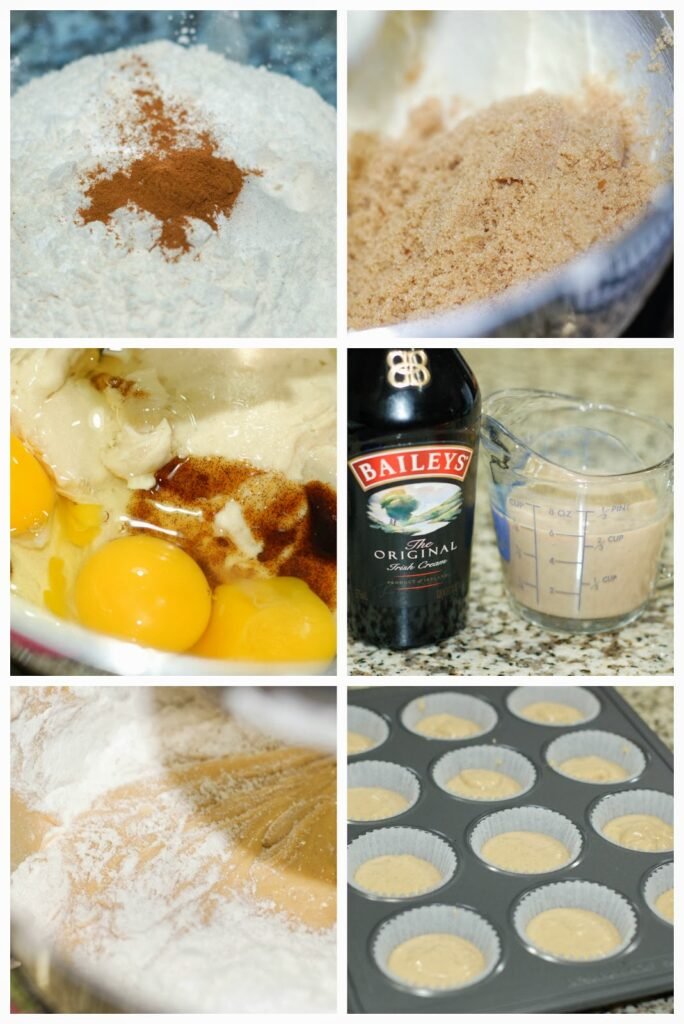
I only filled my cupcake liners half way up. I didn’t want a dome on the cupcakes. I wanted them more flat. I ended up with 16 cupcakes.
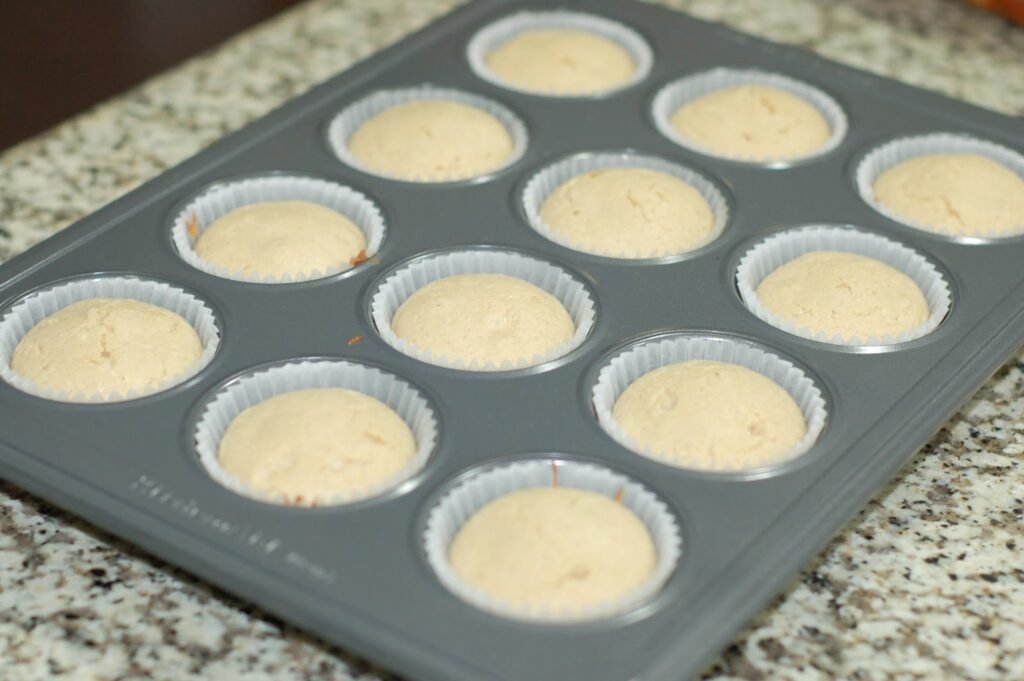
On hindsight, I may have added more batter to each liner and only made 12-14 cupcakes. But these worked out just fine. I added extra Baileys to this batch and the taste was fabulous.

I wanted to try a white chocolate ganache for the filling. I don’t know if it was the white chocolate or the extra Jameson that I added, but this took forever to firm up. I had put the ganache in the fridge for about a half hour and although it was thicker, it was still pourable. I used the small end of a melon baller to scoop out the cupcakes and poured the filling in with a measuring spoon. Then I realized I had a lot of ganache left, so I went back and brushed the tops of all the cupcakes with more. I put the filled cupcakes back in the fridge for the filling to firm up more.
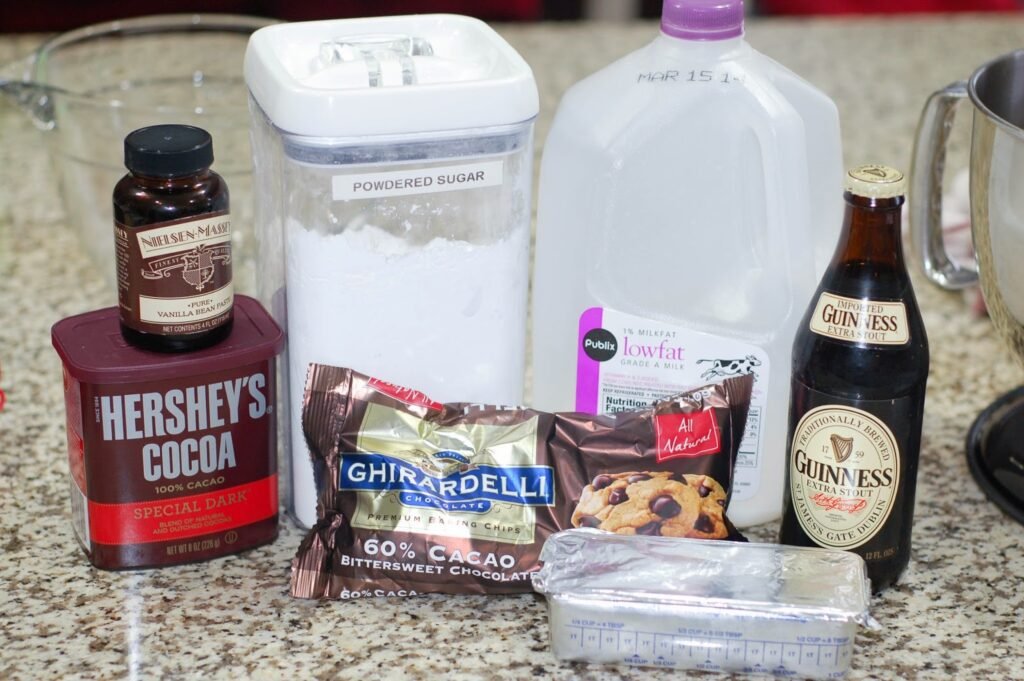
For the frosting I just tweaked the Dark Chocolate Guinness Frosting I made last year. I wanted a slightly lighter flavor. I didn’t want it to overpower the cupcakes and filling.

Beware, this frosting will taste so good you’ll want to eat it by the spoonful. Try to restrain yourself and keep it to frost the cupcakes. Trust me, all together these make a heck of a combo.

Baileys Irish Cream, Jameson Irish Whiskey, and Guinness Extra Stout beer, all the making of an Irish Car Bomb in a cupcake form. Now I never drank an Irish Car Bomb. Supposedly they are mighty good, but my Triple Irish Cupcakes are even better.
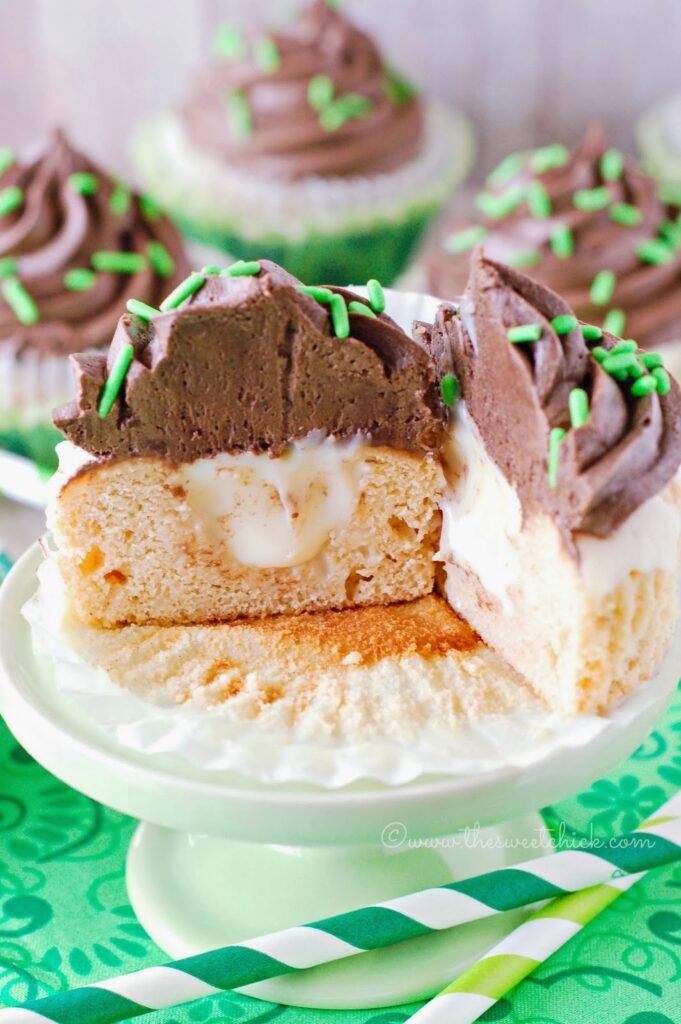
The end result in my adventures was a moist, super flavorful Baileys cupcake. A creamy, white chocolate whiskey filling, and a rich, dark chocolate Guinness frosting. The leprechauns are jumping for joy. Rainbows are bursting up everywhere. This recipe is golden. It’s so creamy and dreamy.
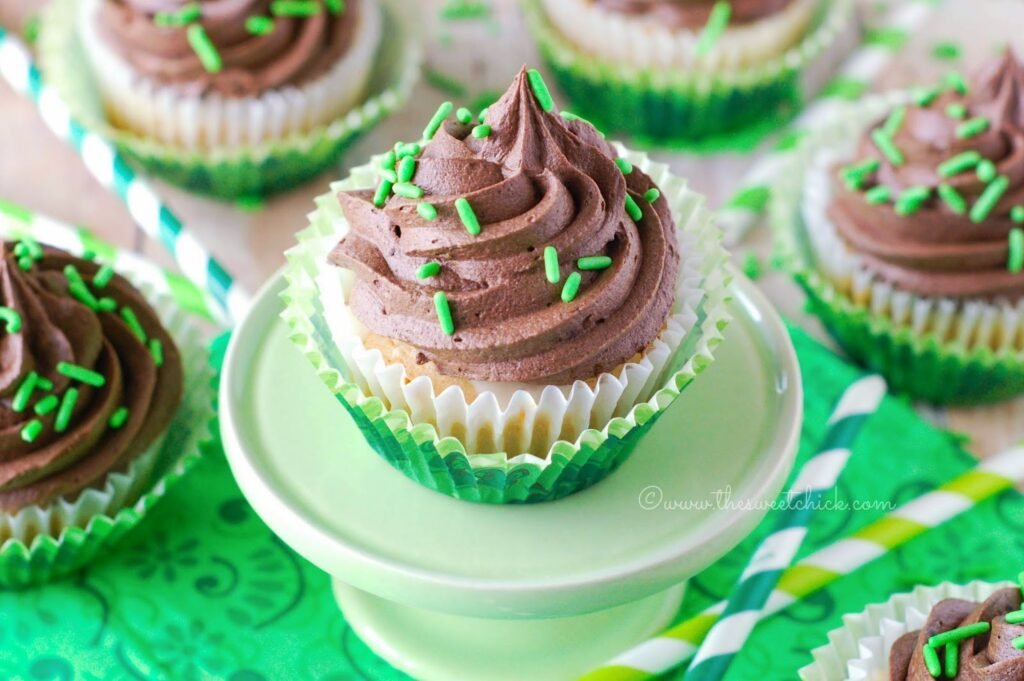
I don’t care that the ganache didn’t harden. I love the creamy center of this Triple Irish Cupcake. It blends right into all the other flavors. I am happy I added the cinnamon to the cupcake, it really brings out the Baileys flavor. And the frosting was just the right amount of sweetness and chocolate. The ratio of frosting to cupcake was perfect. I am glad I didn’t make the cupcakes any bigger. These were worth a week of work. I am going to go eat another one right now.
Triple Irish Cupcakes
by The Sweet Chick
Prep Time: 1 1/2 hours
Cook Time: 35-40 minutes
Keywords: bake dessert snack baileys irish cream guinness beer Jameson Irish Whiskey white chocolate chips St. Patrick’s Day cupcake American Irish spring
Ingredients (16 cupcakes)
For the cupcakes
- 1 1/4 cups all purpose flour
- 1/2 teaspoon baking powder
- 1/4 teaspoon salt
- 1/2 teaspoon cinnamon
- 1/2 cup cream cheese, room temperature
- 5 tablespoons butter, room temperature
- 1/2 cup sugar
- 1/2 cup light brown sugar
- 1/2 teaspoon pure vanilla extract or paste
- 2 eggs
- 1/2 cup Baileys Irish Cream
For the filling
- 2/3 cup heavy whipping cream
- 1 cup white chocolate chips
- 2 tablespoon butter
- 3 teaspoons Jameson Irish Whiskey
For the frosting
- 1 cup Guinness Extra Stout beer
- 1/2 cup Ghirardelli 60% Cocoa baking chips
- 3/4 cup vegetable shortening
- 1/4 cup Hershey’s Special Dark cocoa
- 4 cups powdered sugar
- 1/2 teaspoon pure vanilla extract or paste
- 4-5 tablespoons milk
Instructions
For the cupcakes
Preheat oven to 350° F.
In a medium bowl combine the flour, baking powder, salt and cinnamon, blend well.
In a stand mixer, cream together the cream cheese and butter. Add the sugars and vanilla. Mix until smooth.
Then add the eggs and Baileys, continuing to mix until well incorporated. Slowly add the flour mixture to the stand mixer, making sure to scrape down the sides as needed. Mix until well blended.
Place 16 cupcake liners into muffin pans and equally divide batter into each cupcake liner, about 1/2 way full.
Bake cupcakes for 15 minutes or until toothpick inserted in the center comes out clean. Remove from oven and cool completely.
For the filling
Place cream in a small saucepan and bring to a simmer over low heat.
Stir in the chocolate until melted, then add the butter. Stir until well blended.
Remove from the stove top and add the whiskey. Whisk mixture until smooth.
Allow mixture to cool to room temperature, then place in fridge for 1/2 hour to cool more. Mixture will thicken as it cools.
While mixture is cooling scoop out the centers of the cupcakes and discard (or eat). I use the small end of melon ball scooper.
Once mixture is ready, fill each cupcake with the chocolate filling. Then brush the remaining filling over the tops of each cupcake.
Place cupcakes back into the fridge.
For the frosting
Place beer in a small saucepan and bring to a boil over medium heat. Boil for 15 minutes, until beer is reduced to about a 1/4 cup of liquid.
Remove from heat and add the Ghirardelli baking chips. Stir until all the chocolate is melted. Then put it aside to cool off a little and thicken.
In a stand mixer, place the powdered sugar and cocoa. Mix on low until well blended.
Then add the shortening, vanilla, and beer/chocolate mixture. Mix on medium speed until frosting starts to come together.
Add milk 1 tablespoon at a time until frosting becomes light and fluffy.
With a spatula or you favorite pastry bag and tip (I used Ateco #827) frost each cupcake.
Note
Cupcakes can be placed in fridge if you are not eating them right away, but they are best eaten at room temperature. Enjoy!
Cupcake recipe adapted from Chocolate Chip -Irish Cream Cupcakes w/ Bailey’s Buttercream by The Recipe Girl
Filling recipe adapted from Chocolate Beer Cupcakes with Whiskey Filling and Irish Cream Icing by Meowthecow08
Frosting recipe adapted from Dark Chocolate Rice Krispie Treats by The Sweet Chick
Related Posts
Subscribe for New Racipies
Get mental health tips, updates, and resources delivered to your inbox.