
Black Sesame Macarons With A ‘nutter Butter’ Filling

Medically reviewed by Christiana George Updated Date: June 8, 2023
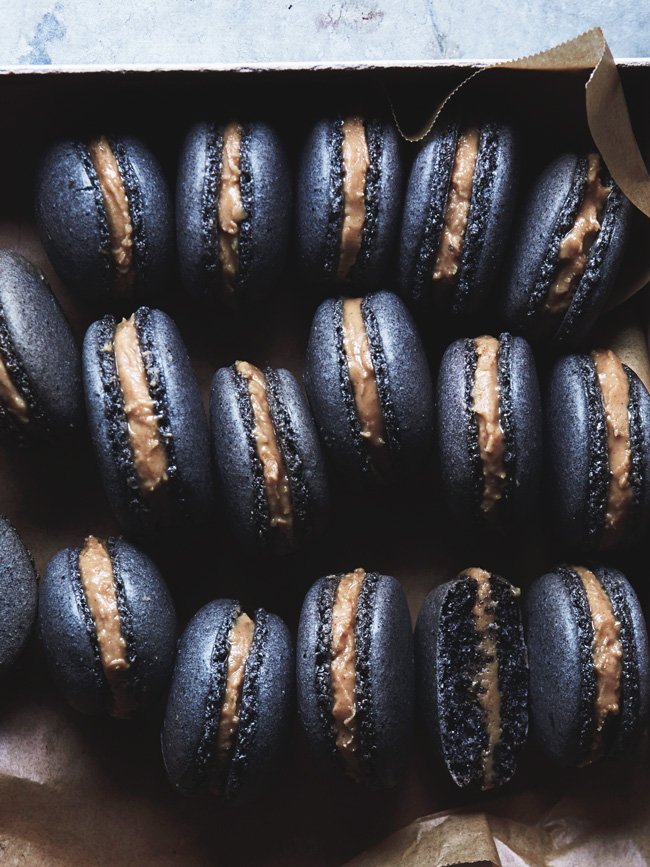
Well hello. Aside from the usual excuses about being busy, blah blah blah, this past week has been something else. Some of you may be aware that I was made a finalist in Saveur’s Best Food Blog Awards, then removed from the ballot, all within a few days. I thought I’d explain what happened.

I started this blog in June of 2012, and was thus surprised to see that I’d been nominated in the Best New Blog category. Finalists find out the same time as everyone else—when Saveur announces online that the ballots are officially open—so bloggers don’t get the chance for input before everything goes public. After checking the official category definitions, which states that a ‘new blog’ is one started in 2013, I emailed one of the editors to let her know of the error. A few days later, she got back to me, apologizing for their mistake and informing me that they’d had to remove me from the ballot.
I won’t pretend I wasn’t upset, mostly by the initial mistake that landed me in the situation to begin with. A simple fact-check would’ve prevented it. But, it would’ve felt wrong to keep up the misconception, so ultimately I guess I ‘did the right thing’, as cheesy as that may sound. I was a bit crushed to see the blank spot on the ballot where my blog had been listed. The finality is always a bit hard to accept, I guess.
In any case, Saveur did apologize profusely, so I can’t hold a grudge. (And I sooo wanted to. I’m a good grudge-holder—blame it on my overly-principled nature.) And my private drama doesn’t make the award any less awesome and prestigious. So guys, if you haven’t voted yet, there’s still time! Let’s honor those whose efforts liven up the food media world and make it way more exciting than it has any right to be!

Moving on now. While traditional macarons are made with almonds, you can swap out the nut for any other nut or seed without having to change up quantities or technique (although I’m wondering if macadamian nuts might behave differently because they’re so oily? Not sure.) But since macarons are a bitch to get right in the first place, don’t think these sesame seed versions were a breeze to pull off, because they weren’t.
They are, actually, the product of a year of trying, off and on, over and over. In fact, I finally had to take an official black sesame macaron hiatus after my last attempt flopped back in November. I knew it wasn’t the sesame seed part that was stumping me; I’d somehow just lost my macaron-making mojo. But something—perhaps this burgeoning feeling of fresh starts brought on by spring—reinvigorated me, so I once again picked up my floppy spatula and piping bag and got to it.
I don’t know what changed this time—maybe I picked up some common sense this winter—but I finally made the effort to get to the root of the problem. Too often in the past, I found myself simply hoping for the best as I tossed trayfuls of these liquid gremlins into the oven. That’s a pretty defeatist way of looking at a baked good. Sure, there are lots of things out of one’s control, but a composite of sugar, ground seeds, and egg white? No way. It can and must be vanquished.

In the end, getting them to come out perfectly (and I mean perfectly – not a crack in two entire trayfuls!) came down to the placement of the racks in the oven (which heats unevenly; I had to scoot the trays away from the hot corner in the back right) and my ‘macaronage’—the method of mixing together the whipped egg whites and sugar/ground nut mix. About the macaronage, I’ve said this before, but guess who doesn’t learn her own lessons? Don’t baby your batter. The egg whites need to be deflated quite a bit or you’ll get lots of little cracks on the surface of your macarons, effectively ruining an entire batch that you’ll then have to force your family to eat, because you’ll be too embarrassed to share them with anyone else. (Have you seen a cracked macaron? It is a sad sight.)
You have no idea how triumphant I felt when I peeked into the oven mid-bake to discover perfect-looking macarons. I did a little jig in the kitchen.
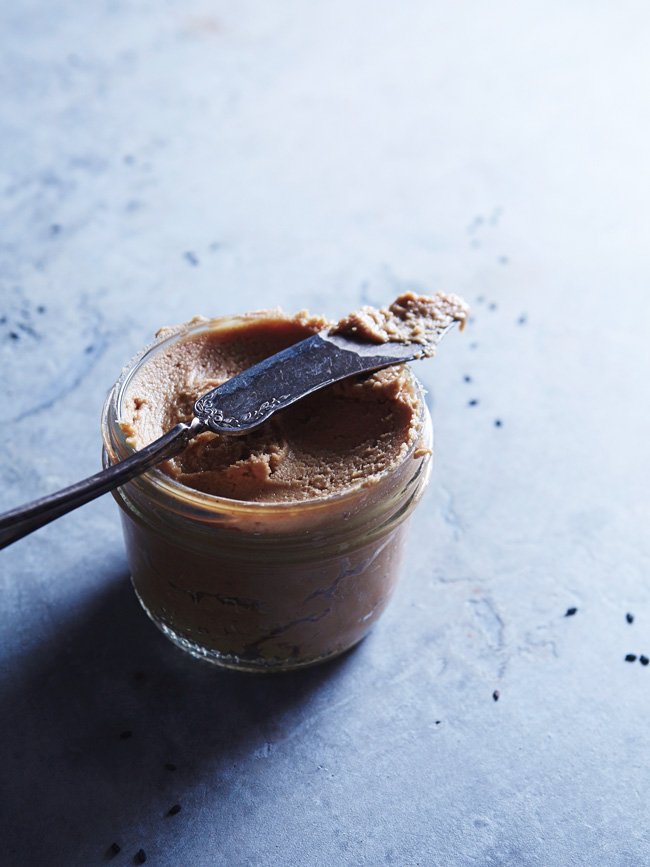
I’d wanted to pair the black sesame with peanut, which is a fairly common combination in Chinese desserts, but didn’t want the filling to veer in the direction of frosting-sweet. The peanut flavor had to come through. Enter Nutter Butter filling, which I always remember as being aggressively peanut-y without tasting overly-processed. Maybe I’m remembering a different version of Nutter Butters as you, but whatever the case, this Thomas Keller version (think Bouchon Bakery) tasted and looked exactly like how peanut butter filling should. The childhood version, flecked with salt and nostalgia. It’s okay if you want to eat it with your fingers. I did.
Once the macarons comes together, the presentation is very striking (if I do say so myself). But, resist eating too many! You must give them a day to ‘bloom’, let the flavors of the shells and filling meld together. Only then can you truly enjoy the essence of the so-temperamental, but so-worth-it French macaron.

BLACK SESAME MACARONS
Makes 20 macarons
Adapted from BraveTart
Sorry to confuse you, but I use weight measurements when making my macarons for the extra precision, and I highly recommend you do too if you’re not already. Also, the Nutter Butter filling makes a tad more than is needed—for me at least. Its peanut flavor is strong, so be careful not to drown out the delicate taste of the macaron shells. I’d sandwich leftover filling between Ritz crackers or something just as salty.
Ingredients:
- 58 grams black sesame seeds
- 115 grams powdered sugar
- 2 egg whites
- 36 grams granulated sugar
- 1/4 tsp salt
- A few drops gel food coloring in black
Directions:
Preheat your oven to 300 degrees F. Line two baking sheets with parchment paper.
Grind the confectioners sugar and sesame seeds in a food processor until fine (this will take awhile, about 3 minutes, as the sesame seeds are harder to grind up), then sift the mixture into a bowl. Most of it should go through, but if a lot doesn’t, toss it back in the food processor and grind for another minute or so.
In the bowl of a stand mixer with the whisk attachment affixed, add the egg whites and sugar. Turn the mixer on to power level 4 and whisk the mixture together for 3 minutes. Next, turn the power up to 7 and whisk an additional 3 minutes. Turn the power up to 8 and whisk an additional minute or two. By now, there should be a stiff meringue in the bowl. Stop the mixer and add a few drops of coloring at this point and turn the mixer back on to the highest speed, whisking for an additional minute to incorporate the color. Knock the meringue that’s trapped in the whisk back into the bowl.
Now, add the sesame seed mixture into the bowl all at once. I’ll reference Stella’s instructions again:
Use both a folding motion (to incorporate the dry ingredients) and a rubbing/smearing motion, to deflate the meringue against the side of the bowl.
The dry ingredients/meringue will look hopelessly incompatible at first. After about 25 turns (or folds or however you want to call “a single stroke of mixing”) the mixture will still have a quite lumpy and stiff texture. Another 15 strokes will see you to “just about right.” Keep in mind that macaronage is about deflating the whites, so don’t feel like you have to treat them oh-so-carefully. You want to knock the air out of them.
You don’t need to be too gentle with the batter. By the time it’s ready, its consistency will be runnier than you’d think, closer to pancake batter than cake batter.
Fill a pastry bag with the batter. You can use a pastry bag with just a coupler, or with a tip. I used an Ateco 806 tip. Pipe your shells onto the parchment-paper lined baking sheets, a little more than a quarter (US currency) in size (about 2 cm. or 1 inch), spacing them about 1 inch apart.
When you’re done piping, pick up the pan and whack it down hard against your counter. Do this another time, then rotate the pan 90 degrees and do the same thing twice. You might see tiny air bubbles appear on the top of the rounds, a good sign because they could be potentially damaging if buried within the batter. Repeat with the other pan. Now leave the pans alone for half an hour—they’ll develop armor (a skin) during this time to protect them in the oven.
Slide the pans into the oven and bake for about 15 minutes, at which point the shells should be able to be cleanly picked off the parchment paper.
Let the shells come to room temperature, then fill your macarons with the peanut butter filling (recipe below). It’s quite thick, so a spoon should work just fine.
‘NUTTER BUTTER’ FILLING
Adapted from Bouchon Bakery
Ingredients:
1/2 cup smooth salted peanut butter
roughly 3/4 cup powdered sugar
1/4 cup (1/2 stick) butter, room temperature
pinch or two of Maldon salt
Directions:
Cream together all the ingredients in a stand mixer. Taste for sweetness, and add more powdered sugar or salt as needed.
Related Posts


Subscribe for New Racipies
Get mental health tips, updates, and resources delivered to your inbox.
Is Brown Sugar Acidic? Brown Sugar and Acid Reflux

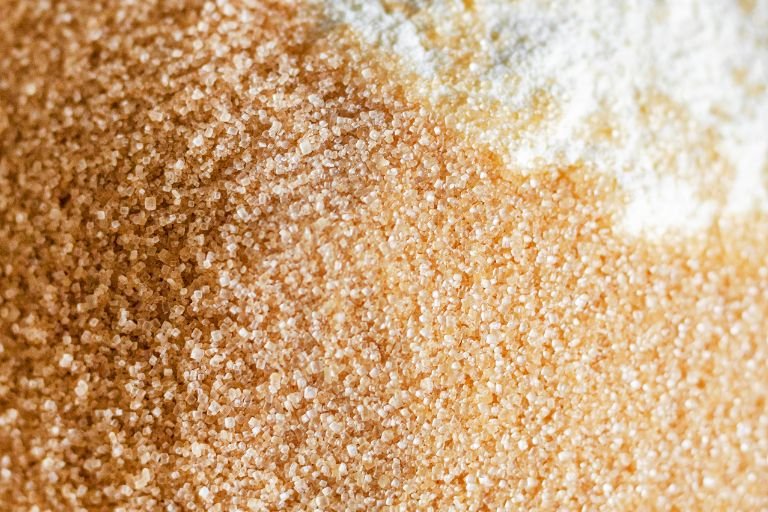
Acid reflux is a pervasive condition that affects millions of people globally, disrupting daily life with symptoms like heartburn, regurgitation, and discomfort in the chest. The primary cause is stomach acid flowing back into the esophagus, often due to a weakened lower esophageal sphincter (LES). While occasional reflux can be a nuisance, chronic acid reflux, known as Gastroesophageal Reflux Disease (GERD), requires careful management to prevent further complications such as esophagitis or Barrett’s esophagus.
A key factor in managing acid reflux is dietary choices. Certain foods and beverages can exacerbate symptoms, while others may alleviate discomfort. Sweeteners like brown sugar often raise questions: Is it acidic, and could it aggravate acid reflux? Understanding the properties of brown sugar, including its pH level, and its effects on the digestive system is crucial. In this article, we’ll break down the science behind brown sugar’s acidity, its connection to acid reflux, and alternative sweeteners that might be gentler on your stomach.
What is Brown Sugar?
Composition and Difference from White Sugar
Brown sugar is essentially white sugar with added molasses, giving it its characteristic color, flavor, and moisture content. Unlike white sugar, which is refined and stripped of impurities, brown sugar retains a small percentage of molasses, contributing to its slightly richer taste.
Nutritional Composition of Brown Sugar
To better understand its potential impact on acid reflux, let’s examine the nutritional profile of brown sugar:
| Nutrient | Amount per 100g | Comment |
| Calories | 380 kcal | High caloric content, similar to white sugar. |
| Carbohydrates | 98 g | Primarily simple sugars. |
| Sugars | 96 g | Includes glucose and fructose. |
| Calcium | 85 mg | Derived from molasses content. |
| Potassium | 130 mg | Trace amount beneficial for health. |
| Iron | 0.71 mg | Present in small quantities. |
While brown sugar offers minimal minerals like calcium and potassium due to its molasses content, its nutritional differences from white sugar are not significant enough to consider it a health food.
pH Level of Brown Sugar
The pH level of brown sugar typically ranges from 5.0 to 6.0, making it slightly acidic. While it is not as acidic as lemon juice or vinegar, its acidity level can still influence those sensitive to acidic foods.
Is Brown Sugar Acidic?
Scientific Explanation of Its Acidity
Acidity is measured on a pH scale, where values below 7 are acidic, and values above 7 are alkaline. Brown sugar falls on the acidic side due to its molasses content. Molasses, being mildly acidic, slightly lowers the pH of brown sugar compared to white sugar, which has a nearly neutral pH.
Comparison with White Sugar and Natural Sweeteners
- White Sugar: With a pH closer to neutral (around 7), white sugar is less acidic than brown sugar. However, its effect on acid reflux is similar due to its high glycemic index and refined nature.
- Natural Sweeteners: Alternatives like honey (pH 3.9–4.5), maple syrup (pH 5.5–7), and stevia (neutral) may offer better options for acid reflux sufferers due to their varying pH levels and lower glycemic impact.
Brown Sugar and Acid Reflux
Can Brown Sugar Trigger Acid Reflux?
Brown sugar may contribute to acid reflux symptoms for some individuals. While it is only mildly acidic, the real issue lies in its impact on the digestive system:
- High Sugar Content: Excess sugar consumption can lead to increased stomach acid production, which may trigger acid reflux.
- Molasses Content: Though minor, the acidic molasses in brown sugar may irritate sensitive individuals.
- Indirect Triggers: Consuming sugary foods can lead to weight gain, a known risk factor for acid reflux.
Benefits and Risks of Consuming Brown Sugar for Acid Reflux Sufferers
- Benefits:
- Slightly less refined than white sugar, which may be marginally better for some.
- Trace minerals from molasses could contribute to nutritional diversity.
- Risks:
- Increased acid production in the stomach.
- Potential for triggering heartburn if consumed in large quantities.
For those with acid reflux, moderation is key. A small amount of brown sugar might not cause symptoms, but frequent or excessive use could exacerbate issues.
Alternative Sweeteners for Acid Reflux
Low-Acid Natural Sweeteners
For those looking to reduce acid reflux symptoms, consider these alternatives:
- Honey:
- Natural and slightly acidic.
- Known for soothing throat irritation caused by acid reflux.
- Maple Syrup:
- Ranges from mildly acidic to neutral.
- Less processed and has a unique flavor.
- Stevia:
- A natural, zero-calorie sweetener with a neutral pH.
- Ideal for those managing both acid reflux and blood sugar levels.
- Coconut Sugar:
- Low glycemic index.
- Slightly acidic but often better tolerated than refined sugars.
Exploring Sugar Substitutes for Acid Reflux Relief
Managing acid reflux often involves making strategic dietary adjustments, and one effective approach is substituting traditional sugars like brown sugar with alternatives that are gentler on the stomach. Sugar substitutes can offer several benefits, such as lower acidity levels, reduced impact on stomach acid production, and, in some cases, added health benefits like lower calorie content or additional nutrients.
Natural sweeteners like honey, stevia, and maple syrup are popular choices among individuals with GERD. Honey, for example, is known for its soothing properties, which can help coat the esophagus and alleviate irritation caused by acid reflux. Stevia, a zero-calorie natural sweetener, is pH-neutral and less likely to exacerbate symptoms compared to refined sugars. Maple syrup, ranging from mildly acidic to neutral, offers a flavorful alternative that is often better tolerated by those with sensitive stomachs.
Additionally, sugar substitutes like coconut sugar and erythritol have a lower glycemic index and may help reduce overall acid production in the stomach, making them viable options for long-term dietary management. Experimenting with these alternatives can help find the right balance between satisfying your sweet tooth and avoiding reflux flare-ups.
Author Tip: Sugar Defender Reviews: Does It Really Work?
Why Choose Alternatives?
Switching to these sweeteners can:
- Lower the likelihood of triggering acid reflux.
- Provide added nutrients and health benefits.
- Reduce overall sugar intake, aiding in weight management—a crucial factor in controlling GERD symptoms.
Conclusion
Brown sugar, while mildly acidic, may not be the primary culprit in triggering acid reflux for most individuals. However, its sugar content and slight acidity can aggravate symptoms in sensitive individuals when consumed in large amounts. For those managing acid reflux, it’s essential to adopt a balanced approach by moderating sugar intake and opting for natural, low-acid sweeteners where possible.
Understanding your body’s reactions to certain foods is key. Consulting a healthcare provider for personalized dietary advice can help you make informed choices and effectively manage acid reflux symptoms.
FAQs
1. Is brown sugar good for acid reflux?
Brown sugar is not inherently good or bad for acid reflux. Its mild acidity and sugar content can trigger symptoms in sensitive individuals, but moderate consumption may not cause issues for everyone.
2. How does brown sugar compare to white sugar for acid reflux?
Brown sugar is slightly more acidic due to its molasses content. However, its overall impact on acid reflux is similar to white sugar.
3. Can brown sugar cause heartburn?
In some individuals, brown sugar can cause heartburn, especially when consumed in large amounts or as part of a high-sugar diet.
4. Are there better sweeteners for acid reflux?
Yes, alternatives like honey, stevia, and maple syrup are often better for acid reflux sufferers due to their lower acidity and potential health benefits.
5. What are other dietary tips for managing acid reflux?
- Avoid highly acidic foods like citrus and tomatoes.
- Eat smaller meals to prevent overloading the stomach.
- Stay upright after eating and avoid eating late at night.
Related Posts



Subscribe for New Racipies
Get mental health tips, updates, and resources delivered to your inbox.