
Are Bell Peppers Acidic? Are Bell Peppers Bad for Acid Reflux?

Medically reviewed by Lindsay Ewan, MD Updated Date: January 1, 2026
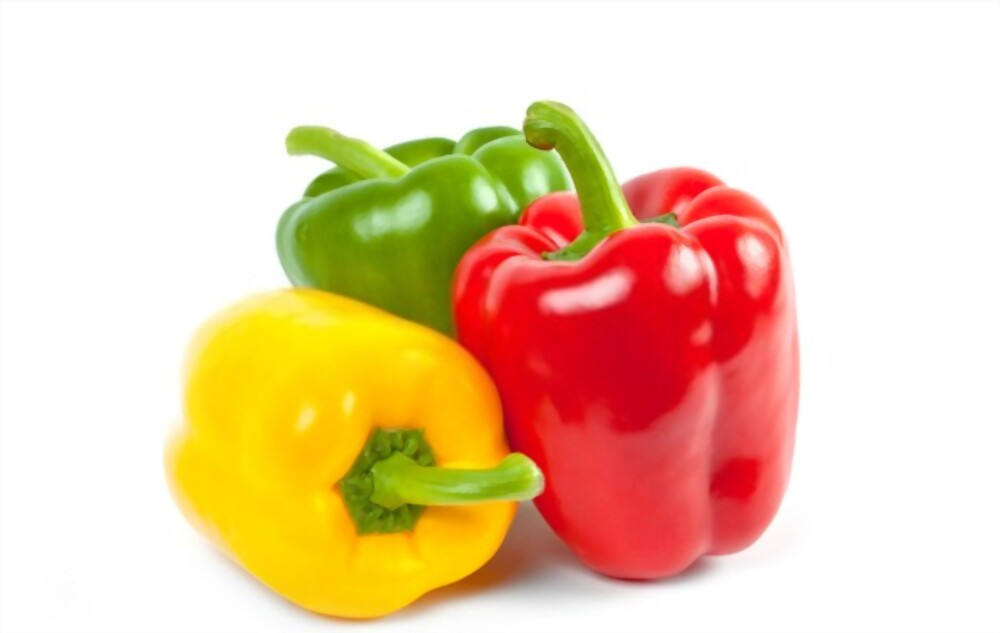
Do you know that many people believe bell peppers are vegetables? The truth, however, is that bell peppers are fruits that come in various hues, and each hue and flavor combination is unique.
Some people also wonder about the health benefits of bell peppers. And some people are concerned because they are sensitive to acidic foods. What do you think? Are bell peppers acidic?
The short answer is yes, bell peppers are slightly to moderately acidic. On the pH scale, anything with a pH under 7 is acidic, anything with a pH over 7 is alkaline, and things with a pH of exactly 7 are precisely neutral. Because the pH values of bell peppers range from 4.8 to 5, bell peppers are definitely categorized as acidic. They are not as acidic as some fruits such as citrus fruits, but they definitely do have an acidic pH. It is interesting to note that the pH level of bell peppers differs somewhat from one variety to another.
In the following article, we will dive into a lot more detail about bell peppers, including the acidity of bell peppers, the benefits of bell peppers, and their connection to acid reflux.
Are Bell Peppers Acidic or Alkaline?
The pH level of bell peppers lies between 4.8 – 5.2, which is slightly acidic. Bell peppers do not contain significant amounts of acids, and therefore tend to have only a slightly acidic pH.
The pH of Bell Peppers
The pH of bell peppers typically falls between 4.8 and 5.2 on the scale. This is correlated to the fact that they contain a fair amount of acidic compounds. Bell peppers are an excellent food with many health benefits, but if you are dealing with acid reflux, bell peppers are a food that it might be better to avoid.

Let us see the different pH values of bell papers according to their varieties.
| Variety of Bell Peppers | pH Value |
| Red Peppers | 4.82-5.24 |
| Green Peppers | 5.20-5.93 |
| Yellow Peppers | 4.45-5.45 |
| Canned Peppers | 4.22-4.92 |
From the above table, we can see the pH levels of different varieties of bell peppers. We can see that green bell peppers have the highest level of pH (meaning they are the least acidic).
In fact, green peppers have a pH that is very close to neutral. Meanwhile, canned peppers have the lowest pH, indicating that they are the most acidic.
Related Article: Is Broccoli acidic? Broccoli and Acid Reflux: Good or bad
Do Bell Peppers Make Heartburn Symptoms Worse?
Bell peppers don’t contain the chemical known as capsaicin, which is responsible for the spicy flavor of some peppers and has been shown to worsen heartburn symptoms. Those who have severe heartburn definitely need to avoid highly spicy foods.
For bell peppers, the recommendation is less black and white. Bell peppers are a good source of dietary fiber, vitamins, and minerals, but they also contain a fair concentration of organic acids. If you have significant gastroesophageal reflux disease or gastritis, bell peppers are probably a food you want to avoid.
Bell Peppers for Acid Reflux: To Eat Them or to Avoid Them?
Suppose you suffer from heartburn or acid reflux. In that case, the good news is that avoiding bell peppers is not something that is generally recommended.
Even further, people with heartburn or acid reflux issues (like all people) should eat foods rich in antioxidants, and bell peppers are rich in these compounds. Bell peppers are also rich in vitamin C.
Do Bell Peppers Cause Gastritis?
Different people may have varying degrees of tolerance for different foods. Hence, if someone experiences heartburn after consuming them, it’s probably best to steer clear of them.
Red peppers, like all the other bell peppers, are not thought to cause significant heartburn. Moreover, they are recommended as tolerable for those who suffer from gastroesophageal reflux disease.
Do Bell Peppers Help with Acid Reflux?
Bell peppers are high in potassium and contain other nutrients that can counteract the effects of highly acidic foods, making reflux symptoms less severe.
But wait – this doesn’t mean that you eat unlimited peppers. Most foods, if eaten in excess, can cause gastrointestinal upset, and bell peppers are no exception. When eaten in large quantities, bell peppers have been known to sometimes cause heartburn in susceptible people.
Should I Avoid Bell Pepper While I Have Gastritis?
Bell peppers are moderately acidic fruits, with a moderately low pH. Typically, eating them will not worsen gastritis because they do not often exacerbate any symptoms of gastritis or acid reflux.
Eating large quantities of bell peppers can sometimes result in heartburn. You should try to keep your consumption of this fruit to a moderate level if you notice that you experience severe GERD symptoms after consuming them.
Related Article: Are Peaches Acidic? Do Peaches Trigger Acid Reflux?
Should I Add Bell Peppers to My Diet?
Bell peppers are a relatively low-calorie food, and are simultaneously high in nutritional content, including several essential vitamins. Vitamin C is one example. In addition to assisting in iron absorption, vitamin C also speeds up wound healing.
It is also possible that it plays a part in preventing several health issues, such as cancer and cardiovascular disease. Let’s see some of its benefits.
Role in Lowering Blood Pressure
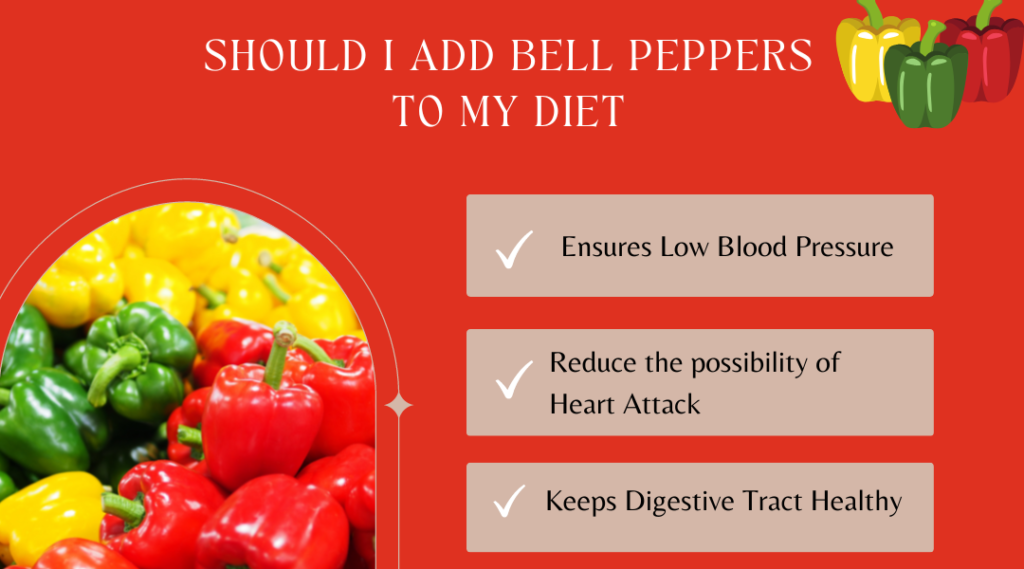
Specialists hypothesize that diets rich in vitamin C can assist in regulating blood pressure. Vitamin C has a diuretic effect, which helps the body get rid of excess fluid. Eliminating excess fluid from the body might assist in lowering abnormally high blood pressure.
Reduced Risk of Heart Attacks
Bell peppers also include an anticoagulant that helps prevent the blood clots responsible for heart attacks. This is in addition to the fact that bell peppers may have a role in lowering blood pressure.
Maintaining Digestive Tract Health
Bell peppers are an excellent source of dietary fiber. One important role of dietary fiber is to increase “stool bulk,” or the volume of stools. This helps the gastrointestinal system function properly, and helps to maintain and improve digestive health. A high-fiber diet also helps lower the risk of developing hemorrhoids.
Related Article: Are Raspberries Acidic and Cause Acid Reflux?
How Nutritious Are Bell Peppers?
Bell peppers have many positive qualities. They are low in calories and high in beneficial nutrients. Vitamin C and fiber are abundant in every variety.
Let us have a look at the nutrients in the table below.
| Nutrient Content | Amounts(Serving Size 1 each) |
| Energy | 30 cal |
| Protein | 1 gm |
| Carbohydrate | 7 gm |
| Vitamin C | 190 mg |
| Fiber | 2 gm |
| Fat | 0 gm |
Bell peppers are one of the healthiest foods. They can provide energy as well as provide an excellent source of fiber. Bell peppers are an excellent addition to most diets.
FAQ’s
Are bell peppers good for acid reflux?
Yes, they are – usually. The pH level of bell peppers is not very low, which means they are not acidic enough to trigger acid reflux in most people. Moreover, they are an excellent source of antioxidants, which are beneficial for general health.
Are bell peppers alkaline?
No, they are not. They are acidic, but some varieties have a pH fairly close to neutral.
Do bell peppers cause heartburn?
Generally the answer to this is no. You may be happy to learn that bell peppers do not have any capsaicin, which is the compound found in spicy peppers that can trigger acid reflux.
Bell peppers are much more easily tolerated by people who suffer from acid reflux. But as with any food, if you notice that you have symptoms after eating it, you should stop eating it until you can discuss your concerns with your doctor.
Conclusion
In the above article, we have learned many things about whether or not bell peppers are acidic. Let’s summarize to make sure you have learned the main points.
Bell peppers are an excellent food for acid reflux because of their fiber, vitamins, and antioxidants. However, if eaten in excess, they can cause distress – like most foods can.
Not everyone tolerates the same foods in the same way. If you find that you have symptoms when eating bell peppers, please avoid eating them until you can discuss these symptoms with a qualified medical professional.
Related Posts



Subscribe for New Racipies
Get mental health tips, updates, and resources delivered to your inbox.
Come fly with me on a Godiva Truffle Flight™


Hi, my name is Carole and I am a chocoholic. Anyone that knows me, knows that you do not leave chocolate anywhere in my vicinity unless you mean for me to eat it. I simply have no control over my chocolate addiction. And if you truly know me, you know better than to ask me for a piece of my chocolate. I simply do not share.

I have always loved chocolate, but as I got older, my taste in chocolate has matured. I don’t want to eat a chocolate just for the sake of eating a chocolate. I want to experience it. Yes, I am one of those annoying people that make all the moaning and groaning noises when savoring a delicious dish or dessert. I just can’t help it. If it tastes good, I need to let everyone know just how good. Same goes for chocolate.

I’ve eaten my fair share of bad chocolate and mediocre chocolate, now I only want the best. Godiva™ chocolates are at the top of my list. So when I was asked to share the new Godiva Truffle Flights™ with my readers, I said absolutely. I have not met a Godiva™ chocolate I didn’t like and the whole concept of these specially packaged decadent delights intrigued me. Each Truffle Flight™ box is filled with six truffles in increasing degrees of flavor, from mildest to boldest.

Dark Decadence is definitely calling my name. I LOVE dark chocolate. Heavenly Mousse has a Cafe Au Lait Truffle. Oh yeah! Then there is Nut Lovers with it’s sweet and salty combos and the crunch factor.
The Milk Chocolate Lovers box has a Chocolate Eclair Truffle and Hazelnut Crunch.
Ok, seriously…a Cake Truffle Flight™. I may have to get more than one box. This one has a Birthday Cake Truffle, a Cheesecake Truffle, and a Lemon Chiffon Cake Truffle. How can I say no?
And last, but not least is the Ultimate Dessert Truffle Flight™. It has a Chocolate Lava Cake Truffle. Oh, Godiva, you are killing me. Chocolates, Cakes, and Desserts…what girl wouldn’t want this as a gift? They sure win me over.

Check out this video for more of the story.
So come on and take a ride with me on a Godiva Truffle Flight™. They are now available for purchase online or at your nearest Godiva boutique. What are you waiting for?
Disclosure: This is a “sponsored post.” The company who sponsored it compensated me via a cash payment to write it. Regardless, I only recommend products or services I use personally and believe will be good for my readers.
Related Posts





Subscribe for New Racipies
Get mental health tips, updates, and resources delivered to your inbox.