
Buckwheat Crepes, Two Ways

Medically reviewed by Christiana George Updated Date: June 8, 2023

The smell of buckwheat flour is anything but sweet. It’s pungent, it’s herbal, it’s almost medicinal. And it tastes grassy. Even its color is offputting, a cross between volcano ash and moon dust. Yet its assertiveness makes it a fine counterbalance to a good many things.
The French—bretons especially—use buckwheat flour for making galettes, buckwheat crepes essentially, but sans the milk and eggs, so they’re dairy-free, just a mix of flour and water really. I decided to make buckwheat crepes the easy way, because as David described it, making galettes requires a billig, a râteau, coordination, and finesse, all four of which I’m completely lacking.

And so, the other morning, I got up early and raided our fridge for possible toppings to go in my breakfast galette. There were lots of options—we hoard omelette material like no other—but I settled on something sweet for myself and something savory for Chris.

Et voilà! Behold, that’s how my peach, Greek yogurt, honey, and slivered almonds filled crepe came into being. It was très très bon (uh-oh, watch out, I’m starting to pull out my high school French).
I actually made Chris a ham, brie, scallion, and egg crepe, as per these instructions, but didn’t get to take pictures as he gets irritable when he’s hungry. (Are all men like this?)


Next up, for lunch, I filled a galette with peppery turkey, ricotta cheese, and scallions.
Both were exceptional, with the flavor of the buckwheat definitely present, but not loud. Like the non-obnoxious kid in class who makes astute comments but doesn’t jump at every chance to speak, does that make sense? I enjoyed it a lot actually, especially compared to regular old crepes, which inherently don’t have a whole lot of flavor.
I must say though, I preferred the combination of plain yogurt, peaches, almonds, and honey. The richness of the Greek yogurt turned my crepe into a luscious dessert… except it had all the wholesomeness of breakfast, n’est-ce pas?

BUCKWHEAT CREPES
Recipe from David Lebovitz
Makes about 12
Ingredients:
2 cups whole milk
1 Tbsp sugar
1/4 tsp sea salt
3 Tbsp butter, melted
1/2 cup buckwheat flour
3/4 cup all-purpose flour
3 large eggs
Directions:
In a blender or with a whisk, combine all the ingredients until smooth. Cover and chill overnight.
The next day, take the batter out of the fridge and let it sit on the counter for about half an hour. It should be the consistency of heavy cream—if not, add a Tbsp of milk.
On medium-low heat, wipe a thin layer of neutral oil in a saucepan (or toss in a small pat of butter, let it melt, then wipe it around). After a few minutes, pour 1/4 cup of the batter into the center of the pan and swirl it quickly. When the surface is bubbly, flip it carefully. They’re fragile and break easily, so take it easy and don’t tug too hard. After 30 seconds or so, both sides should be browned, so remove it from the heat. Don’t stress if it comes out oily or just plain ugly—the first one usually is. (And the second and third, in my case.)
Once you get the hang of the right heat setting—for me, I started out with the stove on low, but notched it up to medium after the first crepe—you should be flipping them out pretty quickly.
Serve them warm. I tossed the cold ones into the toaster oven, but you can warm them up in the oven as well. And we don’t have a microwave so I can’t test it out, but you could probably zap them in there for 20 seconds or so and nobody would know the difference.
Toppings: the sky’s the limit. I’ve tried them with tomato, basil, and mozzarella—delicious; egg, gruyere and ham—delicious (and according to Clotilde, this is what they call complète). I also suspect these guys would make for a very satisfying dessert, with a scoop of pistachio ice cream and a nice smear of Nutella maybe?
Related Posts






Subscribe for New Racipies
Get mental health tips, updates, and resources delivered to your inbox.
Dates and Acid Reflux: A Sweet Solution or a Hidden Trigger?

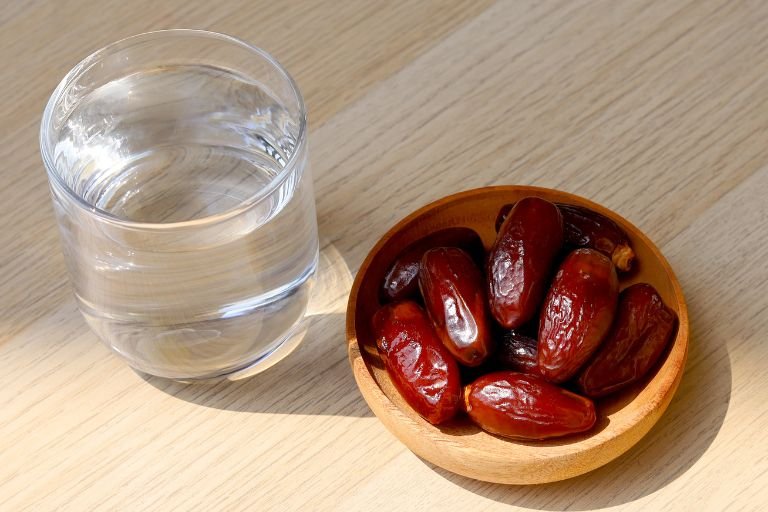
Introduction: The Sweet Appeal of Dates in a Reflux-Friendly Diet
Dates are often celebrated as a natural sweetener and a nutrient-dense snack. Packed with fiber, vitamins, and minerals, they’ve earned a reputation as a superfood. But for those who suffer from acid reflux, adding dates to the diet may feel like a gamble. Are dates safe for acid reflux, or could their natural sweetness aggravate symptoms like heartburn and indigestion?
This article dives into the nutritional profile of dates, their acidity, and how they might impact acid reflux. We’ll also explore whether dates are safe to include in a reflux-friendly diet and offer tips on consuming them without triggering uncomfortable symptoms. By the end, you’ll have a clearer understanding of how dates fit into your digestive health plan.
Understanding Acid Reflux and Its Triggers
What Is Acid Reflux? A Digestive Dilemma
Acid reflux, or gastroesophageal reflux disease (GERD), occurs when stomach acid flows back into the esophagus. This backflow is caused by a weakened lower esophageal sphincter (LES), the muscle that separates the stomach from the esophagus.
When this muscle fails to close properly, stomach acid can irritate the esophageal lining, leading to symptoms such as:
- Heartburn: A burning sensation in the chest or throat.
- Regurgitation: The sensation of acid or food backing up into the throat or mouth.
- Difficulty Swallowing: A feeling of food getting stuck in the throat.
Dietary choices play a significant role in managing acid reflux, and understanding which foods trigger or soothe symptoms is essential for long-term relief.
What Foods Commonly Trigger Acid Reflux?
Some foods are notorious for worsening acid reflux symptoms by either increasing stomach acidity or relaxing the LES. Common culprits include:
- Spicy foods
- Citrus fruits and juices
- Tomatoes and tomato-based products
- Fried or fatty foods
- Chocolate and caffeinated beverages
- Carbonated drinks
Dates, being a sweet and fibrous food, may fall into a gray area, making it crucial to examine their specific effects on acid reflux.
Author Tip: 7 Kinds of Foods to Avoid with GERD
Dates: A Nutritional Powerhouse
Nutritional Profile of Dates
Dates are dried fruits that come from the date palm tree. They’re naturally sweet and loaded with nutrients, making them a popular choice for a quick energy boost. Here’s what a typical serving of dates (3–4 dates, or about 50 grams) provides:
- Calories: Approximately 140
- Fiber: 3–4 grams, supporting digestion and bowel regularity
- Natural Sugars: 30–40 grams, offering a quick source of energy
- Vitamins and Minerals:
- Potassium: Supports heart health and helps regulate fluid balance.
- Magnesium: Aids in muscle function and bone health.
- Iron: Promotes healthy blood cell production.
- Vitamin B6: Supports brain health and metabolism.
Research suggests that dates are also rich in antioxidants, such as flavonoids and carotenoids, which help reduce inflammation and protect against oxidative stress.
Health Benefits of Dates Beyond Digestive Health
Dates are more than just a sweet treat; they offer a range of health benefits:
- Improved Digestion: Their high fiber content can help prevent constipation and promote gut health.
- Energy Boost: The natural sugars in dates provide a quick and sustained energy source, making them ideal for pre-workout snacks.
- Heart Health: Potassium and magnesium in dates support healthy blood pressure and cardiovascular function.
- Bone Strength: Dates contain small amounts of calcium and phosphorus, which contribute to bone health.
Are Dates Acidic or Alkaline?
The pH of Dates: Acidic, Neutral, or Alkaline?
Dates are considered slightly acidic, with a pH ranging from 5.5 to 6.5. However, their acidity is relatively mild compared to other fruits like citrus or tomatoes. Their natural sweetness and fiber content may help offset any potential irritation caused by their mild acidity.
While dates themselves are slightly acidic, their impact on acid reflux largely depends on individual tolerance and how they’re consumed.
Acidic Foods vs. Alkaline Foods: The Acid Reflux Equation
Acid reflux sufferers are often advised to limit acidic foods to prevent irritation of the esophagus. However, not all acidic foods are problematic. Factors such as portion size, preparation methods, and individual sensitivity play a significant role in how a food affects reflux symptoms.
Dates, despite their mild acidity, may actually provide some digestive benefits due to their fiber content, which can help regulate bowel movements and reduce pressure on the stomach.
How Dates May Affect Acid Reflux?
Benefits of Dates for Acid Reflux
For some individuals, dates may offer digestive benefits that can indirectly help manage acid reflux:
- High Fiber Content: The fiber in dates promotes healthy digestion and prevents constipation, which can reduce abdominal pressure and lower the risk of reflux.
- Natural Sweetness: Dates can serve as a healthier alternative to sugary snacks, which are often loaded with acid-triggering ingredients.
- Potassium Content: Potassium helps regulate fluid balance and may reduce bloating, a common contributor to reflux.
When Dates Might Trigger Acid Reflux?
Despite their potential benefits, dates aren’t suitable for everyone. Some factors that could make dates problematic include:
- High Sugar Content: The natural sugars in dates can ferment in the stomach, leading to gas and bloating, which may worsen reflux.
- Overeating: Consuming too many dates in one sitting can increase stomach pressure, triggering reflux symptoms.
- Individual Sensitivity: Some individuals may find that even mildly acidic foods like dates aggravate their symptoms.
Tips for Including Dates in a Reflux-Friendly Diet
Moderation Is Key
Start with small portions of dates—1 to 2 at a time—and monitor how your body reacts. Avoid eating large quantities in one sitting, as this can increase the risk of reflux.
Pair Dates with Reflux-Friendly Foods
Combining dates with alkaline or neutral foods can help minimize their impact on acid reflux. Here are some ideas:
- Blend dates into a smoothie with alkaline ingredients like almond milk and bananas.
- Pair dates with a handful of unsalted almonds for a balanced snack.
- Add chopped dates to oatmeal, which is both alkaline and soothing for the stomach.
Avoid Eating Dates on an Empty Stomach
Eating dates on an empty stomach may increase stomach acid production, leading to reflux. Pair them with a small meal or snack to reduce the likelihood of discomfort.
Alternatives to Dates for Acid Reflux Sufferers
Reflux-Friendly Sweet Snacks
If dates trigger your symptoms, consider these alternatives:
- Bananas: Naturally alkaline and easy to digest.
- Melons: Low in acidity and hydrating.
- Apples (peeled): Mildly sweet and less likely to cause irritation.
Low-Sugar Snack Options
For those sensitive to natural sugars, try these low-sugar alternatives:
- Cucumber slices with hummus
- Plain, unsweetened yogurt with a drizzle of honey
- Rice cakes topped with almond butter
Author Tip: Are Protein Bars Healthy?
Lifestyle Tips to Manage Acid Reflux Alongside Dietary Changes
Adopt Healthy Eating Habits
- Eat smaller, more frequent meals to avoid overloading your stomach.
- Chew your food thoroughly and eat slowly to aid digestion.
- Avoid lying down immediately after eating, as this can increase reflux episodes.
Avoid Common Reflux Triggers
Minimize foods and drinks that are known to worsen reflux, such as caffeine, alcohol, and spicy dishes.
Author Tip: 7-Day Meal Plan For Gastritis
Stay Active and Maintain a Healthy Weight
Regular physical activity and weight management can significantly reduce reflux symptoms by decreasing pressure on the LES.
Conclusion: Are Dates Safe for Acid Reflux?
Dates are a nutrient-rich, mildly acidic food that may be safe for acid reflux sufferers when consumed in moderation. Their high fiber content and natural sweetness make them a healthier alternative to processed snacks, but their sugar content and portion size should be carefully managed.
By pairing dates with alkaline foods and monitoring your body’s response, you can enjoy their benefits without triggering reflux. As always, consult a healthcare professional for personalized advice tailored to your specific needs.
FAQs: Dates and Acid Reflux
Q1: Are dates acidic or alkaline?
Dates are slightly acidic, with a pH of 5.5–6.5, but their mild acidity is generally well-tolerated in small amounts.
Q2: Can dates worsen acid reflux?
Overeating dates or consuming them with trigger foods may worsen acid reflux symptoms in some individuals.
Q3: How many dates can I eat if I have acid reflux?
Start with 1–2 dates and monitor your symptoms. Adjust the quantity based on your body’s response.
Q4: Are dried dates better or worse for acid reflux?
Dried dates are more concentrated in sugar, so portion control is especially important for reflux sufferers.
Q5: What are the best ways to eat dates for acid reflux?
Pair dates with alkaline foods like bananas or oatmeal and avoid eating them on
Related Posts



Subscribe for New Racipies
Get mental health tips, updates, and resources delivered to your inbox.