
Are Broccoli Acidic? Broccoli and Acid Reflux

Medically reviewed by Aneeza Pervez Updated Date: January 2, 2026
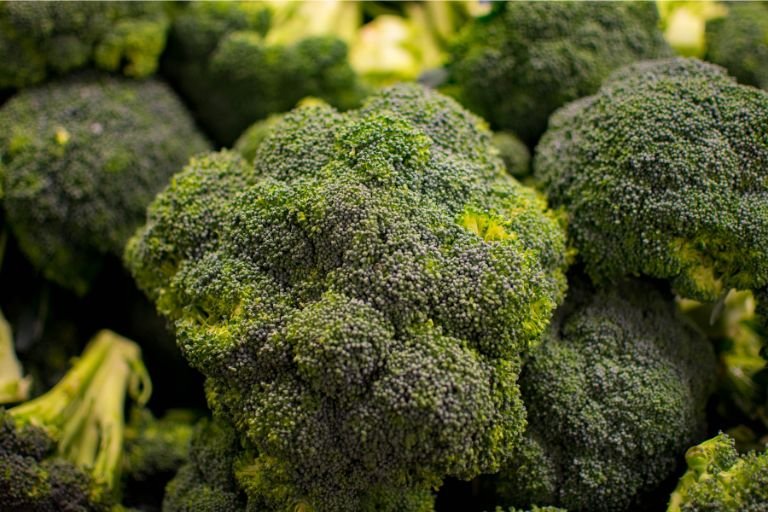
Broccoli is widely regarded as one of the healthiest vegetables, offering an abundance of vitamins, minerals, and antioxidants. However, for individuals dealing with acid reflux or GERD, questions arise about its acidity and whether it’s a safe food to consume. Does broccoli trigger acid reflux? Or could it actually help manage symptoms?
In this article, we’ll break down the acidity of broccoli, its effects on acid reflux, and practical tips for incorporating this superfood into your diet safely. Read on to discover everything you need to know about broccoli and its role in managing acid reflux.
Exploring Broccoli’s Acidity: Is Broccoli Acidic or Alkaline?
Broccoli has long been celebrated as a highly nutritious vegetable, but understanding its pH level is crucial for those managing acid reflux.
1. The pH Level of Broccoli
Broccoli is classified as a mildly alkaline food, with a pH level ranging between 6.5 and 7.5. This makes it slightly above neutral on the pH scale. Unlike acidic foods, broccoli is less likely to aggravate acid reflux and may even help balance stomach acidity.
2. Why Broccoli Is Alkaline
- Low Natural Acidity: Unlike citrus fruits or tomatoes, broccoli contains minimal natural acids.
- Rich in Minerals: Minerals like magnesium and calcium contribute to broccoli’s alkalizing effect in the body, helping neutralize stomach acid.
In summary, broccoli is an alkaline vegetable, making it a favorable option for individuals seeking reflux-friendly foods.
The Nutritional Benefits of Broccoli for Acid Reflux
Broccoli’s nutritional profile offers significant health benefits, including its ability to support digestive health. Here’s why broccoli can be a great addition to your diet:
1. High Fiber Content
Broccoli is an excellent source of dietary fiber, which helps promote smooth digestion. Fiber prevents constipation and reduces the risk of bloating, both of which can exacerbate acid reflux symptoms.
2. Anti-Inflammatory Properties
This green vegetable is packed with antioxidants like sulforaphane, which reduce inflammation in the digestive tract. A less inflamed esophagus can lead to fewer acid reflux episodes.
3. Vitamins and Minerals
Broccoli is rich in essential nutrients, including:
- Vitamin C: Helps heal damaged tissues in the esophagus caused by acid reflux.
- Vitamin K: Plays a role in maintaining healthy digestion.
- Magnesium: Known to help balance stomach acid levels.
4. Low Fat and Calories
Unlike fatty foods, broccoli is low in fat and calories, making it a safe and light choice for those prone to reflux.
Can Broccoli Cause Acid Reflux? Debunking Common Myths
Although broccoli is generally considered safe for acid reflux, there are instances where it may cause discomfort. Let’s explore the circumstances under which broccoli could potentially lead to acid reflux.
1. Overeating Broccoli
Consuming large quantities of broccoli in one sitting can cause bloating and gas, putting pressure on the lower esophageal sphincter (LES) and triggering reflux symptoms.
2. Raw Broccoli vs. Cooked Broccoli
- Raw Broccoli: The high fiber content in raw broccoli can be harder to digest for some individuals, leading to bloating or gas.
- Cooked Broccoli: Steamed or boiled broccoli is easier to digest and less likely to cause discomfort.
3. Individual Sensitivities
Some people may be sensitive to cruciferous vegetables like broccoli, which can lead to mild digestive discomfort. However, this varies from person to person and is not indicative of the vegetable being acidic.
How to Incorporate Broccoli into a Reflux-Friendly Diet?
To enjoy broccoli without triggering acid reflux, it’s essential to prepare and pair it appropriately. Follow these tips for a reflux-safe experience:
1. Opt for Gentle Cooking Methods
- Steaming: Steamed broccoli retains most of its nutrients while being easier on the stomach.
- Boiling: Lightly boiled broccoli is soft and gentle on the digestive system.
- Roasting: Roasting broccoli with a drizzle of olive oil and mild spices can add flavor without increasing acidity.
2. Avoid Over-Seasoning
Spicy or acidic seasonings like chili powder, garlic, or vinegar should be avoided, as they can irritate the stomach and trigger reflux. Instead, use reflux-friendly seasonings like dill, parsley, or turmeric.
3. Pair with Alkaline Foods
Combine broccoli with other reflux-friendly, alkaline foods such as:
- Quinoa or brown rice
- Sweet potatoes
- Leafy greens like spinach or kale
4. Control Portion Sizes
Stick to moderate portions to avoid overeating, which can put pressure on the LES and worsen reflux symptoms.
Related To Read: Are Salads Healthy?
Broccoli Recipes for Acid Reflux Sufferers
1. Steamed Broccoli with Olive Oil and Lemon-Free Dressing
- Ingredients: Fresh broccoli, olive oil, salt, and pepper.
- Instructions: Steam broccoli for 5-7 minutes, drizzle with olive oil, and season lightly with salt and pepper for a quick, reflux-friendly side dish.
2. Broccoli and Quinoa Bowl
- Ingredients: Steamed broccoli, cooked quinoa, cucumber slices, and a light yogurt dressing.
- Instructions: Mix all ingredients in a bowl and top with a yogurt-based dressing for a healthy, acid reflux-friendly meal.
3. Broccoli and Sweet Potato Mash
- Ingredients: Boiled broccoli, steamed sweet potatoes, and a pinch of salt.
- Instructions: Blend the ingredients into a smooth mash for a hearty, alkaline-rich dish.
Recipe: Broccoli Rabe & Egg Pizza
Tips for Managing Acid Reflux When Eating Broccoli
Even reflux-friendly foods like broccoli should be consumed mindfully. Here are some additional tips to ensure comfort while eating broccoli:
1. Chew Thoroughly
Properly chewing your food aids digestion and reduces the likelihood of gas or bloating.
2. Avoid Eating Late at Night
Finish meals at least 2-3 hours before bedtime to minimize nighttime reflux.
3. Maintain an Upright Position After Meals
Sitting or standing after eating helps keep stomach acid from flowing back into the esophagus.
4. Listen to Your Body
If you notice that broccoli consistently causes discomfort, try smaller portions or switch to alternative vegetables like zucchini or carrots.
FAQs About Broccoli and Acid Reflux
1. Is broccoli acidic or alkaline?
Broccoli is alkaline, with a pH level between 6.5 and 7.5.
2. Can broccoli trigger acid reflux?
While broccoli is generally safe, overeating or consuming it raw may cause bloating or gas, which can indirectly trigger reflux.
3. Is steamed broccoli good for acid reflux?
Yes, steamed broccoli is a gentle and reflux-friendly preparation method.
4. Are other cruciferous vegetables safe for acid reflux?
Most cruciferous vegetables like cauliflower and Brussels sprouts are safe when cooked but may cause gas or bloating in sensitive individuals.
5. Can broccoli help reduce acid reflux symptoms?
Broccoli’s alkaline nature and anti-inflammatory properties can help reduce reflux symptoms for many individuals.
Conclusion
Broccoli is a mildly alkaline, nutrient-rich vegetable that can be safely enjoyed by most individuals with acid reflux. By preparing it with gentle cooking methods, avoiding acidic or spicy seasonings, and pairing it with alkaline foods, you can incorporate broccoli into a reflux-friendly diet without discomfort.
As with any food, portion control and individual sensitivities are key. If you’ve been avoiding broccoli due to acid reflux concerns, this guide offers you practical tips and recipes to enjoy its numerous health benefits worry-free.
Feel free to share this article with others and explore more of our acid reflux-friendly content for tips on maintaining a healthy and comfortable diet!
Related Posts



Subscribe for New Racipies
Get mental health tips, updates, and resources delivered to your inbox.
Pumpkin Pops



My daughter needed to do a project about pumpkins for school, so I decided to do a remake of pumpkin pops I made a while back. Instead of making cake balls, I used the Oreo and cream cheese recipe from the Cupcake Pops I previously made.
Pumpkin Pops
adapted from My Little Cupcake and Bakerella
Supplies:
1 pkg. Oreo cookies
1 – 8 oz. pkg. cream cheese
Orange candy melt
Lollipop sticks
Brown fondant
Green fondant
Directions:
Grind Oreo cookies in a food processor and hand mix or use stand mixer to combine with cream cheese until it becomes a dough like consistency. Roll Oreo mixture into quarter size balls and place in airtight container lined with wax paper. Places the container in the refrigerator overnight to set.
After the balls are set, melt candy in the microwave as per directions on package. (30 second intervals , stirring in between)
Remove Oreo balls from the refrigerator and insert lollipop sticks into each ball. Dip the Oreo balls into candy coating until all covered. Once covered, remove and softly tap and rotate until excess candy melt falls off. Don’t tap too hard or the Oreo ball will fall off , too. Then place pops on wax paper, stick facing upwards.
Once candy melt has hardened, it is time to decorate. Use brown fondant to create a stem for the pumpkin. Shape by hand. Cut green fondant into leaves and strips that can be rolled into vines. Carefully attach leaves and vines to the stems.
Makes about 24 pops. Pumpkin Pops can be made ahead of time and refrigerated for 3-4 days.

They taste delicious and all the kids in my daughter’s class loved them. I think I like them better with Oreos and cream cheese.
Related Posts




Subscribe for New Racipies
Get mental health tips, updates, and resources delivered to your inbox.