
Is Sauerkraut Safe for Acid Reflux? Benefits and Risks

Medically reviewed by Aneeza Pervez Updated Date: January 2, 2026
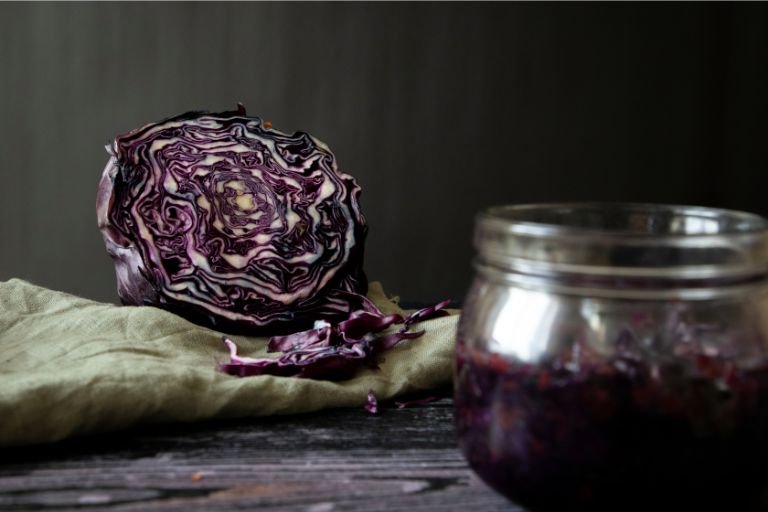
Sauerkraut, a popular fermented food made from cabbage, has been praised for its potential health benefits, including improving gut health, boosting the immune system, and offering a rich source of probiotics. As with any food, those dealing with acid reflux or gastroesophageal reflux disease (GERD) may be concerned about whether sauerkraut is safe to consume, given its acidic nature and fermentation process.
In this article, we will explore the effects of sauerkraut on acid reflux, the potential benefits, and risks of including sauerkraut in an acid reflux-friendly diet, and offer practical tips on how to incorporate it into your meals.
What is Sauerkraut?
Sauerkraut is made by fermenting finely chopped cabbage with salt, a process that promotes the growth of beneficial bacteria, or probiotics. This fermentation process not only enhances the flavor but also increases the nutritional value of the cabbage, providing a source of fiber, vitamin C, and various B vitamins.
The probiotics in sauerkraut, such as lactic acid bacteria, support digestive health by promoting a healthy balance of gut bacteria. This can improve digestion and immune function. However, as a fermented food, sauerkraut has a distinct tart, sour taste due to the lactic acid produced during fermentation.
Is Sauerkraut Acidic?
Sauerkraut’s acidic nature stems from the lactic acid produced during fermentation. As a result, sauerkraut has a low pH (usually around 3.0 to 3.5), making it acidic. This can raise concerns for individuals with acid reflux, as acidic foods may exacerbate the condition by irritating the esophagus and increasing acid production in the stomach.
However, the acidity of sauerkraut is not the only factor to consider when evaluating its impact on acid reflux. The presence of probiotics and other nutrients in sauerkraut may play a significant role in how it affects digestion and acid reflux symptoms.
Related to Read: Sauerkraut for Acid Reflux: A Tangy Delight or a Heartburn Trigger?
Sauerkraut and Acid Reflux: The Potential Benefits
While sauerkraut is acidic, it may offer several digestive health benefits that could help manage acid reflux symptoms for some individuals. Let’s explore how sauerkraut could be beneficial:
- Probiotics and Gut Health:
- Sauerkraut is a probiotic-rich food, meaning it contains beneficial bacteria that can improve gut health. Research has shown that a healthy gut microbiome can play a role in preventing and managing acid reflux. Probiotics may help balance the gut flora and promote better digestion, which could reduce the likelihood of reflux symptoms.
- Improved Digestion:
- The probiotics in sauerkraut help break down food more efficiently, reducing the burden on the stomach. This could lead to improved digestion, helping to prevent bloating, indigestion, and acid reflux symptoms. Sauerkraut can also support overall gastrointestinal health, contributing to smoother digestion.
- Anti-Inflammatory Effects:
- Sauerkraut contains antioxidants and compounds that may help reduce inflammation in the digestive tract. Chronic inflammation in the esophagus is a key factor in acid reflux and GERD. By reducing this inflammation, sauerkraut might provide some relief for those with acid reflux.
- Alkalizing Effect After Digestion:
- Although sauerkraut is acidic in nature, fermented foods can have an alkalizing effect on the body once digested. This means that after the fermentation byproducts are processed, the body may experience a reduction in acidity, which could benefit those with acid reflux.
Author Tip: 7 Kinds of Foods to Avoid with GERD
Sauerkraut and Acid Reflux: The Potential Risks
While sauerkraut offers several digestive health benefits, it may not be suitable for everyone with acid reflux. Here are some potential risks to keep in mind:
- High Salt Content:
- One of the primary concerns with sauerkraut for individuals with acid reflux is its high salt content. Too much salt can contribute to water retention and high blood pressure, and may also irritate the stomach lining. Some people with acid reflux may be sensitive to salty foods, which could worsen symptoms like bloating and indigestion.
- Fermented Foods and Gas Production:
- Sauerkraut contains fiber and fermented sugars (oligosaccharides), which can produce gas during digestion. For some individuals, this may lead to bloating, discomfort, and increased pressure on the stomach, which could trigger acid reflux or worsen existing symptoms.
- Acid Sensitivity:
- While sauerkraut may be beneficial for some, its acidic nature might aggravate symptoms in others. If you are sensitive to acidic foods, sauerkraut could potentially worsen acid reflux by increasing stomach acidity or irritating the esophagus.
- Portion Control:
- Consuming large amounts of sauerkraut in one sitting could potentially lead to indigestion or exacerbate acid reflux symptoms. Moderation is key when incorporating sauerkraut into your diet.
How to Include Sauerkraut in an Acid Reflux-Friendly Diet?
If you have acid reflux but would like to try incorporating sauerkraut into your meals, here are some practical tips:
- Start with Small Portions:
- Begin with small amounts of sauerkraut to see how your body reacts. If you experience any discomfort, it may be best to reduce your intake or avoid it altogether.
- Choose Low-Sodium Sauerkraut:
- Look for low-sodium or homemade sauerkraut options to reduce the amount of salt in your diet. Excessive salt can aggravate acid reflux symptoms.
- Pair Sauerkraut with Alkaline Foods:
- If you’re concerned about the acidity of sauerkraut, pair it with alkaline foods like leafy greens, cucumbers, or bananas. This can help balance out the acidity and create a more reflux-friendly meal.
- Avoid Sauerkraut on an Empty Stomach:
- For some people, eating sauerkraut on an empty stomach might trigger acid reflux symptoms. Try consuming it with other foods to reduce the likelihood of irritation.
Author Tip: 7-Day Meal Plan For Gastritis
Scientific Research on Sauerkraut and Acid Reflux
While there is limited specific research on the effects of sauerkraut on acid reflux, studies on fermented foods and probiotics provide some insight:
Study 1: Probiotics and GERD A study published in the World Journal of Gastroenterology suggests that probiotics may help manage symptoms of acid reflux and GERD. Probiotics improve gut health and digestion, which could lead to fewer reflux episodes. As sauerkraut is rich in probiotics, it could potentially support these benefits.
Study 2: Effects of Fermented Foods on Digestion Research has shown that fermented foods like sauerkraut can support digestion by introducing beneficial bacteria into the gut, which aids in the breakdown of food. This could help reduce digestive discomfort and prevent the build-up of stomach acid, a key contributor to acid reflux.
Conclusion
So, is sauerkraut safe for acid reflux? The answer depends on your individual sensitivity to acidic foods and your overall digestive health. While sauerkraut’s acidic nature and high salt content might trigger reflux symptoms in some individuals, its probiotic-rich composition can offer potential benefits for others by promoting better digestion and a balanced gut microbiome.
If you have acid reflux, it’s best to start with small amounts of sauerkraut and pay attention to how your body reacts. Choosing low-sodium varieties and pairing sauerkraut with other alkalizing foods can help make it a more reflux-friendly option.
As always, consult with a healthcare provider before making any significant changes to your diet, especially if you have chronic acid reflux or GERD.
Related Posts



Subscribe for New Racipies
Get mental health tips, updates, and resources delivered to your inbox.
Split Pea Soup, Round And Whole And Filling

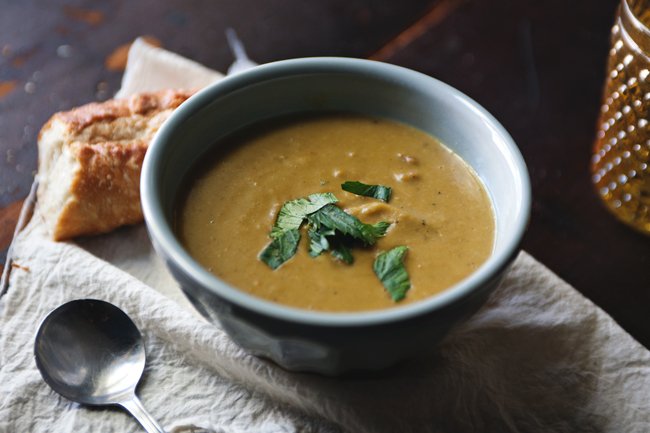
Chris and I split a can of clam chowder the other day. You know, the readymade stuff. I’d forgotten how convenient it was to prepare. You just slap it into a pot and let it come to a boil, and then it’s ready. I’d also forgotten how much I liked it. I hope you’re not shaking your head, shuddering at all the preservatives and chemicals we consumed. Seriously, when you’re in the need for a quick soup fix, canned clam chowder always hits the spot.
And with that, soup season officially began.
After the clam chowder, I immediately found myself craving split pea soup, which I didn’t realize involved tossing a part of a pig into a pot to simmer alongside green split peas and other ingredients. There’s something elusively tantalizing about the smell of smoked meat—it feels round. Round and whole and filling. I think it strikes an instinctual cord in me, the part that huddles as close to a fire as possible until the flames practically lick my hands. No, maybe not that close. I’m a tiny bit afraid of fire.

This soup is a mishmash of legume and vegetables, too. You know what they do? They soften, and sort of melt. The immersion blender finishes the job. The result reminds me of baby food. Green pea puree or something along those lines. Soupy mush in that rare not-quite-yellow, not-quite-green color. Winsome description, I know. But the flavor! I’m not so sure a baby would be able to handle such a taste explosion; it would be too much to process.
I hope you make a huge pot of this soup on a chilly day. You might want to open a couple windows, you’ll be so warmed to the soul.

SPLIT PEA SOUP
Adapted from Bon Appétit
Serves 6
Ingredients:
2 Tbsp butter
1 medium onion
2 cloves garlic
1 cup chopped celery
1 cup chopped peeled carrots
1-1/2 lbs. smoked pork hocks
2 tsp dried marjoram
1 tsp dried oregano
2 cups green split peas
6 cups water
Directions:
Melt butter in heavy large pot or Dutch oven over medium-high heat. Add onion, garlic, celery, and carrots. Sauté until vegetables begin to soften, about 8 minutes. Add pork, marjoram, and oregano; stir 1 minute. Add peas, then water, and bring to boil.
Reduce heat to medium-low. Partially cover pot; simmer soup until pork and vegetables are tender peas are falling apart, stirring often, about 1 hour and 10 minutes.
When ready, remove hocks. Using an immersion blender or regular blender (being careful not to overfill it), puree the soup. Cut pork off bones, dice it, and return to soup. Season with salt and pepper.
Related Posts


Subscribe for New Racipies
Get mental health tips, updates, and resources delivered to your inbox.